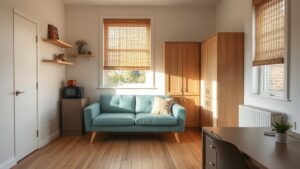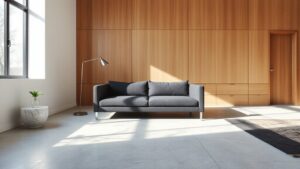
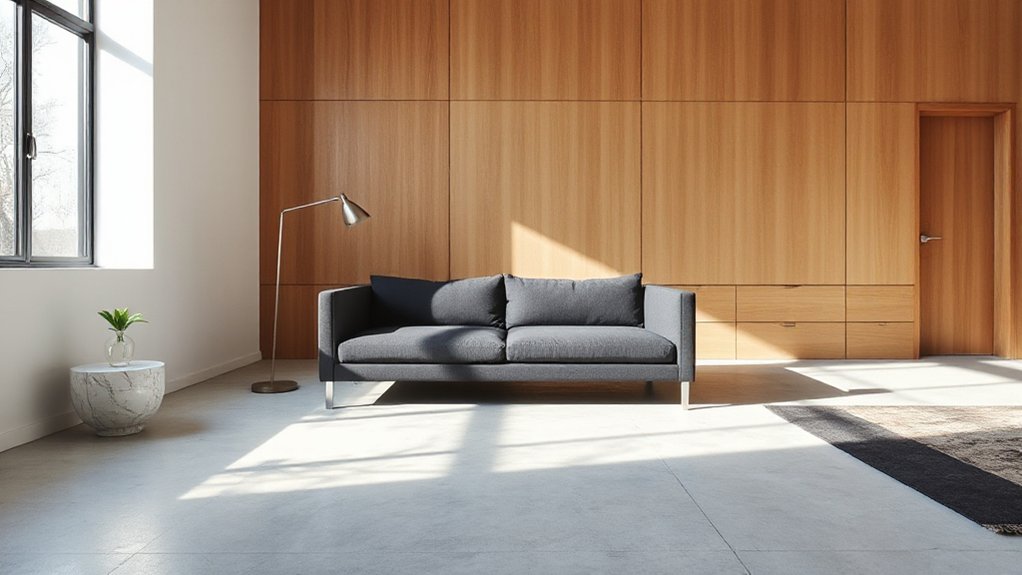
Minimalism isn’t about starkness or deprivation; it’s about choosing what serves you. You’ll define a few steady principles, then prune the rest to reveal calm. Start with a calm color base, durable essentials, and built-in storage that stays clear. As you shape layouts and textures, the space will guide your days—and you’ll sense what’s missing before you notice it. The question becomes: what else can you simplify to keep the room true to its purpose?
What Defines a Minimalist Interior
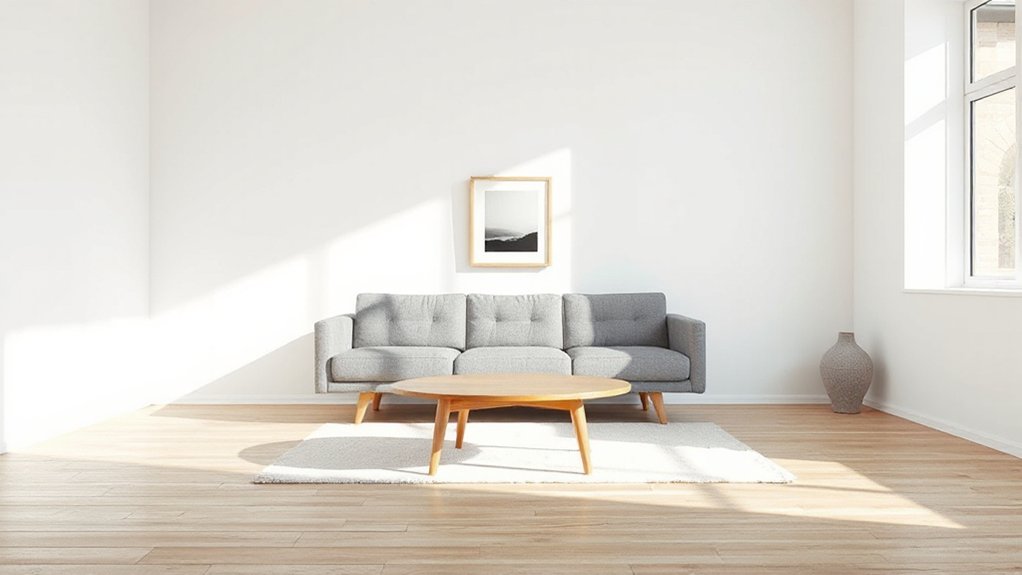
A minimalist interior centers on simplicity, function, and restraint. You define space by essential forms, clean surfaces, and deliberate emptiness that invites calm.
You strip excess, keeping only what serves use or meaning, so each object earns its place. Artistic expression appears in subtle choices—texture, line, light—rather than ornate detail, and it stays intentional rather than decorative for decoration’s sake.
Cultural influences shape mood through materials, tones, and proportion, guiding you toward harmony with surroundings.
You prioritize utility: storage is hidden, surfaces uncluttered, and traffic flows deliberate.
You seek quiet, not sameness, by balancing warmth and restraint. Your minimalist interior becomes a lived language, communicating through restraint, clarity, and purposeful presence rather than abundance.
Define Your Space-Saving Principles
How will you define space-saving principles that actually work in daily life? You’ll set clear rules: prefer built-in storage, multiuse furniture, and accessible layouts. Prioritize daily routines that minimize friction—hang, stack, and store in positions you reach naturally.
Choose compact tools and swap out excess items for essentials, guiding decisions with a single question: does this improve space optimization? If yes, keep it; if no, pass it on.
Create zones that reduce clutter by design—each area has a purpose, with surfaces free from unnecessary adornments. Maintain control through routine, not rigidity. Schedule weekly quick checks to remove what’s not used.
Your pace matters; small, consistent adjustments yield lasting space optimization and clutter reduction.
Build a Calm, Timeless Color Palette
Start with a muted color base to establish calm and cohesion.
Pair neutral accents for subtle contrast that stays timeless.
Keep the palette simple and repeat colors across rooms to reinforce a serene, functional look.
Build Muted Color Base
To build a muted color base, start with a restrained palette of neutrals and soft earth tones, then layer in subtle variations to prevent flatness. You’ll keep the foundation quiet, then introduce color only where it aids function.
Use muted tones as your backbone: warm beiges, cool grays, taupes, and stone hues that read cohesive across rooms. Add depth with slight shifts in saturation, value, or undertone, not with bold contrast.
Maintain consistency by limiting warm and cool elements to defined zones, ensuring blending stay seamless. Avoid overwhelming color blocks; instead, let texture and light modulate the mood.
Cultivate a subdued palette that feels timeless, versatile, and calm, enabling focal pieces to stand out. This approach supports a minimalist, purposeful space focused on clarity and restraint.
Pair Neutral Accents
Pair neutral accents with restraint, letting soft contrasts and texture do the work. You select neutral accents to support the base palette, not dominate it. Use one or two subtle tonal variations—cream, stone, taupe—to keep visuals calm.
Introduce accented pieces sparingly: a single throw, a modest vase, a quiet rug. Choose materials with tactile interest—linen, wool, stone, wood—that add depth through paired textures.
Keep edges clean and proportional; avoid busy patterns that compete with the base. When you place objects, consider rhythm: group in odd numbers and allow space to breathe.
Reflective surfaces should be minimal and soft-edged. The result remains timeless: calm, cohesive, and flexible enough to evolve without overwhelming the room.
Choose Durable, Function-First Furniture
Durable, function-first furniture should form the backbone of a minimalist home. You choose pieces that endure, not trend. Prioritize clean lines, solid joints, and timeless silhouettes that resist wear.
Opt for Eco friendly materials that minimize environmental impact and are easy to maintain. Look for finishes that resist scratches and stains, keeping surfaces readable with fewer care steps.
Favor ergonomic design so you support posture, reduce fatigue, and work efficiently at desks and dining tables.
Plan for multi-use, modular pieces that adapt to rooms without crowding.
Invest in a few high-quality items rather than many mediocre ones, and guarantee each piece earns its keep.
Simplicity here saves space, time, and stress, sustaining a calm, purposeful home.
Master Storage That Never Clutters
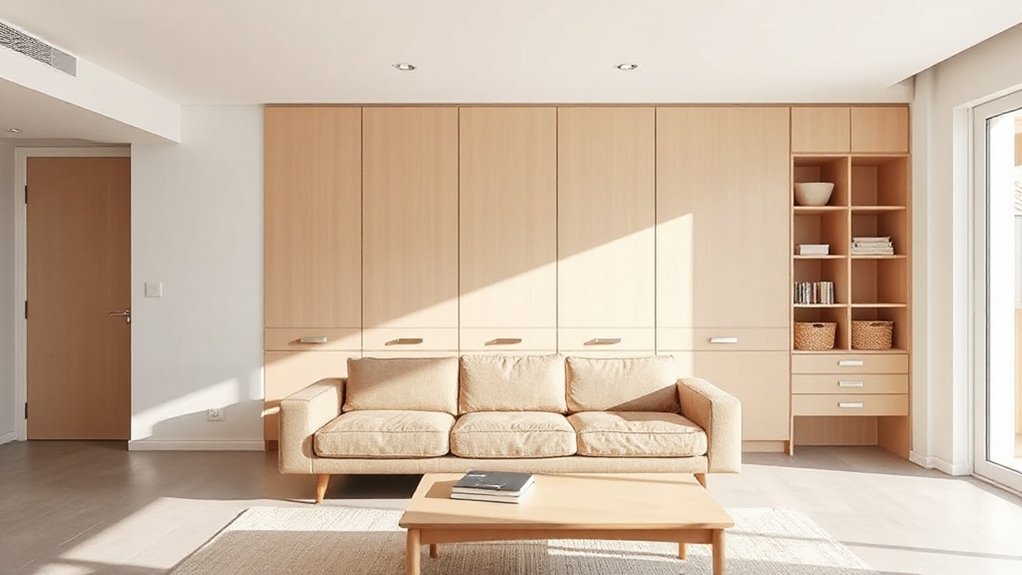
Smart storage is the backbone of a calm home: prioritize solutions that hide clutter, not draw attention to it. You design spaces that conceal daily items, yet remain accessible.
Choose furniture with built‑in storage, slim profiles, and push‑to‑open mechanisms to avoid handles that scream “storage.” Use vertical real estate: tall cabinets, wall‑mounted niches, and hanging organizers to keep surfaces clear.
Implement a simple taxonomy for every item—define zones for work, leisure, and essentials. Establish routines that return items to their homes, reducing decision fatigue. Employ one‑in, one‑out rules for new purchases to sustain clutter control.
Label hidden bins and clear containers so you see what you own at a glance. With disciplined placement, smart storage becomes invisible, preserving calm and function.
Curate Textiles and Surfaces for Calm
Textiles and surfaces set the tone for calm; choose materials that stay quiet and feel consistent under daily use. You’ll favor understated textiles and simple fiber blends, avoiding loud patterns.
Opt for solid tones or restrained duotones, so furniture remains the focal point. Prioritize fabric textures that invite touch without visual noise, like smooth cotton, matte linen, or brushed wool.
Keep the palette cohesive, allowing one or two accents to rise softly. For surfaces, select finishes that resist fingerprints and scuffs, favoring low-sheen or satin sheens over high gloss.
Maintain uniform grain and color across wood, stone, and laminate to strengthen calm continuity. Guarantee textiles and surfaces are easy to care for, promoting longevity and a timeless, uncluttered feel.
Textile textures, Surface finishes.
Create Flow With Thoughtful Layouts
A well-planned layout guides movement and attention, so the space feels calm and purposeful. You map zones by function, reducing clutter and conflicts. Place key pieces first, then fill spaces with intent, not excess.
Furniture placement should encourage short, uninterrupted sightlines, so you perceive order at a glance. Align sofas, chairs, and tables to create clear paths that invite conversation and ease of use.
Avoid blocking natural entry points and consider traffic rhythms—you want a natural flow that doesn’t trap anyone. Use negative space to separate rooms and soften progressions.
Prioritize dual-purpose furniture to maximize usefulness without crowding. Keep surfaces uncluttered to maintain focus on essential forms.
Purpose guides arrangement; intentionality sustains calm, minimalist living.
Lighting and Mood for Minimal Living
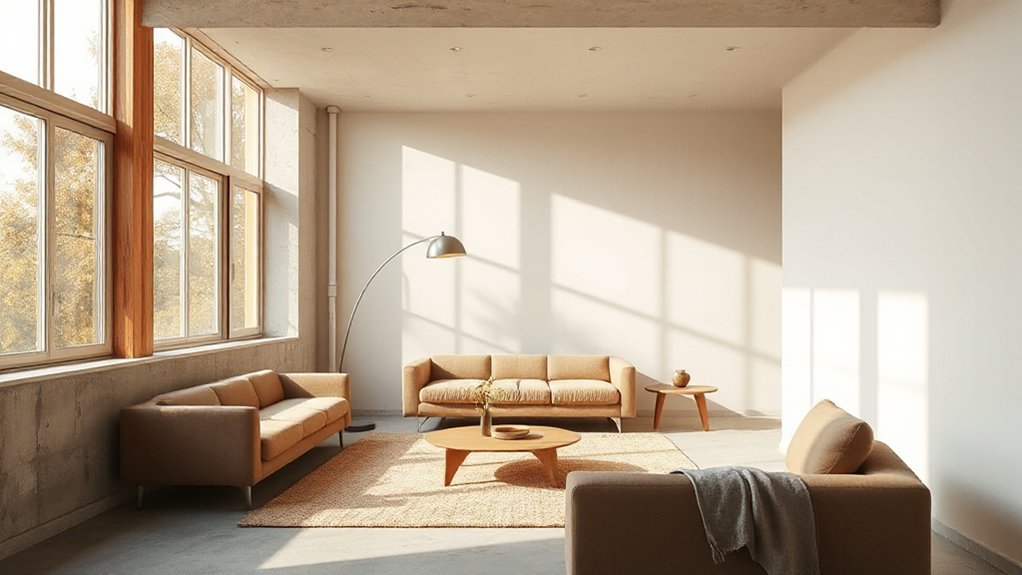
Lighting shapes the calm you’ve built with mindful layouts. In minimal spaces, you guide perception with ambient lighting, avoiding harsh glare and clutter. Choose simple fixtures that blend with structure, not compete with it.
Layer light: ambient for overall clarity, task for precise work, and accent to highlight textures without overpowering quiet. Dimmers matter; you’ll modulate mood lighting to suit tasks and stillness alike.
Color temperature should stay consistent, leaning warm to invite coziness, or cool for focus, never a jarring shift. Place lights where surfaces reflect softly—walls, shelves, or artwork—so you create depth without fuss.
Keep cords hidden and fixtures unobtrusive. With intention, lighting becomes a tool, shaping mood while preserving the room’s restraint.
Maintenance Habits to Keep Minimalism Real
Set a daily declutter ritual to catch small clutter before it grows, so your space stays calm and usable. Keep a simple routine maintenance schedule—weekly checks for essentials, monthly refreshes, and a clear system for what you own.
Start with clear 1–2 tasks per day and adjust to keep minimalism real and practical.
Daily Declutter Rituals
Small, daily moves keep clutter from building up, so adopt quick rituals that fit your routine. You want momentum, not perfection, so keep each task brief and focused.
Set a 5-minute window each day for a rapid pass: pick one area, remove obvious trash, and return items to their homes.
Use organizational techniques that emphasize visibility—open baskets, labeled bins, and a consistent shelf rule.
As you declutter, tune your mind to possible tradeoffs, cultivating a decluttering mindset that favors utility over novelty and avoids accumulation triggers.
End your session with a quick reset: wipe a surface, silence a buzz, and acknowledge progress.
These small, repeatable habits sustain minimalism without draining energy or time.
Routine Maintenance Schedule
To keep minimalism real, establish a simple maintenance schedule that fits your routine and sticks. You’ll keep the space orderly by pairing tasks with moments you already show up for daily.
Create a minimal calendar: weekly quick clear, monthly deeper tidy, quarterly checks.
Name responsibilities clearly: wipe surfaces, refresh textiles, test electronics, inspect plumbing, and verify safety items.
Use seasonal check ups to address weather-related needs and adjust amounts of storage you truly use.
Keep a compact checklist that travels with you or lives in a single note.
Limit tools and products to essentials, and store them together.
Review results every few months, pruning excess tasks.
Cleaning schedules become routines, not chores, when you keep them brief, predictable, and aligned with your minimalist standards.
Frequently Asked Questions
How Do I Start Decluttering Without Feeling Overwhelmed?
Start small and breathe. Break the task into 15-minute sessions, tackle decorative clutter first, and set a limit. Acknowledge emotional attachment, then thank items you release, focusing on your space’s purpose and calm, not perfection.
Can Small Changes Achieve a Truly Minimal Look Quickly?
Yes, small changes can achieve a minimal look quickly. You’ll refine your space with functional updates, using a restrained color palette and carefully chosen decorative accessories, keeping surfaces clear and purposeful to maximize calm and visual clarity.
Is Minimalism Compatible With a Family or Pets?
Yes, it can be, if you prioritize durability and safety. Choose family friendly interiors and pet safe materials, keep surfaces clear, and store essentials. You’ll create calm spaces that survive busy days and curious paws.
How Often Should I Reassess My Minimalist System?
“Time reveals truth,” you reassess every month, reassessing your minimalist system. You evaluate storage solutions and color palette, adjusting as needed. You keep it precise, functional, and purposeful, ensuring you maintain balance and intentional simplicity.
What Budget Strategies Support Lasting Minimalist Upgrades?
Prioritize budget planning by defining essential upgrades, purchase durable items, and reuse where possible. Choose sustainable materials, negotiate prices, and space purchases over time. Track costs, avoid impulse buys, and allocate funds for future maintenance and replacements.
Conclusion
You’ll feel the difference when you adopt purpose over abundance. Trust your space to speak softly, with nothing superfluous choking its breath. Let each choice—color, texture, and layout—support clarity, not clutter. Stay diligent with daily resets and seasonal cullings, so calm remains. Remember: less is not deprivation, it’s precision. Consider your home a still lake—clear, reflective, and ready for what really matters. Your minimalist move? deliberate, consistent, enduring.