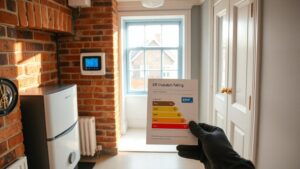
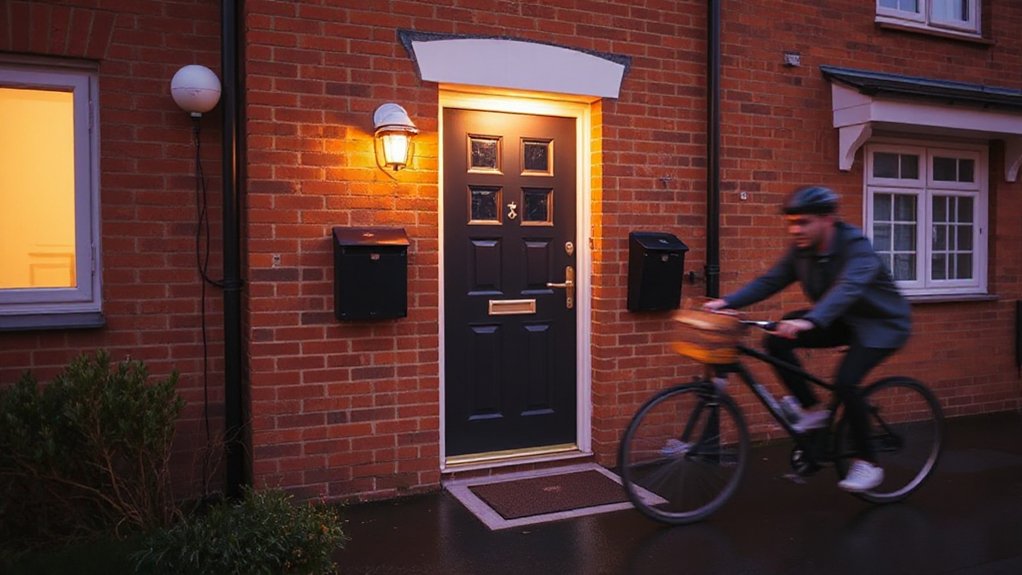
Start with rapid wins: brighten entryways with motion lighting, trim sightlines, and boost door robustness with deadbolts, reinforced frames, and strike plates. Add layered security: reliable smart alarms, tamper‑resistant sensors, and central control with clear alerts. Secure every entry point—doors, ground-floor windows, and shared access—plus visible signage. Build routines: lock up, report anomalies, light communal spaces, and share schedules with trusted neighbors. Regularly test, review logs, and adjust. If you keep going, you’ll uncover how to tailor this plan city‑wise.
What Makes Urban UK Homes Uniquely Vulnerable to Crime?
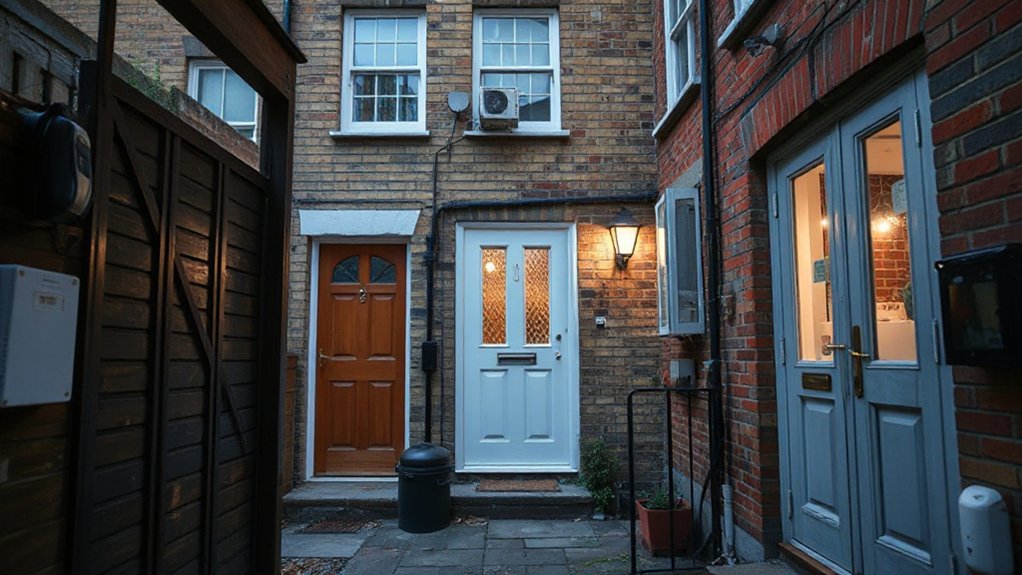
Urban UK homes face crime risks that are shaped by density, mixed-use surroundings, and the ease of movement in and out of neighborhoods. In this environment, you’re exposed to alleyway vulnerabilities that criminals exploit to conceal activity or access entrances unseen.
High foot traffic, shared entryways, and limited natural surveillance create blind spots you must acknowledge.
Delivery parcel risks compound the issue: parcels left unattended near doors or in shared porches tempt theft, and misaddressed items can trigger rerouting into opportunistic hands.
Your security mindset should focus on visibility, controlled access, and prompt parcel retrieval.
Quick-Win Security Upgrades You Can Implement Today
You’ve seen where urban UK homes are most vulnerable; now you can act in minutes. Quick-win upgrades don’t demand a full overhaul, just targeted choices that deter opportunists and reassure neighbors.
Install outdoor lighting with motion sensors to remove dark corners, and position cameras to cover entry points without inviting intruders. Strengthen door frames, add strike plates, and guarantee all doors use deadbolts.
Trim hedges that obscure sightlines and reinforce ground-floor windows where feasible. Update your alarm and connect it to a monitoring service for rapid response.
Check your home insurance requirements and confirm coverage reflects these changes. Be mindful of security myths that downplay simple steps; deliberate, practical upgrades deliver measurable protection and community confidence.
How to Choose a Locking System That Actually Deters Burglars
A good locking system isn’t just about adding hardware; it’s about choosing options that stand up to real-world forced entry. You want reliability you can trust, not promises you’ll regret. Focus on locking mechanisms that resist leverage, picking, drilling, and bumping, and verify certifications from independent labs.
Prioritise multipoint door locks for uPVC and timber, reinforced strike plates, and robust hinge security to avoid weak junctions. Consider smart options that log attempts without compromising privacy, but avoid models with single-point failure or flaky connectivity.
Demand clear installation guidance, professional fitting, and easy maintenance. These choices become burglary deterrents when paired with consistent, visible use. In daily practice, your confidence grows as you strengthen tangible, verifiable protection.
How Lighting Boosts Visibility to Prevent Night-Time Intrusions
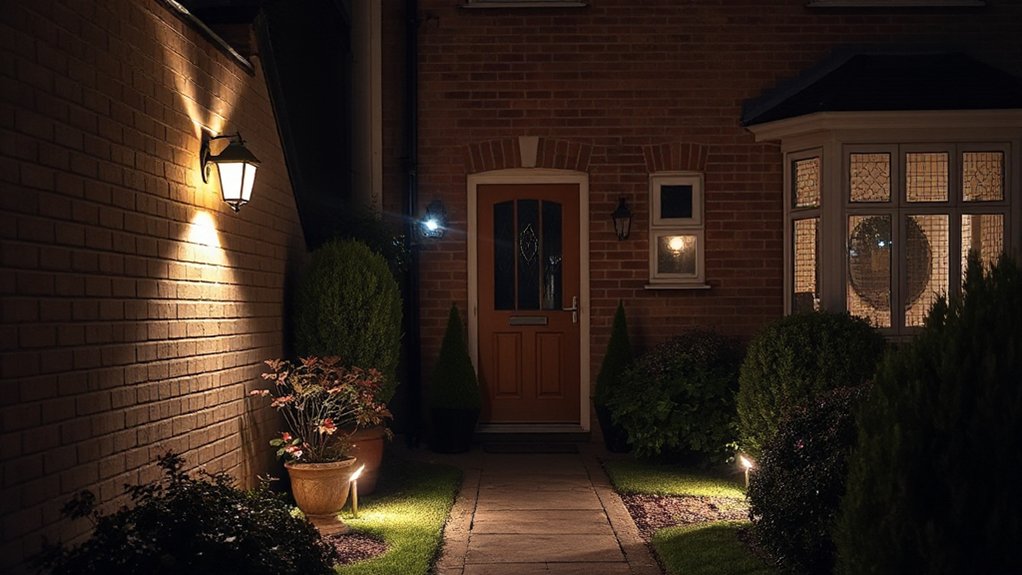
Good lighting is a practical, low-cost defense that reduces blind spots and makes intruders visible from a distance. You’ll deploy Outdoor lighting to cover entrances, pathways, and vulnerable corners, creating continuous visibility around your property.
Motion sensors activate lighting quickly, deterring approach and signaling occupancy to neighbours and passersby. Position sensors at eaves, along fences, and near ground-level access points, ensuring reliable detection without constant glare.
Use a uniform, not overly bright, spectrum to avoid glare yet preserve night vision for you and visitors. Align lights to trigger not just when movement happens, but with predictable hours so habitual patterns remain clear to observers.
Regular maintenance—clean lenses, test cycles, replace batteries—keeps this defense effective, cohesive, and trusted within your community.
How to Pick and Install Smart Alarms for City Living
Smart alarms are essential for urban living, where compact spaces and high porch-to-street activity increase both risk and exposure. You’ll pick a system that fits your footprint, prioritizing reliable connection, battery life, and clear alerts.
Assess Smart alarm features like two-way talk, tamper resistance, geofencing, and smartphone integration to guarantee responsive monitoring without false alarms. Check compatibility with existing hubs and home routines, then verify encryption and cloud privacy.
Installation tips: mount sensors at recommended heights, avoid metal enclosures, and label zones for quick response. Place a main control panel in a central, accessible area, and test all components weekly.
Consider professional setup if wiring is needed, but ensure you retain full control and access to updates. Your city home stays vigilant, streamlined, and secure.
Securing Entry Points: Doors, Windows, and Communal Access
With urban space at a premium, securing doors, windows, and communal access points must be tight and practical. You’ll reinforce entry points with door reinforcement to resist prying and forced entry, prioritising hinges, frames, and strike plates for solid performance.
Pair this with window sensors that alert you to any breach, reducing reaction time and guiding trusted neighbours to verify activity.
For communal access, install controlled entry systems and robust mail access controls to limit opportunities for trespass. Use reinforced doors on high‑risk routes and guarantee proper fit to prevent drafts and leverage.
Maintain clear sightlines from your interior to entryways, supporting quick checks.
Regularly test sensors and re-key when needed, so you stay connected, secure, and confident in your home’s perimeter.
Safer Routines and Neighbour Collaboration for Urban Blocks
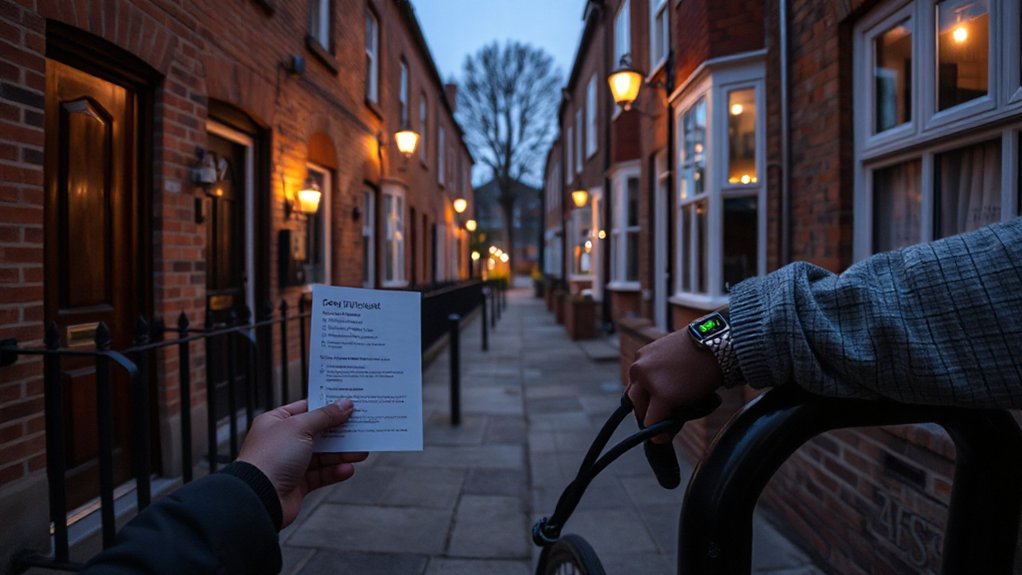
Safer routines and neighbour collaboration are essential to urban blocks where visibility and quick response matter. You establish predictable patterns: lock doors on a set schedule, report anomalies promptly, and keep communal areas well lit.
You foster a culture where everyone patches gaps in coverage, shares schedules, and stays alert without alarm. You participate in a neighborhood watch, coordinating with neighbours to observe unusual activity and document it succinctly.
You practice emergency preparedness by knowing escape routes, posting contact lists, and rehearsing simple drills during low-risk moments. You respect privacy while enabling quick communication; you use clear signals, agreed hashtags, or a trusted app to raise a fast alert.
You reinforce belonging through reliable, proactive vigilance and mutual support.
How to Assess a UK-Friendly Security Kit on a Budget
Now that you’ve set up steady routines and neighbour collaboration, you’ll want a UK-friendly security kit that fits your budget without compromising protection. Begin with a clear needs assessment: identify entry points, lighting gaps, and easy-to-maneuver alarms.
Prioritize cost-effective components that cover multiple functions, such as a smart alarm with door and window sensors and a hub for remote alerts. Seek DIY solutions that you can install confidently, avoiding paid subscriptions when possible.
Compare kits by build quality, compatibility with existing lighting, and reputable UK standards. Check warranties and support, and verify that cameras offer tamper alerts and secure storage options.
How to Evaluate and Track Your Home Security Plan Over Time
Track your security milestones and set clear, time-bound goals so you can see progress at a glance.
Regularly monitor plan effectiveness by comparing incidents, responses, and costs against expectations.
Use simple dashboards and quarterly reviews to keep the plan practical and aligned with evolving risks.
Track Security Milestones
To gauge progress, set clear milestones for your home security plan and review them at regular intervals—monthly for basics, quarterly for more complex measures. You’ll track actions, outcomes, and adjustments with a concise dashboard, noting completion dates and responsible tasks.
Begin with foundational steps—locks, lighting, entry awareness—and mark them as complete before advancing. As you add layers, use measurable targets: time-to-detect, incident reductions, and compliance checks.
Integrate Home automation where practical, measuring reliability and user experience in real time. Place Security signage strategically to deter activity, then monitor visibility and visibility feedback.
Regular reviews keep you connected with your household, reinforcing belonging while you optimize costs and effort. Document lessons learned, update risk priorities, and celebrate steady, tangible progress.
Monitor Plan Effectiveness
Once you’ve set milestones, shift focus to how well your plan works in real life. You’ll monitor results by reviewing incident logs, alert response times, and gear performance month to month. Track deviations, identify root causes, and adjust protocols quickly—don’t wait for problems to compound.
Use simple metrics: false alarm rate, time to detection, and activation reliability across devices. Integrate home automation insights to see how automation events correlate with security outcomes.
Schedule quarterly audits, testing scenarios, and refresher trainings for everyone involved. Keep documentation clear and accessible for household members, neighbors, and local responders.
Highlight savings from Insurance discounts and the reduced risk profile when presenting your plan. This ongoing review reinforces belonging through shared responsibility and measurable improvement.
Frequently Asked Questions
How Often Should I Rotate My Door Locks in Cities?
You should rotate your door locks every 5 to 7 years, or sooner if you notice stiffness or wear. Prioritize Lock maintenance and Key replacement, and keep the process practical, precise, and aimed at helping you feel secure and included.
Do Smart Alarms Require Constant App Monitoring?
Like a steady heartbeat, no, smart alarms don’t require constant app monitoring. You’ll benefit from scheduled checks. Prioritize smart alarm maintenance and set a practical App monitoring frequency to stay secure and confident in belonging.
Are Burglaries More Common on Ground-Floor Flats?
Yes, ground-floor flats face higher burglary risk; you should strengthen window security and install security lighting, so you feel protected and part of a safer community. Prioritize robust locks, window alarms, and visible lighting to deter intruders.
What Is the Best Local Authority for Home Security Grants?
Like a trusted neighbor you lean on, you want the best option: apply through your local authority programs for home security grants offered by your council, choosing the authority with robust funding and clear eligibility criteria.
How Can Neighbours Share Security Incident Reports Effectively?
You should foster community cooperation by creating a shared incident reporting channel, where neighbours document suspicious activity, signs, and outcomes. Use concise alerts, respect privacy, and review incidents weekly to reinforce trust and timely, actionable response.
Conclusion
You’ve seen how urban life invites quick glances and faster opportunities for intrusion. Now, lock in your guardrails: sturdy doors, strategic lighting, smart alarms, and clear routines. Don’t ignore communal ties—neighbors watching out for each other can be the quiet steel beneath your door. Start with one high-impact upgrade tonight, then build your plan step by step. The clock’s ticking, and in city shadows, preparedness isn’t optional—it’s your first line of defense. Stay vigilant, stay connected, stay secure.