To communicate rent increases without losing tenants, explain the rise with a clear, data-driven rationale tied to specific improvements and costs. Show how upgrades—safety, maintenance response, energy efficiency—lower long-term expenses and protect property value. Provide a transparent timeline, use phased options, and offer concessions or renewal terms to soften the impact. Use plain language, cite relevant data, and keep tenants’ privacy in mind. If you want more detail, you’ll find practical steps and templates ahead.
Why Rent Increases Are Sometimes Necessary

Rent increases are sometimes necessary to cover rising costs that sustain quality and safety. You’ll see higher expenses from utilities, maintenance, insurance, and compliance requirements, all of which protect tenants and preserve building value.
Data tracks trend lines: energy prices, material costs, and wage pressures influence budgets, and modest, predictable increases help avoid sharp shocks.
Communicate the rationale with transparency, linking each increment to specific cost drivers and quality improvements, not discretionary gains. When explained clearly, renters can assess affordability over time, especially in relation to market benchmarks and neighborhood rents.
Prioritizing rent affordability within the plan supports tenant loyalty by reinforcing trust.
If increases are necessary, present options such as phased steps or targeted energy upgrades to balance financial viability with resident satisfaction.
Clarify Why This Rent Increase Is Needed
This increase is grounded in a clear justification, including market-rate alignment and rising property costs. We’ll show how the rent reflects current market comparisons and the specific drivers behind costs like maintenance, taxes, and insurance.
Justification For Increase
To justify a rent increase, explain the specific factors driving higher costs and how they affect maintenance, services, and overall value for you as a tenant. You’ll point to quantified expenses like property taxes, insurance, utilities, and required capital improvements, showing how each item elevates operating costs.
Explain how maintenance response times, security measures, and common-area upkeep sustain quality of life and safety. Tie costs to measurable outcomes, such as improved energy efficiency, reduced vacancy risk, and enhanced resident communication.
Be transparent about how these investments preserve long-term value and prevent larger, less predictable spikes later. Mention that decisions consider tenant privacy and feedback during service planning, and that renewal terms reflect continued commitment to dependable, quality housing.
This supports a thoughtful lease renewal.
Market Rate Alignment
Have you compared our current asking rate to local market benchmarks and found alignment is necessary to reflect true value? A market analysis shows where rents sit relative to comparable properties, factoring unit size, amenities, and location.
We align when data indicate gaps between our ask and those benchmarks, ensuring price signals match observed demand and value. In our review, you’ll see how tenant demographics influence demand curves, helping us avoid underpricing or overpricing that could affect occupancy.
Aligning rent with market conditions supports sustainable profitability while preserving tenant trust. This approach isn’t about random increases; it’s about transparency and evidence.
We’ll share sources, trends, and a clear timeline so you know the rationale behind adjustments.
Property Cost Drivers
Capital projects, like boiler upgrades or roof work, also influence costs, and their timing affects monthly rates. Operational efficiency, energy usage, and preventative maintenance help control spikes, but they don’t eliminate them.
When costs rise, we adjust rent to preserve service levels and risk management, not to profit from you. This approach supports Tenant loyalty by showing you we’re transparent about where funds go.
In negotiations, we present data, timelines, and phased increases to minimize disruption. Our goal remains fair rent negotiations that reflect actual expenses while maintaining quality and safety.
Tie Increases to Funded Property Improvements
One practical approach is tying rent increases to funded property improvements, so tenants can see a direct link between their payments and measurable upgrades. You’ll present a clear plan that specifies which improvements occur, the expected cost, and how timelines align with rent adjustments.
Use data to show impact: projected energy savings, reduced maintenance calls, or enhanced safety ratings. Communicate how improvements boost overall value and resident satisfaction, supporting Rent affordability in the long term by offsetting costs with efficiencies.
Emphasize tenant retention, explaining that investors will fund upgrades that raise quality without surprise spikes. Provide a transparent rubric for rates tied to completed milestones, with quarterly updates and questions avenues.
Keep messages concise, factual, and practical to maintain trust and drive cooperative decision-making.
Provide Lease-Respecting Timelines for Changes
Clear notice timelines help tenants plan and reduce disputes. Use timely notice protocols and set clear, documented dates for increases, so both sides have predictable expectations.
This data-driven approach minimizes confusion and supports lease-respecting changes.
Timely Notice Protocol
To implement a timely notice protocol, landlords should provide clear, advance warnings of rent changes that align with lease terms and state or local laws. You establish a predictable cadence, ideally with notice weeks or months ahead, depending on jurisdiction.
Data shows longer lead times reduce pushback and stabilize retention. Communicate specifics: effective date, amount, and reasons, framed around market benchmarks and maintenance plans.
Present options for gradual increases or phased steps to ease impact on tenants. Use consistent channels and written notices, supplemented by brief summaries in person or via email.
Anticipate questions about rent negotiation and cite policy references. Track responses to refine timing and messaging.
This approach respects tenant psychology, reducing surprise and preserving occupancy.
Clear Notice Timelines
Communicate specific dates for rent changes, including the effective date and any interim adjustments, so tenants can budget and negotiate if needed. Use data to justify the timeline, such as market benchmarks and maintenance cycles.
This approach supports Rent negotiation and strengthens Tenant engagement by reducing surprises.
- Clear, published dates tied to lease anniversaries
- Gradual increases that align with budgeting periods
- Documentation of legal compliance and rationale
- Open channels for questions before changes take effect
- Transparent timelines tracked in accessible notices
Model a Fair, Phased Rent Increase

A fair, phased rent increase starts with a transparent plan that gradually aligns rent with market value while preserving tenant stability. You present a multi-step schedule showing year-by-year adjustments, total gain, and measurable benchmarks tied to local data.
Use current market comparisons, vacancy trends, and average rent growth to justify steps, not surprises. You’ll pair each increase with improved services or amenities so tenants see concrete value.
Communicate a ceiling and a floor: specify the maximum annual rise and the minimum maintenance commitment that accompanies it. Highlight rent negotiation options, such as longer leases or capped increases for renewals, to strengthen tenant loyalty.
Document everything in writing, share sources, and invite questions to reinforce trust while keeping the process data-driven and fair.
What Tenants Want to Know About Price Changes
What do tenants want to know about price changes, and how can you address their questions upfront? You’ll present the facts plainly, with context about why rates shift and how they’re calculated.
- How the increase is calculated (percent vs. dollar amount)
- How it compares to local rent control benchmarks
- How affordability concerns are weighed in decisions
- The timeline for the change and any phased steps
- What protections or mitigations exist for sensitive households
Frame the data with transparency, showing how market trends influence decisions and what stays constant. Provide sources, benchmarks, and simulated scenarios so tenants can self-check.
Keep tone respectful yet precise, acknowledging concerns about impact on budgets, then outline support options and open channels for questions. This approach builds trust, reduces surprises, and preserves affordability while validating tenants’ needs.
Frame the Increase as Added Value, Not Cost
Even as rents rise, frame the increase as added value by tying it to tangible benefits you’ll receive, not just a higher bill. You’ll explain how improved amenities, efficiency upgrades, or expanded services translate into real savings or comfort gains over time.
Use clear data to justify the upswing: quantified energy savings from new insulation, enhanced safety features, or faster maintenance response. This approach supports rent negotiation by shifting focus from expense to return on investment for tenants.
Highlight concrete outcomes: lower utility costs, shorter downtime, and predictable budgeting. Encourage tenant engagement by inviting questions, sharing project timelines, and posting progress updates.
Present a transparent plan with milestones and metrics, demonstrating that the increase funds measurable, value-driven improvements rather than arbitrary price rises.
Exact Notice Language You Can Use
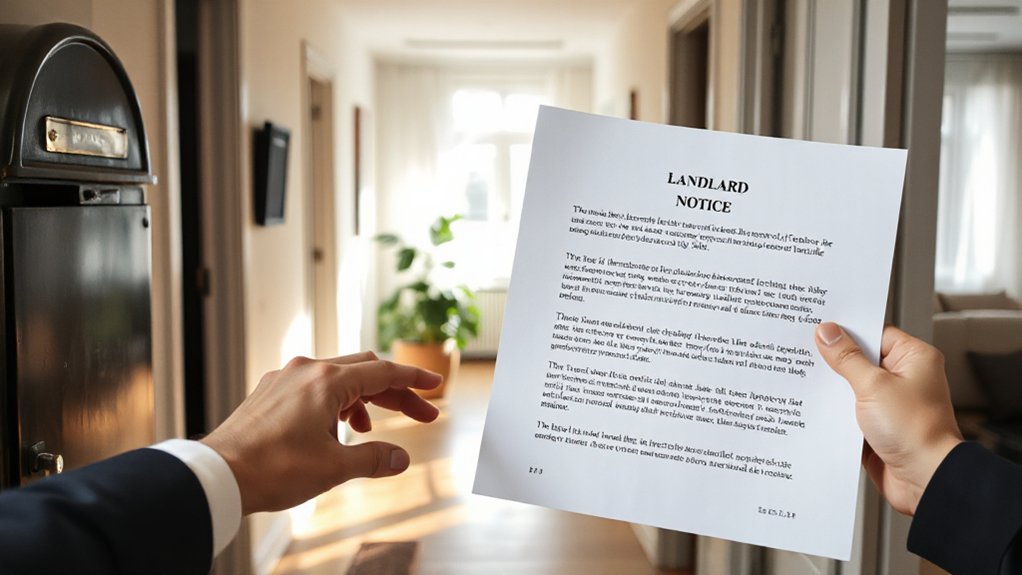
When you notify tenants about a rent increase, be direct and precise, linking the new amount to the documented improvements and timelines that justify it. Use clear figures, dates, and the specific lease renewal terms to avoid confusion, and reference any applicable rent control guidance to set expectations.
Communicate that this change supports ongoing upkeep and compliance, while inviting questions during the lease renewal process.
- Clear new rent amount and effective date
- Short, factual justification tied to improvements
- Timeline milestones supporting the increase
- Reference to rent control policy if applicable
- Next steps for lease renewal and contact points
Present Options to Soften the Impact
To soften the impact, present several concrete options that preserve transparency and give tenants control over the shift, such as phased increases, bundled concessions, or time-limited caps tied to lease renewal terms.
You’ll demonstrate practical flexibility without hiding costs, boosting tenant engagement and trust. Explain phased increases clearly, with a predictable schedule and milestone triggers, so tenants can plan.
Offer bundled concessions like updated amenities or utility credits to offset higher rent, evaluated against market benchmarks.
Consider time-limited caps that align with renewal terms, providing a window for adjustment and discussion.
Present data on local rent trends, vacancy rates, and cost drivers to support decisions.
Emphasize collaboration, document choices in writing, and reframe renewal discussions around mutual value and Lease renewal goals.
Offer Fair Retention Incentives
As you present rent increases, offer fair retention incentives that reinforce value and trust. You can align incentives with financial planning and tenant engagement to show you understand tighter budgets while preserving property quality.
- Flexible renewal terms that reduce annual spikes
- Partial mortgage/maintenance credits tied to stay duration
- Built-in cap adjustments coupled with predictable schedules
- Upgraded in-unit amenities funded by long-term occupancy
- Transparent cost breakdowns that illustrate value over time
Frame incentives around measurable outcomes, such as improved energy efficiency, lower utility bills, or enhanced security. Use data to justify pricing and to quantify benefits.
Track tenant sentiment with short surveys and adjust offers accordingly. Communicate clearly, promptly, and with empathy to sustain engagement and trust.
Communicate Maintenance and Service Improvements

You’ll want to share timely maintenance updates so tenants aren’t guessing when fixes will occur. Highlight visible service upgrades and how they improve reliability, safety, and comfort with concrete timelines.
This sets a data-driven baseline for discussing how upkeep supports overall value and justifies future adjustments.
Timely Maintenance Updates
When it comes to maintenance, timely updates keep everyone informed and reduce disruption, so we share progress, expected timelines, and any changes as soon as they’re known. You’ll see a concise status overview, milestone dates, and the impact on daily routines, all backed by data. This approach minimizes surprises and builds trust, while inviting tenant feedback to refine schedules.
- Clear progress charts showing percent complete and next steps
- Expected completion dates with contingency buffers
- Impact notes for shared spaces and access windows
- Quick changes log reflecting revisions to plans
- Mechanisms for tenant input and rapid issue reporting
Visible Service Upgrades
Highlight completed projects first, then upcoming milestones to sustain momentum. Use simple metrics—response times, downtime reductions, and satisfaction scores—to quantify impact. Tie upgrades to rent negotiation by linking service enhancements to value, avoiding surprise bills.
Offer tenant incentives for participation in feedback loops, pilot programs, or extended lease terms when upgrades deliver tangible benefits. Include visual dashboards, progress photos, and quarterly summaries to maintain transparency.
This approach sustains trust, reduces resistance, and reinforces the case for continued investment.
Anticipate Common Tenant Questions
Anticipating common tenant questions helps you set expectations and reduce friction. You’ll address concerns with concise data, transparent timing, and clear rationale, boosting tenant retention and smoothing rent negotiation.
Prepare a FAQ that covers cost drivers, local comparisons, and options for mitigation. Share how increases align with market value, building improvements, and service levels, underscoring fairness and long-term planning.
- Why the increase is necessary and which costs it covers
- How the new rent compares to similar units in the area
- Timing, notice periods, and renewal options
- Available concessions or alternative plans to ease the shift
- Steps tenants can take to discuss adjustments or debt relief
Use this guidance to field questions confidently, reduce confusion, and preserve trust during rent negotiation.
How to Handle Pushback to the Increase
When pushback arises, present a clear, data-backed rationale for the increase and how it aligns with market rents and maintenance costs.
Acknowledge concerns, then outline proactive support options like phased increases or financial accommodations where feasible.
This approach shows you’re responsive, fair, and committed to ongoing tenant reliability and building quality.
Handle Clear Rationale
If tenants push back, provide a clear, data-driven rationale for the increase and explain how the new rate aligns with market benchmarks, operating costs, and service improvements.
You should, with precision, show the numbers, the source, and the impact on sustainability and quality.
- Market comparison: present exact percentages from reputable comps.
- Cost drivers: utilities, maintenance, insurance, and compliance.
- Service upgrades: faster response, enhanced amenities, updated tech.
- Vacancy risk: current turnover costs vs. steadier occupancy.
- Timeline: phased increase vs. single-step, with a rationale.
Tenant psychology informs tone; keep it calm and focused. Communication tone stays respectful, transparent, and solution-oriented, avoiding defensiveness while enabling informed decision-making.
Proactive Tenant Support
Consider pushback as a data point, not a roadblock: you can set the tone by acknowledging concerns quickly, then anchor responses in concrete numbers, timelines, and shared benefits.
Proactive tenant support means you anticipate objections and respond with options that reinforce value. When pushback arises, cite specific rent benchmarks, lease-length incentives, and maintenance commitments that align with resident priorities.
Highlight potential savings from predictable increases, such as avoided vacancies and reduced turnover costs, to support Tenant retention. Use transparent timelines for implementation and renewal dates, and offer flexible negotiation paths within policy limits.
Document conversations to inform future leases, and emphasize mutual gains in Lease negotiations. Clear, data-driven dialogue reduces tension and strengthens trust.
Strategies for Communicating With Long-Term Tenants
Open with a practical, direct approach: start by outlining the rent increase in plain terms, then connect it to expectations you’ve set with long-term tenants.
You communicate respect for history, while framing data: market trends, maintenance costs, and the value of ongoing reliability.
You emphasize Tenant privacy and the need for transparent incentives tied to a favorable lease renewal.
- Cite concrete numbers and timing to minimize surprises
- Tie the increase to documented improvements and costs
- Acknowledge tenure without dwelling on past rent
- Offer renewal options and flexible terms when possible
- Reaffirm your commitment to open, respectful dialogue
This approach remains data-driven, concise, and considerate, supporting a smooth lease renewal process.
Effective Channels for Rent-Change Notices
Choose channels that guarantee notice is delivered and documented, then align them with tenant expectations and legal requirements. You should pair formal channels (written notices delivered in person or mailed with receipt) with digital options (email, tenant portals) to create verifiable trails.
Use data to pick channels by tenant demographics and response rates; track delivery success and time to acknowledgment. Integrate a standard notice template across platforms to preserve clarity and legal consistency, while allowing brief customization for lease terms.
Consider Marketing strategies to optimize reach without overwhelming tenants, and ensure your approach respects privacy and accessibility. Think about tenant screening outcomes: use preferred channels that also reinforce trust.
Avoid blanket methods; tailor delivery mix to maximize comprehension, response, and retention.
Compliance: Legal Disclosures to Include
When you issue rent-change notices, you must include the specific disclosures required by law to protect both parties and minimize disputes.
In this section, you’ll map your lease agreements to legal compliance, ensuring disclosures match local and state mandates. Clear disclosures reduce ambiguity, speed resolution, and safeguard your rights as a landlord.
- Defined amount and effective date of the increase
- Rationale tied to housing regulations or cost changes
- Citations to applicable statutes and case references
- Notification method, timing, and delivery confirmation
- Your contact for questions and the next steps in the tenancy
FAQ-Ready Sections for Anticipated Questions
Anticipating common questions about rent increases helps both landlords and tenants prepare and respond efficiently. Create FAQ-ready sections that address price changes, timing, and rationale with precise language. Include a brief summary of tenant privacy considerations, and explain how data is used to justify adjustments without overexposure of personal details. Use bullet or succinct Q&A pairs to convey the core points quickly, then provide references to relevant lease clauses and state or local requirements. Highlight how a rent increase affects lease renewal decisions, including renewal options, notice periods, and potential concessions. Offer practical metrics, such as average regional increases and market comparisons, to support transparency. End with a clear call to action for tenants seeking clarification.
Frequently Asked Questions
How Soon Can I Appeal the Increase Terms?
You can appeal within 30 days of the increase notice. In your Rental negotiation, present data, compare market rates, and propose a slow ramp or phased renewal. For Lease renewal, document exceptions and request a written response to your appeal.
Will the Increase Be Permanent or Phased Over Time?
A recent study shows 40% of tenants accept gradual increases. The increase can be phased over time rather than permanent, depending on your plan, especially with rent cap thresholds and during lease renewal negotiations. You’ll choose a sustainable approach.
Are There Alternative Options to Lower My Rent Rise?
You can pursue rent negotiation and lease flexibility by offering phased increases, longer‑term leases, or bundled incentives. Explore market benchmarks, tenant retention data, and transparent budgeting to show fairness while maintaining occupancy and sustainable revenue.
How Will Maintenance Improvements Justify the Increase?
Sure. First, think of a typewriter—anachronistic flair—to illustrate value. You show rent affordability data and maintenance milestones, you’ll justify increases through documented efficiency gains, clearer landlord communication, and measurable upgrades that tenants perceive as worthy and fair.
What Protections Exist for Long-Term Tenants Under This Raise?
Your protections depend on local rent control and lease renewal rules, which limit increases for long-term tenants and specify notice periods; you’ll want to review current caps, documented improvements, and negotiate renewal terms to avoid eviction pressures.
Conclusion
You can navigate rent increases without losing tenants by being transparent, data-driven, and respectful. Clearly explain why the increase is needed, tie it to tangible property improvements, and lay out a fair, phased plan with ample notice. Use the right channels, stay compliant, and anticipate questions with ready FAQ notes. Share success metrics from improvements to reassure residents that costs translate into better living. In short, open dialogue today saves turnover tomorrow. It’s a win–win, bottom line.