
To handle tenant complaints professionally, start with clear onboarding and expectations so everyone knows response times and escalation paths. Use a simple, standardized intake to capture details, assign accountability, and set deadlines. Prioritize safety, legal compliance, and timely communication, then investigate with objective evidence and transparent reasoning. Track progress, fix issues, and follow up to restore trust. Continually audit and standardize templates to improve consistency, and observe how ongoing refinements prevent recurrences as you progress. There’s more to uncover as you proceed.
Identify Recurring Tenant Complaint Causes
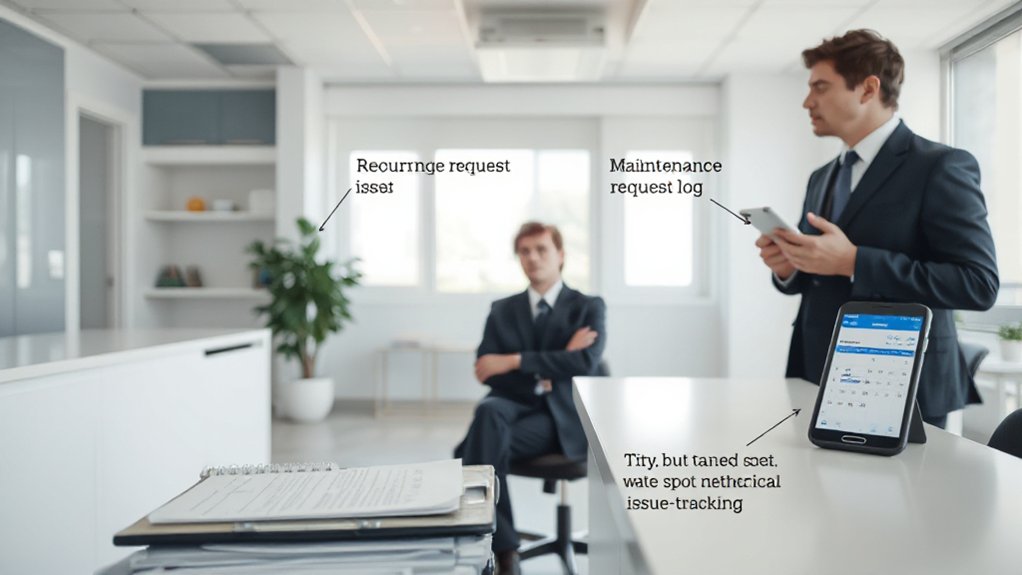
Common tenant complaints tend to repeat because underlying issues recur in systems, communication, or maintenance. You’ll identify patterns by listening carefully and documenting specifics. Look for common threads in tenant behavior that signal broader problems, not isolated incidents.
For example, frequent noise reports may reflect building design, shared spaces, or maintenance workflows rather than individual behavior alone. Pair this with a review of property maintenance logs to spot gaps, delayed responses, or recurrent defects.
Categorize issues into structural, operational, and service-related groups, then map root causes to responsible teams. This clarity helps you prioritize fixes, allocate resources, and set measurable targets.
Set Clear Onboarding and Expectation at Day One
You set the tone from day one with Clear Onboarding Milestones that guide tenants through essential steps.
You also establish Set Realistic Expectations and a Documented Communication Protocol so both sides know what to expect and how to communicate.
This foundation reduces confusion and creates a smoother, more professional path for addressing concerns as they arise.
Clear Onboarding Milestones
Set clear onboarding milestones from day one to establish expectations and build trust. You’ll outline a simple schedule: welcome orientation, account access, maintenance request process, and contact points.
Present response times for inquiries and disputes, so tenants know when to expect updates. Use concise, written expectations for lease violations, complaint pathways, and escalation steps.
Emphasize tenant engagement by inviting questions early and confirming understanding. Provide a transparent timeline for problem resolution, including interim updates if issues persist.
Document milestones in a shared resource, such as a tenant portal or welcome packet, and reference it during initial conversations. This clarity reduces misunderstandings, supports proactive communication, and guarantees consistent handling of concerns, including how and when to escalate complaints.
Set Realistic Expectations
Clear onboarding sets the stage for real-world expectations. At day one, you outline response timelines, what you’ll handle personally, and what falls to other team members. This clarity reduces guesswork and premature frustration, boosting tenant satisfaction.
Be specific about service windows, maintenance priorities, and how requests are categorized. Explain how progress updates will occur and when escalation happens if delays arise.
Documented milestones aren’t just admin; they’re guarantees you stand behind, reinforcing trust. Encourage tenants to ask questions and confirm understanding, so there are no surprise obligations.
When issues arise, refer back to this framework to determine appropriate action. A predictable process minimizes uncertainty, supports fair handling, and limits complaint escalation by ensuring both sides share a common, attainable rhythm.
Documented Communication Protocol
To establish a solid foundation from day one, implement a documented communication protocol that clearly outlines onboarding steps, expected response times, and escalation paths. This protocol guides every interaction so you can respond consistently, professionally, and with empathy.
Use a centralized channel for all tenant inquiries, and define who handles initial requests, who approves changes, and who oversees escalations. Set firm, realistic timelines for acknowledgments and resolutions, and communicate these back to tenants upfront.
Include templates for common scenarios to reduce misinterpretation and guarantee tone remains respectful. Track and review tenant feedback to refine processes, and document lessons learned to prevent recurring issues.
When concerns arise, reference the protocol to support complaint escalation, demonstrating accountability and commitment to improvement.
Create a Simple, Documented Intake Process
A simple, documented intake process helps you capture exactly what matters from each complaint.
By standardizing intake details and tracking progress, you’ll guarantee consistency and accountability for every issue.
This clarity sets the stage for faster resolutions and better tenant trust.
Intake Details Standardization
Intake details set the tone for resolving issues quickly, so you should capture essential information up front and in a consistent format. You’ll establish a simple intake form or checklist that asks for: tenant name, unit number, best contact method, a concise description of the issue, when it started, and any relevant supporting details (photos, dates, witnesses).
Use standard categories for common concerns (maintenance, noise, safety, billing) to speed triage. Train frontline staff to verify facts calmly and document them accurately in real time. Maintain privacy by limiting data access to authorized personnel, and note any confidentiality requirements.
This standardization supports efficient dispute resolution and helps you track patterns without compromising tenant privacy. Keep the process transparent, and share expected timelines upfront.
Documentation And Tracking
Include fields for priority level and any immediate safety concerns. Prioritize tenant privacy by limiting access to relevant staff and masking sensitive information when possible.
Assign a responsible party and set clear deadlines for initial response. Use neutral, factual language to avoid bias during documentation.
For each entry, note actions taken and follow-up dates to prevent gaps. This creates a transparent trail for Complaint escalation, helps you monitor resolution progress, and reduces back-and-forth.
Regularly review processes to improve accuracy and efficiency.
Listen Actively and Validate Tenant Experiences
Active listening is the first step to earning trust when tenants raise concerns; you reflect back what you hear to confirm understanding and show you’re taking them seriously.
As you listen, focus on the speaker’s message, note key details, and avoid interrupting.
Acknowledge emotions with phrases like “I understand that this is frustrating.” This is emotional validation, not agreement, and it signals respect for their experience.
Encourage specifics about what happened and how it affected them, then summarize to confirm accuracy.
Document the essence of Tenant feedback clearly for follow-up actions.
Maintain calm, neutral body language and a steady tone to reinforce safety.
Close with a clear next step and a realistic timeline, reinforcing trust through demonstrated attentiveness and accountability.
Put Safety, Legal Compliance, and Timely Responses First

You prioritize safety, legal compliance, and timely responses from the moment a complaint arises.
You assess risks, follow applicable rules, and act quickly to protect everyone involved.
You communicate clearly what steps you’ll take and why, balancing protection with empathy.
Safety First Always
Ensuring safety, legal compliance, and timely responses isn’t optional—it’s foundational. You set the tone by prioritizing emergency preparedness and fire safety in every interaction.
When a tenant raises a concern, acknowledge it promptly, document details, and outline immediate steps to protect everyone.
Communicate clear expectations about access, repairs, and timelines, while staying mindful of potential hazards and evolving conditions.
Train staff to recognize temperature, electrical, or structural risks, and to escalate to qualified professionals without delay.
Regular checks of exits, extinguishers, and alarm systems reinforce trust and reduce risk.
You also review safety procedures after each incident, updating protocols as needed.
Legal Compliance Timeliness
How quickly you respond to tenant concerns is a legal and practical imperative. You must align your process with legal nuances and timeliness benchmarks to minimize risk and frustration.
Prioritize clear timelines, documented acknowledgments, and compliant remediation steps. Your goal is to demonstrate accountability without sacrificing empathy or safety.
- Acknowledge within 24 hours
- Define responsible parties and escalation
- Record actions and deadlines meticulously
- Verify compliance with local laws and leases
- Communicate expected resolution dates clearly
By maintaining prompt, compliant responses, you protect both your property and your reputation. Keep responses concise, factual, and respectful, avoiding excuses.
When in doubt, consult legal resources or a property manager to ensure your timeline and actions meet regulatory standards and ethical expectations.
Gather Objective Evidence and Document Everything

Keep records organized with a simple timeline and consistent naming. Focus on objective facts, avoiding assumptions or blame. Respect Tenant privacy by handling sensitive information carefully and limiting access to necessary parties.
When concerns escalate, document steps taken and responses received to support complaint escalation decisions. Maintain a calm, professional tone in notes and emails, and separate personal opinions from factual details.
This disciplined documentation strengthens accountability and helps resolve issues efficiently.
Communicate Updates With Transparency and Accountability
Timely, transparent updates build trust and prevent rumors from filling the gap between when a concern is raised and when it’s resolved. You should share clear progress, expected timelines, and any blockers, while protecting Tenant privacy.
Communicate who’s handling the issue and how decisions were made, so occupants understand the process and feel accounted for. When escalation is needed, explain why and outline the next steps, maintaining a calm, respectful tone.
Document updates consistently to support accountability and to reference later if needed.
- State the issue succinctly
- Share expected timelines and next steps
- Identify the team handling the case
- Note any escalation steps and rationale
- Confirm privacy protections and data handling
De-Escalate Tension and Manage Emotions on Both Sides
When tensions rise, prioritize calm, open dialogue and acknowledge emotions without judgment, so both sides feel heard even if you don’t agree yet. You’ll use emotional awareness to spot rising triggers and adjust your tone before responding. Speak softly, validate concerns, and avoid blame or sarcasm; this helps prevent defenses from hardening.
In the meeting, focus on listening first, paraphrase to confirm understanding, and summarize next steps. Frame issues around observable facts and shared goals rather than personalities, guiding the conversation toward constructive outcomes.
Employ conflict resolution techniques such as reframing, separating the issue from the person, and proposing interim solutions while you explore longer-term options. Maintain boundaries, document points of agreement, and follow up promptly to sustain trust.
Investigate Fairly and Determine Feasible Solutions

How can you guarantee fairness when investigating tenant complaints and identifying feasible solutions? You approach each case with impartial data, listen actively, and verify facts before drawing conclusions.
Prioritize solutions that respect tenant rights and safety, while balancing landlord constraints. Encourage tenant empowerment by outlining options clearly and documenting decisions transparently.
If concerns escalate, use a formal complaint escalation path to ensure consistent handling.
- Gather objective evidence from all parties
- Verify timelines, leases, and policy references
- Compare proposed remedies against safety and legality
- Communicate decisions with clear rationales
- Offer follow-up checks to confirm effectiveness
Implement Fixes and Track Resolution Progress
To implement fixes effectively and track progress, start by translating verified remedies into clear action steps with owners and deadlines. Assign responsibilities to specific team members, and set measurable checkpoints to gauge improvement.
Document each fix in a central log, including priority, expected impact, and timeframes, so you can monitor trajectory at a glance. Communicate timelines transparently to tenants, reinforcing that you’re acting on their feedback.
Use Tenant engagement as a guiding principle; invite updates from maintenance, vendors, and property managers, and adjust plans if new details emerge. If concerns escalate, implement a structured Complaint escalation process, ensuring timely responses and documented resolutions.
Maintain momentum by reviewing progress weekly and celebrating tangible gains to restore confidence.
Follow Up to Restore Trust and Measure Satisfaction
After addressing fixes, you should follow up with tenants to verify perception and impact, not just completion. This step restores trust by showing you care about outcomes, not just tasks. You’ll assess satisfaction objectively, note any residual issues, and adjust communication to prevent misalignment.
Prioritize tenant empowerment by inviting input on effectiveness and timing. If concerns persist, initiate complaint escalation calmly and transparently, outlining next steps. Document responses to demonstrate accountability and progress. Close the loop with a clear timeline and confirm satisfaction trends over time.
- Confirm perceived impact and accuracy of fixes
- Gather specific feedback on timeliness and communication
- Invite suggestions for further improvements
- Outline escalation options and expected resolutions
- Track satisfaction metrics to guide future actions
Learn From Complaints to Prevent Recurrence

Distill patterns across multiple complaints to identify systemic gaps, not one-off quirks. Then translate findings into actionable changes—policy tweaks, process refinements, or maintenance upgrades—that you can implement with measurable outcomes.
Communicate the proposed improvements to tenants and explain how your team will monitor progress, preserving trust during the change. In your responses, emphasize timely complaint resolution and transparent timelines, so residents feel heard.
Track metrics such as response time, closure rate, and satisfaction shifts to gauge impact. By treating feedback as a learning tool, you prevent recurrence and demonstrate a proactive, resident-focused approach.
Build a Long-Term Complaint-Handling Playbook
A long-term complaint-handling playbook turns feedback into a durable, repeatable system. You’ll codify steps so every issue follows a consistent path from report to resolution. Build templates for intake, acknowledgment, and updates, ensuring clear ownership and timelines.
Establish service standards tied to tenant behavior and safety, then measure performance to drive continuous improvement. Embed maintenance scheduling insights so requests translate into proactive calendars and prioritized work orders.
Train staff to respond with empathy, keep communications concise, and document decisions for accountability. Regular audits prevent drift and keep the playbook relevant as your community evolves.
Use the playbook to align expectations, reduce friction, and demonstrate commitment to reliable, respectful housing.
- Intake and acknowledgment templates
- Ownership assignment and timelines
- Standardized updates and transparency
- Maintenance scheduling integration
- Continuous improvement audits
Frequently Asked Questions
How Soon Should I Acknowledge a Tenant Complaint?
You should acknowledge a tenant complaint within 24 hours. You show you value Tenant feedback, keep channels open, and set expectations. If issues escalate, plan for timely updates, avoiding silence, and prevent unnecessary Complaint escalation. You stay proactive and respectful.
Who Is Responsible for Documenting Complaints and Updates?
You’re responsible for documenting complaints and updates, ensuring tenant privacy is protected and escalation paths are followed. You log dates, actions, and outcomes, and you promptly escalate when needed, maintaining transparent communication and respecting privacy throughout the process.
What Metrics Define a Successful Resolution?
Like a well-oiled machine, your metrics define a successful resolution: time to close, repeat issues, and tenant satisfaction. You track maintenance requests, measure response quality, and guarantee resolution consistency to boost overall tenant satisfaction and trust.
How Do I Handle Anonymous Complaint Submissions?
You handle anonymous submissions by providing a secure, simple channel and assuring confidentiality. You review them promptly, document facts, and follow up respectfully. You address Anonymous reporting and Privacy concerns transparently to maintain trust and compliance.
Can Tenants Appeal a Denied Resolution?
Yes, you can appeal a denied resolution; start by requesting a formal review, present new evidence, and emphasize tenant retention and fair dispute resolution. You’ll demonstrate empathy, stay concise, and aim for a timely, transparent reconsideration. Coincidence hooks introduce credibility.
Conclusion
You’ve got this: when you handle complaints with clarity, empathy, and speed, tenants feel heard and trust grows. Keep your process simple, document every step, and fix issues promptly. By listening actively, validating experiences, and following up, you turn friction into loyalty. Consistently apply learnings to prevent repeat problems, and you’ll build a resilient, professional reputation. Remember: a well-tuned complaint system isn’t just a remedy—it’s a foundation for lasting lease renewals and peace of mind.