Boost ROI without major renovations by focusing on high-impact, low-cost upgrades and smarter pricing. Start with neutral paint, cohesive hardware, LED lighting, and simple landscaping to lift curb appeal, then test flexible rent ranges and short-term leases to cut vacancies. Add non-renovation upgrades like smart tech and efficient fixtures with fast payback. Improve maintenance response and use a unified portal to boost tenant satisfaction. Track NOI, occupancy, and time-to-rent—the data will guide your next moves and reveal more gains.
Pinpoint High-Impact, Low-Cost Upgrades

To maximize ROI without a full refresh, target upgrades that deliver the most perceived value per dollar and quick turnover. You’ll prioritize high-impact, low-cost moves supported by quick data signals: cost in, rent impact, and time to implement.
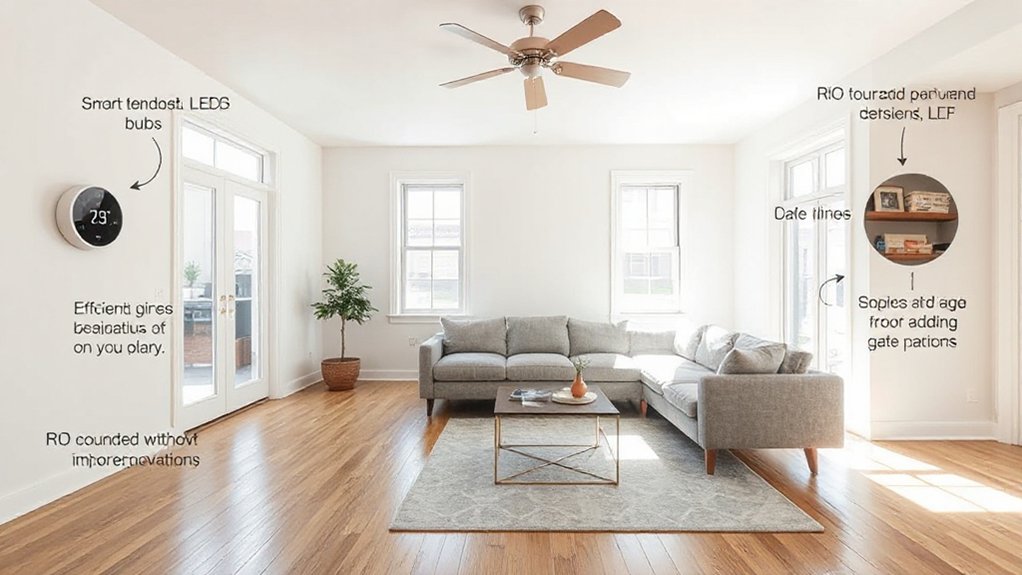
Start with cosmetic refinements that shift perception quickly: fresh paint in neutral tones, hardware swaps, and LED lighting to boost brightness per dollar. Add decorative accents that distinguish the space without overinvesting, such as accent pillows, curated art, or cohesive color palettes.
Landscaping enhancements matter; curb appeal correlates with showings and lease speed, so trim, mulch, and simple plantings earn ROI before tenants even tour.
Measure impact by rent uplift, vacancy reduction, and maintenance deferral, then repeat only when data confirms sustained value.
Price Units to Reduce Vacancies
Pricing units to reduce vacancies hinges on aligning rent with market demand while preserving profitability. You’ll start with a market analysis to identify comparable rents, occupancy trends, and seasonal fluctuations in your area.
Use those benchmarks to set a flexible price range rather than a single figure, then test different points with short-term leases or tiered pricing by unit features.
Consider tenant demographics to tailor value propositions; students may prioritize affordability, while professionals may value amenities and proximity.
Track vacancy duration, week-to-week rent changes, and response rates to pricing experiments.
Avoid overpricing that drives vacancies or underpricing that erodes margins.
Document results, then refine pricing quarterly to reflect changing market conditions and tenant mix, ensuring steady occupancy without sacrificing net operating income.
Implement Targeted, Non-Renovation Improvements
Prioritize upgrades with proven demand: luxury upgrades that enhance perceived quality and justify higher rents, and smart technology that improves convenience and curb appeal. Track metrics like incremental rent, vacancy rate change, and time-to-rent after implementation.
Favor items with low upfront costs and rapid payback, such as premium fixtures, refreshed hardware, and integrated access controls. Avoid overcapitalizing on aesthetic trends that don’t translate to price or retention.
Test hypotheses, measure results, and iterate. Align investments with tenant personas and local market benchmarks to optimize profitability.
Adopt Energy and Efficiency Upgrades to Cut Costs
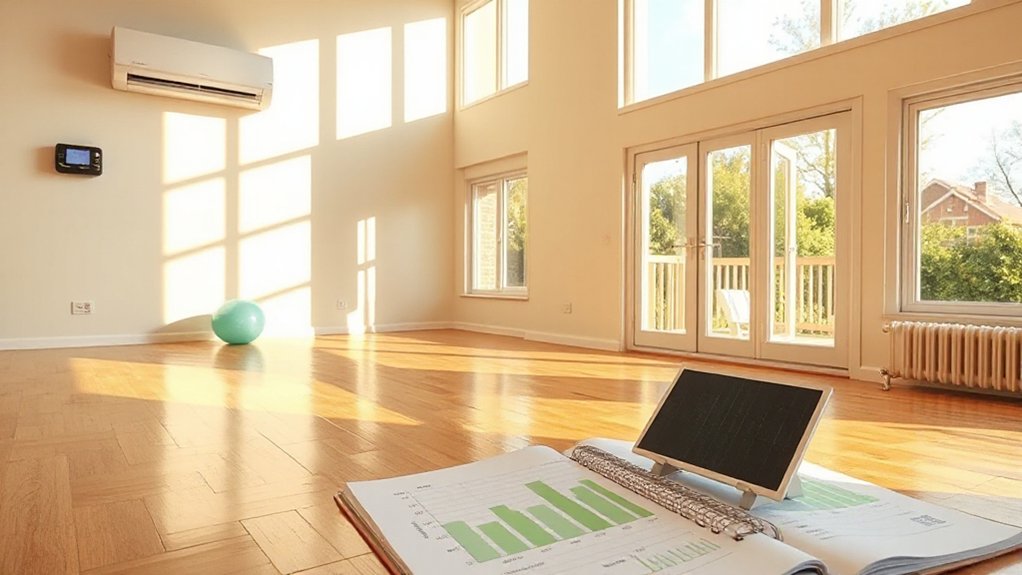
Upgrading to energy-efficient appliances and improving insulation and sealing can considerably cut ongoing costs for your rental.
Data shows even modest upgrades yield measurable reductions in utility bills and tenant churn.
Let’s quantify payback and prioritize fixes that fit your property’s usage patterns and budget.
Energy-Efficient Appliances
By switching to energy-efficient appliances, you can cut monthly utility costs and boost net operating income without major renovations. You’ll see measurable savings from Energy Star-rated refrigerators, dishwashers, and washing machines, which reduce annual consumption by 10–30% compared with standard models.
When selecting appliances, size and usage patterns matter more than nominal features; align capacities with tenancy needs to avoid overprovisioning. Pairing efficient devices with smart controls further lowers bills, as you can program cycles to run during off-peak hours and remotely monitor performance.
Consider long-term ownership costs, including replacement cycles and warranty coverage, to make sure ROI remains favorable.
Integrate Smart thermostats and Solar panels as complementary upgrades to maximize energy savings and resilience. Data-backed choices drive repeatable NOI improvements.
Insulation And Sealing
In practice, seal gaps around doors, windows, electrical penetrations, and plumbing to limit drafts, then add attic and rim-joist insulation to reach recommended R-values for your climate. Expect energy loss reductions of 10–40% depending on existing deficiencies.
Track monthly utility costs and maintenance requests related to temperature swings; improved comfort often lowers tenant turnover. Use continuous air barrier strategies in new drafts and consider moisture control to prevent mold risk.
Pair with smart thermostats to optimize runtime, validating NOI gains through tighter operation costs and longer equipment life.
Improve Tenant Experience to Justify Higher Rents

To justify higher rents, prioritize tenant experience by aligning service improvements with measurable outcomes. You’ll quantify impact via response times, issue resolution, and uptime of key systems, then correlate these with tenant retention and rent-up rates.
Implement a transparent maintenance tracker, target 24-hour first-response windows, and document completion times by category. Use data to drive decisions on amenities and service levels, not guesses.
Streamline communication through a unified portal, enabling real-time status updates and after-service surveys to capture Net Promoter Scores.
Tie improvement initiatives to lease negotiations by presenting historical metrics: reduced vacancy duration, higher renewal probabilities, and incremental per-unit revenue.
Prioritize predictable costs and scalable solutions, ensuring benefits exceed incremental operating expenses while maintaining compliance and safety standards.
Create Curb Appeal and First Impressions That Convert
A strong curb appeal matters as much as in-unit upgrades when you’re aiming to convert inquiries into leases. In data terms, first impressions drive inquiry-to-view ratios and shorten vacancy windows by up to 20%.
Focus on predictable, cost-effective elements: clear walkways, targeted landscaping design that highlights entry points, and consistent maintenance signals reliability. Invest in curb landscaping that improves perceived safety and property value without large budgets.
Use color contrast and seasonal cues to guide arrivals, then optimize online photos to reflect these improvements—people decide within seconds.
Track metrics: inquiry rate, showing rate, and time-to-lease pre- and post-enhancements. Prioritize durable materials, water-efficient options, and accessible paths to maximize ROI while reducing ongoing upkeep.
Plan Data-Driven Maintenance to Protect Cash Flow
Use historical maintenance data, utility trends, and vendor lead times to prioritize tasks that prevent cascading damage. Implement a preventive calendar with trigger thresholds (age, usage, leaks) and assign owners, SLAs, and budget safeguards.
Track metrics like mean time between failures, maintenance-to-revenue ratio, and replacement versus repair costs to refine the plan quarterly. Align maintenance timing with tenant retention goals, reducing vacancy risk during repairs.
Conduct market analysis to compare regional maintenance costs and adjust benchmarks, ensuring predictable cash flow and supporting scalable property performance.
Budget and Finance Low-Cost Improvements
Given tight budgets, prioritize low-cost improvements that deliver measurable ROI, such as sealing leaks, improving insulation, upgrading lighting to LEDs, and revitalizing landscaping to boost curb appeal without major renovations.
Track cost per unit and time to recoup; prioritize fixes with documented energy savings and tenant satisfaction gains. Focus on quick wins that influence occupancy and rent potential without displacing current tenants.
When evaluating options, compare upfront spend to incremental rent increases or reduced vacancy risk.
Consider pursuing minor aesthetic improvements that elevate perceived value more than expenditure, such as fresh paint in neutral tones, improved curb appeal, and cohesive hardware updates.
Balance luxury upgrades with practicality, ensuring each dollar supports ROI. Documentation of results strengthens leverage for future investments and aligns with aesthetic improvements.
Ensure Compliance and Safety for Profitability
You’ll align your rental operations with compliance basics, ensuring every unit meets local requirements and keeps penalties off the books.
Regular inspections and safety standards act as a continuous ROI lever, reducing costly emergencies and tenant turnover.
Compliance Basics For Rentals
Compliance basics for rental properties start with understanding the rules that protect both tenants and owners. You’ll rely on data to forecast compliance costs, timelines, and risk. Track legal requirements, licensing, and inspection schedules to minimize fines and vacancy days.
Use standardized checklists to verify safety, habitability, and fair housing adherence before listing. Regular audits help you compare occupancy, rentability, and maintenance spend, guiding ROI decisions without major renovations.
Documentation is your defense against disputes and penalties. Align policies with local codes, disclosure rules, and warranty protections to sustain profitability. Build transparency with tenants about expectations, responses, and safety measures.
- licensing and permit tracking
- inspection readiness and remediation logs
- disclosure and warranty compliance
- habitability and safety checklists
- documentation and audit cadence
luxury upgrades, aesthetic enhancements
Safety Standards For Profit
Safety standards are the backbone of profitability because compliant operations reduce risk and maintain tenant trust. You should map minimum code requirements to your property category and verify coverage across electrical, plumbing, fire safety, and egress.
Use a data-driven approach: track citation history, defect types, and time-to-remediation to identify cost drivers and prioritize fixes with the highest ROI. Prioritization should favor preventative measures over reactive repairs, lowering long-term expenses and vacancy risk.
When upgrading, choose low-disruption, high-impact changes like aesthetic enhancements that elevate perceived safety and quality without major renovations. Consider luxury upgrades only if the cost aligns with tenant willingness to pay.
Document policies, training, and audit trails to sustain compliance and predictable cash flow. Regularly review standards after regulatory updates to maintain profitability.
Regular Inspections Schedule
Regular inspections create a proactive safety and profitability cycle: they reveal defects before they escalate, enforce code compliance, and protect occupancy rates. You’ll leverage a scheduled cadence to capture actionable data, align with market analysis, and drive tenant engagement through transparency and responsiveness.
A disciplined routine reduces emergency repairs, lowers insurance costs, and sustains rentability across cycles. Track findings, assign owners, and verify remediation within set timelines to demonstrate reliability to prospective tenants.
- Establish seasonal and annual inspection intervals aligned with local codes
- Document defects with photos, dates, and remediation owners
- Tie fixes to budget impact and occupancy projections
- Communicate results to tenants to boost engagement
- Review metrics quarterly to refine the schedule and pricing strategy
Measure ROI and Track Progress Over Time
To measure ROI and track progress over time, start by defining clear metrics, such as net operating income (NOI), cash-on-cash return, cap rate, and occupancy.
Track these quarterly to reveal trends and seasonality, then benchmark against local market data via a concise market analysis.
Use consistent inputs: rent, operating expenses, vacancy, and capex assumptions, and document deviations with explanations.
Convert results into actionable insights—identify which levers move NOI fastest, such as rent optimization or expense containment.
Monitor tenant retention as a leading indicator of stability and revenue continuity, reducing vacancy risk.
Align ongoing performance with goals, updating targets when market conditions shift.
Report findings succinctly to stakeholders, ensuring decisions remain data-driven and tightly focused on measurable progress over time.
Avoid Common Missteps on a Tight Renovation Budget
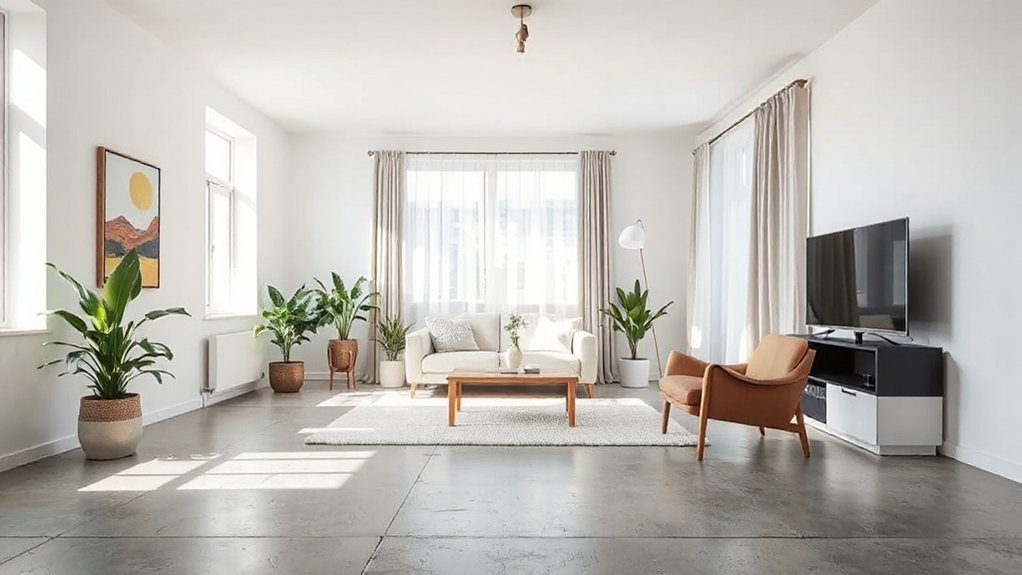
When you’re tightening a renovation budget, focusing on high-ROI updates and disciplined cost control helps protect NOI while still boosting appeal. You’ll avoid missteps by grounding decisions in data, not guesswork, and by tracking outcomes against a market analysis baseline.
Prioritize updates that tenants notice and are willing to pay for, then validate with cost-per-result. Don’t overspecify fixtures or overrun timelines, which erode margins. Engage tenants early to align goals with actual needs and preferences.
Rely on clear scoping, competitive bids, and phased spending to preserve flexibility. Use measurable milestones to prevent scope creep and flag value gaps quickly.
Monitor vacancy risk, rent comparables, and maintenance costs to maintain a favorable ROI trajectory.
- Market analysis alignment
- Tenant engagement feedback
- Clear scope and bids
- Phased spending approach
- Metrics-driven milestones
Launch a Practical 90-Day ROI Uplift Action Plan
A practical 90-day ROI uplift plan starts with a tight, data-driven sprint: define the target lift, map the levers with the highest expected impact, and set measurable milestones aligned to market signals.
You identify core inputs: occupancy changes, unit mix optimization, and operating efficiency. Prioritize actions with rapid payback, then quantify expected dollar gains per lever.
Interior design and landscaping enhancements are chosen for high visual appeal and turnover speed, not cosmetic fluff.
Develop a weekly cadence: track occupancy, inquiries, and conversion rates; monitor marketing spend efficiency; test price adjustments and amenity improvements.
Implement concurrent mini-projects to avoid bottlenecks, document lessons, and recalibrate forecasts every two weeks.
End with a concise ROI forecast, risk-adjusted, and a concrete 90-day rollout plan.
Frequently Asked Questions
How Long Does ROI Typically Take to Improve Without Renovations?
ROI typically improves within 3–12 months without renovations, depending on market trends and tenant satisfaction. You’ll observe steadier occupancy, timely rent collection, and refined pricing strategies, driven by data, analytics, and ongoing monitoring of market trends and tenant satisfaction.
What Quick Wins Boost Occupancy Without Spending Much?
You snag quick occupancy wins by tightening marketing strategies and boosting tenant retention. You’ll see steadier occupancy as you deploy targeted ads, flexible showings, and response time improvements, measuring KPI shifts and tracking lease-uptake with precise analytics.
Which Metrics Best Track Non-Renovation ROI Changes?
You should track occupancy, churn rate, rent per unit, and operating expenses, as they reflect non-renovation ROI changes. Market trends and tenant satisfaction impact demand, pricing power, and retention, guiding data-driven adjustments without major renovations.
Can Small Upgrades Justify Higher Rents Immediately?
Yes, small upgrades can justify higher rents. You’ll see improved landscaping enhancements and exterior curb appeal translate into measurable demand, occupancy, and rent premiums, supported by data showing quicker leasing and higher-perceived value from prospective tenants.
How to Prioritize Non-Renovation Improvements for ROI?
Prioritize non-renovation improvements by boosting property management efficiency and tenant retention. Focus on cost-effective, data-driven tweaks—communication, responsiveness, preventive maintenance, and clear policies—to reduce turnover, stabilize occupancy, and maximize net operating income.
Conclusion
You stand at the pier, watching a small boat—the rental cash flow—float on a calm, data-driven tide. Each upgrade is a oar stroke; every price tweak a buoy, guiding vacancies ashore. Non-renovation fixes are nets catching efficiency, safety, and satisfaction. Track ROI like sextants and dashboards, adjust course when metrics dip. With discipline, you’ll sail past limits toward steadier occupancy and higher rents, turning a modest property into a reliable, profitable voyage.