
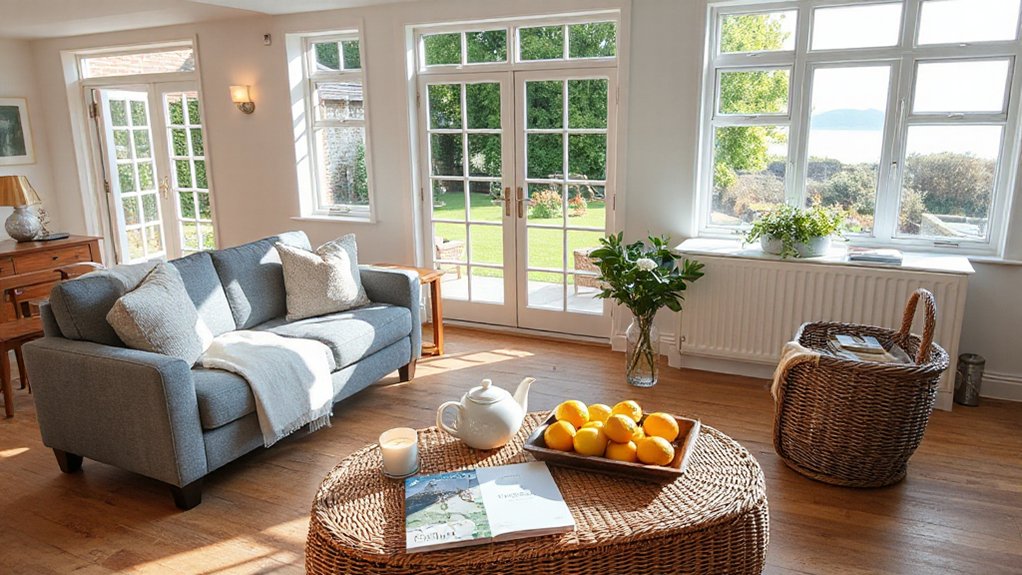
Start by defining clear goals, constraints, and operational standards, including caps on investment and monthly burn, plus non-negotiables like location boundaries and pet policies. Pick a high-demand location, forecast seasonal shifts, and analyze occupancy, average rates, and length of stay. Choose a durable property type with a practical layout, then present it with high-quality photos and precise floorplans. Streamline onboarding, cleaning, and guest communication, and build a data-driven revenue model. Ready to scale and protect profitability as you grow.
Define Your Holiday Let Goals and Constraints

Establish a cap on upfront investment and an acceptable monthly burn rate, then map these to a break-even horizon. Decide non-negotiables—location boundaries, pet policies, and cancellation terms—that protect your sanity and cash flow.
Translate goals into concrete metrics: average daily rate, occupancy percentage, guest rating, and response times. For decor inspiration, align style with durability and ease of cleaning to reduce ongoing costs.
Consider holiday etiquette expectations you’ll uphold, ensuring consistent guest experience across peak periods and off-season shifts. This clarity guides every operational choice.
Choose a High-Demand Location for Your Guests
You’ll want to pick a location with strong demand signals, starting with clear location demand indicators like occupancy rates and search interest.
Consider how seasonal guest trends shift your peak times and pricing, so you can plan downtime and high-season strategy.
Also, prioritize easy access and reliable transport links to boost bookings and guest satisfaction.
Location Demand Indicators
Is demand for a holiday let primarily driven by location, season, or local amenities? You’ll gauge this by the data that signals enduring appeal. Look at occupancy history, average nightly rate, and length of stay across neighborhoods.
High-demand areas show tighter vacancy, higher ADR, and repeat bookings, even outside peak weeks. Track proximity to local attractions, accessibility, and safety metrics, then compare against similar properties to identify a true advantage.
Seasonal fluctuations reveal when demand spikes, helping you set dynamic pricing and promotional windows.
Consider guest reviews mentioning convenience, visibility on booking platforms, and consistent cleanliness scores as indicators of sustained interest.
Use these indicators to select a base location with resilient appeal, not just one-off buzz.
Seasonal Guest Trends
By analyzing historical occupancy data, you can forecast windows of luxury pricing and tighter inventory. Holiday booking patterns show guests extend stays around favorable weather, festival calendars, and seasonal attractions, increasing length of stay and lower turnover costs.
To capitalize, align marketing campaigns and price tiers with these cycles, offering targeted packages during shoulder seasons to sustain occupancy. In the right market, even modest shifts in revenue management yield material gains, validating your choice of a high-demand location.
Access and Transport Links
You should assess accessibility improvements planned by councils and how they’ll shorten travel times from popular markets. Highlight how transport infrastructure supports peak-season demand, reducing congestion and easing check-in logistics.
Emphasize walkability to stations, ride-hailing access, and on-site parking if feasible. Present a concise transport scorecard for guests: travel time, reliability, and alternative routes.
This clarity helps justify your pricing, marketing, and scheduling strategy, driving steady demand and favorable reviews.
Navigate Local Regulations, Permits, and Taxes
Understanding local regulations, permits, and taxes is essential to avoid fines and delays, and it starts with a clear map of what applies where you list. You’ll identify required licenses, safety codes, and occupancy limits for your area, then map them to your property type.
Local zoning guides where short-term lets are allowed, restricted, or prohibited, so you can avoid noncompliance before you list.
Review tax regulations early—including short-term rental income, local tourism taxes, and transient occupancy taxes—to estimate your bottom line and file on time.
Align permits with your plans, securing inspections and certifications to prevent last‑minute holds.
Stay current with regulatory changes, and build a simple compliance checklist to sustain long‑term profitability.
Select Property Type and Layout for Comfort

Choosing the right property type and layout sets the foundation for guest comfort and strong reviews. You should match space to typical guest needs: bedrooms at least two for families, a functional living area, and a practical kitchen.
Consider square footage and flow—clear paths between entrance, living room, and bathroom reduce friction. Prioritize scalable layouts that adapt to groups, such as convertible sofa beds or flexible dining spaces.
Furniture placement matters: keep traffic areas open, use multifunctional pieces, and guarantee ample storage for guests’ belongings.
Assess decor style for cohesion and market fit; a unified palette boosts perceived value and consistency. Analyze comparable properties to validate choices, then finalize a layout that minimizes crossings, maximizes comfort, and supports positive reviews.
Design a Guest-Centric, Low-Stress Space
To design a guest-centric, low-stress space, start by prioritizing simplicity and flow: create clearly defined zones for lounging, dining, cooking, and sleeping, with logical paths that minimize door crossings and furniture tangles.
You’ll maximize guest comfort by selecting multipurpose furniture, pairing soft textures with durable surfaces, and using neutral tones accented by a few cohesive, high-quality pieces.
Prioritize intuitive layouts: place a welcoming, uncluttered entry, a seating cluster oriented for conversation, and a bed positioned for privacy and light control.
Guarantee ample storage and clear lighting layers to reduce stress.
Track success with guest feedback and occupancy data, adjusting layouts to boost aesthetic appeal while maintaining practicality and ease of use.
A streamlined space drives guest comfort and improves returns.
Plan Essential Amenities and Practical Totals
Then prioritize items that deliver the most value per square foot. You’ll balance upfront costs with ongoing upkeep, choosing durable, easy‑care goods and modular furniture.
Track essentials versus nice‑to‑haves, and size inventories to match typical occupancy plus a small buffer.
Include Holiday decor that elevates ambiance without clutter, and establish clear Guest communication protocols so inquiries convert quickly and expectations stay aligned.
Document maintenance cadences, replacement cycles, and energy‑efficiency upgrades to optimize totals over time.
Present guests with a concise amenities list, policies, and local tips to boost satisfaction and repeat bookings.
Price Smart With Seasonal and Weekend Calendars

Seasonal and weekend calendars are your leverage for maximizing occupancy and revenue without wasting days. You tailor Seasonal pricing to demand, shifting rates ahead of peak periods and lowering them when bookings thin. Tie price changes to observable patterns—holidays, school terms, local events—and you’ll reduce gaps and secure steady weekend occupancy.
Use a simple rule: price higher for Friday–Sunday stays in high-demand weeks, lower during midweek lulls, then revert as events fade. Transparently communicate minimum stays during busy windows to protect lengthier bookings.
Monitor competitor prices weekly and adjust with incremental steps, not radical swings. Track performance by vacancy days and average daily rate, then refine your calendar quarterly.
Your disciplined approach converts seasonal variation into predictable, sustainable revenue growth.
Create a Standout Listing That Converts
High-quality photos grab attention and set expectations, so invest in bright, well-framed images that showcase each space and amenity.
Pair those visuals with a precise, benefit-focused property description that highlights unique features, location perks, and recent upgrades to boost perceived value.
Together, they build trust and drive more bookings by giving guests a fast, compelling reason to choose your listing.
High-Quality Photos Matter
Even a great property can fall flat online if your photos don’t capture its best angles. High-quality photos boost click-throughs and bookings, with properties showing professional or well-lit shots earning 2–3x more inquiries on average.
Start with wide, well-composed exteriors to set expectations, then reveal every key space: living areas, bedrooms, kitchen, bath, and outdoor spaces. Use natural light, neutral staging, and minimal clutter to convey space and flow.
Include detail shots that communicate comfort and uniqueness, like textures, linens, and amenities. Caption thoughtfully to emphasize value, accessibility, and local experiences—think Artistic photography that elevates mood and Local cuisine proximity, without over-promising.
Finally, optimize for fast load times and mobile viewing to keep potential guests engaged.
Compelling Property Description
Craft a compelling property description that converts by leading with the value you deliver: a comfortable, well-equipped space that saves guests time and money while making their stay effortless. You’ll frame your listing around practical benefits, not vague hype, so guests immediately see how staying here fits their plans. Highlight core features, proximity to the local market, transit options, and standout amenities with concrete data—bed size, Wi‑Fi speed, parking details, and cleanliness standards. Use numbers to quantify value, like length of stay coupons or included supplies, and mention recent renovations or energy efficiency to boost perceived value. Tie features to guests’ priorities, addressing common questions upfront. Include a clear call to action, and reference property valuation trends to reassure hosts of long‑term appeal and demand.
Optimize Photos, Descriptions, and Floorplans
To stand out in listings, you should optimize photos, descriptions, and floorplans by aligning visuals with what guests value and how they search. You’ll use photo enhancement to showcase space, light, and flow, and description optimization to answer common questions quickly. Clear captions boost accessibility, and floorplans help guests gauge layout at a glance.
1) Improve primary hero images first, then support photos that verify features and amenities.
2) Craft concise, benefit-driven descriptions anchored to guest priorities and searchable terms.
3) Include accurate floorplans with measurements and labeled zones to reduce inquiry time.
Data shows listings with high-quality visuals and precise descriptions convert more bookings. Focus on consistency, test variations, and update after renovations or seasonal changes.
Set Clear Booking Policies and House Rules
Make policies simple, visible, and enforceable to minimize disputes and improve reviews. Incorporate a clear grace period for late arrivals and procedures for changes, refunds, or penalties, with examples so guests know exactly what to expect.
Use explicit rules on pet care, smoking, and shared spaces, and outline consequences for violations.
Integrate Guest communication strategies to reinforce rules before arrival and during stay, and create a branded welcome note that reflects your Property branding.
Consistent messaging reduces friction, boosts trust, and drives higher occupancy.
Streamline Onboarding and Check-In
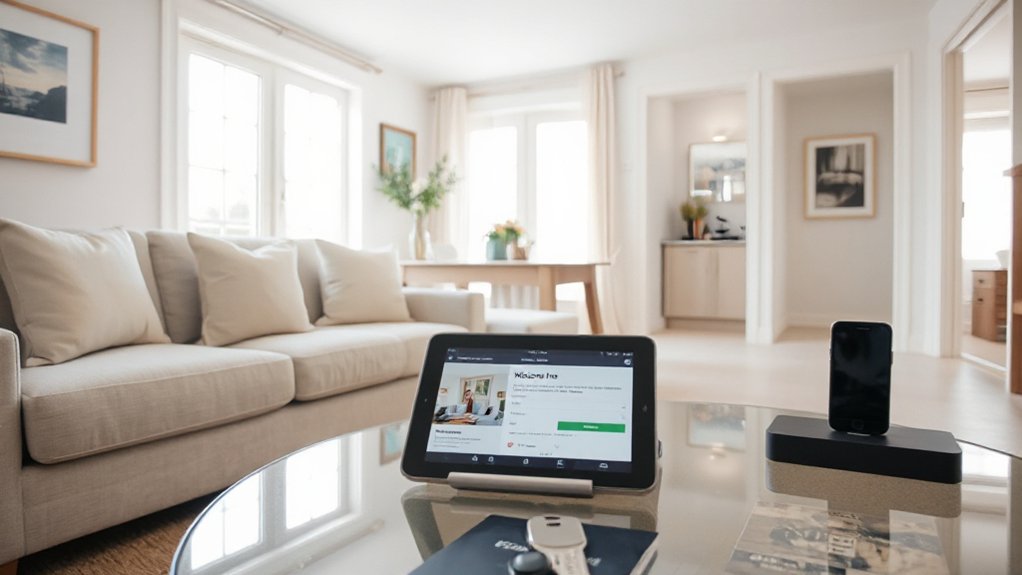
- Automate pre-arrival communications with a concise, personalized welcome and exact check-in instructions.
- Implement contactless check-in with a secure, time-limited code and verified guest identity.
- centralize guest support via a single channel for rapid issue resolution.
Deliver Memorable Guest Experiences That Drive Reviews
You can elevate stays by curating memorable guest experiences that consistently earn positive reviews. Focus on small, measurable touches—clear communication, a spotless space, and thoughtful extras—that data shows correlate with higher rating scores.
Memorable Guest Experiences
To deliver memorable guest experiences that drive reviews, start by anticipating needs before arrival and exceeding them during stay. Small touches—personalized welcome notes, a curated local guide, and spotless cleanliness—signal you care and set a positive tone.
You’ll influence guest perception through deliberate guest communication and timely, practical touches, turning stays into reliable, repeatable wins. Data shows consistent extras correlate with higher review scores and return rates, so design routines around anticipation rather than reaction.
Leverage online marketing to showcase these experiences with authentic visuals and concise benefits.
- Personal welcome package with local recommendations
- Pre-arrival checklists and responsive messaging timelines
- Post-stay follow-up asking for feedback and sharing future availability
Drive Positive Reviews
How can you drive positive reviews by delivering memorable guest experiences? You do this by shaping expectations, executing consistently, and measuring impact.
Start with a precise welcome: a clean space, clear instructions, and a quick set of tips for local tips and safety.
Then, deliver standout value through targeted touches that guests notice and mention in reviews. Personalize communications, anticipate needs, and fix issues within hours, not days.
Track key metrics like response time, repeat bookings, and net promoter score to refine your approach.
Use vacation packages that bundle value adds—late checkout, welcome treats, or guided local experiences—to boost perceived value.
Highlight local attractions in your guide and on your listing.
Positive reviews follow when convenience, clarity, and care meet expectations.
Manage Cleaning, Maintenance, and Turnover Efficiently
Efficient cleaning, maintenance, and turnover are the backbone of reliable occupancy and strong reviews, so standardize every step with clear checklists and accountable timelines. You’ll reduce delays, cut errors, and protect your rating by making recurring tasks predictable and visible. Use data-backed intervals for each item and track adherence weekly to spot bottlenecks before guests arrive.
Cleaning schedules and maintenance checklists should mirror property needs, seasonality, and guest expectations, ensuring consistent quality across turnovers.
- Implement standardized cleaning schedules and maintenance checklists, with pre- and post-stay verification, owner sign-off, and digital records.
- Assign accountable timelines and owners for each task, plus automated reminders and escalation paths for missed deadlines.
- Review performance metrics monthly (turnaround time, defect rate, guest feedback) to continuously tighten operations.
Build a Practical Revenue and Cash-Flow Model
A practical revenue and cash-flow model starts by translating occupancy forecasts into concrete income and outlay scenarios, so you can see how changes in rates, occupancy, and costs flow through your bottom line.
You’ll map daily rates, seasonal demand, and length of stay to monthly cash flow, then layer fixed expenses, variable costs, and capex.
Build scenarios for best, typical, and worst cases, stressing sensitivity to occupancy shifts and rate adjustments.
Use clear metrics: occupancy%, ADR, RevPAR, gross and net cash flow, and break-even occupancy.
Tie in Holiday marketing and Guest communication as levers that affect demand and cancellation risk, documenting assumptions and timelines.
Present results visually with dashboards, so you spot overruns early and steer pricing decisions decisively.
Protect Your Investment With Risk Mitigation

You’ll start by spotting common risks up front, then quantify their potential impact to prioritize mitigation.
By combining risk identification basics with solid insurance and compliance checks, you’ll protect margins and reduce the chance of costly surprises.
This data-driven approach keeps your holiday let resilient and compliant, so you can forecast with confidence and throttle risk where it hurts least.
Risk Identification Basics
Risk identification is the first step to protecting your holiday let investment: by mapping potential hazards—from guest injuries to property damage and regulatory violations—you can prioritize controls and prevent losses before they occur.
You’ll gain clarity on where to invest safety resources, track trends, and benchmark performance over time. Focus on actionable data to reduce disruption, preserve guest satisfaction, and defend your bottom line.
Fire safety and environmental impact deserve early attention, guiding design, maintenance, and operations decisions that minimize risk and improve resilience.
1) Prioritize hazards by likelihood and severity, creating a live risk register that’s reviewed quarterly.
2) Map controls to each risk—training, alarms, inspections, and clear procedures—with owners assigned.
3) Test response plans through drills and simple simulations to validate readiness.
Insurance And Compliance
You’ll tailor liability coverage to your property’s specifics, ensuring protection against guest injuries, property damage, and third-party claims. Compare deductibles, exclusions, and claim handling times to minimize disruption.
Legal compliance isn’t optional; it’s a part of daily operations—from licensing and safety inspections to fire codes and data privacy. Documented risk controls, safety signage, and verified guest screening sharpen your defense and insurance posture.
Regular reviews with carriers keep coverage aligned with occupancy growth and renovations. Track premium trends, adjust limits before peak season, and maintain incident logs for faster claims.
Proactive, data-driven steps defend revenue and reputation.
Scale From First Season to Long-Term Success
To scale from your first season to lasting success, start with a clear, data-driven plan: identify which listings performed best, which amenities drove bookings, and which channels yielded the strongest return on effort. Track occupancy, nightly rate, and guest sentiment to spot patterns you can repeat.
Then, invest in proven levers: optimize listings with high-converting photos, guarantee Holiday decor aligns with guest expectations, and highlight local attractions to boost relevance.
Use a quarterly review to reallocate budget toward top performers and prune underperformers. Measure results after changes to validate impact before scaling.
- Analyze top-performing listings and replicate their setup
- Prioritize amenities and Holiday decor that lift bookings
- Expand channels with proven ROI tied to local attractions
Frequently Asked Questions
How Much Upfront Capital Is Needed to Start?
You’ll typically need £20,000–£50,000 upfront, depending on location and scale. Consider pricing strategies and initial refurbishment. Plan cash flow for 6–12 months, plus property management fees, utilities, and marketing, ensuring a cushion for vacancies and seasonal dips.
Which Insurance Covers Holiday Lets Best?
Yes—compare landlord-tenant, travel, and indemnity policies; cyber cover isn’t essential unless you’re data-heavy. You’ll want all-encompassing property management and guest communication insurance, tailored for holiday lets, with clear liability limits and responsive claims handling.
How to Handle Guest Cancellations Effectively?
Implement proactive guest communication and clear cancellation policies to minimize disruption; respond within 24 hours, offer flexible rebooking, and document all messages. Analyzing data shows cancellations drop 20–30% when policies are transparent and communication is prompt.
What Apps Simplify Turnover and Cleaning?
Yes—use apps like TIDY, iGMS, and Hospitable to simplify turnover. You’ll manage Cleaning schedules, automate checklists, and sync App integrations with calendars, preventing overlaps. It’s data-driven, persuasive, and keeps your occupancy stats consistently high. You’ve got this.
How to Forecast Cash Flow for the First Year?
You’ll forecast your first-year cash flow by predicting occupancy, nightly rates, and turnover costs, then stress-test scenarios. Track guest communication and property maintenance costs weekly, adjusting assumptions as data arrives to protect margins and maximize booked nights.
Conclusion
You’ve got a solid blueprint to launch a thriving holiday let. Start with clear goals, shipshape compliance, and a guest-first space that earns rave reviews. Track cash flow and occupancy so you can prove profitability fast. Objection? You might worry about upfront costs. Reframe: smart, staged investments grow value, not debt—and scalable improvements boost occupancy and rates over time. Stay disciplined with turnover, maintenance, and pricing data, and you’ll turn first-season momentum into long-term success.