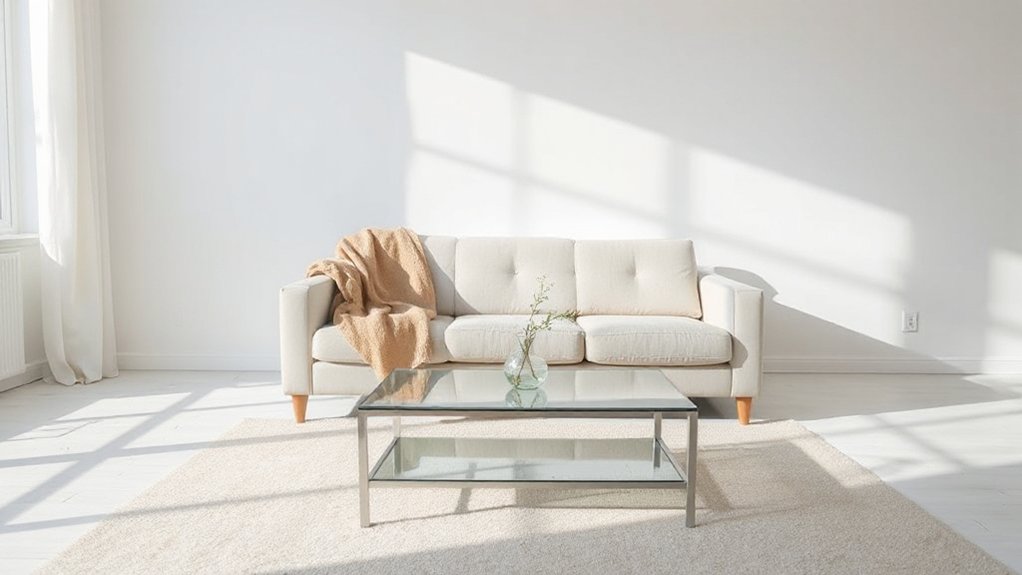
To declutter and depersonalize for viewings, start with a quick visual audit of each room—note clutter, lighting gaps, and flow blockers. Declutter by zone: purge, tidy, and depersonalize each area, using a neutral palette with three calm shades, varied textures, and soft lighting. Use smart storage, hide personal items, and keep surfaces clear. Focus on high-traffic hotspots like entryways and kitchens, and create a consistent, welcoming backdrop that helps buyers visualize living there. You’ll uncover more actionable steps as you continue.
What Decluttering for Viewings Really Delivers
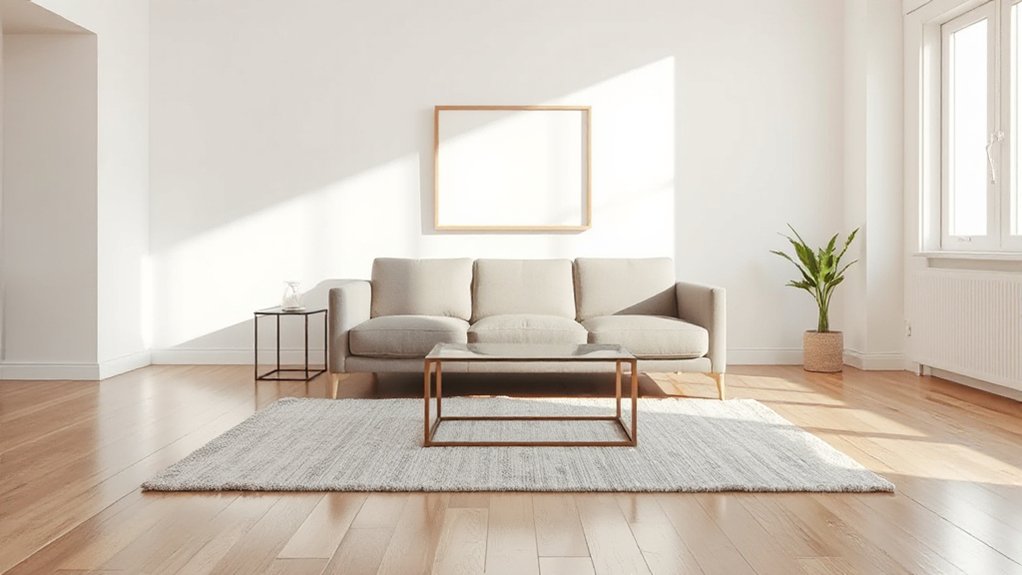
Decluttering for viewings sharpens a home’s appeal by creating space, inviting sunlight, and letting buyers focus on structure rather than chaos. When you declutter, you deliver a perception of larger rooms, better flow, and easier maintenance, which translates to tangible value during offers.
You also curb distractions, allowing buyers to imagine living there rather than orchestrating belongings. The result is stronger first impressions and faster decision-making, reducing market time.
Implement practical storage solutions to keep essentials accessible yet unobtrusive, reinforcing a clean, orderly ambiance. Maintain emotional detachment in staging choices, selecting neutral tones and minimal decor that appeal to broad tastes.
Start With a Visual Audit of Each Room
Begin with a room-by-room visual audit to spot clutter, lighting gaps, and flow blockers. You’ll perform a concise visual assessment of each space, noting where surfaces beg for decluttering and where lighting feels dim or harsh.
Focus on how traffic moves: do doors open fully, can you pass through without brushing a wall, is furniture arranged to invite conversation and sightlines?
Build a clutter overview quickly: count visible personal items, stacks, and accessories that distract. Identify wall space that feels crowded or underutilized, and note any asymmetries that disrupt balance.
Document issues clearly, then decide immediate tweaks: store excess, adjust lighting, and simplify decor. This visual audit establishes a practical baseline for targeted improvements and keeps the decluttering focused and actionable.
Plan Decluttering by Zone, Not by Room Alone
Plan your decluttering by zones, not by rooms. Identify zones that flow together (e.g., entry, living, work) and map focused steps for each, like purge, tidy, and depersonalize.
This approach keeps you efficient, prevents cross-over clutter, and sharpens your viewing-ready focus.
Plan By Zone
If you want a smoother, faster declutter, map your space by zones instead of rooms alone. Plan by zone to align clutter goals with function, traffic, and viewing priorities. Define zones such as entry, living, dining, work, and quiet retreat, then audit each for purpose, surface depth, and visual noise.
Apply color psychology insights to zone palettes—soft neutrals in calming spaces, restrained accents where focus matters. Use Feng shui principles to balance energy: clear pathways, minimize mirrors facing beds, and keep dominant zones clutter-free.
Tackle one zone at a time, setting a clear boundary for what stays, what goes, and what relocates to storage. Document outcomes, reseat furniture, and photograph progress to inform subsequent decluttering steps.
Maintain consistency across zones to project order and spaciousness.
Focused Decluttering Steps
Now, tackle decluttering by zone, not by room alone. Focus on a single area first—entry, living, or kitchen—and complete it before moving on.
Map each zone, listing what’s essential, what isn’t, and what can relocate. As you work, identify clutter triggers: items you rarely use, duplicates, or sentimental pieces you can store elsewhere.
Use targeted storage solutions that keep surfaces clear and access easy: clear bins, labeled boxes, wall-mounted organizers, and under-seat hampers. Prioritize visible storage that enhances buyers’ perception of space.
Apply a ruthless “one in, one out” rule to maintain momentum. Clear pathways matter; rearrange furniture to improve flow.
Reassess after decluttering: if it doesn’t serve the zone, remove it.
Create a Neutral Palette That Still Feels Welcoming
A neutral palette starts with base tones that feel clean and cohesive.
Add warm accent touches to keep spaces inviting without tipping into personal.
Aim for a light, airy balance that preserves clarity while subtly guiding the eye.
Neutral Base Tones
- Use consistency across walls and flooring to reduce visual noise
- Choose three neutral shades and vary texture rather than color
- Align furniture to create intuitive paths and focal points
- Keep large pieces in cool neutrals to enlarge rooms
- Introduce subtle warmth with textiles and wood tones
Warm Accent Touches
To keep a neutral palette welcoming, introduce warm accents that soften cool neutrals without adding color noise. You’ll shape the room with subtle, cohesive elements that feel intentional, not cluttered.
Choose textiles and surfaces in creamy whites, taupes, and soft beiges, then layer with warm undertones found in wood, brass, or brushed metals. Place cozy accents—think knit throw blankets, wool cushions, and textured rugs—in small, complementary doses to avoid overpowering the space.
Keep patterns minimal and repeating, so the eye travels smoothly. Integrate lighting that casts a gentle glow; choose lampshades and bulbs that lean warm rather than harsh.
Install welcoming touches like scented candles or a simple centerpiece to convey homey comfort without personal detail. Prioritize balance, cohesion, and restraint.
Light and Airy Balance
Light and airiness define a welcoming neutral palette. You balance space, texture, and light to create a calm, inviting backdrop that helps buyers picture themselves living there.
Prioritize natural light: diffuse it softly with light curtains and minimal window clutter.
Choose a cohesive palette of warm beiges, cool grays, and off-whites to maintain space harmony.
Avoid heavy patterns; opt for subtle textures to add depth without visual noise.
Keep surfaces clean and reflective to maximize light bounce.
Introduce greenery and strategically placed mirrors to enhance brightness.
Guarantee furniture spacing preserves openness and flow, preventing crowding.
Your goal is a serene, adaptable setting that feels expansive.
- Emphasize natural light with sheer layers
- Use a cohesive, neutral color base
- Incorporate light textures for depth
- Arrange unobtrusive, spacious furniture
- Add greenery and mirrors to amplify brightness
Pack Personal Items Without Losing Memories
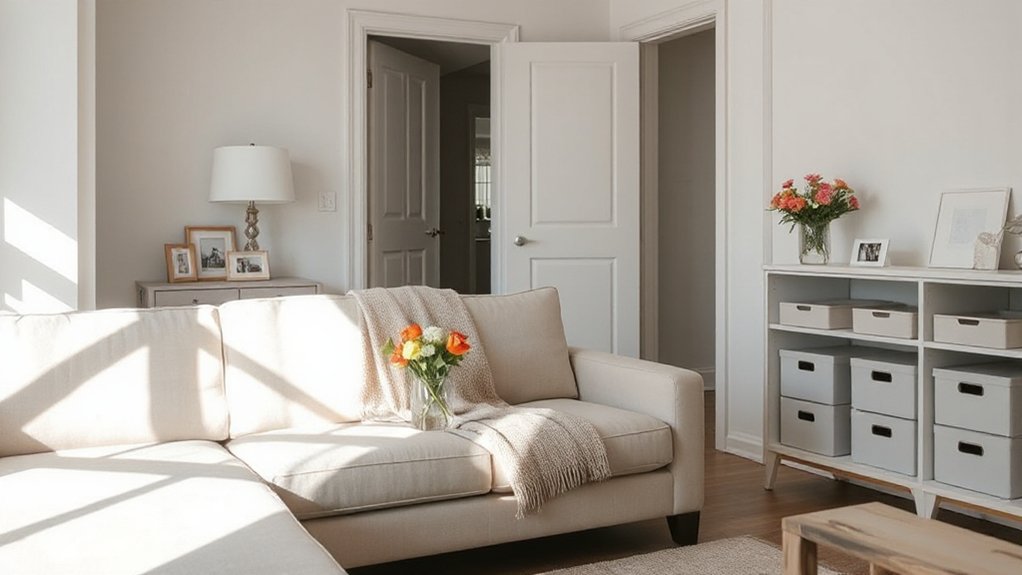
If you want to preserve memories while packing, start by selecting a few truly meaningful items and setting them aside in a dedicated keepsake box. You’ll pack the rest with purpose, grouping items by category (photos, trophies, letters) to simplify retrieval later.
Use protective materials: acid-free sleeves for paper, bubble wrap for fragile objects, and labeled containers to prevent search-time waste.
Digital backups matter: scan photos and documents, then store copies in a secure cloud folder labeled for easy access.
For sentimental storage, create a rotating display with a small, curated selection that stays visible during the move, and retire items you no longer need to avoid clutter.
Maintain memory preservation by documenting each item’s significance in a concise inventory.
Clear Surfaces to Let Your Home Shine
Clear surfaces create an immediate sense of space and calm.
Focus on minimal decor for a big visual impact, then let natural light do the rest.
Keep to essentials to maximize light and distance the clutter.
Clear Surfaces, Big Impact
Decluttering surfaces instantly makes a room feel larger and more inviting; when you clear them, the eye travels smoothly and the space reads as tidy. You’ll notice immediate impact as surfaces become calm focal points, guiding attention to architecture and light rather than clutter.
Prioritize surface organization, removing nonessential items and storing them out of sight. Address clutter hotspots—entry consoles, kitchen counters, coffee tables—so every surface serves a purpose.
Keep decorative pieces minimal and purposeful, rotating seasonally to maintain freshness without overloading. By maintaining clear surfaces, you create a flexible backdrop for viewings, allowing buyers to imagine their own belongings fitting neatly.
A spotless canvas elevates photos and tours, reinforcing a sense of space and order.
- Define surface priorities with purpose
- Regularly clear high-traffic zones
- Use stylish storage for essentials
- Audit decor critically
- Reserve weekend refresh rituals
Minimal Decor, Maximum Light
Minimal decor lets natural light take center stage, so prune surfaces to a few purposeful pieces and open up sightlines. You want rooms to feel airy, not crowded, so keep only essential decorative elements.
Choose decorative accessories that enhance brightness—reflective metals, glass, or pale textiles—to amplify light without adding clutter. Limit bold patterns; opt for solid neutrals with occasional texture to maintain cohesion.
Position statement art thoughtfully: large pieces anchor walls, while smaller works provide curated focal points without overwhelming. Clear surfaces invite the eye to travel, making spaces feel larger and more inviting for viewings.
Maintain balance by pairing any decorative accessory with ample negative space. In every room, ask if an item serves function, mood, or light, and remove the rest.
Manage Visible Clutter With Smart Storage Solutions
Smart storage solutions keep your space looking spacious and inviting during viewings; by choosing multifunctional pieces and smartly concealing items, you can dramatically reduce visible clutter without sacrificing function.
You’ll manage Hidden clutter by prioritizing closed storage, under-bench drawers, and wall-mounted cabinets that blend with decor. Use vertical space for rarely used items, keeping surfaces clear.
Opt for furniture with built-in storage to minimize trips to boxes. Consistency matters: select uniform baskets and lids to hide disorder, and label containers for quick decluttering.
Focus on daily maintenance: return items after use, rotate decor, and review storage weekly. Storage hacks empower you to present a calm, organized home that feels larger and more inviting.
- Conceal with labeled baskets
- Use multi-purpose furniture
- Vertical storage wins
- Uniform containers help
- Routine declutter checks
Let There Be Light: Brighten Rooms Without Overdoing It
Let natural light lead the way and keep windows unobstructed to brighten rooms without pushing glare.
Pair soft, strategic artificial lighting with daylight to maintain balance and mood.
Use light colors and reflective surfaces to multiply brightness without overwhelming the space.
Brighten With Natural Light
Natural light makes spaces feel larger and more inviting, so start by maximizing what’s already there rather than adding fixtures. You’ll harness natural illumination by clearing obstructions, trimming curtains, and scheduling viewings during peak daylight.
Open layouts and reflective surfaces amplify the glow, so keep colors light and neutrals cohesive to reinforce brightness. You don’t rely on artificial glare; you optimize the sun’s path.
- Clear window sills and trim any overgrown greenery
- Use sheer, breathable curtains to soften without blocking light
- Reposition furniture to funnel daylight toward key areas
- Install mirrors opposite windows to bounce sunlight enhancement
- Declutter surfaces to prevent shadows and promote airiness
Natural illumination elevates appeal without clutter or cluttered aesthetics.
Soft, Strategic Lighting
Use a mix of floor, table, and wall lamps at varying heights to cast soft pools of light across boundaries, avoiding harsh glare. Dimmer switches matter; set scenes for different times of day and viewings.
Choose bulbs labeled warm or soft white to maintain a cohesive feel. Aim for an ambient glow that smooths contrasts and hides minor clutter, while preserving practical visibility.
This subtle approach supports mood enhancement without drawing attention to imperfections. Prioritize consistency in color temperature and finish to reinforce calm, buyer-friendly spaces.
Refresh Textiles and Odors for Lasting Freshness
To keep your home smelling fresh and looking inviting for viewings, refresh textiles and odors by tackling fabrics and surfaces that accumulate scents. You’ll perform a focused reset: cleanse fabrics, banish lingering smells, and maintain a neutral ambiance that appeals to buyers.
Use a fabric refresher sparingly and launder washable textiles on hot cycles when possible. Ventilate rooms before showings and deploy a light, universal fragrance in excess only if subtle. Consistency matters; repeat weekly during the listing period to sustain Textile refresh and Odor elimination.
- Focused fabric care: pillows, throws, curtains
- Deep clean upholstery and carpets
- Refresh with mild, neutral scents
- Empty bins, clean trash areas, remove odors at source
- Schedule short, regular airing between viewings
Stage the Kitchen, Living Room, and Bathrooms for Impact
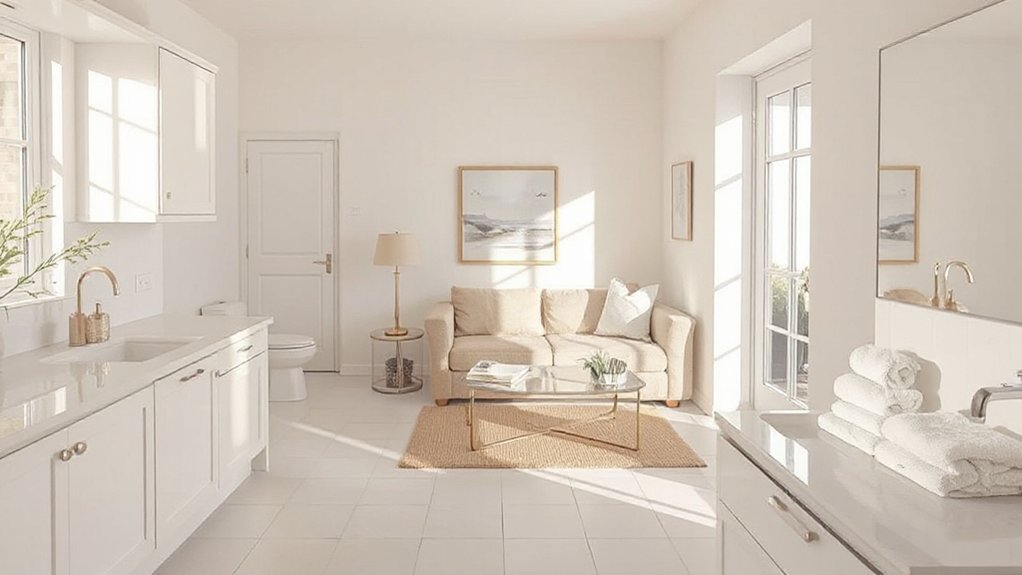
Prioritize seamless color coordination across rooms—choose a restrained palette and repeat tones for cohesion.
In the kitchen, store appliances out of sight and keep counters spotless, with focal points like a single centerpiece or fresh fruit in a bowl.
In living spaces, opt for streamlined furniture, tidy media setups, and purposeful accessories.
Bathrooms should feel spa-like: wipe mirrors, hide toiletries, and present a tidy vanity.
Consistency and simplicity convey calm, aspirational living, inviting buyers to imagine themselves effortlessly inhabiting the space.
Quick Fixes That Move the Needle Before Viewings
Even small tweaks can yield big gains before viewings, so focus on quick, high-impact fixes. You’ll bridge personal space with cleaner aesthetics by targeting clutter psychology and flow. Prioritize surfaces: clear countertops, desks, and tables to reduce visual noise. Tidy each room’s corners and remove excess decor to enhance perceived space.
Refresh with fresh towels, neutral linens, and a light scent to convey cleanliness. Use strategic lighting to brighten dark areas, since warmth amplifies openness. Create subtle signals of personal space—remove family photos, awards, and memorabilia that shout “you.” Keep walls airy with a single, soft palette.
Quick fixes should be repeatable, not disruptive, so you can maintain momentum between viewings.
- Clear surfaces and decluttered corners
- Neutral tones and light, even lighting
- Minimal personal items on display
- Proper airflow and fresh scent
- Easy, repeatable quick-refresh routine
Handling Personalization Without Losing Home Feel
When you’re balancing personalization with broad appeal, focus on selective hints rather than full displays: keep the space feeling lived-in without cluttering it with niche mementos. You can preserve warmth by using a neutral palette with a few personal objects, positioned strategically.
Aim for a clear, cohesive story rather than sifting through every keepsake. Prioritize items that evoke a timeless vibe and align with the property’s character. This is about a deliberate Personalization balance, not erasure; remove excess clutter, but retain subtle cues that help buyers imagine themselves there.
Practice Emotional detachment during staging, rotating items to reduce dominance. Keep surfaces clean, lighting bright, and textures balanced.
Your goal: present a welcoming, adaptable backdrop buyers can personalize later, without compromising universal appeal.
Build a Viewing-Ready Routine You Can Maintain
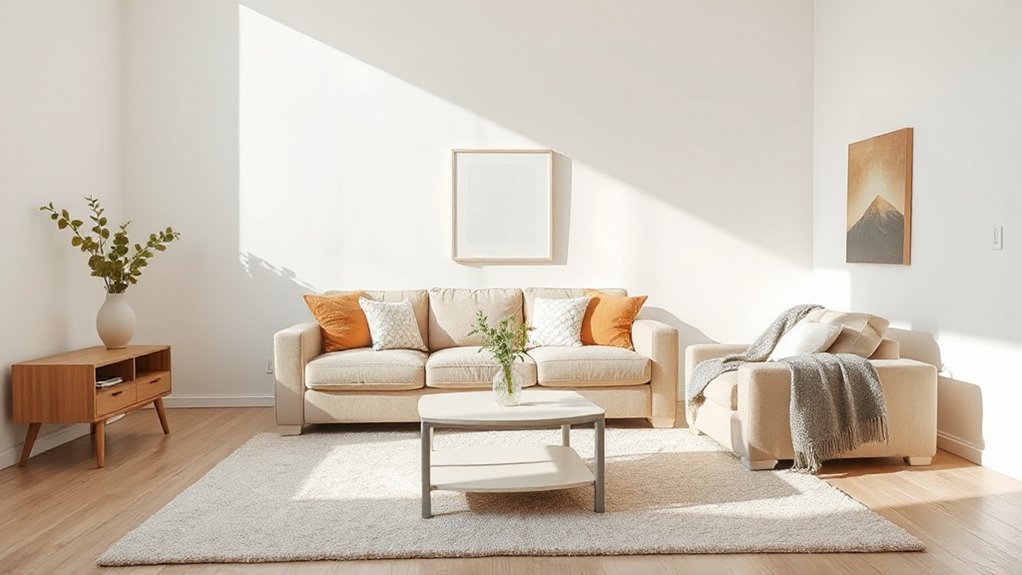
To build a viewing-ready routine you can maintain, start with a simple weekly checklist that covers decluttering, quick cleanups, and touch-ups to keep every room camera-ready.
- Establish daily five-minute resets to reset surfaces and tidy cables.
- Schedule a 20-minute weekly declutter sweep per room.
- Maintain a consistent vacuuming and wipe-down routine.
- Prepare a dedicated “showcase” space for living areas.
- Use a basic checklist to ensure emotional detachment while staging.
This approach builds organizational habits that persist beyond viewings, so you aren’t reinventing the process. Maintain consistency, avoid overthinking, and rely on simple, repeatable steps.
Your goal isn’t perfection; it’s reliability. By cultivating routine, you reduce stress, preserve flow, and present an appealing, depersonalized backdrop that resonates with buyers.
Troubleshooting Common Decluttering Snags and Solutions
Decluttering rarely goes perfectly on the first try, so you’ll run into common snags that derail momentum. When you stall, identify the bottleneck quickly: is it sentiment, time, or space? Use storage solutions that maximize flat surfaces and hidden compartments, enabling instant organization without visual chaos.
If you feel emotional detachment slipping, pause and recenter on your viewing goals rather than the memories attached to items. Triage ruthlessly: keep essentials, donate what’s unused, and discard trash immediately.
Set a strict deadline and batch actions: one room at a time, one hour blocks. Resist perfectionism; small, repeatable wins build momentum.
Address clutter hotspots first, like entryways and countertops, then test the flow of rooms. Finally, schedule a quick re‑assessment after each declutter sprint.
Frequently Asked Questions
How Do I Declutter Quickly Without Losing Essentials?
Yes—start with a rapid declutter checklist, then store essentials efficiently: use storage solutions like under-bed bins and closet organizers, keep only daily-use items visible, and pack everything else. You’ll declutter quickly without losing what you need.
What Are Neutral Palette Tips That Still Feel Inviting?
You’ll find neutral palettes inviting with color coordination and thoughtful furniture arrangement. Ironically, simple tweaks often elevate spaces you think are already perfect, so you stay confident, uncluttered, and ready—while still feeling warm, lived-in, and welcoming.
Where Should I Store Frequently Used Items During Viewings?
Store frequently used items in a quick-access, understated cabinet or tray near the main living area, prioritizing Accessibility. Use Storage solutions that conceal clutter, and practice clutter management to keep pathways clear and spaces inviting during viewings.
How Can I Depersonalize Without Making Rooms Feel Cold?
Kick off by saying you want a neutral vibe: replace personal photos with neutral art, keep personal touches to a minimum, and add Cozy accents like soft throws. You’ll feel inviting, not cold, without losing warmth.
What Quick Fixes Boost Appeal Before Showings?
You’ll boost appeal quickly with staging furniture that highlights space and lighting enhancements to create warmth. Use crisp throws, neutral tones, and strategic lamps; declutter surfaces, refresh with fresh flowers, and keep pathways clear to invite buyers in.
Conclusion
Decluttering for viewings isn’t just tidying; it’s shaping perception. You’ll create calmer spaces that feel bigger, brighter, and more sellable. Start with a quick visual audit, then declutter by zone, not by room, keeping a neutral palette that still invites warmth. Pack personal items without erasing memories, and establish a viewing-ready routine you actually maintain. Think of it as laying bare the home’s potential—every detail working in harmony, like a well-tuned instrument ready for the next performance. metaphor: a stage set for possibility.