
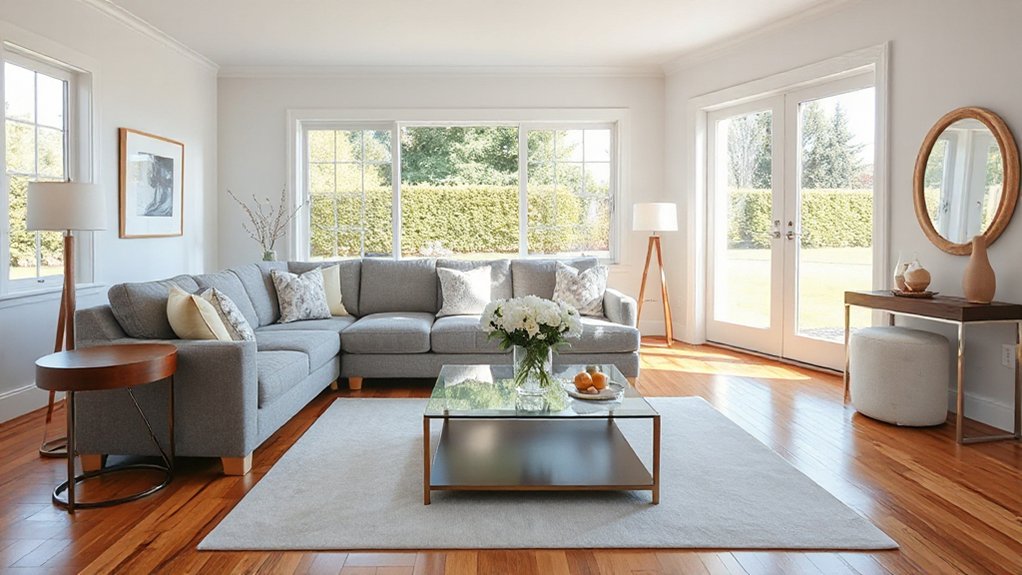
To attract more buyers, stage with a clear, cohesive plan that highlights your home’s best features and minimizes distractions. Declutter entryways and sightlines for an open, bright first impression, and neutralize decor to broaden appeal. Use layered lighting and well-placed furniture to create flow and perceived space, then seasonally refresh accents to feel timely. Don’t forget pets: tuck away accessories and noise. Finish with quick, high-impact updates that shout move-in ready—and you’ll uncover even more expert tips ahead.
Why Staging Sells Homes Faster (and for More Money)
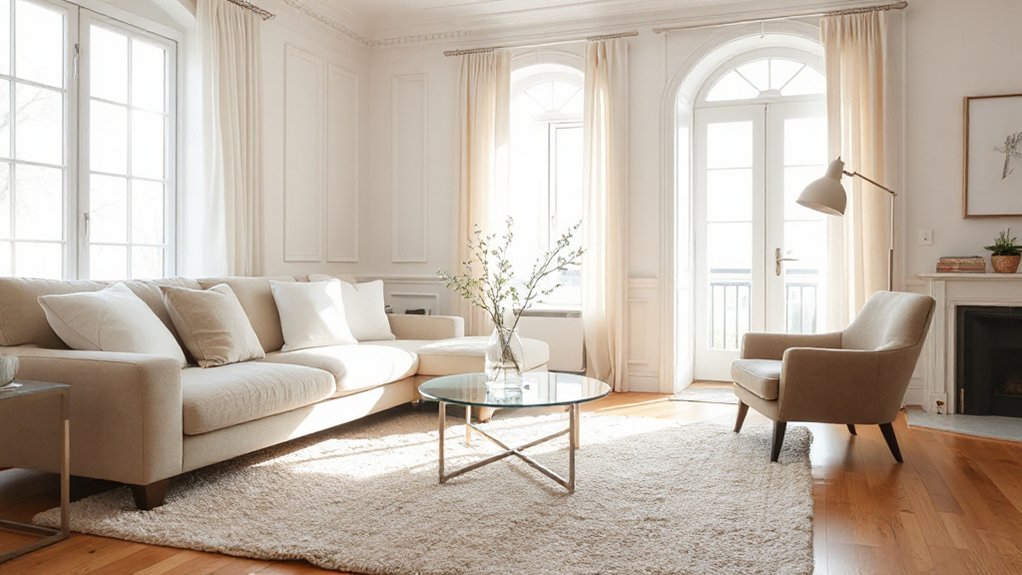
Staging helps buyers picture themselves in the space, which makes it easier for them to fall in love—and to write a higher offer faster. When you stage effectively, you create focal points that guide attention to the home’s strengths, speeding decision-making.
People pay more when they see a well-flowing layout, polished finishes, and a sense of lifestyle they can envision daily. Emphasize contrast between rooms, neutral palettes, and purposeful décor that isn’t distracting.
Highlight home automation features and energy efficiency to boost perceived value without overspending. A smart thermostat, efficient lighting, and automated shades convey modern livability, appealing to tech‑savvy buyers.
Decluttering for an Open, Bright First Impression
Clear your entry and keep sightlines open to create an inviting first impression. Use decluttered entry backdrops and bright, simple surfaces to make spaces feel larger and more welcoming.
Tackle small, visible clutter now so your home reflects brightness and organized flow from the moment buyers arrive.
Decluttered Entry Backdrops
Decluttering the entry backdrop creates an open, inviting first impression that sets buyers at ease as soon as they step inside. You’ll create a calm landing by removing excess furniture, oversized decor, and tangled cords, letting the doorway breathe.
Emphasize Entryway symmetry with balanced accents on each side—matching hooks, lamps, or a single console paired with identical vases—to guide the eye inward. Choose a simple backdrop behind the door, like a solid color or minimal art, to avoid visual noise.
Maintain a clear path from threshold to main rooms, so navigation feels effortless. When you need contrast, apply it selectively—one dark element against a light wall—to add depth without crowding.
This controlled backdrop signals readiness to buyers and reinforces a bright, accessible space.
Brightness-Enhancing Spaces
If you want a brighter first impression, start by letting natural light flood in and removing any shadows that dull the space. Brightness boosts appeal and drives buyer emotion, so you’ll want to spotlight color contrast and clean lines. Use these quick tweaks:
1) Open curtains fully and replace heavy drapes with sheer fabrics to maximize natural light.
2) Tidy surfaces and keep only essential decor, letting light bounce across white or light walls for crisp contrast.
3) Add a few reflective accents—mirrors or glass pieces—to amplify brightness and enhance perceived space.
Result: rooms feel larger, inviting, and ready for a showing. Natural light plus thoughtful decluttering creates an open atmosphere buyers instantly grasp.
Neutralize Decor to Broaden Buyer Appeal
Neutral palettes set a calm, universal stage, so you’ll appeal to the broadest buyers. Embrace a minimalist decor approach and swap bold accents for versatile, timeless pieces that blend with any style.
Use simple, cohesive styling that highlights flow and function, not personality, to keep options open for future buyers.
Neutral Palette Essentials
A neutral palette broadens buyer appeal by letting people envision their own furniture and decor in the space, so start with colors that feel calm and cohesive. You’ll create a backdrop that supports any style, while highlighting architectural features and natural light.
- Choose warm neutrals as the base to invite comfort.
- Add subtle contrast with cool accents to avoid flatness.
- Introduce texture through materials that align with color psychology, so rooms feel inviting, not sterile.
Use eco-friendly materials for furniture and finishes to reinforce value and sustainability. Keep surfaces timeless and easy to maintain, avoiding busy patterns that distract buyers.
This approach signals versatility, encourages imagination, and helps buyers picture living there from day one.
Minimalist Decor Approach
Minimalist decor trims away excess, letting buyers focus on space, light, and flow. You pursue a calm, uncluttered vibe that highlights room size and functional pathways. Start by removing nonessential furniture, then pare down decor to a single focal piece per room.
Keep surfaces clear to reinforce a sense of airiness; clutter free surfaces let light bounce and eyes move naturally. Opt for neutral tones with small texture variations to maintain warmth without visual noise.
Use smart storage solutions—hidden baskets, under-bed bins, wall-mounted shelves—to keep essentials out of sight yet accessible. Highlight natural light with sheer window treatments and strategic mirror placement.
Finally, guarantee consistency: repeat the minimalist motif across rooms so buyers feel immediate, cohesive continuity throughout the home.
Versatile Style Solutions
When you neutralize decor, you widen appeal by creating a blank canvas buyers can envision as their own. Versatile style keeps momentum by blending timeless elements with modern accents, so spaces feel calm and adaptable. Use neutral backdrops and strategic pops to guide perception, not dictate it.
Embrace creative storage solutions that hide clutter while signaling space for life’s essentials. Tactile variety—soft textures, wood tones, and metallics—adds depth without narrowing taste. Pair color psychology with light, airy palettes to evoke warmth and confidence.
Plan these steps:
- Declutter and reallocate storage to showcase function and flow.
- Introduce flexible furniture arrangements that invite personalization.
- Select restrained color accents that spark emotion without overpowering.
These moves create a confident, wide-reaching appeal.
Lighting Essentials: Layered Light for Every Room
Lighting isn’t just functional—it shapes mood and highlights your home’s best features. Layered lighting gives you flexibility: ambient, task, and accent lights work together to balance brightness and focal points, room by room.
Choose warm color temperatures to feel inviting and use dimmers to adapt scenes for showings. In kitchens and baths, bright task lighting helps with detail work; in living areas, softer ambience sells comfort.
Integrate smart home controls to adjust scenes with a tap or voice, boosting perceived modernization without overhauling fixtures.
Opt for eco-friendly materials—LEDs reduce consumption, recycled glass diffusers soften glare, and sustainable fixtures minimize waste.
Avoid harsh shadows, cluttered cords, or over-lighting; aim for depth, contrast, and a welcoming, functional glow that moves buyers to act.
Furniture Layout for Flow and Spaciousness
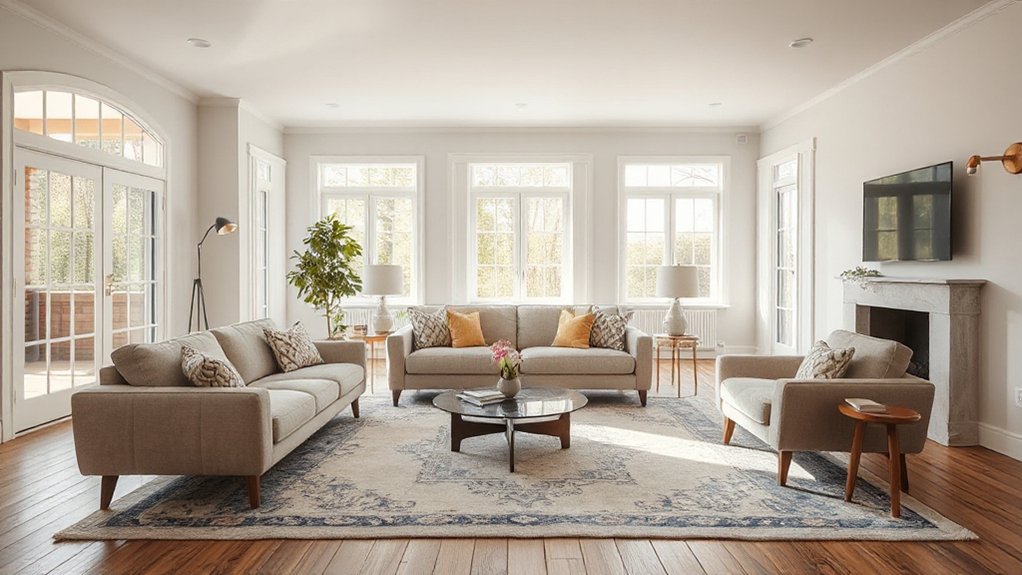
A well-planned furniture layout makes rooms feel open, inviting, and easy to navigate. You’ll maximize space by prioritizing clear sightlines, avoiding clutter, and choosing versatile pieces that encourage movement. Focus on furniture arrangement that supports spatial flow, guiding buyers through each room with confidence and ease.
- Place seating to face focal points, creating natural conversation hubs and a welcoming vibe.
- Maintain generous circulation paths, ensuring at least 36 inches of clearance between furniture and walls.
- Use multi-functional pieces and light accents to expand perceived space without sacrificing style or function.
This approach delivers a cohesive, breathable feel that showcases size, scale, and purpose, helping buyers imagine comfortable living.
Curb Appeal That Grabs Attention at First Look
You want curb appeal that grabs attention the moment a buyer arrives, so sharpen front-door focal points and tidy landscapes to make a powerful first impression. Start with a standout front door color or statement, clean entryways, and purposeful lighting that highlights your curb appeal essentials.
Align the approach with the landscape first impression you want to project, ensuring every element supports a welcoming, low-friction path to interior rooms.
Curb Appeal Essentials
Curb appeal isn’t just about looks—it’s about making buyers feel confident they’re stepping onto a property that’s well cared for. You can create instant trust by tidying the exterior and dialing in small, impactful upgrades.
Focus on outdoor lighting, which highlights paths and sculptural features after dark, making spaces feel safe and inviting. Pair this with window treatments that look polished from curb view, signaling privacy and care without clutter.
- Refresh greenery with crisp edging and seasonal color to frame your home’s architecture.
- Install or refine outdoor lighting to illuminate walkways, entry, and key focal points.
- Choose window treatments that look neat from the outside—neither bulky nor fussy, just cohesive.
Front Door Focal Points
The front door is your first impression—make it unmistakable. You grab attention by highlighting a clean, bold entry point that invites entry. Start with a fresh, durable finish in a statement color that complements your home’s exterior.
Pair this with purposeful front door decor that signals care without clutter. Choose a friendly door knocker, a stylish light, and a seasonal planters combo to create visual rhythm at eye level. Keep hardware cohesive—matte black, brass, or brushed nickel—so every element reads as deliberate.
Use entryway accents that frame the door, like a narrow console or a small rug, to anchor the space. Remember: symmetry matters, and a thoughtful focal point boosts perceived value instantly.
Landscape First Impressions
A quick, powerful first impression starts with a well-tended landscape that frames the home and invites inspection. Your curb appeal should shout readiness, not guesswork, using landscaping artistry to showcase balance and intent. Think garden design that guides the eye to key features and creates a welcoming rhythm from curb to door.
- Focus on strong contrasts: dark mulch, green foliage, and seasonal color to spark emotion at first glance.
- Create clean lines: edged beds, trimmed grass, and obvious entry cues that feel intentional.
- Highlight your best features: a statement plant, a sculptural element, or a charming path that leads viewers inside.
With purposeful garden design, you transform hesitation into desire, inviting buyers to linger and imagine living there.
Kitchen Highlights: Quick, Budget-Friendly Updates
Greasing the wheels of a sale starts in the kitchen: quick, budget-friendly updates can deliver big impact without breaking the bank. You don’t need a gut remodel to spark interest—targeted touches matter.
Start with fresh cabinet hardware; simple pulls or knobs transform a dated face without major cost. Add under-cabinet lighting to brighten workspaces and create a showroom vibe. Refresh dull countertops with inexpensive contact paper or a durable peel-and-stick option in a modern pattern.
Reimagine a tired backsplash with removable decals that echo current trends. Declutter prep zones, install a cohesive, inexpensive faucet, and swap out old accessories for a unified, bright look.
Kitchen upgrades and budget renovations should feel cohesive, clean, and purposeful to convert viewers into offers.
Bath Refresh on a Budget: Small Changes, Big Impact
If you want to boost bathroom appeal without a remodel, start with small, high-impact updates. You’ll create a fresh feel fast by focusing on visual polish and smart touches that buyers notice.
- Swap inexpensive fixtures for modern chrome or matte black to signal newness.
- Add eco friendly upgrades like low-flow showerheads and LED lighting for a greener, value-adding vibe.
- Integrate smart technology with a programmable thermostat, smart mirror, or motion-activated lights to showcase convenience and efficiency.
Tiny changes, big impressions: tackle grout whitening, reseal countertops, and declutter countertops for a spa-like vibe. These tweaks elevate perceived value, boost appeal, and demonstrate practical, budget-smart thinking buyers love.
Subtle Color Choices That Sell Homes
Neutral palette tones create a calm backdrop that helps buyers picture their own life in your space. Balance your rooms with a hint of accent color to guide the eye without shouting.
Keep the flow cohesive from room to room. Use consistent undertones and simple shifts to make every area feel connected and ready for staging.
Neutral Palette Tones
- Color psychology shows how subtle hues influence mood, helping buyers feel at ease as they move through rooms.
- Furniture arrangement reinforces flow, guiding viewers from entry to living areas without visual clutter.
- Consistency across rooms creates perceived harmony, making spaces seem larger and more cohesive.
Choose low-contrast contrasts and matte finishes to reduce distraction, then let natural light take the spotlight. You’ll spark emotional connection while preserving versatility for buyers’ personal touches.
Accent Color Balance
Prioritize color harmony by matching undertones and avoiding clashing finishes. Use accent color strategically in small doses—art, throw pillows, or a single statement accessory—so it draws attention without shouting.
Consider room purpose when selecting the hue: warmer accents for cozy spaces, cooler ones for modern vibes. Test under natural light to confirm balance across walls, furniture, and decor.
If it feels busy, scale back until the eye moves calmly.
Room Flow Cohesion
- Map routes that highlight function, making barriers disappear and curiosity rise.
- Choose midtones for main areas and softer accents elsewhere to preserve continuity.
- Prioritize lighting that flatters color and reinforces safety, inviting lingering curiosity.
This approach feels cohesive, inviting, and stackable for staged showings, boosting buyer confidence.
Staging for Scale: Measuring Rooms for Perfect Fit
To stage for scale, start by measuring each room’s dimensions and noting doorway and window placements. Then choose furniture that fits those exact proportions.
You’ll create balance by envisioning sightlines from entry to focal points, ensuring every piece supports flow without crowding. Focus on measuring rooms before shopping; use painter’s tape to map rug sizes and seating zones, confirming clearance around doors and between furniture.
Prioritize furniture placement that reinforces scale—avoid oversized sofas in small rooms, and don’t underfill large spaces. Aim for consistent height and proportion to visually expand or compress spaces as needed.
Document measurements for quick reference during staging, and double-check layouts from eye level. This disciplined approach minimizes guesswork and yields coherent, buyer-friendly rooms.
Accessorize With Purpose: Art, Textiles, and Plants
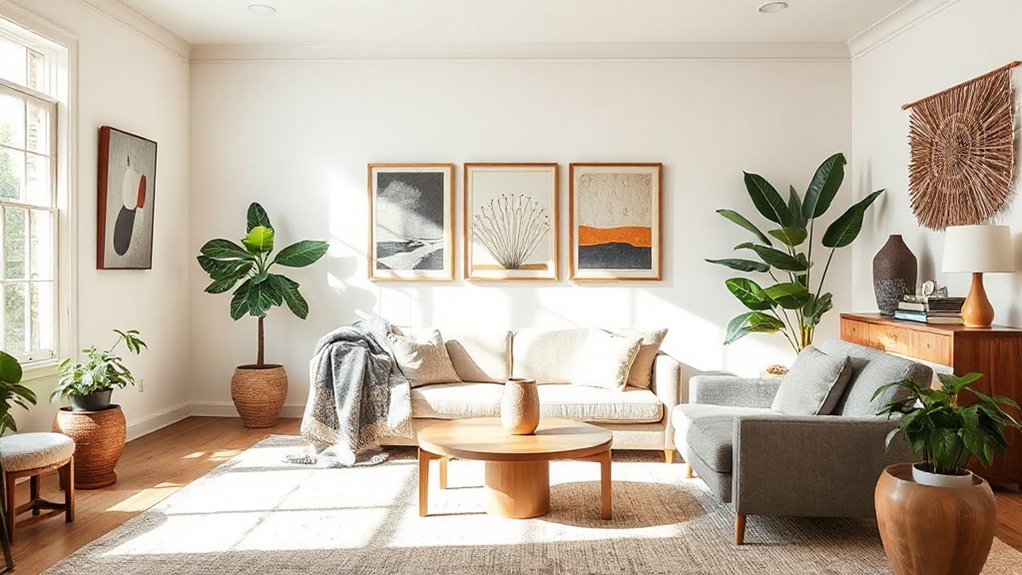
If you want spaces that feel polished and inviting, curate art, textiles, and plants with intention. You’ll boost room character without clutter, guiding buyers to see purpose in every corner. Focus on art placement and textile choices to frame views, highlight flow, and convey scale.
- Plan art placement at eye level in primary rooms to create focal anchors that feel intentional.
- Choose textile choices that echo wall color and furniture lines for cohesive texture without overpower.
- Add greenery in balanced groupings to soften edges, boost mood, and signal easy upkeep.
Keep pieces lightweight and swapable so staging stays fresh during showings. Avoid overpowering statements; let art and textiles support the space, not steal it.
Layered Lighting: Ambient, Task, and Accent Made Simple
Layered lighting is your quickest path to rooms that feel bigger and more inviting. By layering ambient, task, and accent lighting, you create depth and mood without clutter.
Use ambient indirect fixtures to wash walls with soft, even light, avoiding glare. Add task lighting at desks, countertops, and reading nooks to boost function without compromising style.
Highlight architectural features or art with accent lighting, but keep it purposeful to prevent harsh contrasts.
Natural lighting stays essential—position lamps and mirrors to bounce daylight, extending daylight hours and reducing dependence on overheads.
Color coordination matters: match bulbs, fixtures, and shades for a cohesive look that reads premium.
Implement three zones per room, test, and adjust until the space breathes and feels inviting to buyers.
Seasonal Staging for Peak Market Times
Seasonal staging tailors your home to buyers’ instincts, seizing the moment when demand and traffic peak. By leaning into Seasonal decor and holiday themes, you cue buyers to imagine living there now, not later.
To do it well, focus on purposeful touches rather than overkill:
- Highlight a single seasonal focal room with tasteful decor that echoes the time of year.
- Keep color palettes cohesive, warm, and neutral enough to appeal to a broad audience.
- Refresh entryways and major staging zones weekly during peak weeks to feel fresh.
Act quickly, stage with intention, and your listing will ride the seasonal wave. When buyers see your home matching the season’s energy, they’ll feel compelled to act today.
Pets and Staging: Minimizing Distractions, Maximizing Space
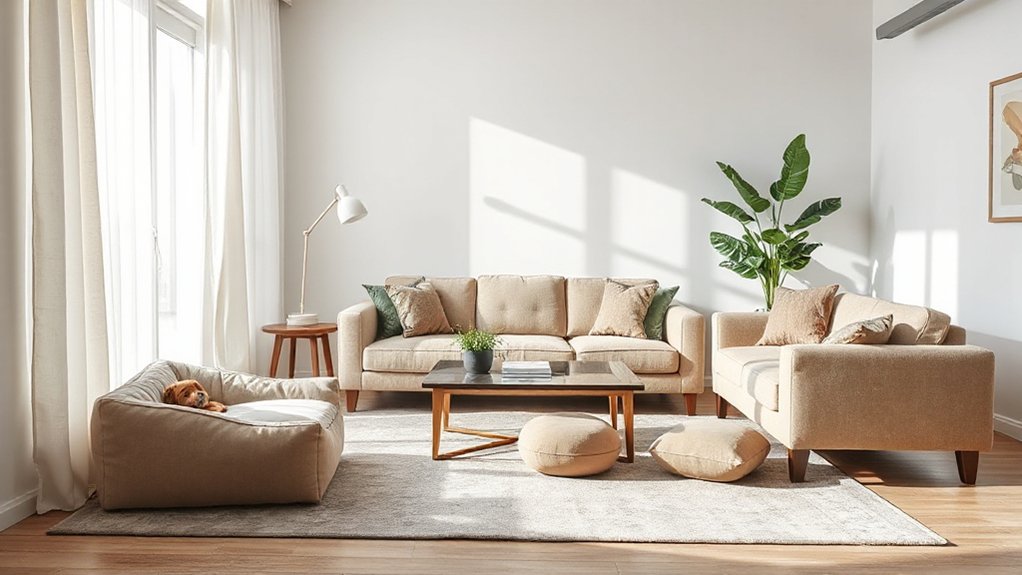
You want buyers to notice the rooms, not the mess. When you stage with pets in mind, you keep traffic clear and distractions limited.
Start by defining a dedicated pet space, away from entrances and main living areas, so fur doesn’t compete with furniture. Store bowls, toys, leashes, and litter discreetly, ideally in closed bins or a closet during showings.
Use washable throws and easy-clean flooring to simplify maintenance. Emphasize pet safety: secure cords, remove fragile decor, and ensure doors close fully so pets stay contained.
For showing days, rotate toys to minimize clutter and prevent overstimulation. Practice pet space management by keeping rooms sparsely furnished, so buyers visualize their own layouts without competing with your pets.
This approach helps buyers focus on layout, light, and flow.
Quick Fixes That Yield Big Returns
- Install a few smart features—thermostats, timers, and lighting—so your home reads as tech-forward and easy to live in.
- Swap to eco friendly upgrades in key areas—low-flow fixtures, LED lighting, and efficient appliances that cut utility bills.
- Tidy up sightlines with refreshed hardware, decluttered surfaces, and minimal, high-impact decor that signals care.
These moves create instant perception of value, comfort, and sustainability, elevating your listing without slowing you down.
Final Listing Staging Checklist
You’ve already set the stage with quick, high-impact upgrades; now lock in your final listing-ready details. This Final Listing Staging Checklist keeps you crisp and compelling for buyers.
Verify curb appeal with a spotless entry, fresh mulch, and natural lighting that showcases space. Declutter surfaces, organize storage, and streamline rooms to feel bigger. Highlight home technology features—smart thermostats, doorbells, and security options—without overloading the buyer.
Guarantee warm, neutral tones carry through every room and keep a consistent vibe in photos. Address eco-friendly enhancements, like energy-efficient lighting and judicious use of water-saving fixtures, to appeal to conscious buyers.
Schedule professional photography during peak light, then publish a cohesive, truthfully optimistic narrative of everyday living in your home.
Frequently Asked Questions
How Much Does Professional Home Staging Typically Cost?
Professional staging typically costs about $1,000 to $6,000, depending on home size and services. You’ll compare costs, weigh rental furniture vs. full service, and assess your budget. Cost comparison helps you decide; use budget tips to save.
Is DIY Staging as Effective as Professional Staging?
DIY staging can be as effective as professional staging, but beware DIY pitfalls; you’ll struggle with staging effectiveness if you skip professional advice, too. Start with basics, test lighting, declutter, and you’ll see measurable buyer interest.
How Long Does Staging Stay Fresh Before Photos?
Staging stays fresh for 1–2 weeks before photos; freshen as needed. You should optimize Furniture placement and Color coordination, ensuring spaces feel open and cohesive. Rotate pillows or artwork slightly to maintain impact and maximize buyer appeal.
Should Staging Vary by Property Type or Price Range?
Answer: Yes, staging should vary by property type and price range. You tailor Luxury upgrades and Vintage charm to fit each tier, adjusting scale, styling, and focal points so buyers feel you’ve match-made value, vibe, and velocity.
What Are Common Staging Mistakes to Avoid?
Avoid these common staging mistakes: poor furniture placement, clutter, and mismatched color coordination. Reframe spaces, declutter daily, and choose cohesive tones. You’ll maximize flow, highlight focal points, and attract buyers with a polished, inviting vibe.
Conclusion
Staging sells. Staging shines. Staging speeds up offers, and staging boosts sale price. You declutter, you neutralize, you light, you arrange, you breathe room, you welcome buyers, you spark desire. You fix tiny flaws, you refresh features, you create flow, you tailor rooms, you time your moves, you spotlight space. You stage for buyers, you win more, you move faster, you close stronger. Your home, staged brilliantly, becomes their next dream. Now start staging, and start selling.