Start with high-impact curb appeal fixes that buyers notice first, like a clean yard, trimmed overgrowth, fresh mulch, and a welcoming front door with updated hardware. Then address structural essentials—foundation stability, load-bearing walls, and clean, documented repairs. Prioritize major systems refreshes by updating electrical panels, plumbing, and HVAC, plus reliable roofing, gutters, and drainage. Layer in budget-friendly interior upgrades, such as kitchen and bathroom improvements, durable flooring, and neutral paint. Complete a pre-listing inspection to boost confidence as you move forward. More details ahead.
Identify High-Impact Curb Appeal Fixes That Sell Fast
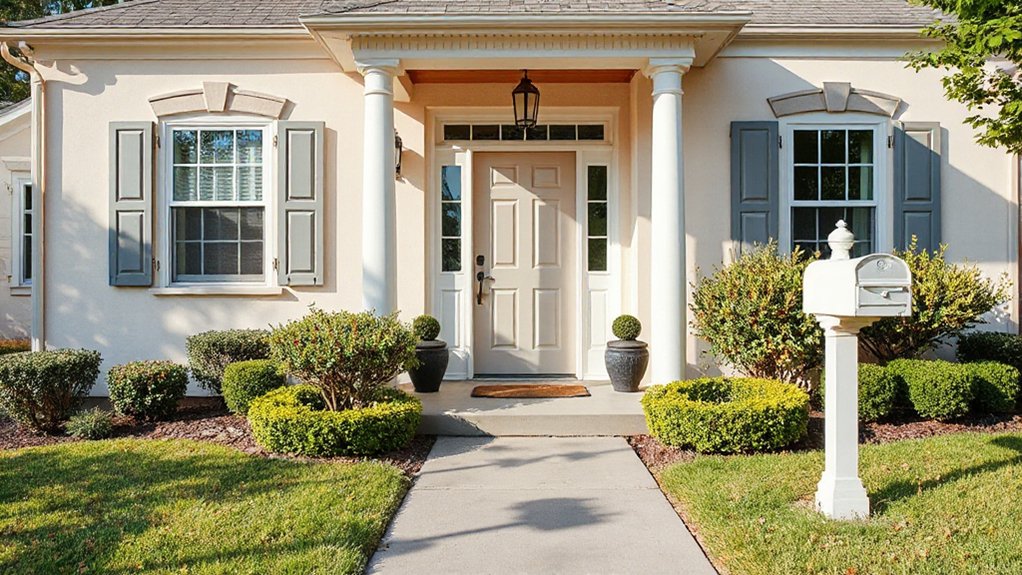
Curb appeal is the fast track to capturing a buyer’s interest, so start with high-impact fixes that are visible from the street. You’ll prioritize the exterior presentation, focusing on immediate visual improvements that hint at solid underlying maintenance.
Begin with yard cleanliness, trim overgrowth, and remove debris that signals neglect. Assess landscape maintenance for consistency: fresh mulch, seasonal planting, and clear sightlines to the entry.
Upgrade the front door and hardware for a welcoming focal point, and ensure exterior surfaces are clean and free of peeling paint.
Improve exterior lighting to extend curb visibility at dusk and highlight architectural features.
Repair or replace worn railings, address driveway blemishes, and seal cracks.
These steps create a precise, credible first impression that supports a faster, higher-value sale.
Structural Essentials: What Buyers Won’t Overlook
Structural essentials aren’t optional—they’re the backbone buyers expect to see working. You’ll verify that foundation stability supports the entire structure, with no visible cracks, bowing, or settlement indicators. If you detect movement, consult a structural professional and address it promptly, documenting repairs for buyers.
Next, assess load bearing walls: validate they’re straight, plumb, and free of significant cracks or shifting, since these walls bear the building’s weight. Reinforcement or underpinning may be required if defects exist.
Electrical and plumbing within critical load paths should be checked for corrosion or compromised connections, as failure here undermines stability.
Finally, confirm that all key structural components—columns, beams, and joists—show no signs of rot, rust, or damage. Clear, actionable records reassure buyers and reduce negotiation friction.
Roofing, Gutters, and Drainage: Non-Negotiables for Value
Start with a clear assessment of Roof Integrity Checks to confirm there are no leaks or structural weaknesses.
Next, outline Gutter System Fixes to guarantee proper alignment, sealing, and flow, addressing any sagging or clogs.
Finally, review Drainage Flow Optimization to prevent pooling around the foundation and protect the property’s long-term value.
Roof Integrity Checks
A thorough roof integrity check is essential before selling, and it should cover roofing, gutters, and drainage to prevent costly surprises. You’ll inspect shingle longevity by looking for curling, cupping, missing or blistered shingles, and granule loss, noting signs that weathering has progressed.
Check for proper roof ventilation, ensuring attic vents aren’t blocked and soffit vents are clear, which affects temperature regulation and moisture control.
Assess flashing around chimneys, vents, and valleys for gaps or corrosion, and verify that skylights are sealed.
Examine gutters and downspouts for clogs, sagging, or leaks that threaten fascia and decking. Confirm drainage directs water away from the foundation.
Document required repairs with photos, prioritize safety, and plan costs to optimize value and minimize post-sale negotiations.
Gutter System Fixes
- Inspect gutters for cracks, sagging sections, and loose hangers to stop leaks and overflow.
- Test downspouts for proper discharge; reattach or replace as needed to maintain directed runoff.
- Clear debris and check seals at joints, corners, and leaf guards to prevent clogs.
- Verify connections to the roofline and fascia, replacing damaged hardware and ensuring secure, weather-tight attachment.
Gutter maintenance matters for overall protection, while downspout repairs directly shield the foundation, basement, and landscaping from water damage.
Drainage Flow Optimization
Efficient drainage flow ties together roofing, gutters, and landscape to protect the property’s value. You’ll assess how water moves from roof surfaces to grade and beyond, then identify bottlenecks that cause pooling or erosion.
Start with a clear plan for stormwater management that matches site conditions, soil type, and nearby structures. Examine roof outfalls, downspouts, and splash blocks to guarantee they deposit water away from foundations.
Review drainage design criteria: slope, trenching, and channeling that prevent basement dampness and landscape damage. Prioritize redirects, calculate catchment areas, and verify overflow paths for heavy rainfall.
Implement practical fixes like trench drains or permeable routing where appropriate. Monitor after rain events and adjust as needed to maintain consistent flow and preserve long-term home value.
Major Systems Refresh: Electrical, Plumbing, HVAC
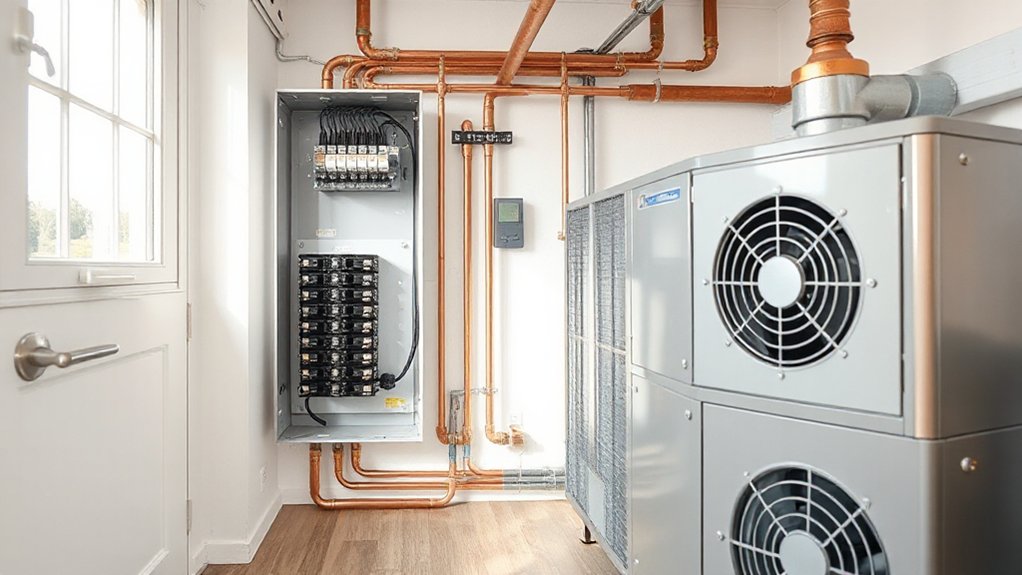
To maximize appeal and reduce risk for buyers, you should refresh the major systems—electrical, plumbing, and HVAC—before listing. A methodical refresh lowers contingencies and aligns with Historical preservation concerns while preserving neighborhood amenities as context for value. You’ll gain reliability, efficiency, and peace of mind, making inspections smoother and negotiations firmer.
- Inspect and update service panels, grounding, and wiring for safety and code compliance.
- Replace outdated fixtures, leak-prone pipes, and water heaters with modern, efficient equivalents.
- Service HVAC components, seals, and ducts to restore performance and air quality.
- Test all systems under real-use scenarios to verify quiet operation and reliability.
This focused approach communicates quality, practicality, and respect for the property’s context.
Budget Kitchen Upgrades That Boost Value
A practical kitchen refresh starts with assessing what makes the space functional and appealing. Then, prioritize budget-friendly upgrades that deliver the most value.
Consider swap-and-update options like hardware, lighting, and refresh paints. Focus on lasting materials and low maintenance.
We’ll explore which enhancements meet your budget while boosting buyer perception and overall value.
Practical Kitchen Refreshes
If you’re selling, small kitchen upgrades can yield noticeable value without a full remodel. You’ll create a fresher, more efficient vibe by targeting high-visibility, low-cost changes that readers notice first.
1) Replace cabinet hardware with modern zinc or brushed-nickel pulls to refresh without repainting.
2) Refresh surfaces with a laminate or solid-surface countertop redo, paired with a cohesive backsplash.
3) Update lighting and task zones: under-cabinet LEDs and a bright central fixture to improve usability.
4) Tidy, seal, and organize: add drawer dividers, cabinet organizers, and declutter to reveal space.
Beyond the kitchen, consider garden landscaping and outdoor lighting as context for curb appeal that complements fresh interiors.
This methodical approach yields measurable value.
Budget-Friendly Upgrades
Begin with surface refreshes: new cabinet handles, a coordinated backsplash, and refreshed lighting to brighten the space. Prioritize high-visibility upgrades that buyers notice first, such as a clean, neutral palette and functional storage.
You should avoid overinvesting in premium appliances if your budget is tight; instead, make sure existing components are clean, aligned, and operable.
Consider landscaping enhancements to improve curb appeal, since first impressions matter. Exterior painting, when faded or chipped, can yield noticeable returns and protect the structure.
Document improvements for buyers to review, reinforcing value without implying you overspent.
Value-Boosting Details
- Refresh cabinet fronts with neutral paint and simple hardware to convey freshness.
- Swap dated lighting for energy-efficient LEDs that evenly illuminate work zones.
- Update faucets and fixtures to improve efficiency and tactile appeal.
- Add affordable accoutrements like a cohesive backsplash and matched accessories to unify the kitchen’s feel.
High-ROI Bathroom Fixes: Quick Wins and Midrange Tweaks
Renovating a bathroom for resale rewards you with strong, tangible value, so prioritize high-ROI fixes that deliver noticeable impact without breaking the bank. Start with quick, verifiable upgrades: reseal grout to eliminate staining, replace dated hardware, and upgrade lighting for brighter, more inviting spaces.
Focus on essential systems—Bathroom ventilation improvements prevent moisture damage and odors, boosting perceived cleanliness and efficiency. Consider midrange tweaks like modern vanity updates, undersink organization, and a neutral, durable countertop.
Replace worn Shower fixtures with water-efficient models to cut operating costs while appealing to eco-conscious buyers. Use consistent finishes across faucets, towel bars, and mirrors to create a cohesive look.
Guarantee caulking is clean and intact, confirming no leaks behind tiles. Document maintenance and warranties to reinforce value.
Flooring and Paint: Fresh, Value-Driven Refinements
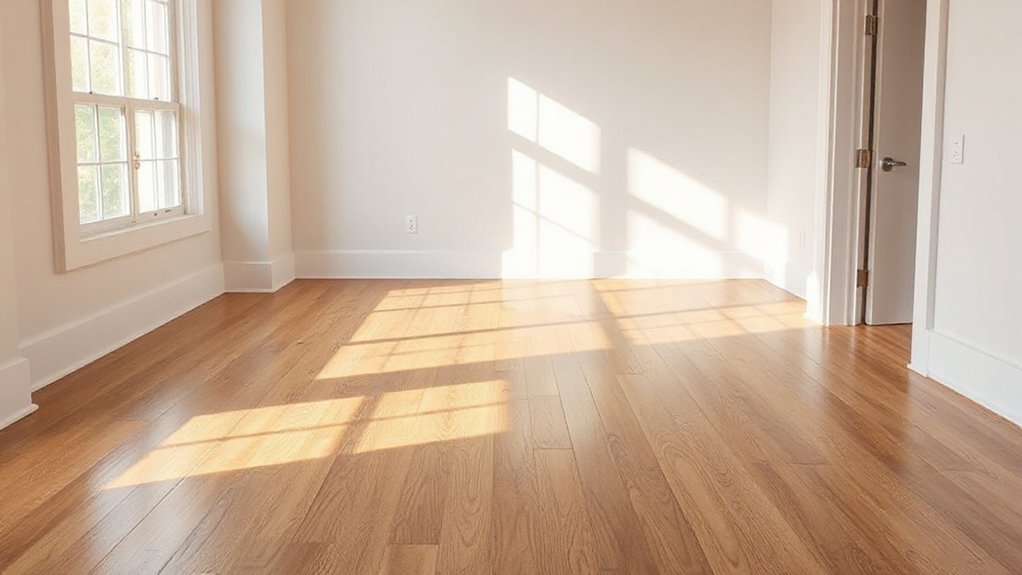
Flooring and paint set the tone for a home’s first impression, so focus on durable, low-maintenance choices that deliver lasting value. You’ll improve appeal by selecting neutral bases and quality coats, while tracking ROI on every surface.
Plan transitions between spaces to feel cohesive, not jarring, and avoid overly busy patterns that limit buyer imagination.
Interior decluttering helps reveal scale and flow, while garden landscaping boosts curb appeal and perceived value from the street.
1) Choose low-maintenance flooring that resists wear and is easy to clean, like good-appearance vinyl or tiled options.
2) Pick durable, fresh paint in warm neutrals with a single, unifying color story.
3) Maintain even sheens and clean edges to prevent busy visuals.
4) Tie exterior and interior perception together with consistent décor and minimal, purposeful upgrades.
Lighting, Fixtures, and Hardware for Subtle Upgrades
Lighting, fixtures, and hardware may seem small, but they quietly shape a home’s perceived quality and cohesion after the big-ticket updates. You should select neutrally styled fixtures and door hardware to minimize personal taste conflicts with buyers.
Prioritize ambient lighting to create inviting spaces without harsh shadows, then add decorative fixtures as focal accents where appropriate.
Confirm consistency across rooms: matching finishes (bronze, brushed nickel, or matte black) help interiors feel cohesive rather than piecemealed.
Verify brightness levels meet purpose—dining areas, kitchens, and hallways require clear, functional illumination.
Check electrical compatibility, code compliance, and secure mounting.
Opt for timeless designs over trends, and replace dated hardware that signals neglect.
Finally, document upgrades for buyers, reinforcing value with clean lines and purposeful, low-maintenance elements.
Pre-Listing Inspection Checklist: Low-Work, High-Confidence Prep
A pre-listing inspection is the smart first move, identifying minor issues that can derail a sale if left unattended. By tackling small defects now, you boost confidence with buyers and set the pace for negotiations in a competitive Real estate market. This approach aligns with clear Seller motivation: present a well-maintained property and reduce surprise requests later.
- Inspect for water leaks and fix promptly to prevent hidden damage and costly repairs.
- Check doors, windows, seals, and caulking for drafts or rot; note improvements you can claim confidently.
- Test HVAC, plumbing, and electrical systems; address faults or upgrade where cost-effective.
- Clean and repair floors, walls, and ceilings; document improvements for credibility and faster approvals.
Frequently Asked Questions
How Soon Should I Complete Repairs Before Listing My Home?
You should complete major repairs 4–6 weeks before listing. This gives time for staging strategies and pricing considerations to take effect, and for inspectors to review issues. You’ll avoid last-minute delays and present a confident, well-documented offer.
Which Minor Fixes Yield the Highest Resale Impact?
You’ll get the biggest resale boost from minor fixes like Landscaping enhancements and Interior decluttering; focus on curb appeal, neatness, and simple updates. Prioritize high-visibility areas, and assess impact with a methodical, objective checklist.
Do Cosmetic Upgrades Ever Undercut Resale Value?
Yes, cosmetic upgrades can undercut value if overdone or mismatched. You’ll maximize return by smart interior staging and measured landscaping improvements, avoiding trendy fads while staying cohesive with market expectations—think practical, timeless, targeted enhancements, not flashy overhauls. (anachronism: “dial-up”)
Should I Fix Code Issues or Just Cosmetic Problems First?
Fix code issues first; prioritize functional reliability over cosmetic fixes. Then address property staging to enhance appeal, and consider Market timing for overall strategy. This methodical approach minimizes risk, protects value, and optimizes selling conditions.
What’s the Cost-To-Value Ratio for Top Repairs?
Landscaping improvements yield roughly similar value to cost, while energy efficiency often exceeds it; the cost-to-value ratio generally hovers around breakeven to 1:1, depending on market, scope, and appraisal method, so plan carefully and measure results.
Conclusion
You’ll boost value by tackling high-impact fixes first, then methodically refresh essential systems, surfaces, and visuals. Start with curb appeal, then confirm structural integrity, then guarantee roof, drainage, and major systems are solid. Budget-smart kitchen and bathroom tweaks pay off without overhauling spaces. Finish with flooring, paint, lighting, and hardware. Plan with a pre-listing checklist to minimize surprises. Fun statistic: homes with fresh paint see up to 2.5% higher sale prices on average, underscoring value of upgrades.