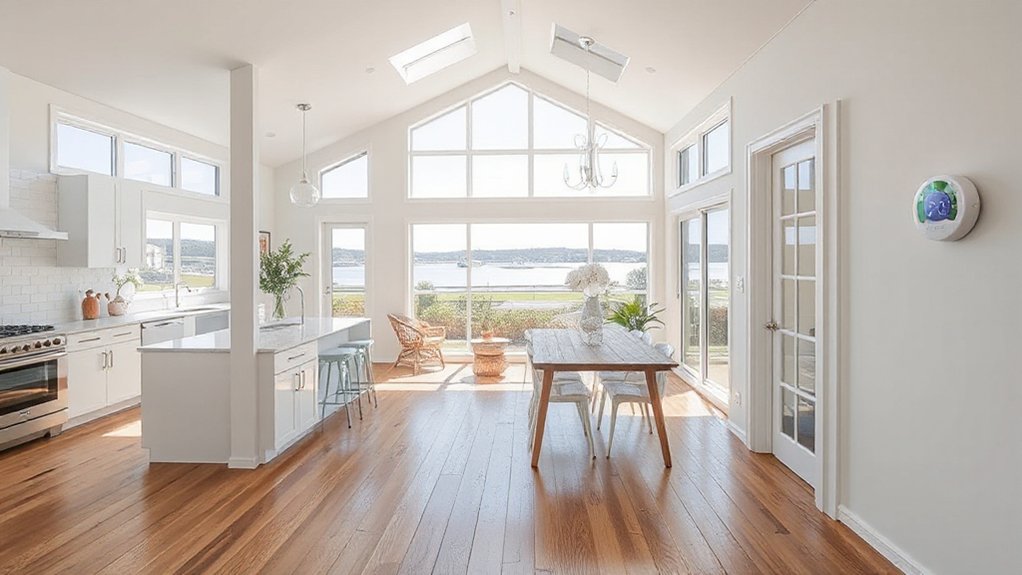
Think of it like tuning a car: small, precise upgrades can lift resale value more than flashy overhauls. In Newcastle, data favors energy efficiency, durable fixtures, and smart tech that reduce ongoing costs, plus curb appeal that makes a strong first impression. You’ll see the best returns from kitchen and bath updates, efficient systems, and outdoor living tweaks. Ready to weigh layout tweaks against upfront costs and market preferences to maximize your projected lift? Let’s examine the strategic choices.
Newcastle Buyer-Driven Upgrades: Prioritize Your Value Gains
Newcastle buyers increasingly drive value by prioritizing upgrades that deliver measurable returns. You’ll focus on improvements with clear payoff evidence, using data to guide choices rather than trends alone.
Analyze local sale comps to identify features that consistently outperform during price negotiations, then align your plan with those metrics.
Prioritize smart technology that enhances efficiency and user experience, such as programmable thermostats, energy dashboards, and robust connectivity, because these elements tend to reduce operating costs and appeal to tech-conscious buyers.
Incorporate sustainable materials where feasible, noting their long-term durability, maintenance savings, and potential resale premium.
You’ll compare installed costs against projected lift in home value, ensuring each upgrade demonstrates a favorable return.
Document performance post-implementation to reinforce the measurable impact for future listings.
Kitchen Upgrades That Boost Newcastle Home Value
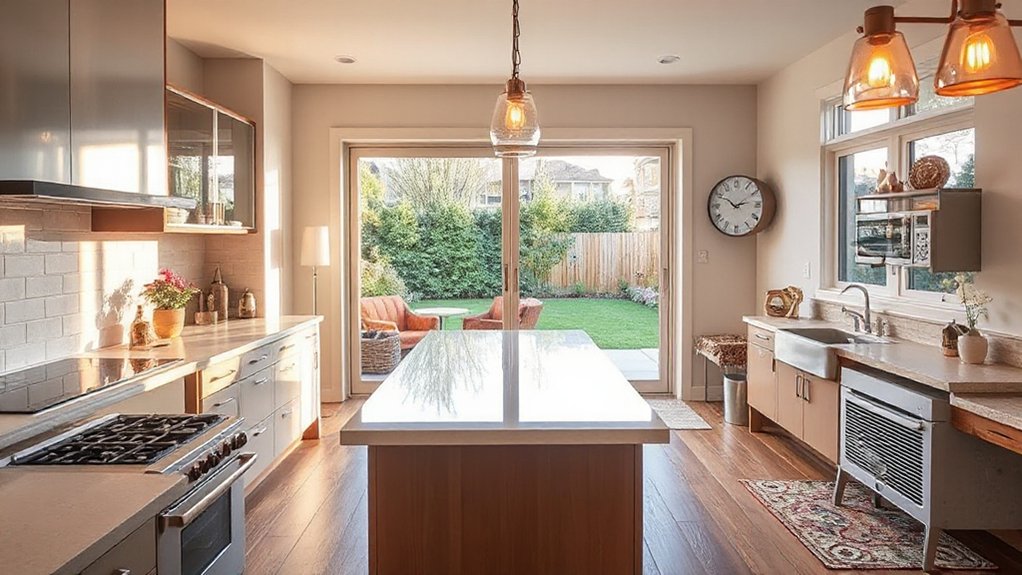
Upgraded kitchens consistently drive value in Newcastle, delivering strong resale premiums when upgrades align with local buyer preferences and cost-effectiveness metrics. You analyze cost per square metre, comparing high-ROI features against regional comps and time-on-market data.
Focus on practical improvements with proven impact: durable surfaces, energy-efficient appliances, and cohesive design that mirrors popular local styles. Smart technology can enhance appeal by providing convenience and efficiency without overcapitalizing; consider programmable lighting, motion-sensing faucets, and smart thermostats that buyers expect in mid-to-upper price segments.
Emphasize substantial storage solutions, such as tall pull-out cabinets, lazy susans, and integrated pantries, which reduce clutter and improve kitchen workflows. Document measurable outcomes—cost, resale lift, and buyer satisfaction—to support data-driven upgrade decisions.
Bath Upgrades Newcastle Buyers Love
You’ll see that bath financing trends influence buyer decisions, with longer loan terms and favorable rates correlating to higher perceived value in upgrades.
Modern bath fixtures attract attention for durability and water efficiency, while data show these elements can shorten time on market and boost offer competitiveness.
Together, these factors provide a clear framework for prioritizing renovations that align with Newcastle buyers’ expectations.
Bath Financing Trends
Despite rising interest rates and tighter lending standards, bath financing remains a key driver of Newcastle home upgrades, with buyers prioritizing cost-effective improvements that add perceived value. You’ll notice loan affordability shapes project scope, with many buyers favoring partial funding for planned enhancements rather than full cash outlays.
Data show a shift toward short-term financing and fixed rates, reducing monthly strain while preserving upgrade momentum. Market surveys indicate return-on-investment is highest when budgets target midrange renovations rather than premium overhauls.
Financing trends correlate with contractor timelines, enabling phased implementations like initial refreshes followed by spa-inspired upgrades as funds allow. For buyers, a steady financing rhythm supports incremental enhancements.
Luxury bathroom concepts and spa-inspired upgrades remain aspirational benchmarks, guiding value assessments without mandating immediate expenditure.
Modern Bath Fixtures
Modern bath fixtures are the next lever Newcastle buyers favor after securing affordable financing. You evaluate fixtures by efficiency, durability, and user experience, then compare installed costs to projected resale impact.
Data show that high-efficiency faucets, low-flow toilets, and insulated shower enclosures reduce monthly utility bills, improving payback timelines. Smart technology integrations—digital shower panels, leak sensors, and programmable thermostats—correlate with higher perceived value in surveys and push-button ease of use.
Material quality matters: composites and ceramic varieties with anti-scratch finishes sustain appeal over time. Water conservation features drive regulatory compliance benefits and lower operating costs, which buyers weigh alongside aesthetics.
For renovations, prioritize standardized sizing, coverage with neutral tones, and maintainable components to optimize marketability and minimize post-sale adjustments.
Energy-Efficient Improvements for Newcastle Homes
Are energy-efficient upgrades worth the investment for Newcastle homes? An objective assessment shows potential value stems from reduced operating costs and steady demand from efficiency-minded buyers.
Modeling typical payback periods, solar panels often deliver 6–12 years depending on system size, orientation, and incentives. Insulation upgrades can shorten heat loss by up to 40% in older residences, yielding quicker bill reductions.
In Newcastle’s climate, heat pump technologies and high-performance glazing complement these improvements, enhancing year-round comfort.
Cost considerations include installation complexity, available rebates, and home equity impacts.
Measured by resale value, homes with verifiable efficiency upgrades tend to command premium pricing and faster sales.
Prioritize high-return measures, verify energy performance with local assessments, and align choices with climate, house age, and budget.
Curb Appeal and Outdoor Living for Newcastle Homes
Curb appeal and outdoor living upgrades can influence Newcastle home values by enhancing first impressions and expanding usable exterior space, which buyers consistently reward with faster sales and higher offers. You’ll see value in measured landscaping investments that align with regional data, improving curb presence without overextending budgets.
Landscaping trends indicate modest, drought-tolerant plantings support sustainability metrics and maintenance efficiency, while focal points like entry accents boost perceived quality. Exterior lighting modulates safety, ambiance, and nighttime cachet, often yielding higher perceived value per foot of frontage.
For accuracy, compare cost per resale lift across recent Newcastle transactions to distinguish durable improvements from seasonal fads. Prioritize scalable options—paths, defined seating zones, and low-vol maintenance greenery—over ornate, high-maintenance features to maximize return.
Staging and Layout Tweaks to Maximize Newcastle Value
Staging and layout tweaks can reveal measurable value in Newcastle homes by guiding buyer perception and optimizing space for flow. You’ll quantify impact by aligning room proportions with common buyer priorities, reducing perceived risk, and accelerating time on market.
Focused staging highlights functional zones, improves traffic patterns, and supports a clear narrative of livability. Data indicates that open sightlines and balanced room sizes correlate with higher offers, while clutter-free surfaces support faster decision-making.
Implement interior lighting strategies to enhance warmth, depth, and perceived square footage, then pair with flooring enhancements to unify progressions between spaces. Avoid overfurnishing; curate scale to maintain airflow and create focal points.
Track changes with pre/post photos and ask for feedback to refine layouts for Newcastle buyers.
Frequently Asked Questions
How Long Does It Take to Recoup Costs on Upgrades in Newcastle?
You’ll recoup costs in roughly 5–10 years, depending on scope and market. In Newcastle, Home automation and Landscaping improvements tend to boost resale value moderately, with automation achieving quicker payback when combined with energy-efficient features.
Which Neighborhoods in Newcastle Yield the Highest ROI for Upgrades?
Newcastle’s highest-ROI neighborhoods include luxury property corridors and historic districts where data shows stronger appreciation. You should target those areas, as upgrades here yield better value per dollar than other parts of the city, with measurable ROI indicators.
Do Newcastle Buyers Prefer Modern or Traditional Kitchen Styles?
You prefer modern kitchens, based on current data showing higher resale appeal and faster sale times. Kitchen trends lean contemporary; buyers cite streamlined layouts and tech. Home aesthetics favor balanced contrasts, so choose timeless modern elements over ultra-traditional for value.
What Upfront Costs Are Common for Energy-Efficient Improvements Here?
Upfront costs for energy-efficient improvements commonly include high-efficiency HVAC, insulation, windows, and smart thermostats. You’ll recoup via energy savings and renovation incentives, though upfront expenses vary—budget 6–15% of project cost for best ROI. The savings are substantial.
Are After-Renovation Appraisals in Newcastle Typically Higher?
Yes, after-renovation appraisals in Newcastle are often higher, though variance exists. You should analyze the appraisal process and renovation myths, use data on comparable sales, and document quality improvements to maximize credible, evidence-based value gains.
Conclusion
In Newcastle, smart upgrades pay off where buyers notice: energy efficiency, durable fixtures, and thoughtful layouts top value gains. Think of it like tuning a car—small, precise improvements raise overall performance and resale price more than flashy but costly bets. A 5% energy retrofit and updated kitchen can translate to a tangible lift at sale, while drought-tolerant landscaping and exterior lighting boost first impressions. Prioritize data-driven choices, measurable savings, and livable design for maximum returns.