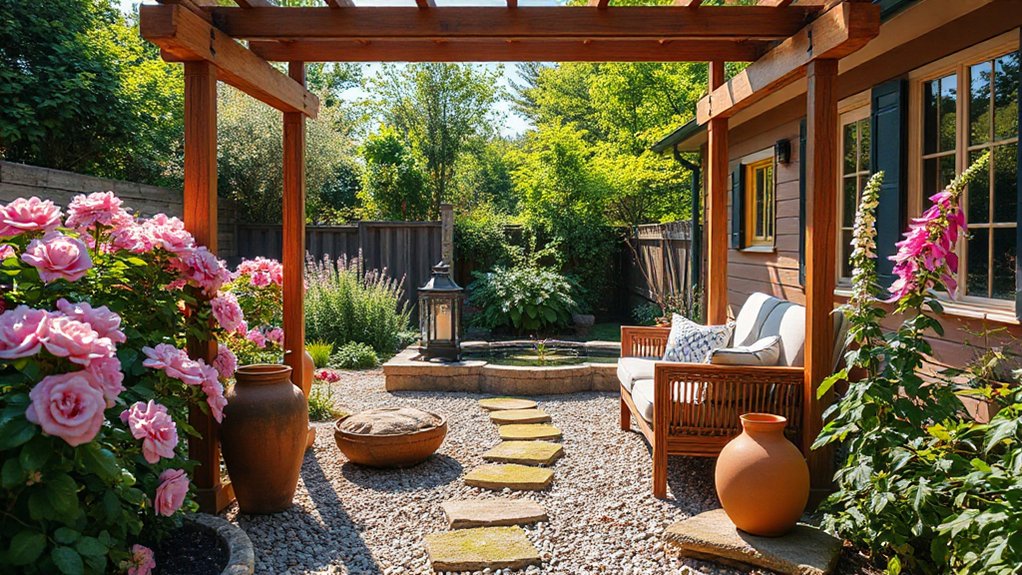
You might think a makeover costs too much or takes ages, but a focused plan keeps you in control. You’ll map goals, zone spaces, and layer texture with smart plant choices while keeping paths clear for flow. Budget-friendly DIY touches and subtle lighting create day-to-night impact, then smart irrigation and sensors cut ongoing labor. Start with a clear plan, then watch how details align—and stay attentive to changes that keep your outdoor retreat cohesive as it evolves.
Identify Your Garden Makeover Goals: What to Fix, What to Keep, What’s Possible
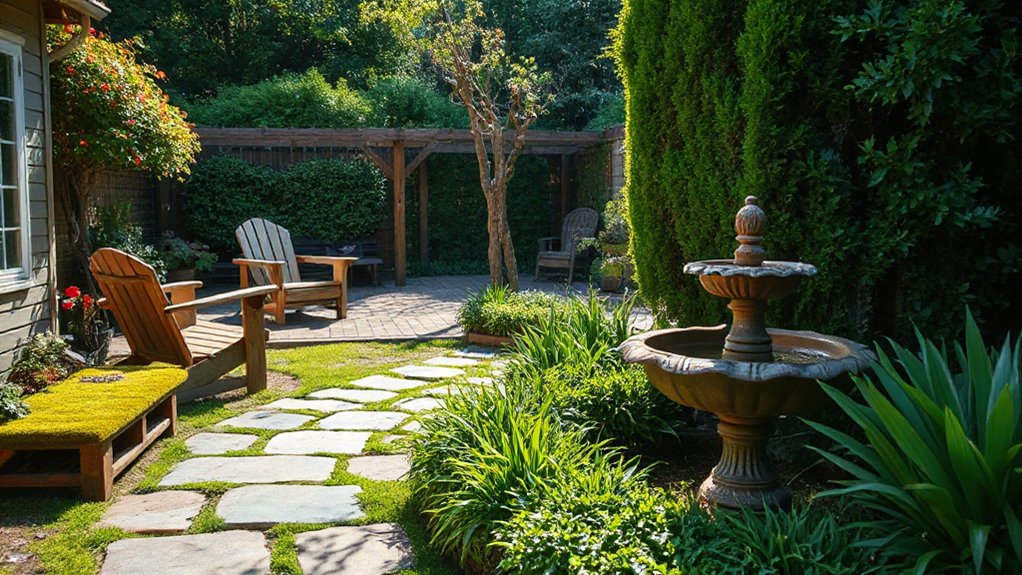
Start by outlining your goals for the makeover: what you want to achieve, why it matters, and how you’ll measure success. You’ll map a clear path from current conditions to desired outcomes, identifying fixed constraints and adjustable elements.
Pinpoint three to five concrete objectives, such as improving circulation, enhancing light access, or elevating seasonal interest.
Assess existing features for retention versus removal, noting structural assets, plant health, and soil condition.
Translate each objective into measurable criteria: footprint changes, plant health indicators, and maintenance requirements.
Visualize outcomes with a garden layout sketch, highlighting functional zones and sightlines.
Prioritize changes that reinforce aesthetic harmony, ensuring progression between areas are coherent, not disparate.
Validate decisions against long-term sustainability and adaptability.
Plan on a Budget: Set Zoning and Create Flow for Easy Movement
To plan on a budget, begin by zoning the garden into functional areas—entry, work, relaxation, and maintenance—and map how you’ll move between them. You’ll define a Garden layout that supports efficient circulation, minimizing wasted steps and cross-traffic.
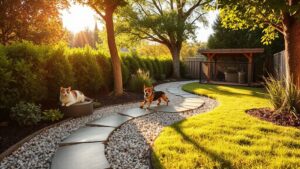
Implement a clear zoning strategy using low-cost boundaries—gravel paths, timber edging, or painted lines—to delineate zones without heavy construction. Prioritize primary routes: from entry to work stations, then to relaxation and storage.
Align paths with sun exposure and drainage, avoiding redundant loops. Use modular furniture and removable borders to preserve flexibility. Measure distances to ensure comfortable stride length and sightlines, preventing bottlenecks.
Document spacing with a simple plan, then execute gradually, adjusting for budget limits. This approach yields cohesive flow, functional zones, and a visually organized outdoor space.
Layer Texture and Color With Plant Choices
You’ll layer texture by mixing foliage with varied leaf forms and heights to create visual depth.
Coordinate color through seasonal shifts and contrast, pairing bold accents with subdued greens for a cohesive palette.
Plan plant combinations that read clearly from different viewpoints, ensuring each tier adds both texture and color without clutter.
Texture Through Plants
Texture through plants begins with deliberate layering of leaf shapes, sizes, and colors to create visual depth and tactile contrast across the garden. You’ll select species that differ in leaf texture, from glossy to pubescent, and in surface detail, such as venation or serration, to build a coherent tactile spectrum.
Assess plant height as you sketch vertical rhythm; tall specimens anchor back borders, mid-height forms occupy midplanes, and low prostrate taxa fill foreground pockets for continuous texture. Consider soil composition to support root systems without compaction, ensuring drainage and nutrient availability align with each plant’s needs.
Combine evergreen, deciduous, and seasonal foliage to maintain texture across seasons while avoiding gaps. Maintain crisp seasonal progressions by timing pruning and succession to preserve contrast and structure.
Colorful Layered Foliage
Colorful layered foliage builds on texture by pairing leaf shapes and surfaces with a deliberate palette. You select species with contrasting leaf forms—long, lanceolate, rounded, and lobed—to create directional movement and optical depth.
Combine glossy, matte, and waxy finishes to emphasize surface texture, then stack in a stepped arrangement from ground to crown for clear layering. Measure scale relationships so small-leaved groundcovers complement mid-height shrubs and taller accent trees, avoiding crowding.
Consider seasonal color shifts: evergreen backdrops frame deciduous accents, while variegation adds brightness without oversaturation. Reserve bold hues for focal points, and temper them with muted greens and grays to maintain balance.
Monitor foliage textures across seasons, adjusting plant placement as seasonal color evolves and texture prominence changes.
DIY Features That Boost Curb Appeal on a Budget
To boost curb appeal on a budget, you can implement practical, high-impact DIY features that transform your home’s exterior without breaking the bank. You’ll select durable materials, prioritize proportion, and install with exact spacing to maximize visual impact.
Begin with a core focal point: a single, well-placed outdoor sculpture or garden art piece that anchors sightlines from the street. Choose weather-resistant finishes and powder-coated metals for longevity, then complement with high-contrast color accents on trim and planters.
Create architectural rhythm by aligning planters and seating along straight lines or gentle curves, maintaining clear sightlines to entrances. Use inexpensive, long-lasting lighting to enhance texture and cast deliberate shadows.
Keep surfaces clean and joints sealed; documentation of dimensions guarantees repeatability for future upgrades. garden art, outdoor sculptures.
Illuminate and Seat: Daytime Functionality and Nighttime Ambiance
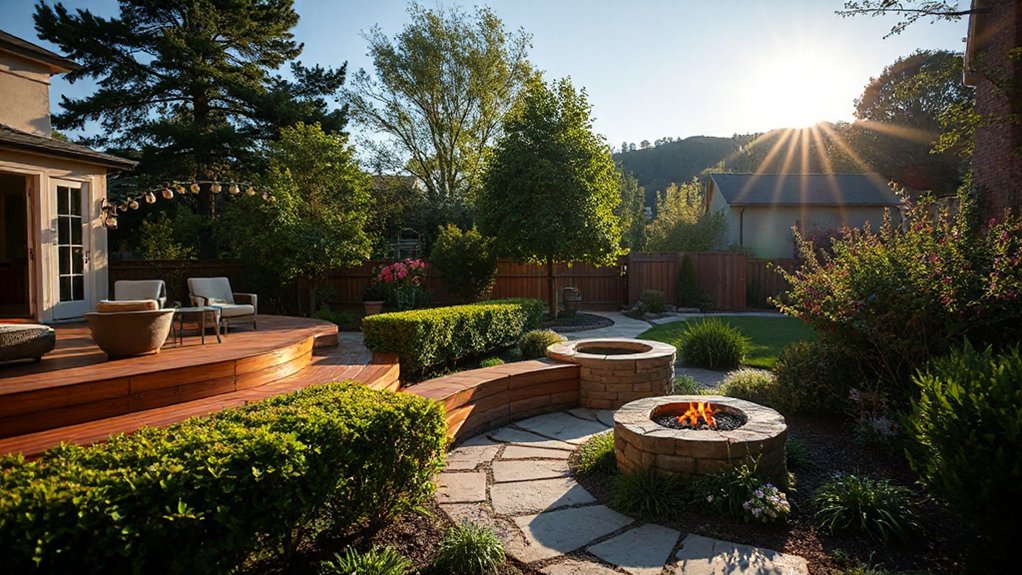
Illuminate daytime use and nighttime mood with purpose-built seating and lighting that work in concert. You design zones where solar lighting highlights paths, seating, and focal plants, creating legible sightlines from a single stance.
Choose seating arrangements that encourage flow—compact benches near entry points, modular modules for flexible grouping, and weatherproof chairs aligned to view corridors.
For daytime, select materials with natural reflectivity and minimal maintenance, so shadows read clearly without glare.
At dusk, integrate low-profile uplights and step lighting to define borders and safety routes.
Confirm dimmable controls or timers synchronize exposure with activity, avoiding overillumination.
Document cable-free layouts, placement offsets, and ground-cover compatibility so lighting remains tidy.
The result: functional daytime use, intimate nighttime ambiance, and cohesive garden perception.
Maintenance-Smart Upgrades for Long-Term Joy
To keep long-term joy intact, choose low-maintenance planting that thrives with minimal intervention and seasonal color shifts.
Pair these selections with routine care automation tips—smart irrigation, timed fertigation, and sensor-guided reminders—to reduce manual chores.
This approach emphasizes clear, visual steps: map plant height, bloom period, and water needs, then implement automation to sustain beauty with predictable, repeatable care.
Low-Maintenance Planting Choices
Wondering how to keep a garden thriving with less upkeep? Choose hardy, drought-tolerant perennials and composite groundcovers that reduce replanting frequency. Prioritize plants with deep, extensive root systems and pest-resistance traits to minimize interventions.
Align spacing to mature width, ensuring air circulation and disease resilience, while mulching to suppress weeds and stabilize soil moisture. For seasonal blooms without frequent replacement, mix a few core species with complementary bloom windows, so color persists across seasons and garden aesthetics stay coherent.
Favor native or well-adapted non-natives proven to perform in your climate, reducing supplemental watering and fertilization. Group plantings by sun, soil, and moisture needs to simplify irrigation planning.
Use labeled microclimates to direct maintenance tasks, not eliminations, keeping your landscape technically reliable and visually defined.
Routine Care Automation Tips
Routine care automation leverages smart timers, sensor-driven irrigation, and modular maintenance tasks to keep your garden thriving with minimal hands-on intervention.
You’ll set precise watering windows tied to soil moisture readings, reducing waste and preventing runoff. Automatic watering activates only when the garden sensor detects moisture below target thresholds, delivering water through efficient drip or micro-sprinkler emitters.
Task modules simplify upkeep: drop-in filter swaps, battery checks, and plant-area zoning updates stay wired to a central controller.
Visual dashboards show real-time soil humidity, ambient temperature, and forecast-adjusted needs, guiding maintenance cadence.
Hardware choices favor reliability: weatherproof enclosures, low-power radios, and surge protection.
Schedule audits compact routine checks into brief, repeatable routines, ensuring long-term health without overhauls.
Frequently Asked Questions
How Long Does a Full Garden Makeover Typically Take?
A full garden makeover typically takes several weeks to months, depending on scope. You’ll plan garden design, source materials, and install features like outdoor lighting, with precise timelines and phased milestones to minimize disruption and guarantee quality results.
What Are the Best Low-Maintenance Plants for Busy Homeowners?
You’ll want drought-tolerant options; take this case: a busy homeowner thrives with a hardy lavender bed. Consider planting alternatives like sedum and drought-tolerant grasses, then follow precise watering tips to minimize care and maximize visual impact.
Which Permits or Guidelines Apply to Outdoor Renovations?
Permitting requirements and zoning regulations determine your outdoor renovation scope; you’ll need builder alerts, plan approvals, and possible setback checks. Check local codes, file permits early, and factor utility access, drainage, and landscape continuity into your project timeline.
How Can I Maximize Privacy Without Sacrificing Light?
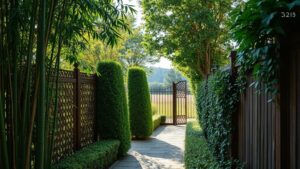
Privacy screens and natural barriers optimize light while boosting privacy. You’ll place slender, adjustable screens, staggered hedges, and lattice accents, balancing sun exposure with shading. This technical setup creates visual permeability, reduces glare, and preserves bright, comfortable outdoor spaces. Wow.
What Budget-Friendly Materials Last the Longest Outdoors?
You’ll want durable, budget-friendly options like composite decking and stabilized concrete, plus treated lumber for framing; these last long, resist weather, and stay visually neat. Use decorative stepping stones and recycled furniture options to finish the look.
Conclusion
You’ll finish your garden makeover with a cohesive, low-maintenance oasis. By defining goals, zoning for flow, and layering texture and color, you create depth without chaos. DIY features and smart irrigation keep costs down and upkeep predictable, while lighting and seating extend usability from day to night. Regular tweaks and rain-aware planning protect plant health and curb appeal. It’s a well-oiled, year-round retreat you can rely on—beat the odds and reap the rewards. It’s a snap, once you start.