
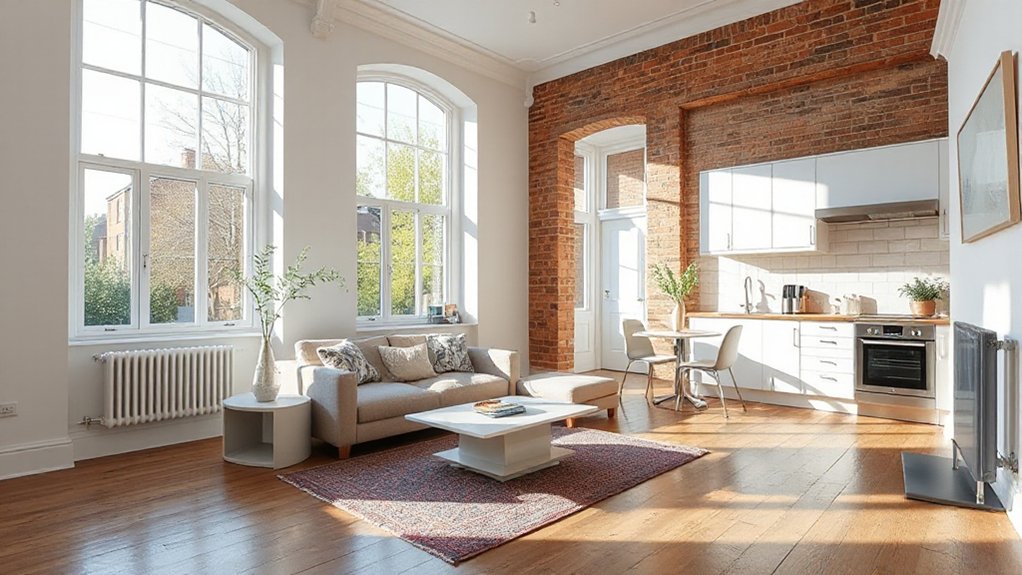
Imagine this: you notice a crack along a doorway and a street light that blares at night. You should assess exterior curb appeal, neighborhood vibe, and safety, then move inside to check for cracks, water intrusion, and foundation stability. You’ll want a natural flow, ample light, and smart storage, plus nearby transport and amenities that fit your routine. Before you commit, clarify lease terms, costs, and any repairs or upgrades so nothing surprises you after the move.
Arrival and First Impressions: What to Inspect
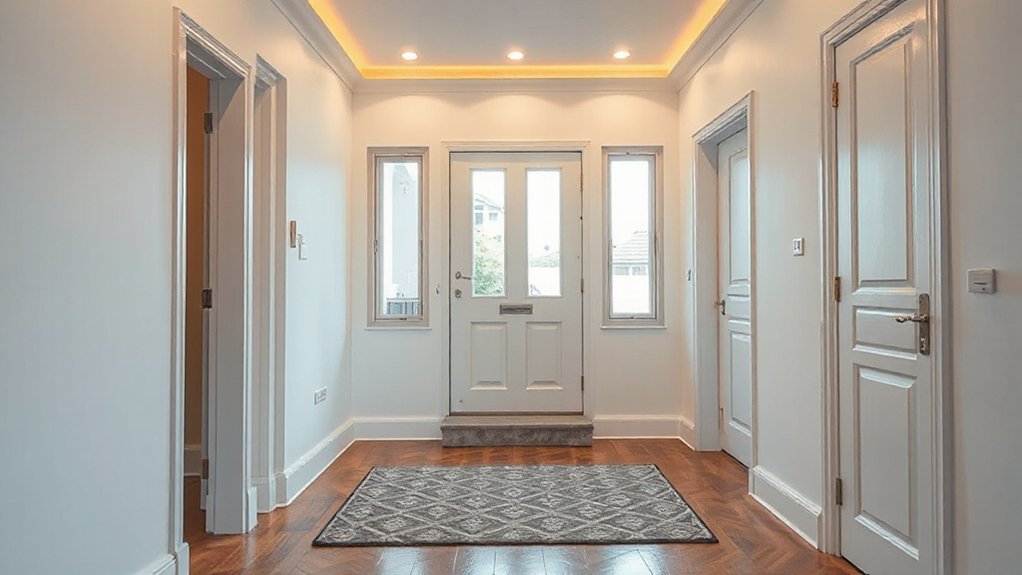
When you arrive, start with a quick exterior check: curb appeal, entry security, and overall condition of doors and windows. You notice how the facade presents first, so note wear, gaps, and locks without overreacting.
Step closer to assess lighting at dusk or after rain, and the visibility of house numbers. As you circle, scan the surrounding landscaping for maintenance and potential trip hazards.
Listen for neighborhood cadence—noise levels, traffic flow, and foot traffic—to gauge day-to-day comfort. Consider decorating ideas you could borrow: simple tweaks or accent touches that suit the space.
Observe the Neighborhood vibe: accessibility, safety cues, and how the street feels after hours. This snapshot helps you decide if the home aligns with your style and needs.
Structural Checks and Quick Repairs You Should Note
Structural checks and quick repairs are your early bottleneck checks: look for cracks in walls, signs of water intrusion, and uneven flooring, then note what’s worth a quick fix or professional attention.
You’ll evaluate foundation stability by observing doors and windows for sticking, floor harmonics, and visible foundation gaps.
Check wall integrity by feeling for cracks that widen with pressure, bulges, or new nail pops. Note efflorescence or damp patches indicating moisture ingress behind plaster or around pipes.
Distinguish cosmetic fixes from structural concerns: hairline cracks may be filler‑worthy; substantial cracks, misaligned doors, or bowing walls require a pro’s assessment.
Ask about past repairs, warranties, and any timber or structural additions.
Prioritize issues that impact safety, stability, and ongoing upkeep.
Light, Layout, and How the Space Fits Your Routine
Light pours into the rooms and guides how you move through the space, so notice both brightness and how it shifts with time of day.
Consider the layout: does the flow support your routine, from morning coffee to evening wind-down, or do you find chokepoints where it slows you down?
Think about fit—how the space supports your habits, storage, and the moments you’ll actually use each area.
Light and Flow
Natural light shapes how you move through a space, so start by tracing the path you’ll take daily and note how each room’s glow shifts from morning to evening.
You’ll assess flow by reading sightlines: does a living area feel connected to the kitchen or corridor, or does your first path force backtracking?
Check how doorways, alcoves, and furniture placements guide you without interrupting movement.
Consider interior decor and how zoning works: is intimate seating tucked near windows, while work zones avoid glare?
Evaluate outdoor views and the way sunlight bleeds into rooms, shaping mood and energy.
Finally, imagine hosting: can flow accommodate guests without crowding, or cause bottlenecks during passages from indoors to balcony or garden.
Space and Routine Fit
You’ll judge how a space fits your daily rhythm by pairing light, layout, and routine demands. In a viewing, notice how natural light shifts with time and how rooms feel when you move through them.
Check the layout: does the flow support your typical day, from morning routines to evening wind-down? Consider furniture placement and potential furnishing options that align with how you live, not just what looks stylish.
Are there clear zones for cooking, working, and relaxing, or will you trample over wire clutter and trip hazards? Evaluate storage solutions: closets, cabinets, under-bed space, and built-ins.
If a space requires major rearranging to fit your routine, question whether the effort is worth it or if a better layout exists elsewhere.
Systems and Comfort: Noise, Heating, Water, and Temperature
You’ll want to gauge how quiet the space feels, from street noise to HVAC rumble. Note any acoustics that make conversations awkward.
Check the heating system for consistent warmth and quick response. Ask about maintenance history and recent efficiency upgrades.
Finally, test water temperature stability in taps and showers to avoid sudden changes that disrupt comfort.
Noise Levels And Acoustics
Noise is a key comfort factor in London and Manchester homes. When you listen, note how sound travels between rooms and from outside. Check for consistent sound levels at different times of day without amplifying street noise.
Focus on sound insulation: look for solid doors, tight frames, and heavy flooring that limits thump and footfall. In shared walls, taps or appliances shouldn’t echo or rattle; ask about any known vibration sources.
Acoustic design matters: consider ceiling treatment, decoupled walls, and where ceilings meet beams or stairs. If you hear voices clearly through partitions, revisit layouts or consider additional insulation options.
Heating System Effectiveness
A well‑performing heating system keeps rooms evenly warm without bursts of heat or dead zones, so start by testing each radiator or vent at different times of day and with varied thermostat settings. You’ll note uneven warmth, cold spots, or delayed heating, which signal airlock, balancing needs, or trapped air.
Check for audible gurgles or banging as confirmation to bleed radiators, then verify that thermostats respond promptly to temperature changes.
Assess overall energy efficiency by observing boiler cycling and any on‑demand hot‑water strain. Look for visible insulation gaps around pipes or ductwork that could waste heat.
Maintenance requirements matter: confirm recent service history, filter accessibility, and compatibility with smart controls to sustain reliable comfort and lower running costs.
Water Temperature Consistency
Water temperature consistency matters for comfort and efficiency; fluctuations can signal boiler or pump issues, inconsistent flow, or imperfect mixing in multi-zone systems.
When you test taps, run hot and cold at once and observe stability across fixtures. Note any delays, temperature swings, or abrupt changes as you cycle through bathrooms and kitchens.
Listen for noisy pumps or expanding pipes, which can hint at plumbing efficiency problems or aging valves.
In showers, check whether the supply maintains a steady feel rather than sudden spikes.
Inspect insulated pipes in cupboards and lofts; poor insulation wastes heat.
Ask about recent boiler servicing and zoning controls.
Consistent water temperature reduces energy use and enhances daily comfort in the home you’re evaluating.
Location Realities: Transport, Amenities, and City Life

Transport and amenities shape daily life in London and Manchester more than you might assume: proximity to stations, bus routes, and cycle lanes determines how long your commute takes.
While nearby cafes, supermarkets, and schools define the practical ease of living.
In this scene, you assess not just the walls but the rhythm outside: how often trains run, how safe the walk to the tram feels, where you can grab a coffee before work.
Look for Neighborhood culture in the street life and nearby parks, and note accessible local attractions that keep weekends interesting.
Consider if the area supports spontaneous outings, fresh groceries, and social vibes, without sacrificing quiet when you need it.
Costs, Leases, and Value: What You Must Know Up Front
Costs, leases, and value aren’t afterthoughts when you’re house hunting in London or Manchester—they’re the lens through which you judge every listing. You’ll want clarity on upfront costs, monthly outgoings, and how value stacks against price.
Ask about service charges, ground rents, and any hidden fees that creep into annual bills. Understand lease length, renewal terms, and eventual costs to extend or assign.
Compare prices using transparent pricing strategies rather than anecdotes, spotting whether asking prices reflect recent sales, condition, and location.
Probe lease negotiations early: who pays for repairs, alterations, and redecoration?
Demand a breakdown of all costs in writing, plus a clear timeline for key milestones.
With precise figures and solid terms, you can compare listings confidently and avoid surprises.
Frequently Asked Questions
How Long Should I Spend on a Typical Viewing in London Vs Manchester?
Typically, spend 30–45 minutes in London and 20–40 minutes in Manchester, adjusting for property aesthetics and neighborhood amenities as you assess layout, natural light, storage, and overall fit with your lifestyle and priorities.
What Are Rare Hidden Costs Buyers Should Expect After Viewing?
Hidden fees creep in after your viewing, like shadows at dusk; expect maintenance costs, insurance gaps, and council charges. You’ll want to budget early, verify mortgages, and demand itemized estimates to avoid surprises you’ll regret later.
Can I Safely Rely on Agent-Provided Energy Efficiency Ratings?
You can’t rely solely on agent-provided energy efficiency ratings; energy labels vary. Check rating reliability by cross-verifying with independent sources, room-by-room assessments, and recent energy bills to confirm a home truly meets claimed standards.
How Should I Verify Lease Terms and Service Charges Accurately?
You should conduct lease verification and service charge clarification yourself, noting dates, inclusions, and caps. You’ll request full breakdowns, compare with contracts, and question any irregularities until terms match your expectations and financial plans.
What Questions Reveal Potential Landlord Constraints or Waiting Periods?
You should ask about Landlord restrictions and Waiting period concerns upfront; they reveal hidden caps on occupancy, subletting, or renovations, and potential delays before moving in, helping you gauge feasibility and plan contingencies accordingly.
Conclusion
In the end, trust what you feel as you walk away. Note the curb appeal, listening for street noise and the glow of lighting at night. If the layout fits your routine and storage is ample, you’re closer to a yes. Remember to confirm lease terms, costs, and any repairs in writing. Fun fact: London and Manchester average 15–20 minutes more commute time than you’d expect for central spots—great for gauging real convenience beyond appearances.