
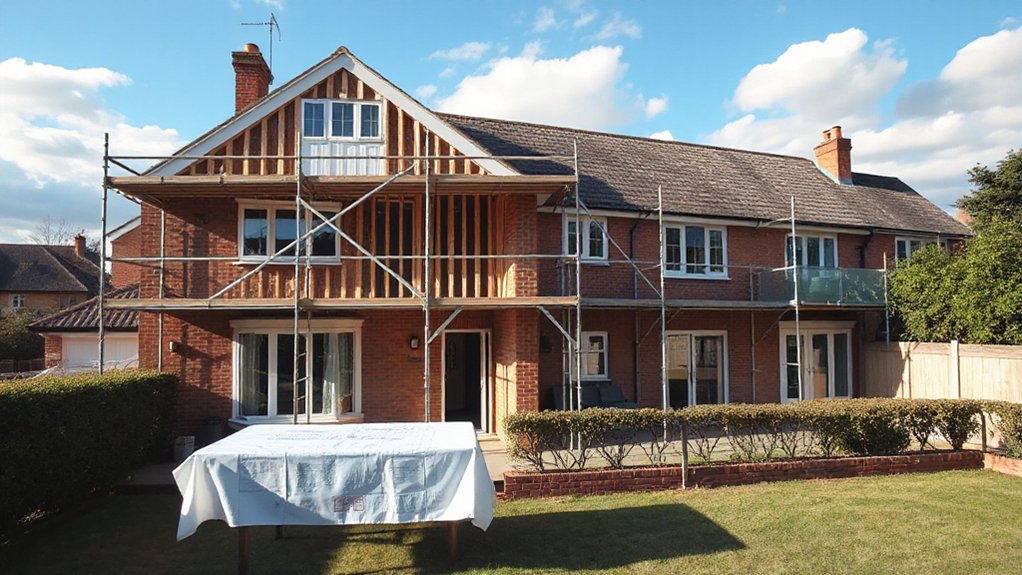
Did you know that most UK home extensions fail to get the right consent on the first attempt? You’ll want to map permissions, local constraints, and potential constraints before you design, so your plans stay compliant and affordable. Start by checking permitted development rights, then consider site specifics, height, eaves, and neighbor impact. You’ll need clear documentation, early dialogue with planners, and a realistic budget to keep the project on track — and avoid costly delays. Ready to begin with a solid plan?
Define Your UK Extension: What Counts as a Permissible Addition
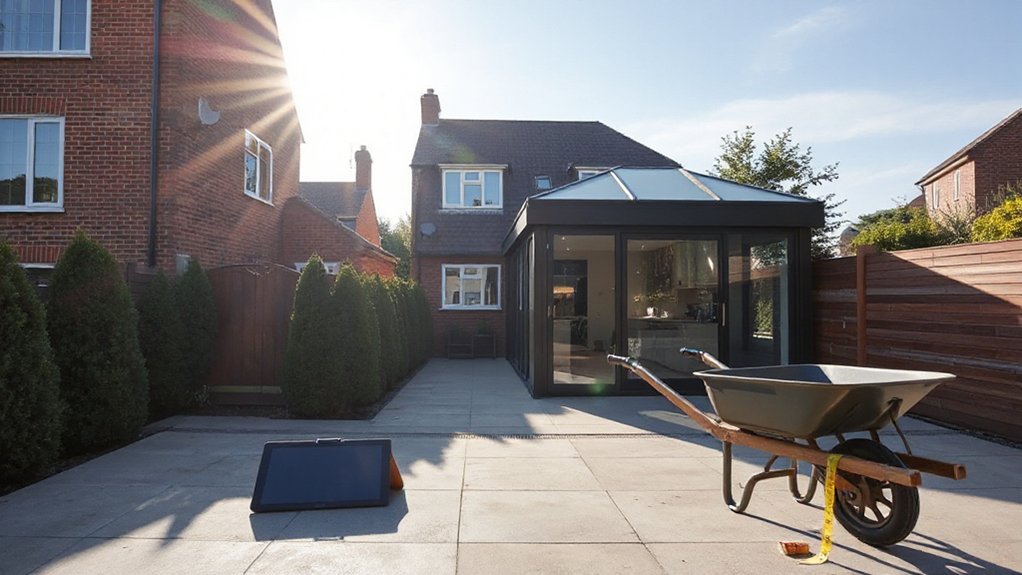
A permissible UK extension is one that fits within your local planning rules and the national allowed development framework. You determine the scope by identifying what counts as an extension in your area, then assess how it impacts property valuation and streetscape.
Start with size, footprint, and height limits, ensuring you stay within permitted dimensions or clearly justify exceptions. Consider whether you’re adding rooms, a conservatory, or a loft conversion, and how those choices influence your overall property value and sale appeal.
Aesthetic considerations matter: materials, roofline, windows, and detailing should harmonize with the existing home. Document your aims, consult your planning portal, and compare recent approvals nearby to calibrate expectations.
Aim for clarity, consistency, and compliance to streamline the process.
Permitted Development vs Planning Permission: What You Can Do Without Consent
Permitted development allows certain home improvements without planning permission, but you must know where the line lies. You can extend, loft, or wrap a small rear extension within limits, yet not all changes qualify.
If your plan exceeds size, height, or proximity rules, you’ll need planning permission. Check conservation areas or listed buildings, where tighter constraints apply.
Even for permitted work, you must comply with building regulations and any grafted conditions from your local authority. Failing to meet these can trigger retrospective permission or enforcement action.
Environmental considerations matter too: avoid excessive overlooking, respect drainage, and protect trees and wildlife habitat.
If you’re unsure, consult a planning advisor early to prevent costly repeats or refusals.
How Local Rules Could Affect Your Extension
Local authority constraints can shape what’s possible, so you should check your area’s specific rules before planning.
Be aware of permitted development limits that might cap extensions without full planning, and how nearby neighbours’ views or a consultation process could influence approvals.
Start by confirming thresholds, notice requirements, and any local design or conservation constraints that apply to your site.
Local Authority Constraints
Local planning rules can shape what you’re allowed to build, so it’s essential to identify the constraints your project might face early. Your first step is to consult the local authority’s planning portal and speak with the case officer assigned to your area.
Confirm whether your extension requires planning permission, a preliminary planning consultation, or falls under delegated decisions. Be aware of local design guides, conservation area protections, and any listed-building considerations that could modify dimensions or materials.
Community engagement helps prevent objections later, so consider a brief neighborhood notice or public meeting if appropriate.
Also assess environmental impact, including drainage, trees, and flood risk, as these factors can trigger further assessments or conditions attached to approval.
Prepare concise justifications to address potential concerns and streamline the process.
Permitted Development Limits
If your plan hinges on permitted development rights, you’ll want to map out what you can add without full planning permission and where those rights don’t apply. Permitted development limits set size, height, and location constraints, so you can project extensions without submitting a planning application.
You must verify rules for your property type, conservation areas, and listed statuses, since restrictions tighten in sensitive locations. Keep a precise plan of elevation changes, materials, and eaves height to avoid breaches.
Consider Environmental impact assessments only if your build triggers them, and prepare to adjust to minimize disruption.
Historic preservation concerns can shape design choices, guiding you toward compatible materials and scale.
Stay informed on local amendments, as councils sometimes add thresholds beyond national guidance.
Neighbour Consultation Impacts
Understanding neighbour consultation rules is key once you’ve mapped permitted development options. When planning, you’ll likely encounter formal or informal feedback windows, depending on your local authority and scheme.
Neighbour feedback can influence outcomes, highlighting overlooked impacts or benefits you hadn’t considered. You should actively invite input from adjacent residents, but remain objective and courteous in how you respond.
Document concerns clearly and address them with factual information, diagrams, or revised plans where appropriate. Community influence matters for perceived legitimacy and smooth processing, even if decisions ultimately hinge on policy thresholds.
Keep correspondence trackable, deadlines met, and responses specific. If concerns reveal real issues, adjust design modestly to reduce impact while preserving your goals.
Design for Compliance: Size, Height, and Eaves
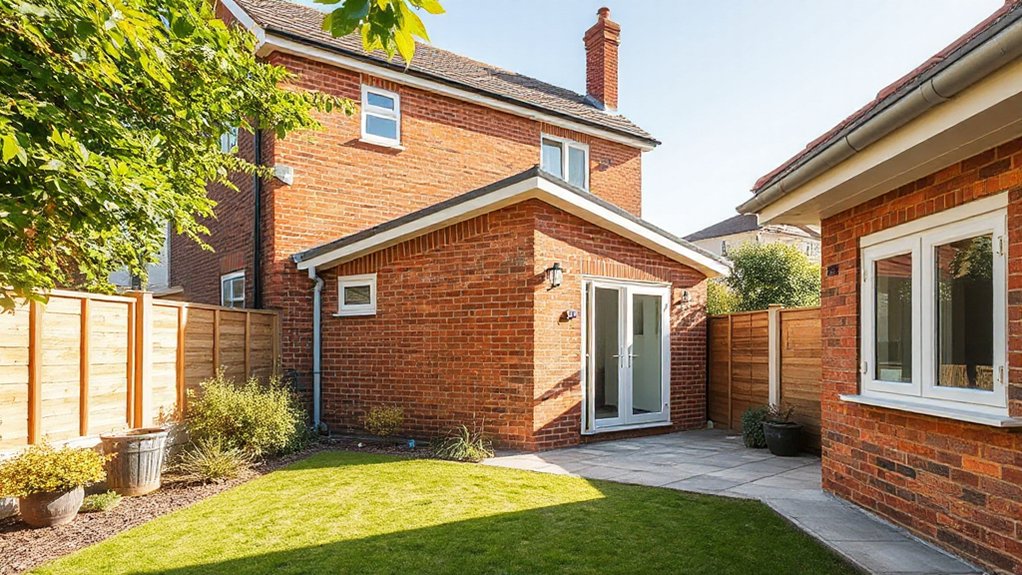
Design the extension to stay within the rules by balancing size, height, and eaves from the outset. You determine your limits by checking local planning guidance and permitted development thresholds, then sketch a footprint that fits within them.
Size matters most for impact on neighbours and street scene, so keep the proposal modest and proportional to the original dwelling.
Height should respect rule-of-thumb limits—avoid a bulkier silhouette that dominates adjoining homes.
Eaves must sit comfortably with the existing roofline to prevent overbearing appearances and potential objections.
For roof design, choose a scale that complements the house and avoids imposing features.
Material selection should be durable and lightweight where possible, reducing weight transfer and sightlines.
Align choices with planning policy to minimize risks of revision.
Daylight, Shadows, and Neighbor Impact: What to Check
You should check how your extension affects daylight when planning, including any limits on daylight impact.
Consider how shadows from the proposal might shift across neighbouring plots and times of day.
Aim for a balance in light between your site and nearby homes, noting any neighborhood daylight expectations.
Daylight Impact Limits
Daylight impact limits determine how a proposed extension affects natural light in nearby homes. You’ll assess how much daylight your design preserves for neighbors, balancing room layouts with planning guidance.
Focus on basic metrics like can lengths, angles, and window heights to minimize shading across adjacent facades. You’ll want to maximize Sunlight access where possible, while avoiding overbearing bulk that reduces daytime brightness in adjacent rooms.
Consider the orientation of your extension and how it shifts light patterns through existing windows. Window placement matters: position new glazing to avoid direct overshadowing of neighbors’ principal rooms, and preserve existing light corridors.
Document strategies for limiting daylight loss, so your plan remains transparent, compliant, and less prone to objections during the consent process.
Shadow Cast Considerations
Shadow cast considerations matter because how your extension blocks light after it’s built can trigger objections or refusals. You’ll assess sunlight obstruction from the daytime and seasonal sun angles, focusing on how much light neighboring rooms and gardens receive.
Perform a shadow analysis to map critical shading during typical hours and at key dates, especially on winter standards when light is scarce. Consider both existing buildings and your proposed footprint, noting any substantial reduction in daylight.
Evaluate window-to-wall ratios, eave heights, and allowable projections to minimize impact. Document findings for planning discussions, emphasizing balance between your needs and neighbor light access.
Use clear measurements, diagrams, and straightforward reasoning to support your case and avoid misinterpretation.
Neighbourhood Light Balance
To balance daylight, shadows, and neighbor impact, start with a clear map of how your extension will affect light in surrounding spaces. You’ll assess windows, gardens, and outdoor seating, noting potential reductions in natural light and any new shading.
Check how long shadows will fall during different seasons, and whether adjacent rooms or conservatories lose valuable sun. Consider garden privacy; confirm fences, screens, or trellises avoid creating claustrophobic glare or blocking meaningful light for neighbors.
Document existing daylight rights and malpractice-free encroachments, then compare proposed volumes against local targets. Think about architectural styles and their impact on scale, ridge height, and window placement.
Finally, prepare a simple diagram and rationale you can share with your planning officer, mitigating concerns about neighbor impact.
Navigating the Approvals Process: Timelines, Documents, Roles
When you’re planning a house extension, understanding the approvals process is essential to avoid delays and keep your project on track. You’ll start by identifying the correct consent path—permitted development, planning permission, or a local, non-material amendment.
Timelines vary by authority, so check targets for validation, consultations, and decision, then map milestones against your build schedule. Gather required documents: drawings, site plans, access details, and any supporting statements.
Roles matter: you’re coordinating with the architect, the planning officer, and your contractor, ensuring everyone submits consistent information. Building permits may be needed for construction work, while contractor selection should precede formal approvals to align design with execution.
Track responses, log conditions, and address objections promptly to keep approvals on track.
Budget Safeguards and Practical Pitfalls to Avoid
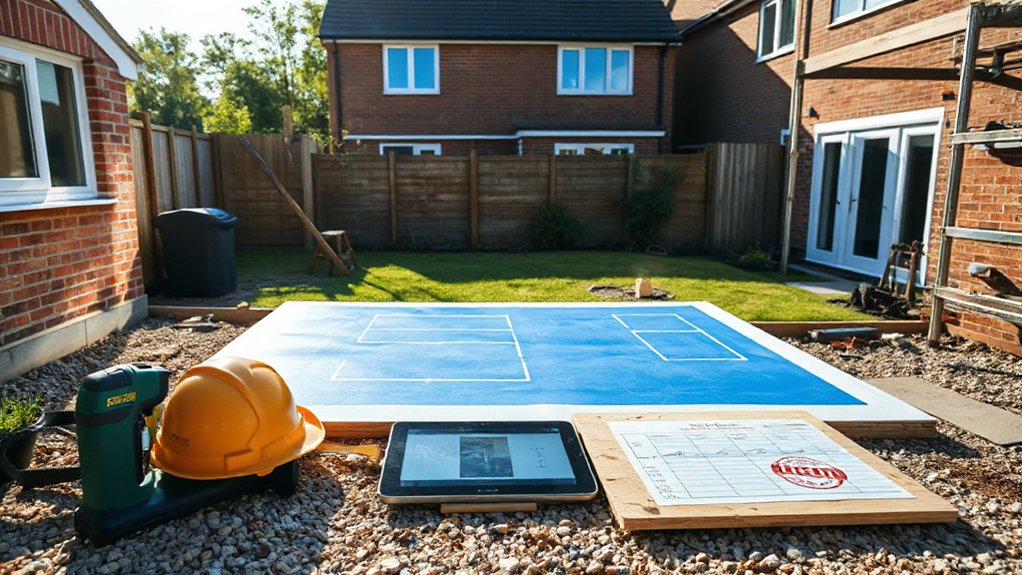
Budget safeguards matter from day one: set a realistic overall cap, add a 10–15% contingency for unforeseen costs, and lock project milestones to prevent scope creep. When you plan, focus on clear budgets linked to your planning permissions, so you don’t run into surprises later.
Practice disciplined budget planning by itemizing trades, materials, and fees, then revisit estimates as plans evolve.
Choose a transparent process for contractor selection: obtain multiple quotes, verify references, and compare inclusions and exclusions to avoid hidden charges.
Include a formal change-control mechanism to capture scope changes without breaking your budget. Document decisions, cost drivers, and approval steps, and track variances weekly.
Finally, keep contingency accessible for urgent fixes, and communicate openly with lenders and stakeholders to maintain financial stability.
Frequently Asked Questions
How Long Does It Take to Obtain a Planning Inspectorate Appeal Decision?
You’ll typically wait several weeks to several months for a planning inspectorate appeal decision. Expect an appeal process timeline that can stretch from around 16 weeks to over 6 months, depending on case complexity and workload.
Do Neighbouring Trees Affect Extension Planning or Approvals?
Trees nearby do matter: tree impact and neighbouring influence can affect extension plans. You should assess root spread, canopy shading, and potential protection orders, and consult neighbours and your planning authority early to avoid delays.
Can You Convert a Garage Without Planning Permission?
You might need planning permission for a garage conversion; it isn’t automatically exempt. Check local policies, as you’ll often require Planning permission unless it’s permitted development, which has strict size, use, and impact conditions. Always confirm with your council.
Are There Tax Incentives for Energy-Efficient Extensions?
One statistic: energy-efficient homes save up to 30% on yearly bills. You can access energy grants and tax rebates for extensions; claim processes vary—check eligibility, apply early, and keep receipts to maximize financial support.
What Happens if My Plan Changes After Permission Is Granted?
If your plan changes after permission is granted, you’ll need to seek approval for amendments; expect possible construction delays and potential legal challenges, and consult your planning authority to minimize disruption and keep your project compliant.
Conclusion
So, imagine your extension as a sturdy ship launching from your home-harbor. You chart the currents of permitted development and planning permissions, inspect local reefs of conservation areas, and gather the crew—neighbors, planners, designers. With a well-planned deck, proper daylight, and mindful shadows, you sail smoothly through approvals and budgets. If you respect size, height, and eaves, your voyage stays steady. Prepare, consult, and document well, and your house extends into calm waters, not churning seas.