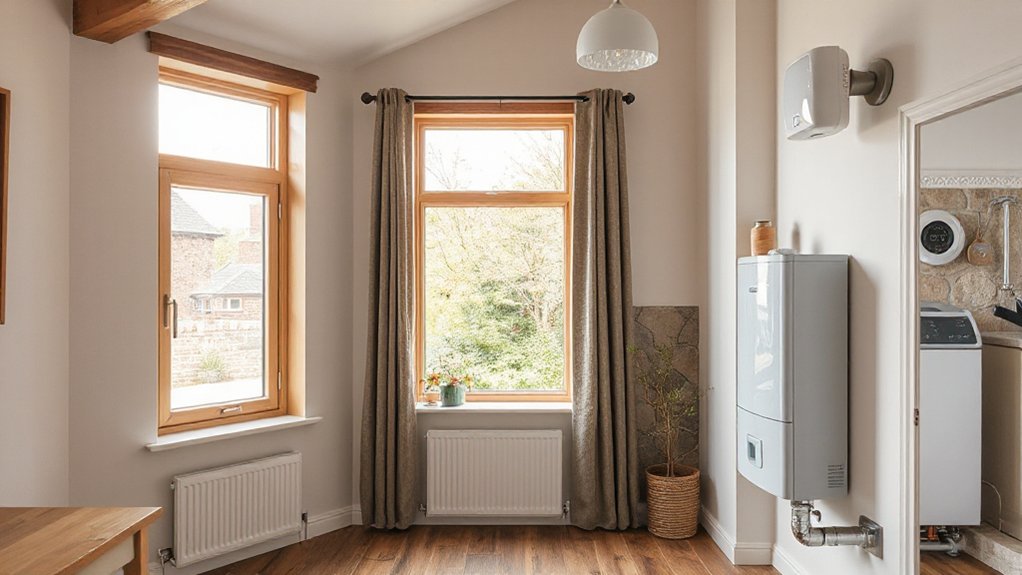
Last winter, a typical UK semi saved around 30% on energy by upgrading insulation, sealing drafts, and adding a smart thermostat. You can start with quick wins like LED upgrades and draught-proofing, then move to insulation and airtightness, efficient boilers or heat pumps, and finally add solar or storage as fits your home. It’s a practical path with clear payback, but the best sequence depends on your current setup and budget—so what fits your home first?
What Makes UK Homes Energy Efficient: Key Criteria and Benchmarks

UK homes are considered energy efficient when they minimize heat loss, use fuel wisely, and maintain comfortable temperatures with minimal energy input. You assess efficiency by measurable criteria: insulation performance, airtightness, heating system efficiency, and thermal bridging.
Key benchmarks include U-values for walls, roofs, floors, and windows, plus a target air leakage rate per hour. You also evaluate heating controls, boiler efficiency, and how solar gains offset demand.
Practical metrics come from energy audits and standardized tests, giving you a clear action plan. Track changes in running costs and comfort before and after improvements.
Your carbon footprint reduction depends on upgrading insulation, sealing leaks, and selecting high-efficiency systems. Use audits to set baselines, measure progress, and validate savings for informed decisions.
Quick Wins That Cut Bills Fast: LEDs, Drafts, Smart Controls
LEDs, drafts, and smart controls deliver fast bill reductions because they target the main heat and energy losses in households. You’ll see immediate gains from LED lighting: lower wattage, longer lifespans, and consistent output reduce peak loads and electricity spikes.
Replace high-use fittings with LED lighting in living areas, kitchens, and hallways, and you’ll cut lighting energy by a meaningful margin.
Drafts matter too—seal obvious gaps around doors and windows, use drafts excluders, and adjust or install door sweeps to reduce cold air intrusion without waiting for seasonal shifts.
Smart thermostats optimize heating timing, preventing wasteful warming when you’re away or asleep. Use them to maintain comfort efficiently, pairing with zoning or scheduling for further savings.
These quick wins deliver measurable, install-now impact.
Insulation and Airtightness: The Smart Upgrade Blueprint
Insulation and airtightness form the backbone of long-term energy savings, building on those quick wins by tackling heat loss at its source. You’ll gain the most by prioritising continuous insulation and sealed joints, then verifying performance with a blower door test.
Use loft and wall insulation with proven R-values for UK climates, and guarantee floor and rim areas are addressed to prevent thermal bridging.
Implement airtightness strategies that avoid drafts without compromising ventilation; pair with Smart ventilation to balance moisture control and fresh air.
Focus on moisture control to prevent mould and material degradation, especially in older homes.
Choose breathable, well-sealed materials in the right places, and document material specs and installation details for ongoing performance tracking.
Heating Upgrades: Boilers, Controls, and Heat Pumps
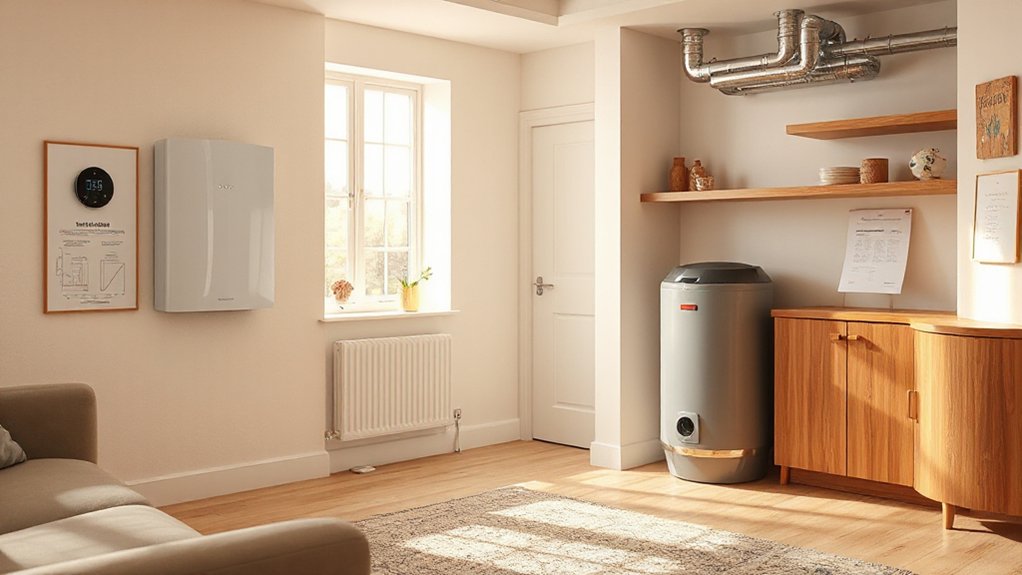
Are you getting the most efficiency from your heating system? Modern boilers, smart controls, and heat pumps can trim consumption without sacrificing comfort.
Start with your boiler: high-efficiency condensing models respond quickly to demand and lower seasonal running costs. Pair it with precise Heating controls to minimize wasted heat, and set schedules that reflect occupancy and room usage.
Smart thermostats integrate weather data and appliance timing, reducing peak demand and enabling remote tweaks.
If you’re upgrading to a heat pump, confirm proper sizing and refrigerant choice; a properly designed system can outperform a conventional boiler on annual fuel use.
Consider zoning and sensor placement to avoid overheating unused spaces, and verify heat emitters match system output.
Regular servicing sustains efficiency and extends equipment life.
Renewable Options for UK Homes: Solar, Storage, and Heat Pumps
Renewable options for UK homes focus on solar, storage, and heat pumps to cut carbon while keeping bills predictable. You can install solar panels to generate daytime electricity, slashing daytime grid use and reducing bills, especially with feed-in tariffs or self-consumption strategies.
Pair solar with energy storage to capture excess daytime generation for evenings and cloudy days, improving reliability and limiting peak-rate purchases.
Heat pumps remain a core option, delivering low-carbon heating with efficient electricity use; their performance depends on insulation, building airtightness, and proper sizing.
Consider system compatibility, local incentives, and maintenance needs to maximize return.
You’ll benefit from monitoring tools that track generation, storage state, and consumption, enabling smarter, data‑driven energy use without guesswork.
Focus on proven technologies, measured with real-world performance data.
Planning, Costs, and Payback: Choosing Upgrades That Fit Your Home
Start by sizing up what upgrades fit your home, considering both structure and budgets you’re comfortable with. We’ll weigh up upfront costs, running savings, and payback timelines, using real-world data to compare options.
With planning in mind, you’ll pick upgrades that balance effectiveness, costs, and fit for your house.
Planning To Upgrade Costs
When planning upgrades, start by estimating total costs, potential savings, and payback periods to prevent overinvesting in features that don’t fit your home. You’ll want a clear budget plan that accounts for installation, financing, and maintenance, so your decisions align with real returns rather than hype.
Use recent energy bills and appliance specs to model typical savings, then compare against upfront and ongoing costs. Prioritize upgrades with the strongest return on investment for your property type and climate.
Document assumptions, sources, and timelines to keep decisions grounded. In this stage, focus on budget planning and reliable contractor selection to guarantee quotes reflect scope accurately.
Seek transparent itemized bids, asking for energy-efficiency ratings and warranty details to avoid surprises later.
Payback Time And Fit
Payback time isn’t a guess; it’s a plan you build from your real numbers. You’ll assess fit by comparing property specifics with upgrade needs, not trends. Run a payback analysis that factors installed cost, energy savings, and reliability.
For each upgrade, estimate annual bill reductions and maintenance shifts, then calculate simple payback years. If a heat pump saves 320 pounds annually but costs 6,000 pounds, payback is about 19 years—acceptable only if you value comfort, climate resilience, or grant support.
Consider upgrade scheduling to align with renovation phases, avoiding duplicate disruption. Prioritize high-impact, low-friction options first, and time longer paybacks with staged installations.
Document assumptions, ROI thresholds, and exit criteria. Your plan should reflect home layout, usage patterns, and available incentives.
Frequently Asked Questions
How Do UK Energy Efficiency Schemes Affect Upgrade Choices?
UK energy efficiency schemes shape your upgrade choices by offering Renewable incentives and government funding, guiding cost-effective options. You’ll prioritize returns, compare payback periods, and select measures that maximize grants, rebates, and long‑term energy savings.
Can I Combine Upgrades for Maximum Grant Eligibility?
Yes, you can combine upgrades for max grant eligibility, actually. Smart thermostats and solar panels stack benefits, and combining them boosts savings; you’ll typically qualify more if you package measures, monitor data, and align with scheme criteria.
What Maintenance Do Energy-Saving Systems Require Long-Term?
Maintenance costs vary, but expect routine checks every 6–12 months to guarantee system longevity. You’ll save with proactive servicing, monitor efficiency trends, and budget for component wear, replacements, and potential calibration tweaks as performance data declines.
Do Retrofit Upgrades Affect Home Resale Value?
Yes, retrofit upgrades can boost resale value, especially when you highlight renewable incentives and insulation benefits; buyers appreciate lower bills and solid efficiency data, so you’ll attract offers, and your home sells faster with credible, quantified improvements.
Which Upgrades Have the Fastest Measurable Payback?
Smart thermostats deliver the fastest payback, often weeks to months, by cutting heating waste; pair with solar panel integration to extend gains. You’ll see measurable savings as you program schedules, monitor usage, and optimize for weather patterns.
Conclusion
You’ll feel the difference the moment you switch on a modern home. With LED lighting, draft-proofing, and smart controls, your bills drop faster than a hot water tank in summer. Insulation, airtightness, and efficient boilers or heat pumps slash heat loss to almost zero, turning your house into a frugal fortress. Add solar, storage, and savvy planning, and you’ll gain access to savings that compound like compounding interest—quiet, steady, and wonderfully concrete. Your future, dramatically greener and cheaper.