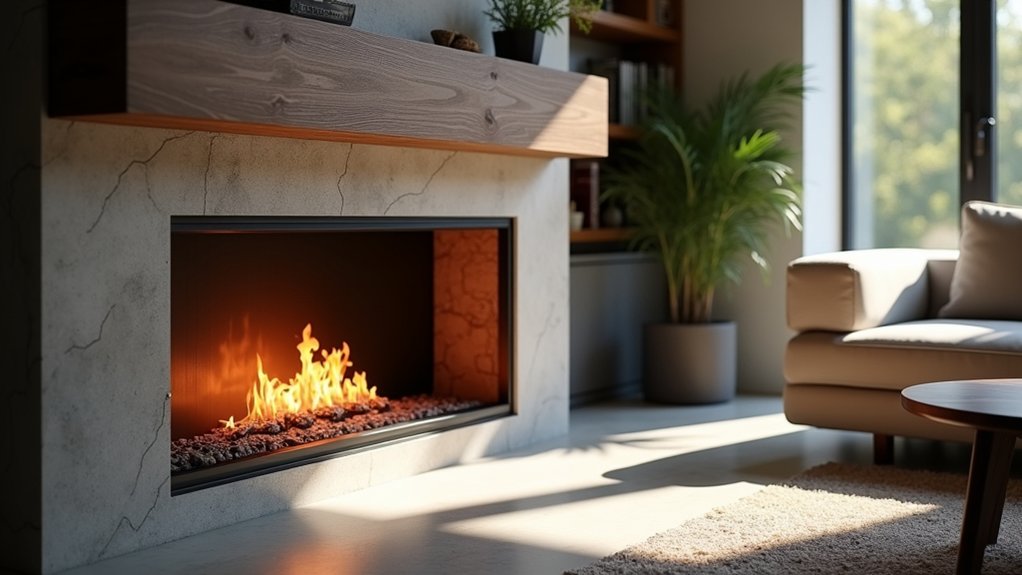
You’re weighing a bioethanol fireplace for your space, and you’ll find its charm sits alongside practical limits you’ll want to assess first. It delivers ambiance and design freedom with a clean burn, but its heat output is modest and ongoing fuel costs matter. Safety and installation deserve care, and environmental impact hinges on fuel sourcing. Consider your room, budget, and expectations as you weigh the pros and cons, then decide what balance suits your needs.
What Is a Bioethanol Fireplace and How It Works
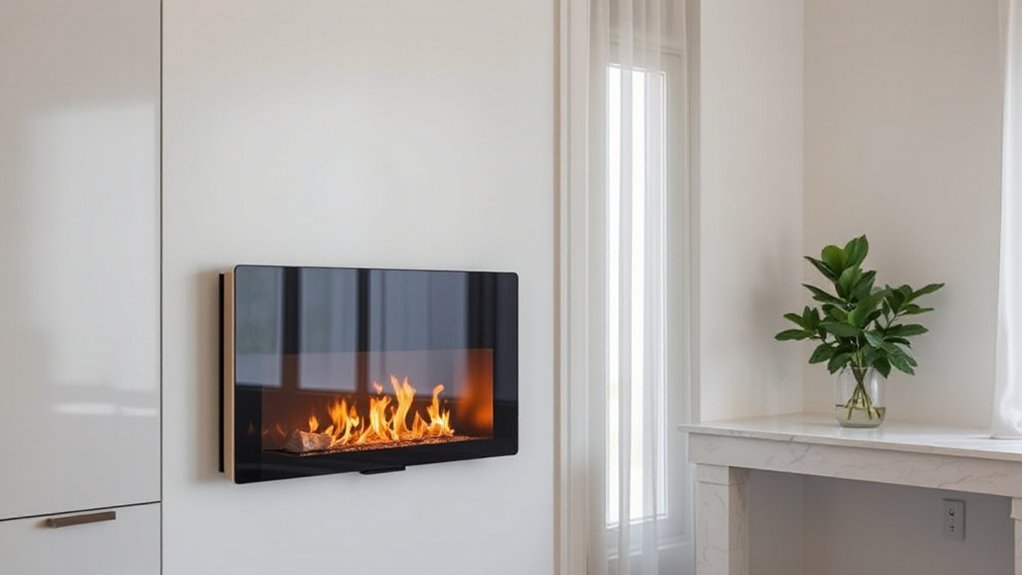
A bioethanol fireplace uses ethanol, a clean-burning renewable fuel, to produce heat and a real flame without a chimney or venting. You’ll learn how it operates, the components involved, and what to expect in daily use.
At its core, a burner holds the fuel, ignites it, and creates a controlled flame backed by a ceramic or steel chamber for heat transfer.
You’ll see minimal maintenance, with simple refueling and regular cleaning of the burner area.
The Environmental impact matters: ethanol burns cleanly, but sourcing and production affect overall sustainability.
The installation process centers on safe placement, proper clearance, and vent-free operation, ensuring you meet local codes.
Understand safety features, capacity ranges, and how flames respond to airflow for predictable performance.
Pros: Atmosphere, Clean Air, and Design Freedom
Bioethanol fireplaces create a compelling atmosphere with a real flame, instantly elevating a room’s ambiance without the noise or fuss of traditional fireplaces. You gain a visual focal point that enhances mood while preserving clean air and flexible placement.
These units deliver a steady, controllable glow, contributing to a refined aesthetic without soot or odor, supporting eco-friendly benefits. You’re free to reconfigure layouts as spaces evolve, thanks to compact footprints and ventless operation.
The design freedom extends to finishes and styles, letting you match or redefine your interior language with minimal commitment. Eco-conscious buyers appreciate the absence of combustion byproducts, while aesthetic versatility lets you tailor the tone—from cozy to contemporary—in a single installation.
Cons: Heat Output, Running Costs, and Safety
While the ambiance remains a key draw, these units come with trade-offs you should weigh: heat output, running costs, and safety concerns. You’ll notice limited warmth compared with traditional fuels, so plan for supplemental heating in larger spaces.
Running costs hinge on fuel efficiency, burn times, and refills, which can add up over seasons.
Safety concerns center on flame management, accidental burns, and proper ventilation; always follow manufacturer guidelines and keep kids or pets away.
Environmental impact is modest per unit, but emissions and disposal of used fuel matter for overall sustainability.
- Lower heat output relative to wood or gas units
- Ongoing fuel and maintenance costs
- Fire risk, ventilation needs, and fuel handling
Consider these factors to balance ambiance with practicality and safety.
How to Choose the Right Bioethanol Fireplace: Key Criteria
Choosing the right bioethanol fireplace hinges on aligning your space, safety, and budget with practical performance expectations. To select wisely, evaluate heat output relative to room size, fuel efficiency, and burn time, then match installation requirements to your living area.
Prioritize models with certified safety features, spark-proof lids, and proper flame control to minimize risk. Consider venting needs, clearance from walls and furnishings, and stability on level flooring.
Assess construction quality, material durability, and ease of cleaning for long-term satisfaction. Environmental impact matters: prefer units with lower emissions, stable ethanol consumption, and minimal odor.
Confirm compatibility with your electrical needs for fans or sensors. Finally, verify manufacturer stance on maintenance, warranty, and available replacement parts to ensure dependable, compliant operation.
Usage Tips, Costs, and Quick Troubleshooting
To get the most from your bioethanol fireplace, follow straightforward usage tips, track costs, and handle quick troubleshooting steps as part of regular maintenance. You’ll optimize burn quality, extend fuel life, and minimize risks by observing simple routines and staying within installation requirements.
Regular checks prevent unexpected outages and preserve efficiency, while budgeting for fuel and replacements keeps ownership predictable.
- Maintenance tips: clean the burner area monthly, use approved fuel, and test flame height before seasonal use.
- Costs: compare fuel efficiency, monitor consumption, and log seasonal usage to forecast expenses.
- Quick troubleshooting: address uneven flames, leaking fuel, or odor with safety pauses, then consult guidelines before reusing.
Remember: adhere to installation requirements, maintain clear surroundings, and document routine inspections for ongoing safety.
Frequently Asked Questions
How Long Does a Full Ethanol Burn Typically Last?
A full ethanol burn typically lasts about 60 to 90 minutes, depending on burner size and fuel load. You’ll get the most consistent burn duration when you use the recommended fuel amount and keep the lid closed during operation.
Fuel efficiency varies by unit, but you can optimize it by avoiding overfilling. Monitor flame height and refill only when it settles to a low, steady glow.
This approach maximizes burn duration and overall fuel efficiency.
Are There Any Health Risks From Bioethanol Fumes?
Yes, there are health risks from bioethanol fumes. You can irritate eyes, nose, and throat, and prolonged exposure may trigger headaches or dizziness.
Indoor air quality matters, especially in poorly ventilated spaces.
Ventilation concerns include ensuring proper room ventilation, using only approved fuels, and avoiding sealed or enclosed areas during operation.
Maintain detectable air exchange, monitor for fumes, and consider a carbon monoxide alarm as a precaution.
If you feel unwell, stop using it immediately.
Can Bioethanol Fireplaces Be Used Outdoors?
Yes, you can use bioethanol fireplaces outdoors. They’re designed for outdoor ambiance and deliver steady heat with controlled flame.
Make sure you place them on noncombustible, stable surfaces away from overhangs, windbreaks, and dry areas.
Look for models with weather resistance ratings and sealed fuel lids.
In wet conditions, use covers and store fuel safely.
Regularly clean burners to prevent soot buildup and maintain safe operation in varying outdoor temperatures.
What Maintenance Is Required Beyond Cleaning?
You must maintain ongoing maintenance beyond cleaning: inspect seals and fillers monthly, check fuel lines for wear, and replace any cracked components promptly.
You should test the burner flame and adjust only per manufacturer specs, guaranteeing ignition safety remains intact.
Remember fuel storage and ventilation requirements; store fuel in a cool, approved container away from heat, and ensure adequate ventilation during operation.
This keeps performance consistent and reduces fire risk.
Do Bioethanol Flames Produce Humidity or Odors?
Bioethanol flames don’t produce measurable humidity, but they can odor briefly while burning cleanly. You’ll notice a faint, alcohol-like scent that dissipates as the flame stabilizes.
To minimize smells, guarantee good room ventilation and use quality ethanol fuel.
From an Environmental impact and Safety precautions standpoint, expect low emissions if you burn only approved fuels and maintain proper venting.
Always follow manufacturer guidelines, supervise flames, and store fuel safely away from ignition sources.
Conclusion
A bioethanol fireplace is a stylish ember in search of space, not a furnace for every season. It burns clean, but don’t mistake glow for heat — it’s more candlelight with ambition. Choose wisely, balancing design with modest heat needs and steady running costs. Install it properly, monitor fuel levels, and keep safety top of mind. When used as ambience, it shines; as a primary heat source, it’s a spark, not a hearth.