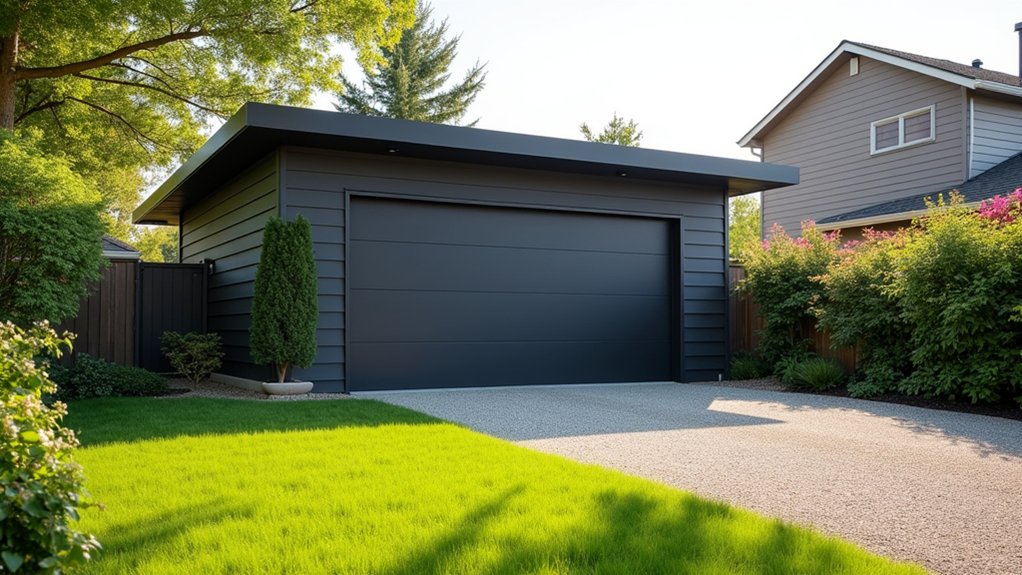
A detached garage can boost your privacy, safety, and curb appeal by acting as a quiet buffer and a visual barrier from the street. It gives you secure, off-street parking and flexible space for storage, a workshop, or hobbies, with easy room for future upgrades like EV charging. It also has the potential to raise property value. But the true payoff depends on budget, design, and how you plan to use the space—so consider these factors before you decide.
Is a Detached Garage Right for Your Budget? Key Financial Factors
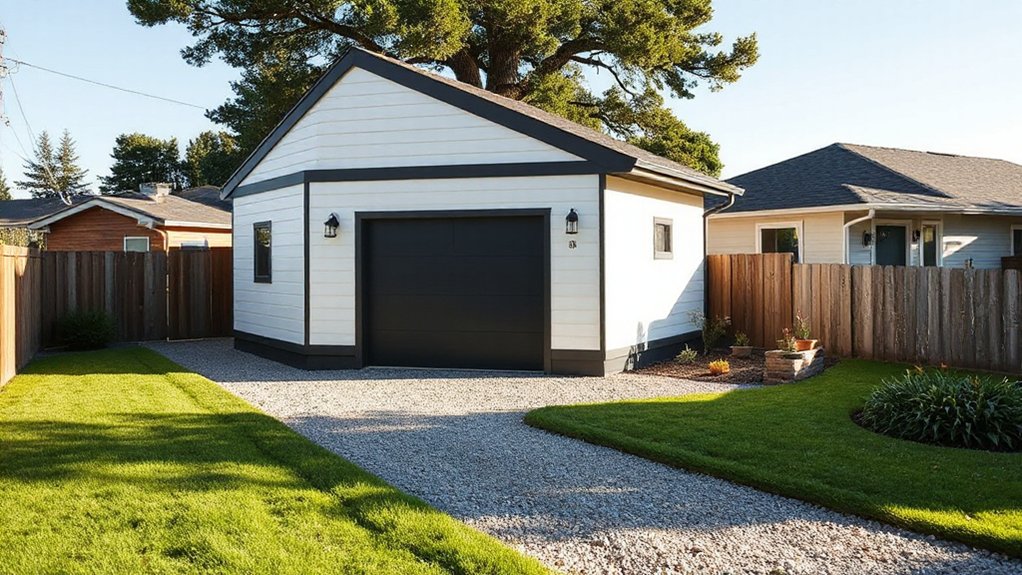
Considering the budget impact is essential before you commit to a detached garage. You’ll weigh initial costs against long-term value, balancing up-front payments with ongoing maintenance.
Start by estimating site prep, permits, and foundational work, then add structure, doors, and insulation. Don’t overlook utilities, drainage, and potential renovation downsides that could shift timing and totals.
Compare material options for durability and upkeep, because material durability affects your long-term spending and peace of mind.
Think about financing, tax incentives, and insurance changes that could offset expenses.
Consider your goals: storage, workspace, or vehicle protection, and how each choice fits your priorities.
Also evaluate resale impact. Favor designs that maximize garage aesthetics while staying within your means.
Budget Benchmarks and Timeline for a Detached Garage
You’ll want to set clear budgeting milestones and a realistic timeline for a detached garage, so you know what to spend when.
We’ll outline typical cost ranges and key phases—from design and permitting to site prep and completion—so you can plan with confidence.
This discussion starts by mapping costs to milestones and timing, helping you stay on track and avoid surprises.
Budgeting Milestones Timeline
A practical budgeting plan for a detached garage starts with clear benchmarks and a realistic timeline. You’ll map project phases to cash flow, aligning payments with milestones like permits, site prep, foundation, framing, and services.
Set a 30–60–90 day cadence for approvals, material orders, and subcontractor scheduling to avoid delays. Build in a contingency, typically 10–15%, and revisit monthly to adjust for scope changes.
Track line items such as interior lighting and garage organization early, ensuring wiring, switches, outlets, and lighting layouts fit your daily use. Prioritize durable, cost-efficient solutions that reduce future maintenance.
Keep stakeholders informed with a simple dashboard showing remaining budget, completed milestones, and upcoming tasks. This disciplined approach keeps your detached garage on schedule and within planned costs.
Cost Ranges For Detached Garage
Costs for a detached garage fall into clear ranges tied to size, materials, and features, and a solid plan keeps you on track. You’ll see budgets rise with larger footprints, basic shell versus finished interiors, and optional systems. A typical detached garage costs between modest and premium tiers, with precise figures varying by region and permits.
Plan for foundational work, insulation, drywall, and weatherproofing, then add doors, roofing, and electrical upgrades. Garage automation can boost price yet save long-term energy and convenience, while eco-friendly materials may reduce maintenance costs over time.
Timeline matters: expect a few weeks for permitting, several weeks for construction, and another month for finishing touches. Keep milestones, document changes, and review forecasts regularly to stay aligned.
What an Expanded Detached Garage Can Do: Storage, Workshop, and More
An expanded detached garage can redefine how you use your property, offering more than just space for cars. You gain dedicated areas for gear, tools, and projects without crowding your living area. With smarter layouts, you can designate zones for Garage organization and easier access to frequently used items.
Add overhead storage, wall-mounted racks, and pegboards to keep small parts visible and reachable. A larger footprint supports a workshop space that suits hobbyists and DIYers, from carpentry to home repairs.
Use durable work surfaces, proper lighting, and ventilation to stay productive without sacrificing safety. Storage solutions become streamlined when you map workflows and store by frequency of use, reducing clutter and improving overall efficiency.
Safety and Privacy: How a Detached Garage Improves Your Home
A detached garage acts as a dedicated buffer between your home and outside activity, reducing noise with a built-in separation. It also improves privacy by creating a separate entry and quieter internal spaces.
Additionally, a detached garage offers safer parking access away from street traffic.
Together, these elements protect your daily routines and security without adding clutter to your living area.
Separate Noise Reduction
A detached garage can dramatically reduce indoor noise by serving as a buffer between living spaces and street or yard activity, so conversations, TV, and appliances stay private and calm. You’ll notice fewer disturbances from traffic, neighbors, or windy conditions, because sound must traverse added barriers first.
To optimize this effect, focus on effective soundproofing techniques: seal gaps around doors and headers, line walls with resilient channels, and use staggered studs or mass-loaded vinyl where possible. Select solid-core doors and weatherstripping for tighter closure, and consider a floor partition to address impact noise.
Address Noise transmission proactively by treating both the garage and adjacent spaces, reducing reverberation with appropriate materials. Consistent attention to joints and finishes keeps noise levels predictable and manageable.
Enhanced Privacy Buffer
Ever notice how a detached garage can act as a private safety buffer around your home? It creates a dedicated edge that lowers visibility and noise exposure, shaping a calmer living environment. You’ll notice a clearer boundary between your space and the street, which enhances privacy without sacrificing accessibility.
- privacy barrier: a physical separation that reduces casual peeking and street-side activity entering your yard.
- sound insulation: solid walls and doors dampen road noise, keeping conversations and routines private.
- visual screening: a detached structure breaks sightlines, increasing perceived seclusion.
- controlled access: a separate entrance discourages unsolicited intrusion while maintaining convenient parking.
This setup pairs practical design with measurable privacy gains, supporting everyday comfort.
Safer Parking Access
Detached garages improve parking safety and privacy by creating a dedicated, off-street entrance that separates vehicles from the street. When you pull into a detached garage, you reduce exposure to pedestrians, cyclists, and curbside clutter, which lowers the risk of fender benders and accidental door strikes.
With a defined Parking layout, you gain better sightlines for backing out and turning, improving overall control as you enter and exit. This setup also minimizes theft opportunities by limiting street access to your parked car.
Inside, Garage organization keeps tools and hazards out of the flow, further reducing friction during daily routines. The result is safer, more predictable access to and from your home for you and your family.
Choosing a Garage Style That Fits Your Home
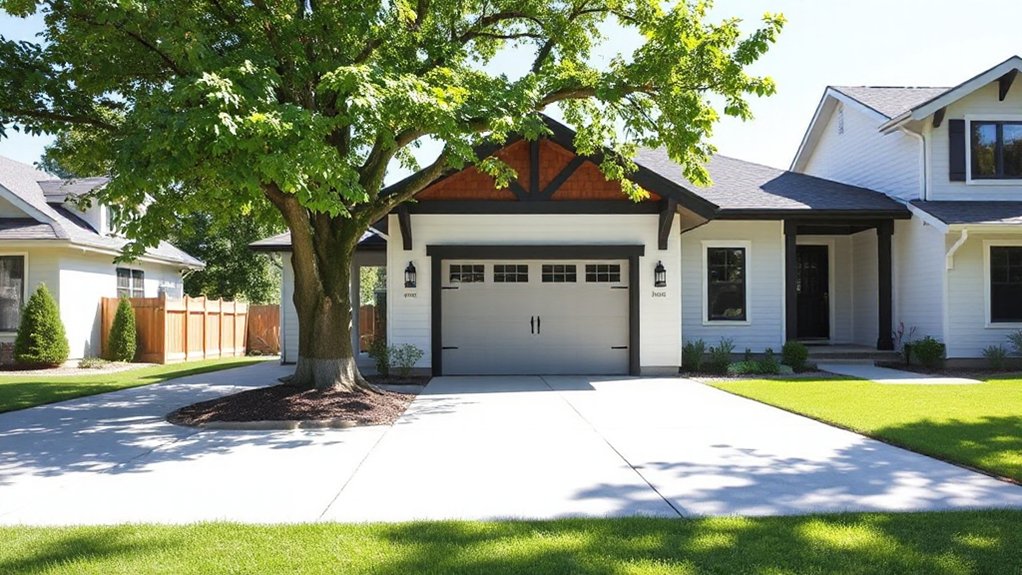
- Match your home’s architectural vocabulary for cohesive Garage aesthetics.
- Pick materials with proven durability, prioritizing weather resistance and upkeep.
- Decide on doors and windows that maximize light without compromising security.
- Plan with future needs in mind, allowing space for storage, a workshop, or an EV charger.
Zoning, Permits, and Utilities: Your Pre-Construction Checklist
Before you break ground, you need to confirm zoning compliance, obtain the necessary permits, and map out utilities; doing so up front prevents delays and costly backtracks. You’ll check local zoning maps, confirm setbacks, and verify the garage won’t encroach on easements.
Then, file permit applications for structural, electrical, and plumbing work, if applicable, and align with utility providers to plan connections without surprises. Prepare a utilities plan showing water, sewer, and power routes to the site, including potential future expansions.
Consider landscaping design around the new structure to protect sightlines and drainage. Review neighborhood regulations for height limits, accessory structure rules, and permitted uses.
Staying proactive saves time, avoids fines, and smooths your build trajectory.
Materials and Construction Options for Detached Garages
Choosing the right materials and construction method matters for durability, cost, and ongoing maintenance. For a detached garage, you’ll choose between wood, metal, or mixed-construction frames, prioritizing longevity and ease of upkeep. Focus on corrosion-resistant fasteners, weatherproof coatings, and solid foundations to prevent future leaks or shifting.
Consider garage security by selecting sturdy doors, reliable hardware, and proper anchoring. If eco-friendly materials matter, explore recycled steel, responsibly sourced lumber, and low-emission finishes. Insulation and venting improve energy use and comfort, while metal roofing panels offer durability with minimal maintenance.
Plan for drainage, proper clearance, and future adaptation options.
- Wood vs. metal framing trade-offs
- Insulation, ventilation, and energy efficiency
- Doors, hardware, and security features
- Sustainable material choices and warranties
Financing, Insurance, and Long-Term Cost Considerations
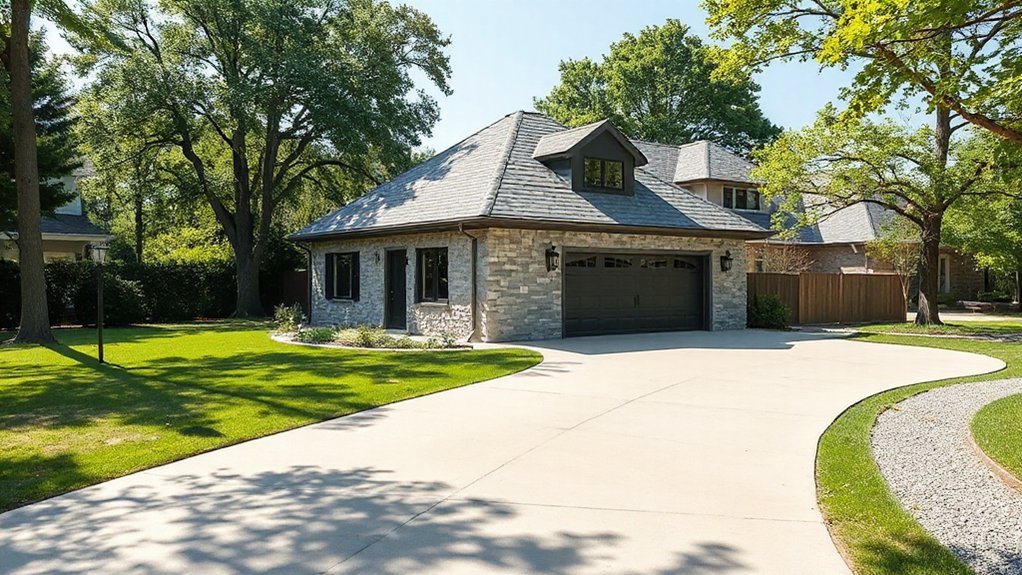
You’ll explore financing options that fit your budget and timeline, from upfront costs to potential loan types and interest rates.
Expect a look at how insurance may change with a detached garage, including coverage limits, premiums, and claim considerations.
We’ll also consider long-term costs, like maintenance, depreciation, and potential tax or resale impacts.
Financing Options Overview
When budgeting for a detached garage, understanding financing options, insurance implications, and long-term costs helps you make a smart, sustainable choice.
1) Loan options: Compare personal loans, home improvement loans, and credit lines. Look for fixed rates, clear terms, and minimal fees.
2) Credit criteria: Check your credit score, income proof, and debt-to-income ratio. More favorable terms go to borrowers with stable history.
3) Down payment impact: Smaller deposits raise loan costs or rates; larger upfront payment can lower monthly payments.
4) Alternatives: Manufacturer financing, promotions, or energy-efficiency incentives may reduce total cost and timelines.
Insurance Implications and Costs
Insurance considerations should be evaluated alongside financing and long-term costs, since premiums and coverage can considerably affect the total price of a detached garage. You’ll want to check how the structure changes liability exposure and what liability coverage your policy requires to protect both you and visitors.
Detached buildings can trigger separate endorsements or riders, so ask your insurer about coverage limits, deductibles, and whether the garage qualifies as a business-use structure if you store tools or operate a home workshop.
Expect premium adjustments based on construction type, security features, and spacing from the main home. Compare quotes, confirm any construction-related discounts, and verify wind, fire, and theft endorsements.
Clear documentation helps guarantee adequate protection without overpaying.
Tips for a Smooth Build: From Planner to Finished Garage
Planning a smooth build starts with clear goals and a solid plan: define your garage’s purpose, size, and placement, then lock in a realistic budget and timeline.
1) Define a practical layout: consider access, workspace flow, and future needs while prioritizing safety.
2) Choose dependable materials: match climate, maintenance, and budget, emphasizing durable options and efficient insulation.
3) Plan a phased schedule: align permits, site prep, and trades to minimize delays and guarantee quality control.
4) Verify utilities and finishes: confirm electrical circuits, lighting, and storage solutions early to prevent rework.
Garage design and material selection should stay top of mind as you finalize specifications, selections, and milestones for a smooth, on-time finish.
Quick-Reference: Common Pitfalls to Avoid During Construction
To avoid costly delays and rework, keep these common construction pitfalls front and center: unclear scope, inaccurate budgets, and missed permits.
You’ll guard against scope creep by documenting every feature early, from window placements to electrical runs.
Tighten budgets by itemizing materials, labor, and contingencies, then track changes in real time.
Don’t assume permits will slide through; verify timelines and required approvals before you start.
Design aesthetics matter early, so you don’t repaint later, and align to your home’s look and zoning rules.
Expect construction challenges like weather delays, site access, and drainage concerns, and plan contingencies.
Communicate weekly with trades, and confirm inspections promptly to avoid rework.
Stay proactive, measure progress, and adjust as needed for a smoother build.
Frequently Asked Questions
How Long Does a Detached Garage Project Typically Take?
A typical detached garage project takes about 6 to 12 weeks, depending on design, permitting, and weather.
You’ll start with site prep, then foundation options and framing, followed by roof, siding, and doors.
Plan for electrical, insulation, and final inspections.
Garage insulation can be done during framing, boosting comfort and energy efficiency.
Don’t overlook concrete work or a weatherproof seal.
Timelines vary with material availability and contractor scheduling, so ask for a detailed, phased schedule.
What Maintenance Is Required After Construction?
After construction, you’ll perform routine upkeep: check seals, doors, and vents, and keep the space clean.
Inspect insulation periodically and reseal gaps as needed, especially around windows and doors, to maintain efficiency.
Schedule annual foundation checks for cracks or settling, and address moisture issues promptly.
Maintain proper drainage around the structure to prevent water damage.
Keep garage insulation accessible for future repairs, and track any changes in humidity that could affect stored items or equipment.
Consider foundation considerations during long-term planning.
Can a Detached Garage Affect Home Resale Value?
Yes, a detached garage can affect your home resale value.
If you highlight garage security and detached garage insulation, you boost appeal for buyers seeking practicality and safety.
You might worry it won’t add value, but strong curb appeal and usable space compensate.
You’ll attract buyers who value extra storage and comfort, and they’ll notice better garage security, improved insulation, and potential energy savings, increasing your resale attractiveness.
Are There Design Restrictions for Local Homeowners Associations?
Yes, there can be design restrictions from your HOA. You should check HOA regulations and governing documents for specifics on exterior styles, setbacks, and materials.
Some associations require architectural approval before construction or alteration. You’ll likely need a design review, submission of plans, and possible color or fencing limits.
If you’re unsure, contact the HOA manager and obtain written guidelines. Complying early helps avoid fines, delays, and conflicts with neighbors or the association.
What Are Hidden Costs Not in Initial Estimates?
Hidden expenses haunt your project, and budget overruns bite when you least expect it. You’ll face permits, site prep, foundation tweaks, and utility moves slipping into the price tag.
You might also pay for inspections, weather delays, and contractor changes.
You stay proactive by adding contingency funds, detailing scope, and chasing quotes.
You’ll avoid surprises by tracking every line item, forecasting fees, and communicating clearly so hidden expenses don’t derail your plan.
Conclusion
A detached garage can transform your property—quiet, organized, and instantly more valuable. If you plan wisely, you’ll save time, money, and headaches rather than chasing on-site storage chaos. Think about budget, style, and future needs, then map a practical timeline and choose durable materials. Expect smoother sailing with professional help when needed, and don’t skip permits. In short, it’s a game-changing upgrade that keeps clutter out of sight and peace of mind in sight—like a fortress for your stuff. Hyperbolic enough? Yes.