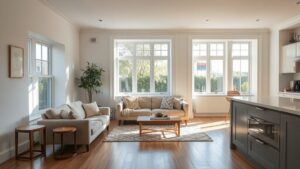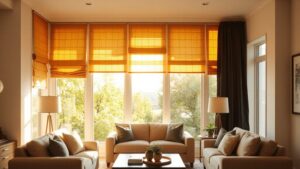
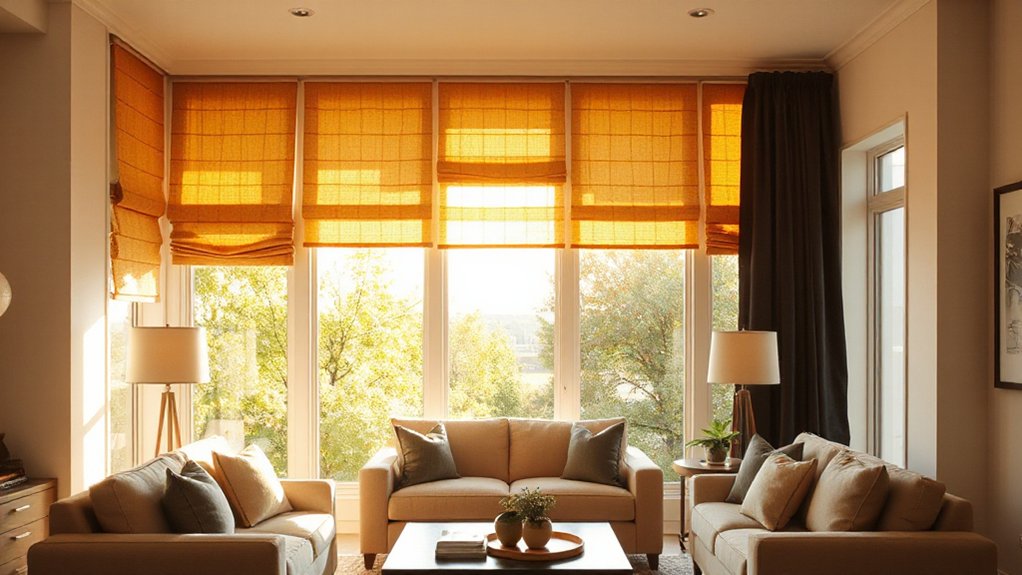
You want window treatments that guard your privacy without dulling the room’s character. Think layers—sheer light with blackout depth, clean lines, and cohesive textures that feel intentional. Choose fabrics, colors, and hardware that echo your space, then measure and install with care. The right balance of light and coverage creates a room that looks polished and remains welcoming. Curious how to tailor this from room to room and stay within budget? Let’s start.
How to Define Privacy Needs Room by Room
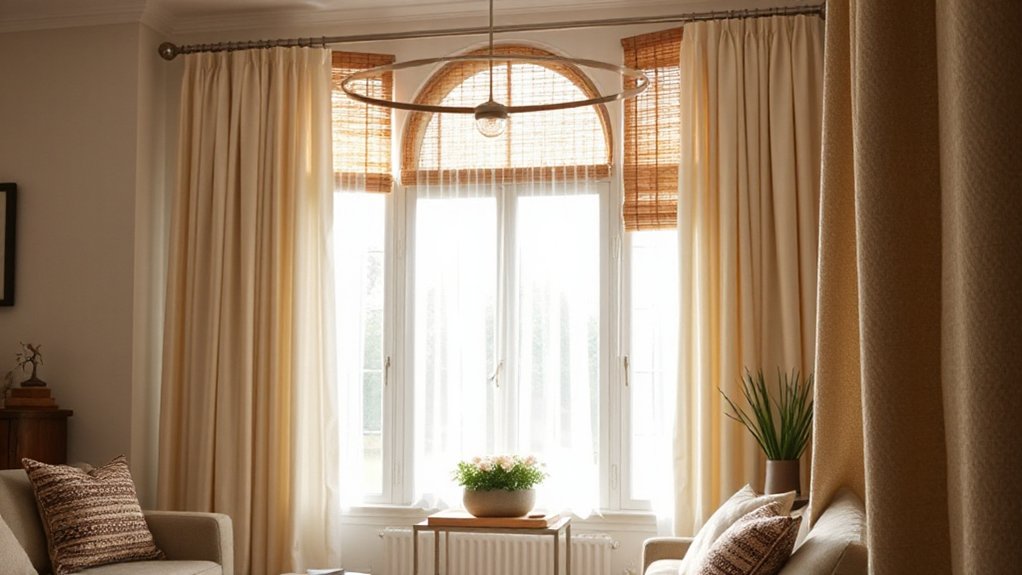
Define privacy needs by room, starting where you spend the most time. You map spaces by activity: work areas demand glare control, bedrooms seek darkness for rest, kitchens favor quick visibility. In living rooms, balance openness with sound dampening.
Assess how neighbors, streetlights, and routines intrude, then tailor coverage accordingly. Consider how often you entertain or work from home, and where teens’ devices demand privacy without sacrificing design.
When selecting solutions, weigh interaction with daylight, airflow, and aesthetics. Window treatment trends influence style, but choose what serves function first. Emphasize sustainable materials that reduce impact and last—bamboo, FSC-certified wood, low-VOC fabrics.
Define priorities per room, then translate needs into paired treatments, updates, and maintenance plans that stay elegant and efficient.
How to Compare Window Treatments: Light, Privacy, and Performance
To compare options effectively, start with Light Control Basics to see how much you’ll block or admit daylight.
Then weigh Privacy Levels Compared so you know where you’ll feel seen or concealed.
Finally, consider Performance Metrics to judge durability, ease of operation, and long-term value.
Light Control Basics
Wondering how to judge light control? You assess adjustability, glare reduction, and view preservation in practical terms.
Start with fabric and shade type: horizontals and roller shades offer clean light layering. Cellular shades trap air for insulation, smoothing brightness shifts.
Consider transmission: blackout fabrics block most light, while sheer options modulate daylight without sacrificing view. Layering enhances flexibility and privacy without heavy opacity.
Frame and hardware influence durability and smooth operation, reducing stray light leaks.
When weighing options, factor in ease of operation, maintenance, and room function. Also note soundproofing techniques and UV protection options, which can complement light control by dampening noise and protecting furnishings.
Balance aesthetics with performance to achieve serene, adaptable illumination.
Privacy Levels Compared
How do you weigh privacy levels when choosing window treatments? You compare offerings by visibility, light filtration, and sound dampening, not just price. Start with screening materials that block sightlines while preserving daylight.
Consider privacy technology that adjusts from sheer to opaque with a tap or voice command, giving flexible control without cumbersome layers. For repeatable routines, measure how each option performs at typical angles and times of day, noting any gaps or reflections.
Security enhancements matter too: integrated sensors or remote locking? Some treatments include tamper-resistant motors and encrypted remote access, boosting safety in shared spaces.
Balance aesthetic goals with practical needs, choosing fabrics and mechanisms that align with your daily rhythms while maintaining consistent, unobtrusive privacy.
Performance Metrics
Performance metrics matter: you measure light control, privacy, and overall performance at typical viewing angles and times of day, not just price. When comparing options, assess how much natural light shifts throughout the day and how each treatment filters or blocks glare.
Privacy matters beyond exclusion; consider the perception of visibility from outside at different angles and from neighboring rooms inside. Evaluate treatment durability under daily use—fabric wear, hardware fatigue, and color stability—so you’re not surprised after seasons of operation.
Read privacy policies to understand warranty coverage, return terms, and care instructions. Align choices with your lifestyle, aesthetics, and maintenance tolerance.
Clear benchmarks help you select textiles, slats, or panels that sustain performance while enhancing room atmosphere.
Best Sheer and Light-Filtering Options for Living Rooms
You explore sheers for ambient light, balancing softness with glare control.
Layer light-filtering options to soften angles without dulling view or texture.
You’ll seek privacy that stays unobtrusive, preserving openness while keeping rooms comfortable.
Sheers For Ambient Light
Sheers soften daylight without sacrificing privacy, making them ideal for living rooms where ambient glow matters. You’ll enjoy a delicate veil that invites natural warmth while preserving sightlines.
Choose lightweight options in a breathable weave to maximize translucence without glare, and seek edges with a clean finish for a refined look. Sheer fabric choices range from airy voile to subtle cotton blends, each delivering a soft diffusion that enhances ambient lighting.
Pair with curtain rods that glide smoothly to adjust openness, letting you dial brightness on demand. For a cohesive aesthetic, coordinate with neutral tones or pale pastels that reflect soft sunbeams.
Light-Filtering Layer Options
Light-filtering layers strike the balance between privacy and daylight, offering softer diffusion than opaque drapes while preserving viewable sightlines. You’ll find options that honor both form and function, letting natural light brighten living rooms without glare.
Choose fabrics that filter effectively yet feel airy, from voile to lightweight blends, ensuring a calm, even glow. Consider scale and texture to avoid overwhelming windows or shrinking a room’s perception.
Layering works well: pair sheer panels with a subtle, more opaque curtain for daylight versatility. Fabric patterns add personality without crowding sightlines, while window accessories like slim rods and track systems maintain clean lines.
Aim for cohesiveness with existing decor, selecting colors that echo furniture and rugs for a curated, timeless look.
Privacy Without Obstruction
Silhouette-friendly options let you enjoy daylight without sacrificing privacy. You’ll love sheer and light-filtering fabrics that soften glare while preserving exterior visibility. Choose panels that drift with a breezy identity, creating depth without obstructing outdoor privacy.
Layer with a translucent roller or a solar shade for quick, customizable control, so you can adjust brightness without losing permeability. Opt for subtle textures, airy weaves, and pale hues to keep rooms luminous and open.
If you crave more seclusion, combine with privacy window films on lower panes or angled mounting that reflects sightlines away from living areas. This approach balances light, view, and discretion, supporting a calm, stylish space.
Outdoor privacy remains intact, and windows retain a breathable, contemporary aesthetic.
Blackout and Dim-Out Solutions for Bedrooms and Media Rooms
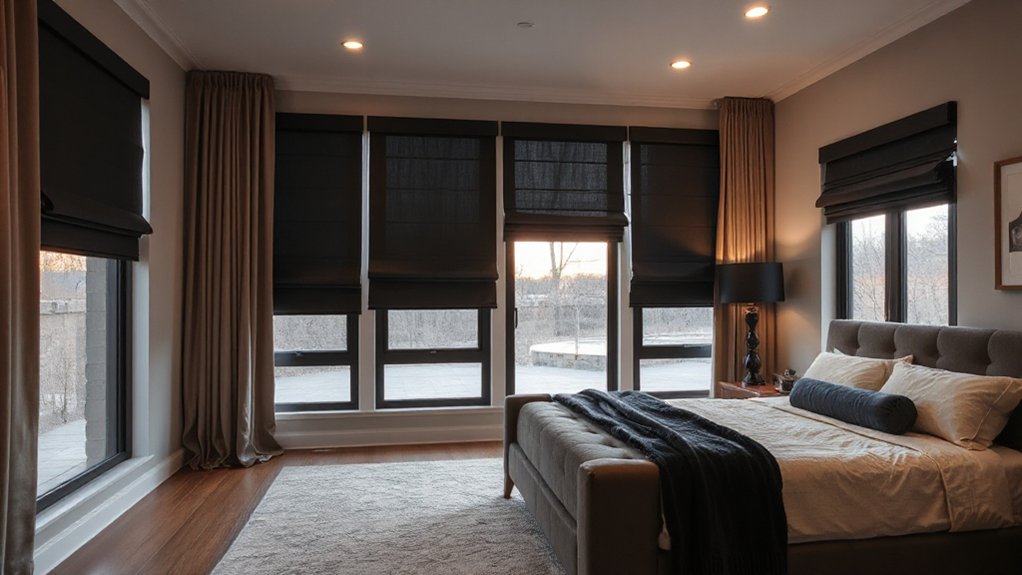
Are blackout and dim-out solutions the right move for bedrooms and media rooms? Yes, when you seek sleep quality, screen clarity, and flexible light control.
Blackout curtains provide full darkness for undisturbed nights, while dim out shades offer gradual light reduction and daytime privacy without sacrificing scenery.
Consider room purpose: master suites benefit from total shade during late sun, media rooms gain from reduced glare on screens.
Installation height and width matter—mount mounts flush to walls to avoid gaps.
Operating systems vary: simple pull chains, motorized tracks, or remote controls suit different setups.
Pair with layered options for balance; layer a sheer behind blackout curtains for daytime privacy without blocking view entirely.
Choose fabrics with tight weaves and clean edges for a polished, modern look.
Texture, Color, and Hardware Ideas That Elevate Your Window Treatments
Texture, color, and hardware set the tone of your window treatments, transforming function into refined detail. You’re shaping mood through tactility and tone, so pick textures that read as tactile confidence.
Textured fabrics bring depth, whether you lean toward a subtle bouclé or a rich weave that catches light differently from every angle.
Color acts as the moment, not the message—choose hues that complement your walls and accessories, then use contrast sparingly to emphasize silhouette.
Hardware accents should be intentional: sleek pulls, matte brackets, or minimal rods can elevate a simple panel to a design feature.
Balance is key—combine a restrained palette with one standout texture, and let natural light sculpt the rest.
The result feels cohesive, purposeful, and quietly luxurious.
Budget-By-Budget Guide: Affordable to Premium Picks
Start with a clear tiers map: from budget-friendly panels that punch above their price to premium fabrics and hardware that elevate every room.
In this budget-by-budget guide, you’ll align style with value across three tiers. For affordable picks, choose clean lines, easy care, and subtle textures that still feel intentional.
Mid-range options balance durability and design, prioritizing soft drapery and refined hardware that read as upscale without the sticker shock.
Premium choices deliver statement fabrics, superior insulation, and hardware with a tactile finish that elevates any space.
Prioritize eco-friendly materials where possible, and watch for window treatment trends that blend form and function.
This approach keeps privacy stylish and functional while respecting budget and sustainability.
How to Measure, Install, and Care for Window Treatments
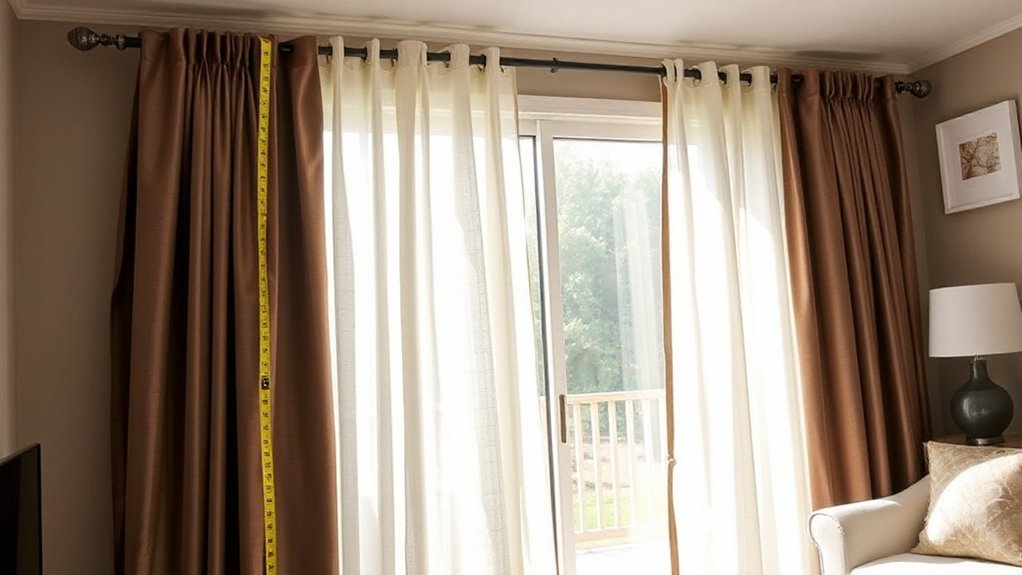
Before you buy or install, learn the essentials: how to measure accurately, what tools you’ll need, and the steps to hang window treatments cleanly.
Start with a clear window frame: measure width, height, and depth for fit and clearance. Record multiple points, using a steel tape for precision, and note drywall or molding limits.
Tools matter: level, pencil, drill, screws, and anchors. Mark mounting heights that flatter your space, then install brackets firmly before hanging fabric or blinds.
Care is simple: dust regularly, spot-clean fabric with mild detergent, and avoid immersion for long-lasting color.
For inspiration, explore window treatment trends and custom design options to tailor function and form to your room’s vibe.
Maintain consistency, alignment, and measured care for lasting elegance.
Mixing and Layering for Privacy and Vibe
Layering multiple window treatments boosts privacy while enriching your room’s vibe, so you’ll want to mix textures, opacities, and mounting heights with intention.
You combine sheer panels with opaque drapes to control light while preserving sightlines, then add blinds or shutters for daytime privacy options.
Layered textures create depth: a linen curtain paired with a woven Roman shade feels tactile and modern.
Consider mounting heights that bias toward the ceiling for a taller, more expansive look, or closer to the sill for practical light filtering.
Balance color and pattern so each layer complements the others without competing.
Keep hardware cohesive, avoiding excess hardware.
This approach yields flexible, refined outcomes, where layered textures and privacy options merge seamlessly into your space.
Frequently Asked Questions
How Do I Blend Curtains With Existing Furnishings?
Yes—blend curtains with nearby furnishings by matching tones and textures, using Curtain layering to add depth and fabric coordination to unify patterns without overpowering space. Keep neutrals for balance, then layer with occasional color pops.
Can Motorized Shades Be Powered by Solar Panels?
Yes, by harnessing solar panel installation, you power motorized shade benefits with sunlight, turning your blinds into guardians. You’ll enjoy seamless control, lower bills, and eco-friendly ambiance while staying comfortably shaded and mechanically confident throughout the day.
What Are Eco-Friendly Fabric Options for Blinds?
Eco friendly materials include hemp, organic cotton, and linen blends, while sustainable fabrics feature recycled polyester and Tencel. You’ll enjoy durable, low‑VOC options that reduce environmental impact, pair with modern aesthetics, and maintain privacy without sacrificing style.
Do Privacy Films Affect Natural Light Quality Indoors?
Do privacy films affect natural light quality indoors? Yes, they reduce UV and glare while maintaining visibility; you’ll notice calmer tones and softer shadows, though brightness shifts. UV reduction and glare control help preserve color and comfort.
How Long Do Window Treatments Typically Last?
Window treatments typically last several years, varying by material and use; expect 3–7 years for many fabrics or blinds, longer with proper care. Durability lifespan depends on sunlight and maintenance tips: clean regularly, avoid moisture, inspect hardware periodically.
Conclusion
You can curate curb-appeal and coziness with careful choices. Layer light, leathers of texture, and lux hues for lasting allure. Customize privacy with purpose, pairing sheer softness with sturdy blackout for balanced brilliance. Blend blinds, drapes, and hardware with harmonious hues to heighten heightenable harmony. Budget wisely, measure meticulously, and maintain magnificence. Practically pair pace with panache, producing a polished, private vibe that elevates every room’s mood, moisture, and memory. All in all, attain artful, accessible ambiance.