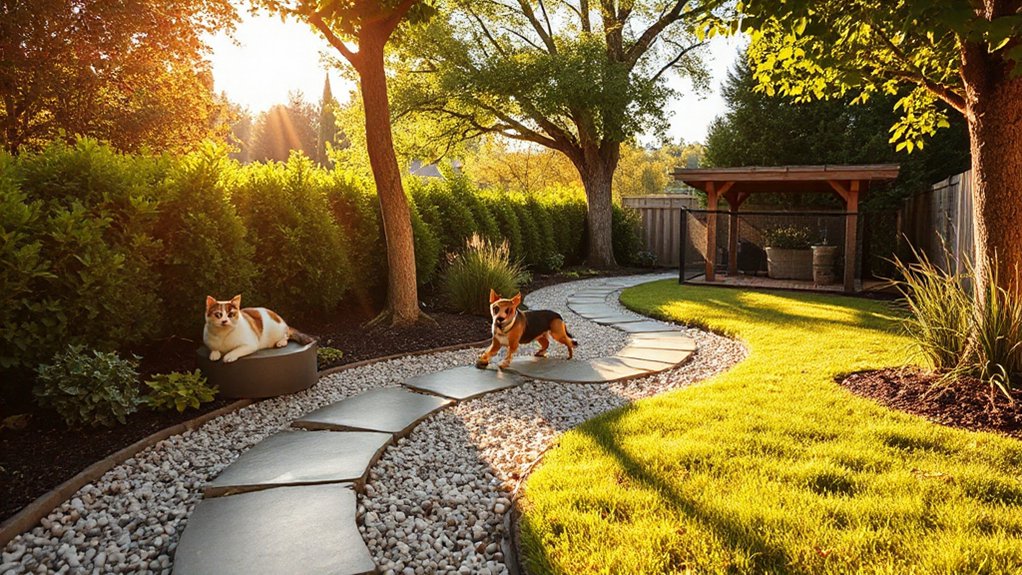
Did you know that almost half of garden accidents involve pets on unfenced or poorly surfaced areas? You’ll want a plan that lists safe plants, durable, chew-resistant surfaces, and secure fencing with latching gates. Think through shade, water, and escape barriers before you plant. A practical layout helps you spot hazards early and keeps every pet comfortable and safe, but a few key choices now can save headaches later—so let’s map out what to prioritize first.
Choose Pet-Safe Plants: Quick Toxicity Screen and Safe Alternatives
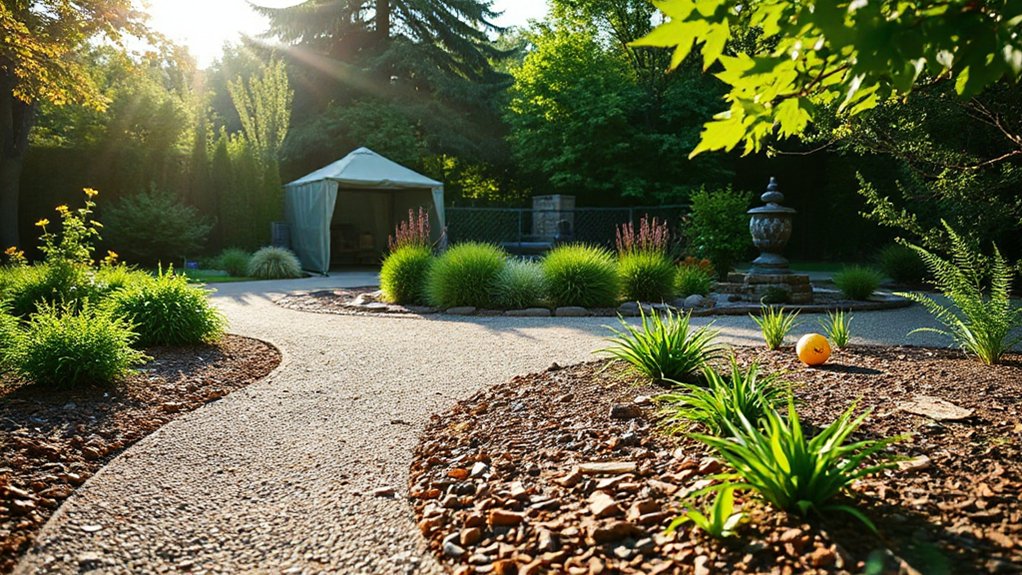
To keep your garden safe for pets, start with a quick toxicity screen of common plants you’re considering. You’ll evaluate plant toxicity before purchase, focusing on species widely used in home borders and containers.
Compile a short list, then verify known toxic compounds and documented symptoms, so you can act quickly if exposure occurs. Prioritize plants with clear safety records and documented safe alternatives for households with curious pets.
Compare growth habits, flowering cycles, and maintenance needs to avoid temptations that invite nibbling. Document any uncertainties and consult reputable sources or a veterinarian when in doubt.
This disciplined approach minimizes risk and guides choices toward Safe alternatives, while clearly marking items to avoid. Your plant selection becomes a precise, defensible plan for pet-friendly landscaping.
Design Durable Play Surfaces for Pets: Chew-Resistant and Non-Slip
A durable play surface for pets should resist chewing and provide reliable traction, so start by selecting materials with proven chew resistance and slip-free textures. You’ll want to assess durability under common wear patterns, including running, digging, and paw scrapes.
While guaranteeing cleaning is practical. Favor interlocking or seamless options that minimize seams where teeth can latch and dirt can accumulate. Choose durable materials that resist punctures, cracks, and fading, yet stay comfortable for paws.
For grip, prioritize non-slip finishes or textures that maintain traction when wet, preventing slips on rain-soaked afternoons. Evaluate maintenance needs and frequency, balancing longevity with ease of care.
In your play area, guarantee that joints, edges, and shifts remain smooth, reducing snag risks without sacrificing stability or usability.
Safer Fencing and Access: Boundaries Your Pets Can’t Breach
Safer fencing and access hinge on selecting boundaries that pets can’t breach while keeping the yard functional and enjoyable. You assess escape risks first: height, gaps, and climbability.
Choose durable fencing materials that resist leaning, chewing, and digging, then anchor posts securely to prevent undermining.
Continuity matters; avoid gaps at corners and entry points, and ensure gates close firmly with self-latching hardware.
Implement boundary landscaping that discourages digging near bases and conceals weak points without creating hiding spots for escapes.
Consider underground barriers or rigid panels where pets dig or tunnel.
Use visibility and access control to manage entry points from indoors, preserving airflow and sunlight.
Document maintenance intervals to address wear before it becomes a breach risk, and tailor materials to climate and yard layout.
Create Shaded Retreats: Weather-Proof Nooks for Rest and Hideaways
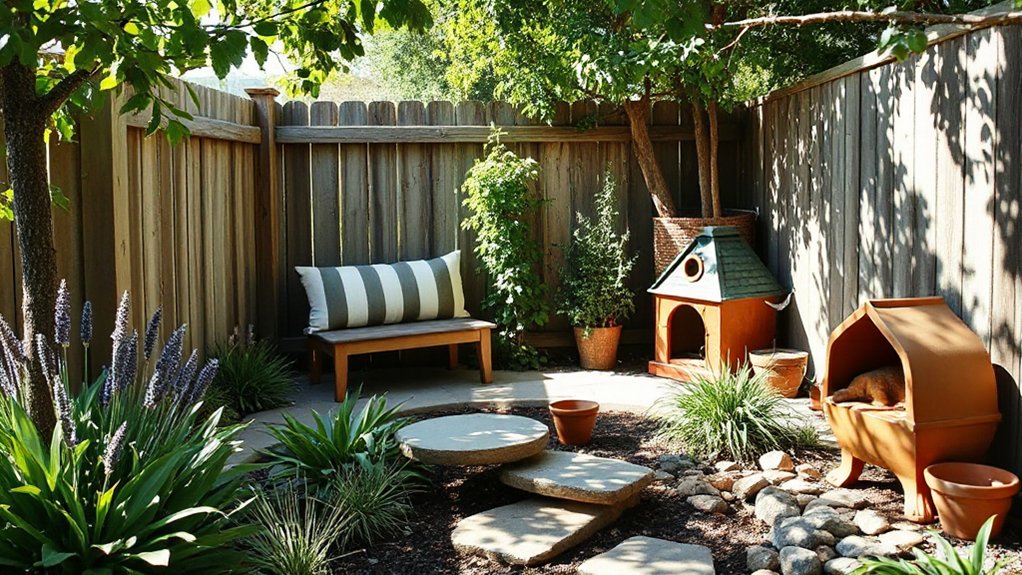
Creating shaded retreats starts with evaluating heat exposure, airflow, and enclosure. You’ll design weather-proof nooks that stay cool, dry, and secure while your pet explores.
Prioritize passive cooling: overhangs, covered porches, and deciduous shade reduce mid-day heat without blocking light. Use breathable fabrics and elevated platforms to promote airflow and minimize dampness.
Position hideaways near garden furniture for easy supervision, and guarantee entrances are wide, low, and slip-free.
Incorporate water features or shallow bowls to encourage hydration without splashing; plan drainage to prevent puddles.
Select durable, non-toxic materials with smooth edges to avoid injuries.
For comfort, create microclimates by pairing shaded corners with occasional sun patches.
Keep hides low-maintenance, weather-resistant, and accessible for quick cleaning and seasonal checks.
Pet-Friendly Maintenance: Toxins to Avoid and Routine Care
To keep a garden safe and inviting for pets, identify common toxins and establish a routine care plan that minimizes exposure and hazards. Begin by listing plants known to irritate or be toxic if eaten, and replace them with pet-safe alternatives.
Maintain a clean yard by promptly removing fallen fruit and decaying matter that attract pests. Choose pet safe fertilizers and apply only as directed, avoiding excess that could be ingested or tracked indoors.
Use non toxic pest control methods—manual removal, beneficial insects, or barrier treats—before resorting to chemicals.
Schedule regular inspections for chewed leaves, exposed roots, and mulch depth. Train household pets to avoid treated areas until products are fully absorbed.
Document products and withdrawal times for quick reference.
Frequently Asked Questions
How Do I Gauge a Plant’s Long-Term Pet Safety Beyond Toxicity?
You should assess long-term pet safety by evaluating plant selection for durability, chew resistance, and non-toxic traits, plus growth habit and maintenance needs. Consider garden durability, repeat observances, and seek veterinary guidance for ongoing risk monitoring.
What Budget-Friendly, Pet-Safe Mulch Options Exist?
You’ll love budget-friendly, pet-safe options like shredded coconut husk and straw. Natural alternatives include pine needles and composted leaves, while DIY mulch options use raisable cardboard or grass clippings—keep it neat, safe, and moisture-balanced.
How Can I Prevent Pets From Digging Near Fences?
To prevent pets from digging near fences, install fencing barriers and use dig deterrents along the perimeter, applying sturdy hardware cloth under gates and reinforce with buried hardware to deter escapes while supervising and adjusting as needed.
Are There Pet-Safe Pest Control Methods for Gardens?
Yes—choose pet-safe pest controls like horticultural oils and neem, and rotate options to reduce resistance. Coincidental benefit: wildlife attraction declines near reliable barrier Garden fencing, while you monitor effectiveness, adjust timing, and document outcomes for practical decisions.
What Signs Indicate Chronic Pet Exposure to Garden Toxins?
You’ll notice lethargy, vomiting, diarrhea, or neurological signs; seek immediate veterinary care. Monitor chronic exposure indicators like persistent appetite loss or weight changes. Garden plant selection and Toxicity prevention practices help reduce ongoing risk for pets.
Conclusion
You’ve planned a thoughtful, safe space where pets can explore without risking exposure to hazards. With durable, chew-resistant surfaces and non-slip footing, predictable boundaries, and shaded retreats, you’ll reduce injuries and escapes. Keep maintenance brisk: remove debris, apply pet-safe fertilizers, and regularly inspect roots and plants for hazards. Did you know 39% of dog-related injuries occur from trips or slips on outdoor surfaces? A well-designed yard cuts those risks and keeps tails wagging.