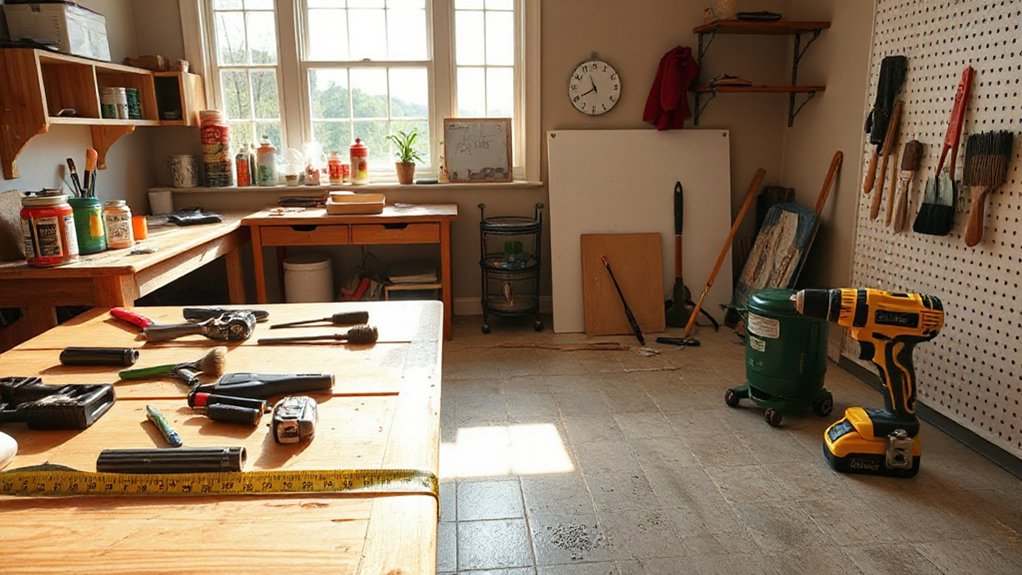
Weekend projects should deliver real, lasting value with minimal fuss. Start with quick refreshes like fresh paint, layered lighting, and curb appeal tweaks to boost mood and function. Plan, budget, and lock a finish window to stay focused. Tackle small fixes that don’t need a full toolkit, plus weatherproofing and energy tweaks for comfort and savings. Add smart storage to reclaim space, and schedule preventive checks to prevent bigger problems. Stick with high-impact tasks, and you’ll see clear progress as you go. More tips await.
Prioritize Weekend Projects That Deliver Real Value
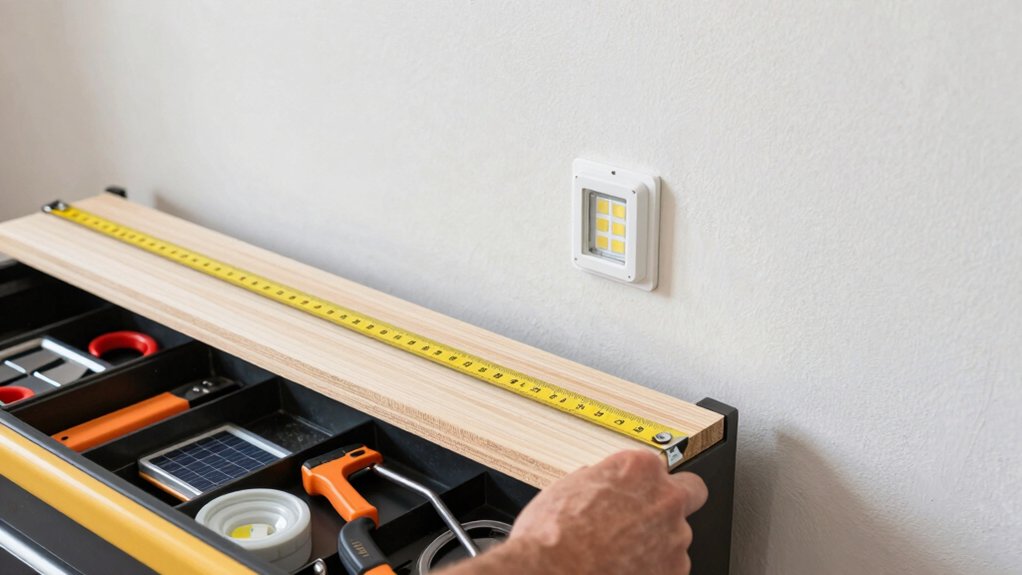
When you’re choosing weekend projects, aim for tasks that add real value and don’t waste your time. You want outcomes you can prove with results, not noise. Focus on efficiency, demand, and lasting impact, then map tasks to measurable gains.
Prioritize projects that streamline routines, boost home functionality, or protect assets. Gardening composting delivers long-term soil health and lowers waste costs, while furniture assembly improves daily usability and space value.
Plan with a clear scope, budget, and deadline, and avoid quirks that linger without payoff. Assess return on effort by asking: will this save money, elevate safety, or increase comfort?
Choose high-leverage activities, commit, and complete. Power comes from targeted choices, disciplined execution, and visible, enduring improvements.
Quick Refreshes: Paint, Lighting, and Curb Appeal
A quick coat can refresh your space without a full remodel, and it pairs well with a Fresh Look you’ll notice every day.
Brighten With Lighting to emphasize your best features and tighten up curb appeal with a few targeted tweaks.
Start with small, practical changes that lift value now and set the stage for bigger projects later.
Quick Coat, Fresh Look
If you want a quick home refresh, start with a few simple updates: a fresh coat of paint, smarter lighting, and curb appeal tweaks. You’ll apply paint touch ups to cover scuffs on trim, doors, and cabinets, then roll a clean, even finish across walls for an instant lift.
Pair this with a deliberate furniture refresh—swap cushions, tidy surfaces, and reveal hidden storage to sharpen the room’s profile. Choose a cohesive color scheme that resonates with your space, and lab-test swatches before committing.
Keep tools organized, mistakes minimal, and dry times predictable. Finish with a quick, high-contrast seal on high-traffic areas to sustain brightness.
You’ll gain impact fast, with minimal disruption and maximum confidence.
Brighten With Lighting
Brighten a room fast with lighting that fits your space and mood. You’ll start with a plan: determine the function of each area, then layer light for focus, ambiance, and task needs.
Emphasize ambient glow to create a welcoming baseline without harsh shadows. Choose a few key fixtures that align with your ceiling height and room style, focusing on fixture selection that amplifies brightness efficiently. Use dimmers to modulate intensity and switch to cooler tones for work zones, warmer tones for relaxing corners.
Swap outdated bulbs for high-competence LEDs with good CRI to render colors accurately. Install under-cabinet lighting in the kitchen and a central, sturdy ceiling light in living areas.
Keep clutter off surfaces so light can travel freely and maximize impact.
Curb Appeal Tweaks
Curb appeal can get a quick lift with small, deliberate updates: refresh the paint, upgrade exterior lighting, and tidy the entryway. You’ll move fast by choosing a bold accent color for the front door and a durable, weatherproof finish for trim.
Improve landscape lighting to create depth and safety; aim for clear pathways and targeted glow along steps and shrubs. Prioritize front door upgrades that boost curb presence: install a new handle set, update the hardware, and ensure clean seals.
Keep illumination consistent with the home’s style, using warm, inviting tones. Declutter the entry and add one sturdy seasonal planter for impact. With crisp detailing and purposeful lighting, your home reads confident, controlled, and ready for buyers or visitors.
Plan, Budget, and Schedule Your Weekend
To set yourself up for a productive weekend, start with a clear plan, a realistic budget, and a practical schedule. You’ll map tasks by priority, estimate time, and assign owners if you’re coordinating a team. Lock a hard finish window to protect personal time and reduce scope creep.
Create a lean budget that covers essentials first, with a small contingency for surprises. Break work into logical blocks, then align tools, materials, and notifications to keep momentum.
For garden planning, lock in feasibility and seasonal constraints; for paint selection, choose a few durable options and end colors early to avoid mid-project drift.
Review progress at lunch and adjust tasks to preserve momentum, quality, and decisive momentum toward completion.
Fixes That Don’t Require a Full Tool Kit
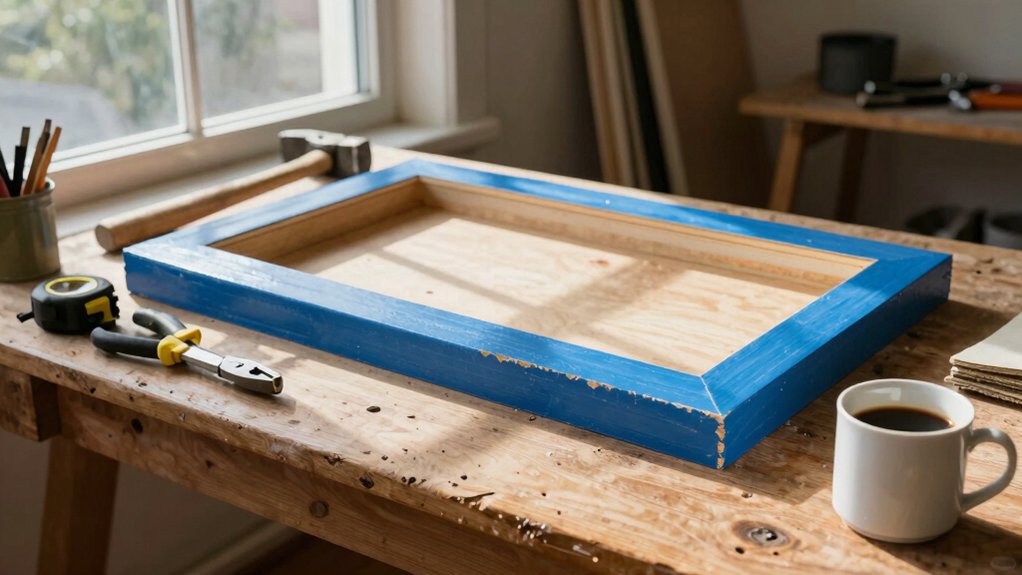
You can tackle quick fixes with just a few simple tools and some smart, budget-friendly hacks. We’ll cover Quick Fixes, Simple Tools, and Pro Tips that don’t require a full kit, so you stay efficient without overspending.
Let’s explore practical ideas you can try right away to improve your space.
Quick Fixes, Simple Tools
Small fixes add up, and you don’t need a full toolkit to handle them. You’ll tackle common nicks, squeaks, and misalignments with just a few essential tools and sharper decisions. Keep a lightweight, multi-bit driver, a tape measure, adjustable pliers, and a small level within arm’s reach.
For quick surface issues, a dab of wood glue, sandpaper, and a microfiber cloth restore grip and glide without drama. Prioritize efficiency: loosen, align, tighten, test, repeat.
When it comes to garden decor, mount small accents securely using anchors appropriate to the surface. For furniture assembly, verify parts before driving screws, and use hex keys precisely to avoid stripped fasteners.
These streamlined fixes empower you to act fast, stay organized, and preserve momentum.
Budget-Friendly Home Hacks
Ever wondered how to tackle home tweaks without emptying your toolkit? You’ll power through simple fixes that deliver solid results using only common supplies. Start with quick, targeted updates: tighten loose hardware, seal gaps with inexpensive foam, and refresh surfaces with a damp cloth and a simple cleaner.
For cosmetic wins, choose paint color choices that transform rooms without professional help—focus on one bold accent wall or cohesive neutrals to brighten spaces. Gardening tips can extend indoors, so prune plants near windows to improve light and airflow, boosting mood and energy.
No heavy equipment needed; improvise with a sturdy ruler, painter’s tape, and a spare brush. You’ll see action, efficiency, and results that feel crafted by design.
Pro Tips, No Kit Needed
So you don’t need a full toolbox to get real improvements: these pro tips use everyday items and quick techniques to fix, seal, and refresh with minimal fuss. You’ll tackle common issues with confidence, leveraging DIY hacks that deliver solid results without buying new gear.
Start by harnessing common household items—rubber bands, nails, or toothpaste for minor fixes—then move to simple seals and surfaces that uplift durability. Use eco friendly materials whenever possible: natural putties, recycled paper caulk, and plant-based cleaners reduce waste and odor.
Dry-fit before committing, measure twice, and apply steady pressure to set fasteners. No kit? No problem—clear, practical steps keep projects moving, empowering you to upskill, save money, and enjoy a cleaner, tighter home environment.
Weatherproofing Your Home This Weekend
If you’re tackling weatherproofing this weekend, start with the obvious: seal gaps around doors and windows to stop drafts and save energy. Then assess insulation needs in key areas: attic, basement, and exterior walls.
Prioritize storm preparation by sealing outlets, cables, and rim joists to prevent heat loss and moisture intrusion. Upgrade insulation where it’s most effective for your climate, choosing higher R-values if you notice cold spots.
Use weatherstripping on doors and door sweeps for instant gains, and install inexpensive caulk to fill cracks before it worsens. Consider exterior door threshold upgrades for a tighter seal.
Don’t overlook ventilation; proper airflow avoids condensation. With precise steps, you gain comfort, lower bills, and lasting protection this weekend.
Quick Wins for Decks, Patios, and Outdoor Spaces
A few quick wins can transform your decks, patios, and outdoor spaces without a full overhaul. You’ll start with a fast assessment: identify loose boards, peeling stain, and clutter that blocks access.
Tackle deck cleaning with a power wash or scrub and a durable cleaner, then rinse thoroughly to reveal fresh wood or concrete. Seal or stain weathered surfaces to extend life, keeping color consistent with nearby trim.
Optimize seating and flow by rearranging patio furniture for better traffic patterns and sightlines, and remove corrosion from metal chairs.
Add instant appeal with a new outdoor rug or planters, plus purposeful lighting for evenings. By focusing on little but meaningful fixes, you upgrade usability, safety, and curb appeal quickly.
Budget-Friendly Kitchen and Bath Tweaks
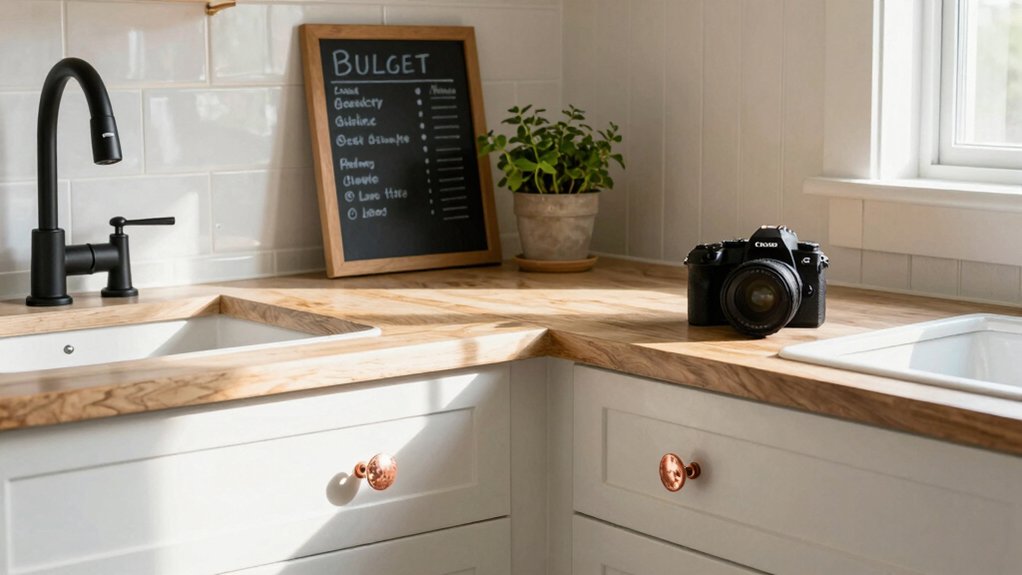
Sprucing up a kitchen or bathroom doesn’t have to break the bank, especially after quick outdoor fixes. You’ll take charge with practical tweaks that deliver big impact without big costs.
Start by swapping hardware to brushed nickel or matte black—its clean lines credibly sharpens any space. Repaint cabinets in a fresh, durable finish for a near-new feel, then add a stylish, inexpensive backsplash using peel-and-stick options.
Prioritize efficient updates: swap old faucets with water-saving models and install LEDs under cabinets for bright task lighting. Choose eco-friendly materials for countertops or tile where possible to boost sustainability and value.
Embrace vintage decor accents—textured tiles, retro mirrors, or classic lighting—to create personality. These targeted moves maximize function, style, and resale potential with minimal disruption.
Smart Storage: Garages, Closets, and Mudrooms
Tackling smart storage in garages, closets, and mudrooms can dramatically reduce clutter and speed up daily routines. You’ll implement smart shelving and modular organization to maximize vertical space, streamline retrieval, and protect belongings.
Start with a clear zone map: designate zones for tools, seasonal gear, and everyday items. Install adjustable shelves, wall rails, and labeled bins to adapt as needs shift. Choose modular components you can reconfigure without tools, so your system grows with you.
Use vertical storage to free floor space, and group like items for faster access. Add a sturdy pegboard for frequently used tools, hooks for coats, and labeled containers to keep small parts in check.
Regularly audit and purge to maintain efficiency and keep momentum high.
Preventive Maintenance to Stop Bigger Problems
With smart storage in place, you’ve built a solid foundation for efficiency. Preventive maintenance isn’t flashy, but it averts bigger problems before they start. You stay ahead by scheduling quick, decisive checks that save you time, money, and headaches.
Begin with roof inspections: look for loose shingles, damaged flashing, and signs of moisture near vents. Address small issues now to prevent leaks and costly repairs later.
Next, gutter cleaning: clear debris, ensure proper slope, and test downspouts for proper drainage. Regularly inspect fascia and soffits for rot or pests.
Note any changes in attic temperature or moisture, which signal hidden trouble. Stay disciplined; a brief today saves a major headache tomorrow, keeping your project list manageable and your home resilient.
Safe, Efficient Tools and How to Use Them

You’ll want to start with the right safety gear, from eye protection to gloves, so you can work confidently without setbacks. Keep your tools clean, sharp, and properly stored, and perform quick maintenance checks before every use.
Learn efficient operation techniques—use the right setting, steady your stance, and plan your steps to save time and reduce mistakes.
Safety Gear Essentials
Selecting the right safety gear is the first step to a successful weekend project. You’ll feel empowered when you know you’re protected, so choose gear that fits snugly and stays put.
Start with a well-fitting pair of safety glasses or goggles to guard your eyes from dust, chips, and splashes.
Put on a durable respirator or mask for dusty tasks and chemical scents, and guarantee you can breathe easily with a proper seal.
Use hearing protection, like earmuffs or plugs, for loud tools.
Wear gloves suited to the task, and sturdy, non-slip footwear with steel or reinforced toes when needed.
Don’t forget a hard hat for overhead work and a high-visibility vest on busy sites.
Keep protective equipment accessible and in good condition for immediate use.
Tool Maintenance Tips
Ever wonder why well-maintained tools save time and prevent accidents? You’ll see results fast when you implement simple maintenance routines.
Keep your power tools ready by wiping off dust, lubricating moving parts, and checking cords for wear. Inspect blades and bits before each session, replacing dull edges and damaged components to maintain cutting efficiency and control.
Practice power tool safety by storing tools in a dry, organized space and using appropriate guards and PPE during setup.
Sharpen blades on a stable surface with the correct file or grinder, and test performance on scrap material first.
Document a quick maintenance checklist after every project, so you stay ahead, maximize torque, and push your limits with confidence.
Efficient Operation Techniques
Efficient operation starts with choosing the right tool for the job and using it correctly from the start. To maximize power, select tools with proper safety guards, solid grips, and rated performance for the task. Read manuals, test run, and adjust settings before you begin.
Maintain control by using two hands, stable stances, and deliberate, precise motions. Use the best practice: plan steps, monitor outputs, and shut down if anything feels off.
Fit accessories that enhance efficiency—accurate bits, sharp blades, and clean guides reduce effort and waste. When your project touches solar panels, handle them carefully, follow manufacturer directions, and protect joints and wiring.
Perform energy audits to locate leaks, optimize tool use, and amplify overall results. Stay focused, efficient, and ready for high-impact gains.
Conclusion
Sure thing—you’ll tackle weekend projects like a pro, right? Think of it as a recipe: a dash of paint, a pinch of weatherproofing, a sprinkle of smart storage, all folded into a budget you actually stick to. You plan, you budget, you schedule, you notice how small tweaks feel like giant leaps. Irony: you fix the little things now and then pretend you were never chasing perfection, just enjoying a home that actually works.