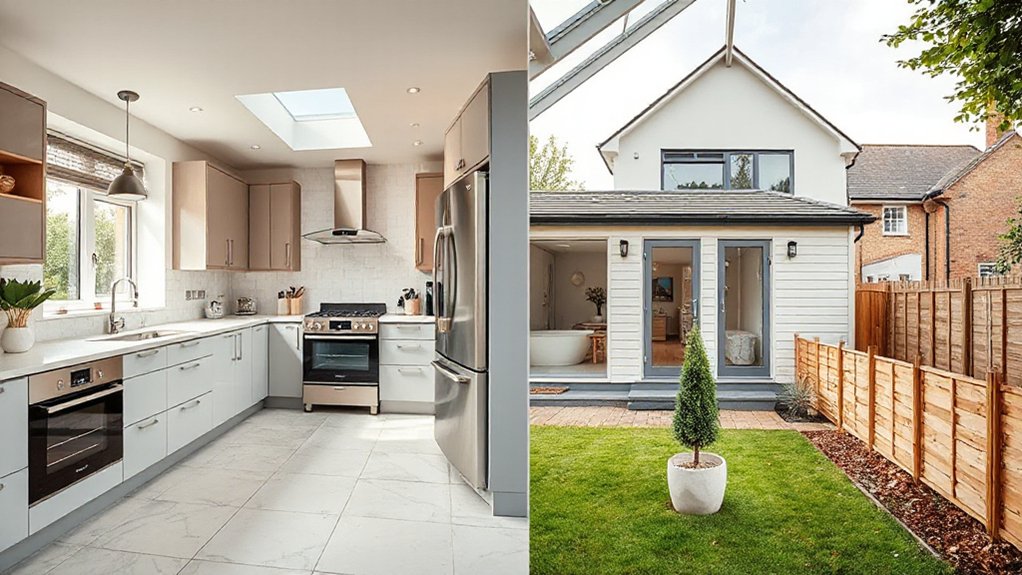
Nearly a third of UK buyers say energy efficiency features top their wish lists, and kitchens and bathrooms consistently deliver solid ROI. You’ll want a strategy that blends layout tweaks with durable exteriors and smart updates, because regional demand shifts value differently across the country. If you’re aiming for a clean break between cost and payoff, there are practical steps to align upgrades with market signals—but you’ll need to choose your moves carefully to maximize resale potential.
How to Choose Upgrades That Add Real UK Value: Criteria and ROI
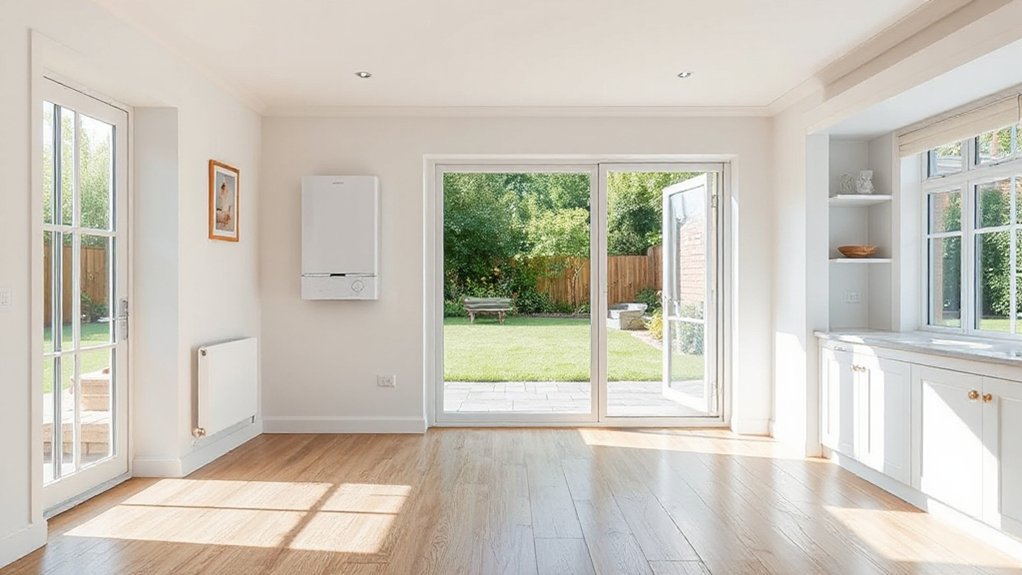
Smart property upgrades should target proven value drivers in the UK housing market, not just cosmetic changes. You evaluate upgrades through three lenses: market demand, cost to value, and disruption.
Prioritize improvements with documented ROI, such as modern kitchens, bathrooms, and layout optimizations that enhance flow and usability. Historical renovation can command a premium by preserving character while upgrading systems, plumbing, and insulation to modern standards.
Garden landscaping matters too; well-designed external spaces extend living areas and attract longer tenancies or faster sales.
Build a scoring rubric: expected uplift, payback period, and maintenance burden. Avoid trends that don’t align with price bands or neighborhood norms.
Choose upgrades you can verify with local comps, contractor quotes, and clear post-project value evidence.
ROI-Driven Energy-Efficient Fixes for UK Homes
Energy-efficient upgrades aren’t just about lower bills; they’re a proven lever for value in UK property markets. You pursue ROI by targeting high-savings measures with clear demand signals.
Solar panels deliver predictable energy cost reductions and favorable feed-in economics in many regions, boosting appraisal visibility and tenant appeal.
Rainwater harvesting reduces utility outlays and signals sustainable stewardship, though its value may hinge on local incentives and regulatory context.
Prioritize upgrades with measurable metrics: heat pumps, enhanced insulation, and airtightness improvements tend to shorten payback windows when implemented together.
Buyers and renters increasingly reward energy performance certificates and documented performance data.
You’ll want scalable solutions that align with grid stability, maintenance costs, and future-proofed heating.
Exterior Upgrades That Boost Curb Appeal and Resale Value
Exterior updates can quickly refresh curb appeal and lift resale value, especially when you target features buyers notice most—facades, entryways, and landscape—paired with durable, low-maintenance choices. You’ll see measurable impact from targeted exterior upgrades, not guesswork.
Prioritize garden landscaping that controls moisture, reduces erosion, and creates year-round structure, since well-planned beds and native plantings boost first impressions and long-term maintenance costs shared by buyers.
Exterior lighting adds safety, highlights architectural details, and extends usable outdoor time, improving appeal in photos and on visits.
Align choices with local climate data and resale trends; simple, durable finishes outperform high-maintenance options.
For value-per-investment, pair a refreshed door and porch with cohesive lighting and drought-tolerant planting to maximize both curb appeal and market saturation.
Kitchen and Bathroom Updates for Maximum Return: A Step-by-Step Plan
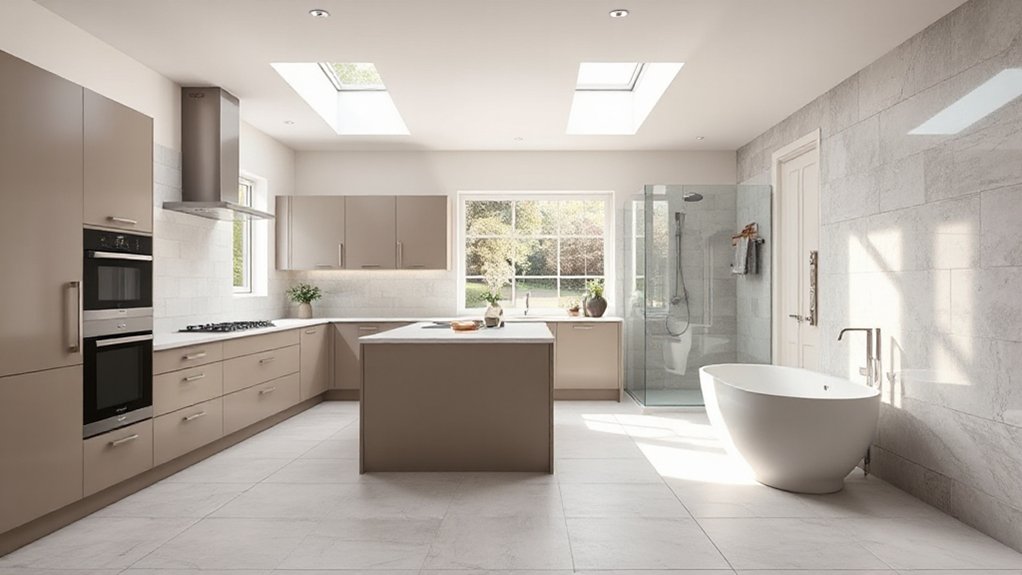
Start with a clear plan for your kitchen refresh and a concise bathroom upgrades checklist to maximize value.
We’ll weigh costs, timelines, and expected returns, using market data and current UK trends to guide decisions.
Your step-by-step plan should prioritize high-ROI updates like cabinets, fixtures, and durable surfaces while keeping disruption minimal.
Plan Your Kitchen Refresh
Planning your kitchen refresh starts with clarity about return on investment in the UK market: focus on layout, fixtures, and finishes that boost resale appeal while keeping costs predictable.
You should map a layout that optimizes workflow, prioritizing a practical Kitchen layout with clear zones for prep, cooking, cleaning, and storage.
Evaluate appliance upgrades for energy efficiency, reliability, and resale value, targeting models that balance upfront cost with long-term savings.
Choose durable materials and neutral finishes that appeal to a broad buyer base, avoiding overly personal decor.
Create a phased plan with itemized costs, timelines, and supplier quotes to maintain budget discipline.
Validate decisions with local market benchmarks, ensuring upgrades translate to measurable value rather than stylistic whimsy.
Monitor demand trends to refine choices before purchasing.
Bathroom Upgrades Checklist
With kitchen upgrades set to deliver solid resale value, turn your attention to bathrooms, where a few targeted updates yield high returns in the UK market.
Start with bathroom design priorities: timeless tiles, neutral palettes, and humidity-resilient flooring to reduce maintenance costs.
Focus on fixtures upgrades that balance cost with impact: replace leaky taps, install a modern vanity, and choose a compact, efficient toilet with dual-flush options.
Update lighting to a bright, cool-white tone for perceived space, and mirror choices that enlarge the room.
Consider a high-quality showerhead, glass enclosure, and an enclosure door that minimizes splash zones.
Guarantee good ventilation, a smart heated towel rail, and accessible storage to boost daily usability.
Prioritize durability, ease of cleaning, and universal appeal to maximize value.
Create Flexible Living Spaces That Grow With Your Family
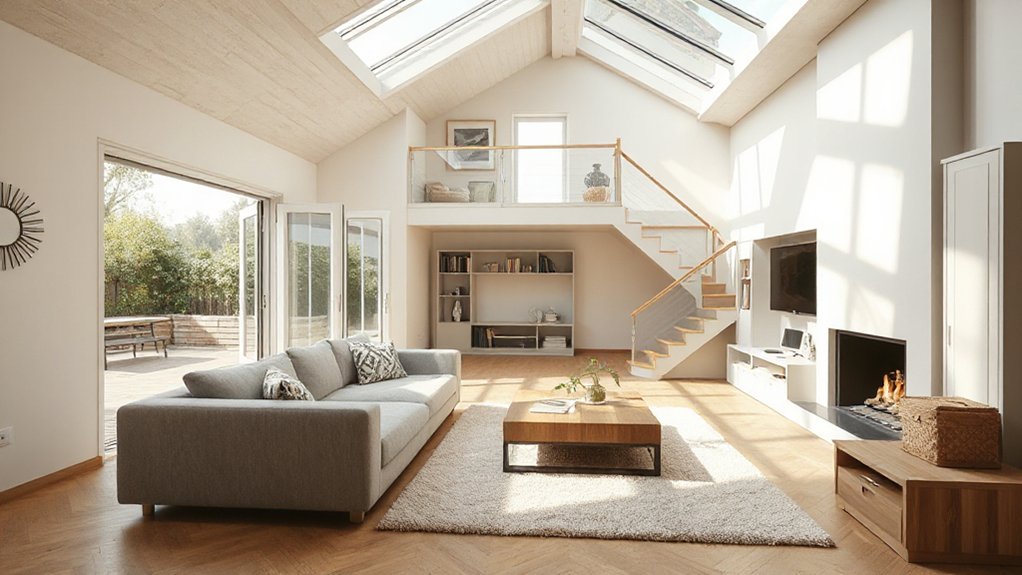
Flexible living spaces adapt as your family changes, so design rooms that can morph from home office to playroom or guest suite without major renovations. You’ll benefit from flexible layouts that maximize square footage and natural light, keeping resale value resilient through shifts in lifestyle.
Prioritise open-plan zones with movable screens, pocket doors, and built-in storage to reduce clutter and support multiple functions. Choose durable, easy-clean finishes and scalable furniture that grows with your needs.
Family friendly designs should include accessible circulation, safety features, and adaptable tech hubs that don’t dominate the room. Consider bedroom zones that can double as study nooks during term-time, then convert to guest space.
Market data shows buyers prize adaptable layouts, especially in smaller UK homes seeking future-proofing.
Smart Home Add-Ons That Sell Homes in the UK
Smart home add-ons can boost UK home appeal and sale price by delivering measurable convenience and energy savings. You’ll see demonstrated demand for integrated systems that reduce effort and utility use, especially among first-time buyers and tech enthusiasts.
Smart security features, such as cameras, doorbells, and tamper alerts, reassure buyers and can lower perceived risk, translating to quicker offers.
Voice assistants drive seamless control of lighting, climate, and devices, creating a modern, low-friction living experience that sellers can highlight in listings.
Market data shows homes with reputable smart tech often command higher prices and shorter market times, provided installation is tidy and standards are followed.
Prioritize reliable devices, clear warranties, and privacy-ready setups to maximize appeal without introducing complexity.
Regional and Property-Type Value Differences: What Works Where
Regional demand shifts mean you’ll see different upgrade returns across the UK, so you should align improvements with local buyer preferences and price bands.
Property-type sensitivity matters too: a mid-market flat responds differently than a family home, so target upgrades that monetize the strongest regional demand signals.
In short, map regional demand variances and type-specific value drivers to decide where to invest first.
Regional Demand Variances
In the UK, regional demand varies with local economic drivers, housing stock, and buyer profiles, so value reacts differently by area and property type. You’ll see stronger uplift where jobs cluster, transport links improve commute times, and supply remains tight, even as local prices plateau elsewhere.
Historical trends show cycles where demand concentrates in growth corridors, then broadens as affordability shifts; that pattern informs upgrades with highest ROI in each region.
Zoning regulations shape permissible change and project scope, influencing your planning timeline and potential value lift.
In urban cores, speculative upside hinges on compact extensions and modernized interiors, while coastal and rural zones reward energy efficiency and resilience improvements.
Align upgrades with regional demand signals, not generic national patterns, for targeted value gains.
Property Type Sensitivity
Property type matters as much as location when predicting value lifts, and regional dynamics magnify that effect. You’ll see different value bumps from upgrades depending on dwelling type and area: terraces in the North often reward smart interior decor tweaks, while detached homes in the South lean toward curb appeal and garden landscaping.
Data shows kitchens and bathrooms deliver reliable ROI across property classes, but weight shifts by buyer emphasis and local supply. In flats, space optimization and neutral finishes outperform bold remodels; in family homes, multipurpose rooms and robust outdoor areas win.
Regional price growth also color-codes demand for aesthetical upgrades. Track buyer preferences by neighborhood, not just national trends, and tailor improvements to local expectations to maximize resale lift.
Frequently Asked Questions
How Long Does It Take to Recoup Upgrade Costs on Resale?
You’ll typically recoup costs within a to 5-year window, depending on scope and market. Cost analysis helps refine the timeframe estimation, showing remodels like kitchens and bathrooms boost resale value more consistently than cosmetic tweaks. Stay market-aware for accuracy.
Do Planning Permissions Affect ROI on Home Upgrades?
Yes, planning permissions affect ROI: you navigate the permit maze like a captain charting a course, because planning permissions and renovation permits can open or delay value realization as construction prices, timelines, and resale demand shift precisely.
Which Upgrades Add Value in Leased or Buy-To-Let Properties?
Leasehold improvements boost value when you focus on durable, compliant renovations; prioritize kitchen and bathroom updates, energy efficiency, and secure fittings. Rental renovations deliver higher rents and quicker tenancies, but track cap rates and tenant demand for best ROI.
Are Retrofits or New Builds More Valuable for UK Buyers?
Based on current buyer behavior, retrofits tend to hold value while future-proofing with sustainable materials and smart technology boosts appeal; new builds can fetch premiums when features are modern, efficient, and well-integrated for durable resale advantage.
How Do Regional Market Cycles Influence Upgrade Value?
Regional trends influence upgrade value: you’ll see higher returns where demand rises with tighter supply, yet market fluctuations can dampen gains during downturns. You should monitor timing, buyer preferences, and local inventories to align upgrades with prevailing regional trends.
Conclusion
In the end, you don’t just add square footage—you add value you can feel. Prioritize ROI-driven upgrades: efficient insulation, heat pumps, and solar where viable; durable exteriors and smart, flexible layouts next. Kitchens and baths still drive returns, but alignment with regional demand matters more than ever. Targeted improvements, not gimmicks, deliver growth. Think of your home as a living portfolio—steady, data-backed choices raise its market price and your peace of mind. The needle moves with informed, purposeful upgrades.