You’ll avoid costly missteps by screening tenants effectively, drafting clear, enforceable leases, and enforcing them consistently. Budget for maintenance with reserves, forecast cash flow, and flag variances early to prevent surprises. Stay compliant by tracking disclosures, deposits, and renewal terms, and handle increases with transparent timing and justification. Manage marketing to minimize vacancies, and plan capital expenditures for long-term upkeep. Proactive communication reduces disputes and risk; if you keep going, you’ll uncover practical steps to implement these safeguards.
Screen Tenants Effectively

Screening tenants effectively starts with a clear, consistent process. You establish criteria, document requirements, and apply them uniformly to every applicant.
Begin with a standard rental application collecting essential information: employment, income, rental history, and consent for verification.
Next, perform tenant screening with objective measures: verify income-to-rent ratios, confirm prior addresses, and check references.
Employ background checks to assess financial reliability, eviction history, and criminal records where lawful.
Maintain proportionality and privacy, avoiding discriminatory practices.
Use standardized scoring to compare candidates, documenting rationale for decisions.
Communicate timelines, next steps, and appeal options clearly.
Keep records organized for potential audits and landlord-tenant disputes.
This disciplined approach reduces risk, accelerates decisions, and supports fair housing compliance.
Draft Clear, Enforceable Leases You Can Enforce
You draft with clarity to prevent ambiguity and future disputes. Use precise, enforceable language that aligns with applicable laws and lease terms.
This sets a solid foundation for enforceability and easier administration.
Drafting Clarity Essentials
Clear, enforceable leases hinge on precise terms and unambiguous language. You’ll shape a document that limits ambiguity, spells out duties, timelines, and remedies, and avoids vague descriptors.
Focus on definitions, payment schedules, late fees, and renewal options with concrete figures and clear triggers. In draft preparation, align lease language with applicable laws to prevent unenforceability later.
Incorporate tenancy terms that support effective tenancy management while preserving your rights. When you discuss lease negotiations, anchor your positions in written proposals, counteroffers, and final memorialization, avoiding interpretive loopholes.
Maintain consistency across all provisions to reduce disputes. In tenant screening, separate substantive criteria from protected classes, document criteria, and attach screening policies as an exhibit.
Guarantee each clause remains precise, enforceable, and practically implementable.
Enforceability Through Language
Drafting language that’s precise and directive is essential to enforceable leases. When terms are unambiguous, remedies and timelines are predictable, and disputes shrink.
In lease negotiations, you should prefer concrete definitions for obligations, remedies, and termination events, avoiding vague statements. Use enforceability language that ties penalties to specific actions, dates, and notice periods, so the contract can be interpreted consistently in court.
Define what constitutes breach, cure periods, and the process for escalation, including steps for mediation or arbitration if appropriate. Include clear rent, fees, and interest calculations, along with explicit security deposit handling and return conditions.
Avoid ambiguous adjectives, conditional loopholes, or discretionary judgments. Well-drafted clauses reduce litigation risk and support swift enforcement, protecting property interests while preserving landlord-tenant trust.
Budget for Maintenance and Repairs
You should set Regular Reserve Allocations to cover future repairs without surprise charges.
Schedule Emergency Funds to handle urgent fixes promptly, protecting your cash flow.
Prioritize Routine Inspections to catch issues early and minimize costly disruptions.
Regular Reserve Allocations
- Align reserves with financial planning and asset lifecycle
- Set explicit reserve funding targets and track progress
- Review and adjust annually to maintain adequacy
Schedule Emergency Funds
Properly scheduling emergency funds guarantees you can cover unexpected maintenance and urgent repairs without disrupting cash flow. You should set aside a dedicated reserve for large-ticket issues, such as roof leaks, HVAC failures, or plumbing emergencies, so normal operations stay unaffected.
Establish a target balance—commonly three to six months of operating expenses—and build it gradually through consistent allocations. Track expenditures meticulously to distinguish between routine upkeep and true emergencies.
Integrate this fund into your overall contingency planning, ensuring governance over when and how withdrawals occur. Practice emergency preparedness by rehearsing response scenarios, documenting procedures, and naming responsible parties.
Reassess the reserve annually to reflect inflation, property turnover, and market conditions, maintaining readiness without overfunding, which could hamper investment opportunities.
Prioritize Routine Inspections
- Establish a recurring inspection calendar with defined scopes
- Align maintenance budgets with lease terms and tenant responsibilities
- Document findings and link to remediation timelines and lease drafting
Forecast Cash Flow and Eliminate Surprises
Forecasting cash flow is essential to detect shortfalls before they derail your plan. You must build a robust projection that reflects realistic rents, vacancies, and maintenance costs. Start with conservative occupancy assumptions and adjust for seasonal trends to avoid overestimations.
Track timing of income versus expenses, including debt service, insurance, and capital repairs, so you can spot gaps early. Use scenario analysis to compare best, base, and worst cases, and revise monthly as conditions change.
Document assumptions clearly to facilitate accountability and future audits. Forecasting revenue should rely on verifiable data, not wishful thinking, and you should incorporate reserves to cover unexpected costs.
Regularly review variances, tighten controls, and communicate findings with stakeholders to sustain confidence and reduce surprises.
Navigate Legal Compliance for Landlords
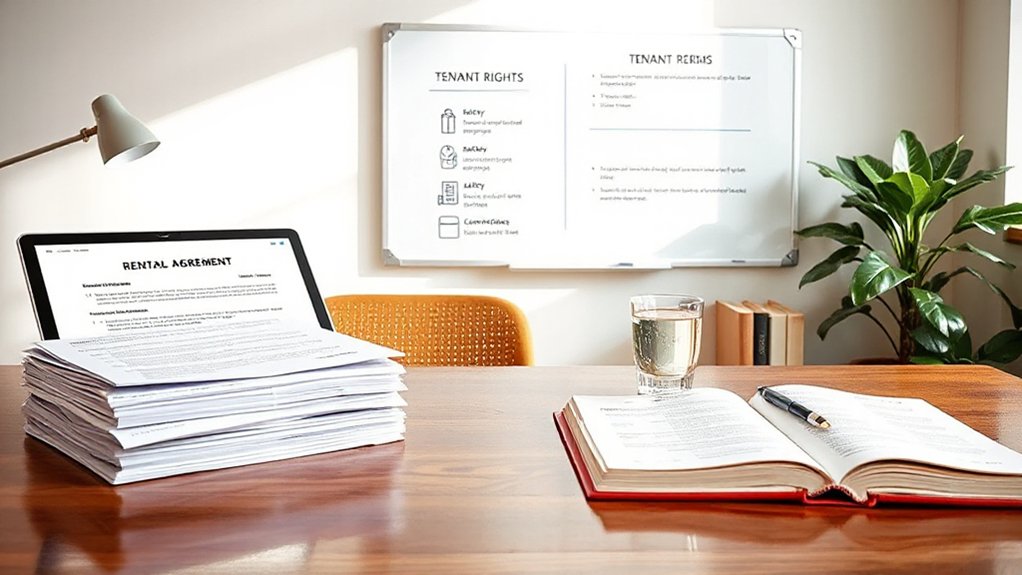
You must understand Compliance Essentials For Landlords to run your rental legally and efficiently.
Recognize Legal Pitfalls And Safeguards to prevent costly missteps and protect your rights and tenants.
Stay current on local, state, and federal requirements so your operations remain compliant, transparent, and well-documented.
Compliance Essentials For Landlords
Compliance with legal requirements isn’t optional for landlords; it’s the foundation of a sound and defensible rental operation. You must systematize obligations, from disclosures to recordkeeping, to mitigate risk and protect tenants.
Focus on processes that withstand scrutiny, including consistent tenant screening and precise lease drafting. When you implement standardized actions, you reduce ambiguity and disagreement, preserving your rights while honoring legal protections.
- Tenant screening: apply uniform criteria, document decisions, and maintain confidential records.
- Lease drafting: ensure clear terms, enforceable provisions, and compliance with local and federal rules.
- Compliance governance: maintain timelines for disclosures, habitability standards, and data privacy, with regular reviews and updates.
Adopt these essentials to minimize disputes and strengthen defensible outcomes in every tenancy.
Legal Pitfalls And Safeguards
Managing legal compliance isn’t optional for landlords; it’s essential to prevent disputes and costly penalties. You’ll reduce exposure by understanding statutes governing security deposits, notices, and habitability standards.
Documented policies matter: use written procedures for rent increases, late fees, and inspections to support lease enforcement when disputes arise. Stay current on fair housing laws to avoid discriminatory practices and potential lawsuits.
Implement a clear lease template that outlines required disclosures, maintenance obligations, and tenant rights, then enforce it consistently.
Regular audits of your records help flag gaps before claims escalate, while legal liability can be minimized through prompt, documented responses to complaints.
Seek counsel for complex clauses or local ordinance updates, and maintain compliance calendars to sustain proactive safeguards.
Prevent Tenant Disputes: Proactive Communication and Clear Policies

Proactive communication and clear policies prevent many tenant disputes by setting expectations upfront and documenting procedures. You maintain visibility into responsibilities, respond promptly, and minimize confusion.
Focus on policy clarity in lease language and house rules, so tenants know what’s required and what you’ll enforce. Establish channels for concerns, a documented response timeline, and a process for dispute resolution.
Your communication should be concise, professional, and consistent, reinforcing trust and accountability. Regular updates on policy changes prevent back-and-forth misinterpretation, reducing friction during inspections, rent deposits, and notice periods.
By prioritizing tenant communication and crystal-clear rules, you create a predictable rental experience that protects both parties.
- Clarify expectations and procedures in writing
- Define response times and escalation paths
- Maintain accessible, updated policy documents
Implement a Consistent Maintenance Plan
A consistent maintenance plan guarantees your property remains safe, functional, and appealing to tenants. You establish a schedule for routine inspections, preventative upgrades, and prompt repairs, reducing emergencies and tenant dissatisfaction.
Define clear responsibilities, response times, and quality standards to maintain structural integrity, systems, and safety features. Document seasonal tasks, such as HVAC servicing and gutter cleaning, and assure access for contractors with minimal disruption.
Use routine inspections to catch wear before it becomes costly, and track findings to confirm timely remediation. Build emergency preparedness into the plan with stored emergency contacts, backup power considerations, and clear shutoff instructions.
Regular audits verify compliance, budget alignment, and donoring lessons into future cycles, sustaining asset value while supporting reliable tenancy.
Document Operations: How to Track Routines and Records
Documenting operations is the next step after establishing a consistent maintenance plan. You manage routines and records to guarantee accountability, traceability, and compliance.
Centralize logs for inspections, repairs, and vendor communications, and standardize entry formats to avoid ambiguity.
When you document tenant interactions, emphasize tenant screening and lease drafting to align expectations with outcomes. Maintain a clear audit trail that supports disputes and regulatory reviews.
Regularly review data for accuracy, completeness, and timeliness, and assign ownership to prevent gaps.
Implement version control for policy updates and contract templates.
Protect sensitive information with access controls and encryption where appropriate.
- Centralized logs for inspections, repairs, and vendor communications
- Standardized entry formats and versioned policy updates
- Access controls and data protection for sensitive tenant information
Handle Security Deposits Ethically and Legally

Handling security deposits requires adherence to both ethics and law from the outset; you should understand your state and local rules, including limits, timing, and allowed deductions.
You manage deposits with clear, written policies that align with applicable statutes and lease terms. Communicate expectations upfront and document move-in condition surveys to prevent disputes.
Maintain accurate records of deposits, receipts, and interest where required, and segregate funds if mandated.
When tenants move out, perform itemized, objective inspections promptly, noting damages beyond normal wear and tear. Return the balance with explanations for any withholdings, and comply with deadlines to avoid penalties or interest.
Practice Ethical handling by avoiding bait-and-switch tactics, documenting changes, and treating tenants fairly while protecting your property interests.
Security deposits, Ethical handling, protect trust and enforce compliance.
Rent Increases: Timing, Rationale, and Communication
Rent increases should be based on clear criteria and communicated promptly. You should tie adjustments to objective factors, such as market rates, inflation, and property improvements, documenting calculations for transparency.
Your rent strategy must balance return with tenant retention, avoiding punitive jumps that trigger vacancies. Provide written notice within the legally allowed window and outline the rationale, including any caps or phased increases.
During lease negotiations, present a structured proposal, offer options, and be prepared to discuss alternatives like shorter terms or bundled services. Maintain a professional tone, and invite questions to reduce misunderstandings.
This approach preserves trust, reduces disputes, and reinforces compliance. Clear communication supports long-term occupancy and predictable cash flow.
- Transparent criteria and timing
- Justification and documentation
- Flexibility in negotiations
Property Marketing and Vacancy Management
Begin with accurate, compelling listings, highlighting features, amenities, and location advantages. Maintain up-to-date online listings across platforms, and respond promptly to inquiries to reduce vacancy cycles.
Property signage should be clear, visible, and compliant, directing prospects to contact channels while reflecting your brand. Schedule professional photos and concise descriptions that invite viewing appointments without overpromising.
Align marketing activity with lease timelines, balancing showings with existing tenant comfort. Track vacancy duration, inquiry-to-viewing rates, and conversion outcomes to refine strategies.
Consistent branding and transparent information minimize miscommunication and accelerate occupancy.
Plan for Capital Expenditures and Long-Term Upkeep
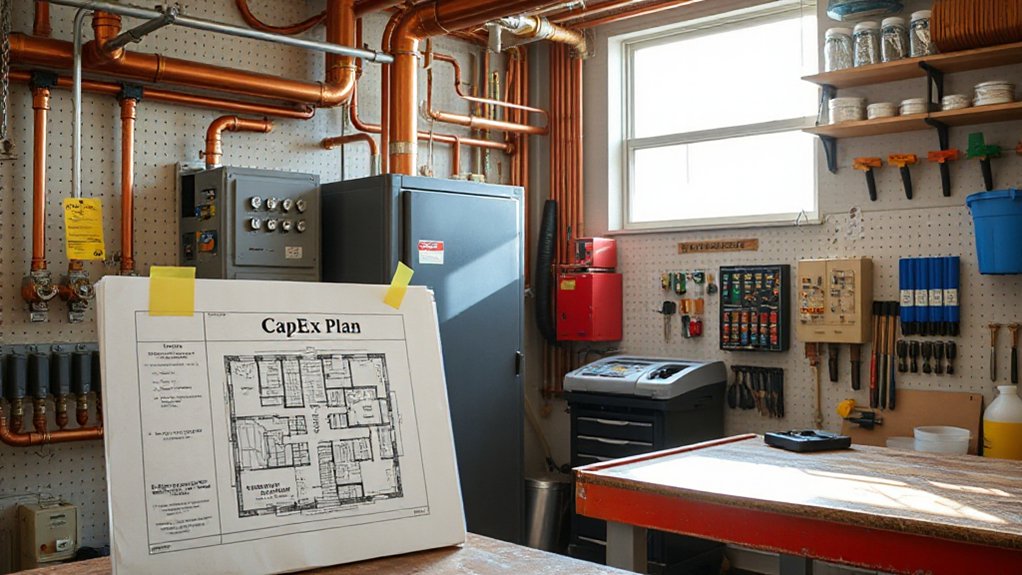
Proactively planning for capital expenditures and long-term upkeep is essential to protect asset value and stabilize finances. You’ll benefit from a structured approach that anticipates major costs, extends asset life, and reduces emergency spending.
Establish a formal capital planning process and align it with lease terms and refinancing plans. Use expense forecasting to project yearly needs, prioritizing essential repairs, system upgrades, and code compliance.
Build a multi-year budget that accounts for inflation, warranty windows, and replacement cycles. Regularly review assumptions, adjust for market changes, and document rationale for decisions.
Track actuals against projections to refine timing and funding sources. Communicate plans to lenders and investors to preserve creditworthiness and foster confidence.
- Capital planning
- Expense forecasting
- Long-term maintenance schedule
Frequently Asked Questions
How Do I Verify a Tenant’s Income Reliably?
You verify a tenant’s income reliably by requesting recent pay stubs or tax returns, and cross-checking with employer confirmation. Use formal background checks and income verification services, ensuring consistency, timeliness, and documentation to support your assessment.
What Is the Best Eviction Process Timeline?
Like a clock in the hall, start with clear notice timelines: tenants screened, nonpayment addressed promptly, and eviction pursued only after due process. Maintain documentation, and plan for lease renewal discussions to minimize future disputes and delays.
How Should I Handle Security Deposit Deductions Fairly?
You should follow clear security policies, document damages thoroughly, and conduct itemized deductions to handle security deposit deductions fairly. Communicate promptly to resolve deposit disputes, provide receipts, and preserve transparency to protect yourself and tenants alike.
How Can I Mix Short and Long-Term Leases Effectively?
You mix short and long-term leases by tailoring terms, flexibly aligning rent, renewal options, and notice periods. In lease negotiation, emphasize clarity within a robust Rental agreement, ensuring protections, objectives, and timelines sync for both formats.
What Data Should I Collect for Incentives and Referrals?
You should collect tenant engagement metrics and referral incentives data, including participation rates, conversion paths, and reward effectiveness, to measure impact and optimize programs. This data guides you in tailoring incentives and boosting referrals.
Conclusion
In every rental story, own the ending before it starts. Picture your portfolio as a well-tended garden: many hands nurture the soil, prune the risks, and sow strong leases. You screen rigorously, budget tightly, and forecast calmly to dodge sudden shortages. Ethical deposits, timely updates, and clean communication keep the soil fertile. When you advertise, price honestly and plan for capital needs. With disciplined steps, you’ll harvest steadier cash flow and fewer costly surprises.