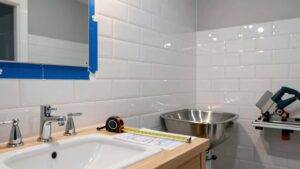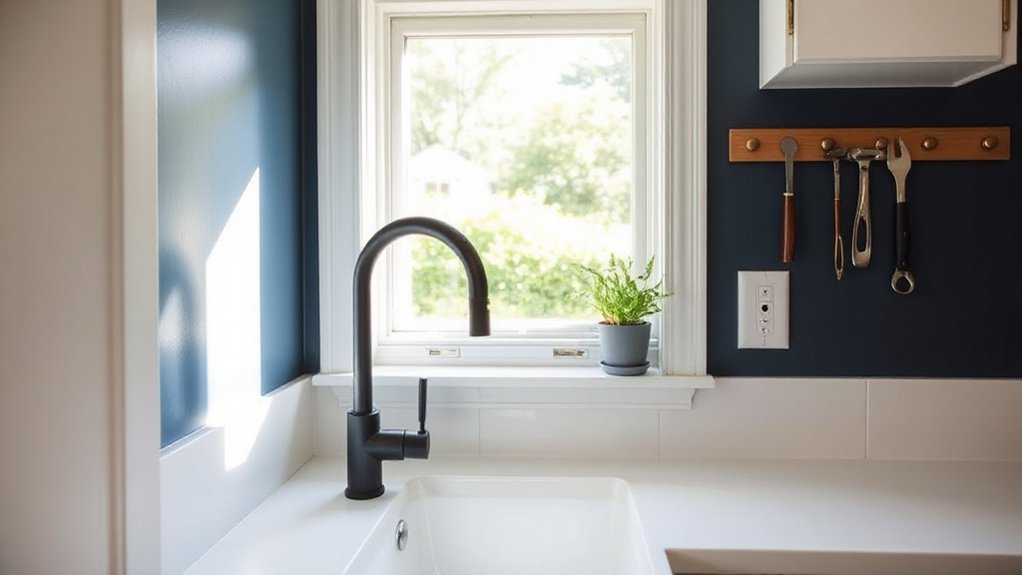
Small home improvements can punch above their weight. Start with quick-win updates: paint one accent wall, switch hardware, and update lighting with dimmers for mood. Add smart storage with vertical shelves and multi-use furniture to free space. Boost curb appeal with fresh hardware and tidy landscaping, plus weatherproofing seals to trim drafts. Choose durable, easy-clean finishes and energy-efficient upgrades for long-term savings. Want more practical ideas you can actually use? Keep going and you’ll find plenty.
Quick-Win Makeovers: Paint, Lighting, and Hardware
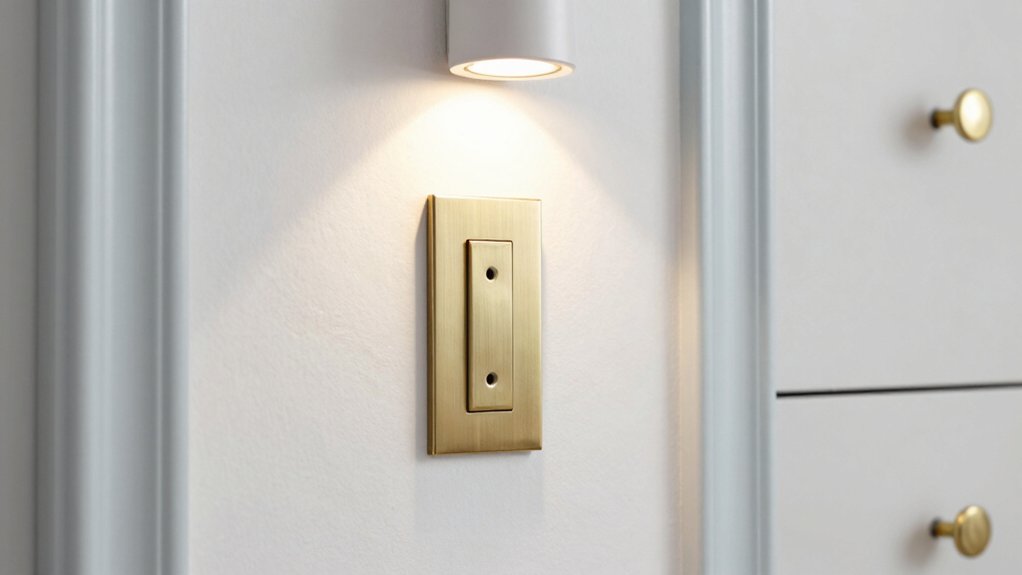
Small upgrades can deliver big impact fast. You’ll tighten control by choosing a bold paint scheme on one accent wall, then taper the rest to a clean, cohesive backdrop. Pick a high-contrast color for drama, and use precise edgework to keep lines sharp.
Update lighting with a mix of task, ambient, and accent sources; swap old fixtures for modern shapes, and install dimmers to modulate mood on demand. Hardware gets a quick overhaul: switch knobs and pulls to matte black or brushed metal for instant authority.
Add decorative accents that speak to your style, then balance them with wall art that anchors rooms without shouting. Keep placements intentional, then test feels in real time and iterate until every surface projects power and precision.
Smart Storage Tweaks for Small Spaces
Vertical storage hacks free up floor space and keep essentials at hand, so you can maximize every inch without clutter. Use wall-mounted shelves and hanging organizers to create instant tiers for books, tools, or pantry items.
Pair these with multi-use furniture that hides storage inside, and you’ll gain surface area while staying organized.
Vertical Storage Hacks
If you’re short on floor space, go vertical to reclaim. Vertical storage hacks put power in your hands, letting you conquer clutter without sacrificing square footage. Start with shelving solutions that fit your walls—sturdy, adjustable, and easy to reconfigure as needs change.
Install wall mounted organizers in high-traffic zones to keep keys, tools, and quick-use items within arm’s reach. Use slim, cantilevered racks for spices, cosmetics, or office supplies, so you never hunt for the next item again.
Maximize corners with corner shelves and magnetic strips for metal tools. Label everything clearly and group by usage so you can grab what you need in seconds.
Regularly purge unused items to maintain lean, efficient storage. Reclaim space, strengthen flow, boost productivity.
Multi-Use Furniture Tricks
Multi-use furniture can be your best ally when space is tight. You’ll tap into smart, flexible furniture that adapts to daily needs without clutter. Start with a bed that doubles as storage, pull-out desks, and ottomans with hidden compartments to keep essentials close yet out of sight.
Choose pieces with clean lines and a compact footprint to preserve flow, not crowd it. When hosting, opt for a coffee table that becomes a temporary work surface, or a sofa with integrated shelves for quick access.
Prioritize modularity—snap-together shelves, fold-away stools, and wall-mounted units keep floor space open. Invest in durable finishes and easy maintenance so you don’t repaint or replace.
Multi-use furniture and flexible furniture streamline living, empowering you to reclaim square footage now.
Upcycled Décor That Elevates Every Room
Upcycled décor can instantly lift any room, and you don’t have to be a crafts pro to pull it off. You’ll transform spaces fast by targeting key surfaces: shelves, walls, and focal corners.
Choose eco friendly materials for lasting impact and minimize waste—think reclaimed wood, glass jars, and sturdy fabric scraps. Start small: create a gallery wall with vintage accents, mix textures, and keep color cohesive to avoid clutter.
Repurpose old trays as statement trays, or turn a thrifted ladder into a storage/display unit. Label and group items by purpose to sharpen the room’s rhythm.
Seal wood, wash fabrics, and test lighting to ensure mood alignment. The result is sharper rooms that feel intentional—and affordable upgrades you can repeat.
Budget-Friendly Curb Appeal Ideas
Spruce up your home’s first impression without breaking the bank by focusing on the entryway, trim, and lighting. You’ll maximize impact with simple, deliberate choices that boost curb appeal fast.
Start with a fresh coat of paint on doors and shutters, choosing exterior color schemes that complement your landscaping basics. Add a low-cost planter line along walkways to create structure and depth, using a repeatable color or texture for cohesion.
Update hardware—knockers, house numbers, and lighting fixtures—for instant polish and safety. Trim hedges to expose architectural features, then install white or warm LED lighting to highlight textures at night.
Finally, tidy pathways and mulch beds to unify the scene. These moves deliver noticeable, repeatable results without heavy spending.
Energy-Saving Upgrades With Fast Payback
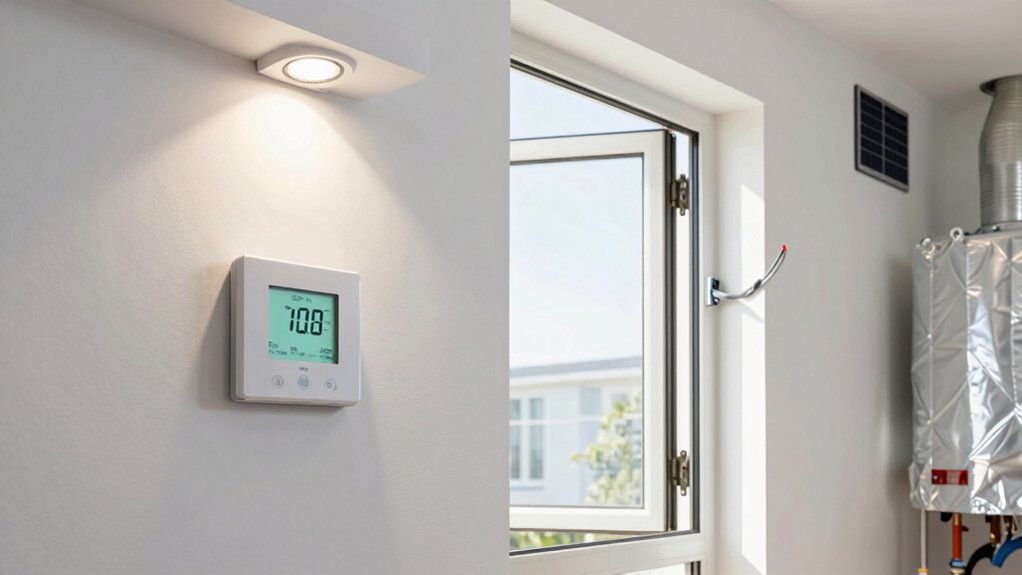
A few smart energy saves can pay you back fast, so start with quick wins you’ll notice every month. You’ll see instant impact by upgrading to energy-efficient windows and sealing leaks, then layering in efficient devices.
Prioritize solar panels for daytime power and reduced utility bills, especially where sun exposure is strong; pair with smart thermostats to tighten control.
Choose ENERGY STAR appliances and LED lighting to slash ongoing draw without sacrificing performance.
Air leaks? Tackle them with weatherstripping and insulation in key spots like doors, ducts, and attic hatches.
Implement an efficient hot-water plan: low-flow fixtures and shorter standby times.
Track usage monthly to confirm savings, and reinvest gains into further upgrades.
This approach delivers fast payback, measurable power, and lasting home efficiency.
Organizing Hacks That Actually Stick
To keep your organizing habit from fizzling, start with simple storage rules that you can actually maintain. Use labeling for clarity and zone-based setups so you know where everything belongs at a glance.
Keep it tight: assign each item to a zone, label clearly, and adjust as you go to fit real-life use.
Simple Storage Rules
Are you tired of clutter piling up because nothing has a home? Simple storage rules cut through the chaos. Start with a ruthlessly practical mission: every item must have a defined spot.
Use vertical space, wall hooks, and stackable bins to maximize reach and retrieval. Group similar items, label once, and keep a single master plan visible—no guesswork.
Measure before buying; choose modular solutions that adapt as needs shift. Implement a uniform sizing system for containers so you can swap in seconds, not minutes.
Schedule quick declutters quarterly to prevent drift. Commit to one-in, one-out for valuable gear.
Labeling For Clarity
Labeling is the quick upgrade that anchors all your storage rules. You tighten control by tagging bins, shelves, and zones with clear, durable labels. Use a simple system: category, contents, date, and where it belongs. Print large, high-contrast text, and place labels at eye level for instant recognition.
Color-code by function—tools, cleaning, seasonal items—and keep the palette consistent across rooms. Keep a quick-reference map on your cabinet door or toolbox so you don’t wander when consequences loom.
When you plan upgrades like garden lighting or choosing a paint color, labels guide placement, avoid over-purchasing, and reduce decision fatigue. Regularly prune labels that fade or drift, and replace them before confusion creeps back in.
Clarity sticks, and your space stays purposeful.
Zone-Based Organization
Zone-based organization turns chaos into quick hits of efficiency. You map every zone by use, then assign a single owner—yourself. Start with a practical grid: daily, seasonal, and project areas.
In each zone, store only what you actually use there, label boldly, and maintain a ruthless purge schedule. Implement a two-bin system for quick trash or donation decisions, and keep a dedicated tool tote for that zone’s tasks.
When you finish a project, reset the zone immediately to prevent drift. Apply garden landscaping and outdoor lighting tasks to the outdoor zones, so tools and supplies stay accessible during setup and teardown.
Measure success by time saved, error reductions, and a calmer workflow that scales with your ambitions. You control the efficiency curve—own it.
Fresh Room Layouts for Better Flow
Small rooms can feel cramped, but smart layouts make flow obvious and everyday tasks easier. You regain control by testing a clear focal point and anchoring furniture around it. Prioritize furniture placement that preserves open pathways; align sofas, chairs, and tables to create one main traffic flow, not competing routes.
Measure doorways and window clearances, then place larger pieces against walls to maximize usable floor space. Use rugs to define zones without breaking circulation, and ensure at least 30 inches of walking space beside each seated area.
Think in zones: work, lounge, and dining can share the same footprint with intentional alignment. Favor multi-functional furniture and scalable arrangements you can adjust as needs evolve. Your layout should feel effortless, not engineered.
Weatherproofing and Comfort Upgrades
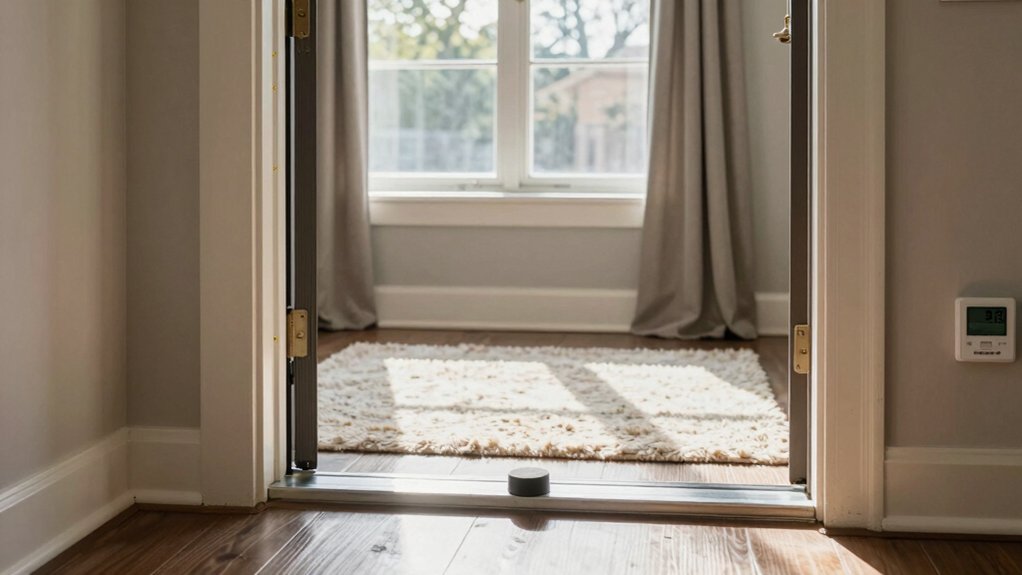
After optimizing layout for flow, you can seal out drafts and boost comfort without changing the look of the room. You’ll target energy loss with practical steps that pay off fast.
Start with insulation upgrades in key areas: attic, basement, and exterior walls, using deeper caverns where cold seeps in.
Upgrade door and window gaps with weatherstripping and door sweeps to stop creeping cold.
Next, prioritize window sealing—apply low-expansion foam to obvious cracks, add storm windows if you own older panes, and consider insulated shades for seasonal shifts.
Seal air leaks around outlets and light fixtures behind walls.
Finally, balance comfort by upgrading a programmable thermostat and sealing duct seams in the HVAC run, ensuring heat stays where you live it.
Your space feels tighter, cozier, and more efficient.
Durable Finishes for Busy Homes
Durable finishes can stand up to busy homes without cramping style. You want surfaces that endure daily use, wipe clean fast, and resist showing wear. Start with Eco friendly finishes that don’t compromise strength—look for low-VOC options with proven durability.
Opt for scratch resistant coatings on high-traffic areas like entryways and kitchens to preserve looks without constant touchups. In bathrooms, choose sealed paints or epoxy-like coatings that resist moisture and staining.
Apply matte or satin sheens to hide minor imperfections and maintain a modern vibe. When selecting, prioritize compatibility with your substrate and simple maintenance routines.
Install with proper surface prep, allow complete curing, and you’ll enjoy long-lasting resilience that supports your busy lifestyle.
Seasonal Projects to Rotate Your Style
Seasonal projects are a smart way to refresh your space without a full overhaul. You’ll rotate textures, colors, and accents to match the moment, not the year.
Start with a tight palette: seasonal color schemes that coordinate with your existing furniture, then swap throw pillows, curtains, and art to reflect the vibe you want.
Keep setups simple: swap in a signature centerpiece, like a metallic vase or a bold rug, to anchor the room.
Plan holiday decorating tips that maximize impact with minimal effort—battery-operated lights, a single statement garland, and decluttered surfaces.
Schedule quick refreshes quarterly, not monthly, to stay sharp.
Track results, note what sparks energy, and reuse elements strategically next season.
Power through with intentional, achievable changes.
Conclusion
Here’s a quick takeaway: small upgrades compound fast. In fact, a 5% improvement in curb appeal can lift home value by up to 1% in resale. You don’t need mega projects—paint a room, switch hardware, add smart storage, or swap lighting—and you’ll feel the difference in daily use. Tackle one idea this week, measure the impact, and iterate. Stay practical, stay flexible, and you’ll finish with a home that looks fresh and works better for you.