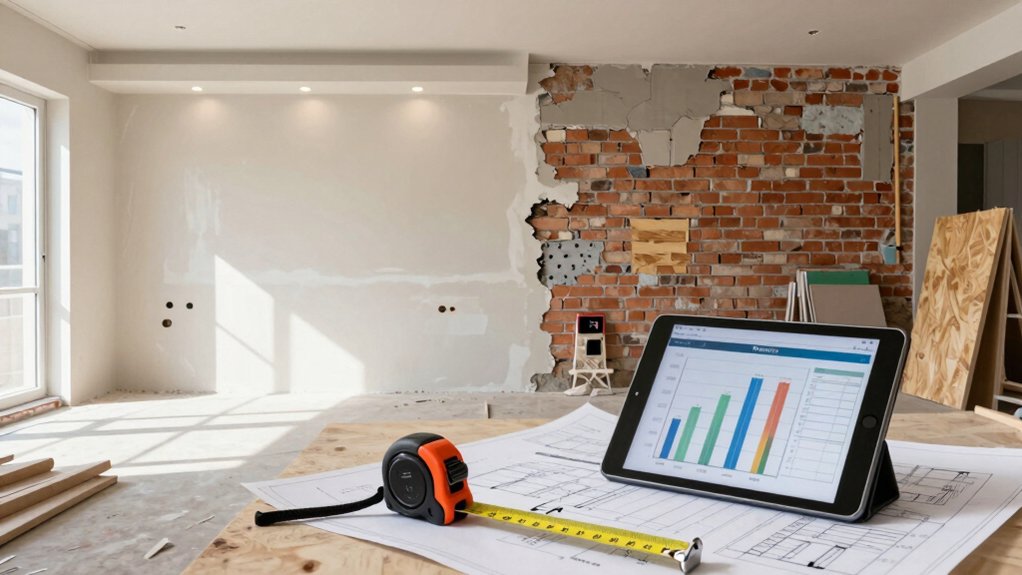
When you weigh full versus partial refurbishment, you balance lasting durability and modern aesthetics against higher upfront costs and longer downtime. You’ll gain extensive upgrades and potential energy savings with a full approach, but you’ll face bigger disruption and budget spikes. A partial refresh is quicker and cheaper, yet may miss hidden issues and leave uneven results. The key is to contrast what you need now with what you’re willing to endure when things get finished.
Assessing Scope and Goals for Full Vs Partial Refurbishment

Evaluating scope and goals for a full vs. partial refurbishment starts with clarity about what you want to achieve and why. You map outcomes by listing rooms, timelines, and essential functions, then test options against daily use.
You identify constraints—budget, structure, and permits—and prioritize needs over wants to prevent scope creep. You’ll assess design flexibility to adapt future needs without overhauling systems, ensuring the project can evolve with minimal disruption.
Consider your aesthetic consistency goals early: how materials, fixtures, and finishes align across spaces to maintain a cohesive look. Document success metrics—be it return on investment, occupancy comfort, or reduced maintenance.
With a clear target, you choose a scope that maximizes value, minimizes risk, and supports practical, client-centric decisions throughout the refurbishment.
Cost Implications and Budget Management
Cost implications and budget management hinge on realistic costing, disciplined tracking, and clear trade-offs from day one. You’ll map a transparent budget baseline, then monitor variances against it daily.
Material costs require upfront quantity takeoffs and price freezes where possible, so you’re not blindsided by market shifts. Build contingencies—typically 10 to 15 percent—into the plan, and document approved changes to prevent erosion of value.
When you choose contractor selection, compare bids not only on price but on scope clarity, timelines, and warranty provisions. Favor fixed-price or well-defined unit-rate contracts to reduce surprises, and align milestones with payment terms to maintain cash flow.
Track waste, reuse opportunities, and procurement efficiencies to protect the budget while preserving quality. Regular reviews keep you accountable and confident in decision-making.
Timeframes, Disruption, and Project Logistics
Coordinating the project timeline starts with aligning the schedule to the budget you’ve set, then translating that plan into concrete logistics. You’ll map milestones, identify critical path tasks, and establish overlap where feasible to minimize downtime.
Material selection and procurement timing drive sequencing; delays here ripple through every trade, so lock lead times early and confirm alternates.
Contractor coordination matters: maintain a single point of contact, schedule aligned crews, and pre-approve access windows to limit disruption. Establish daily check-ins and a concise RACI matrix to clarify responsibilities.
Contingency buffers should reflect your risk profile, not be cosmetic. Communicate changes promptly, with transparent impact on timelines and cost.
Document scope changes in real time, minimizing rework and keeping trades synchronized for smooth, predictable progress.
Long-Term Value, Energy Efficiency, and Quality of Work
Long-term value hinges on thoughtful material choices, durable construction, and reputable workmanship that stands the test of time. You’ll see longer life from quality basics, smoother maintenance, and better resale appeal when every decision supports durability, not just aesthetics.
In this phase, prioritize energy efficiency through insulation, efficient glazing, and tight envelope detailing, which pay off through lower operating costs and comfort. You also weigh interior design implications, ensuring materials and finishes retain appeal while resisting wear.
Workmanship quality matters: precise carpentry, proper sealing, and code-compliant installations reduce callbacks and legal considerations later. Document warranties and performance expectations upfront, so expectations align with outcomes.
A disciplined approach blends practical budgeting with clear scope, minimizing disruption, while preserving flexibility for future upgrades without sacrificing overall value.
Practical Decision-Making: Choosing the Right Approach
Choosing the right approach starts with a clear picture of what you want to achieve and how the work will affect daily use. You’ll map priorities, timelines, and budget constraints, then test each option against real-world routines.
Start with critical rooms and systems, noting disruption tolerance and peak-use periods. In full refurbishments, you gain modern efficiency, but require longer downtime and a bigger upfront commitment.
In partial updates, you preserve flow and minimize interruptions, yet you may compromise on newer systems. Consider design aesthetics to align with your lifestyle, and weigh historical preservation if applicable, since it adds nuance and potential constraints.
Communicate boundaries early, document scopes clearly, and set decision milestones. Choose the approach that best sustains compatibility between daily needs, long-term value, and your project’s core goals.
Frequently Asked Questions
How Do I Prioritize Must-Haves Versus Nice-To-Haves in Decisions?
You prioritize must-haves by budget planning first, then evaluate nice-to-haves against cost and impact. Compare ROI, timelines, and risk. Document decisions, track changes, and guarantee aesthetic considerations align with your goals for a balanced result.
What Are Hidden Costs Not Covered by Initial Estimates?
Hidden costs catch 40% of projects off guard; you’ll likely encounter unforeseen expenses and contractor delays. You’ll want contingency funds, clear milestones, and proactive communication to minimize disruption and keep your refurb on track despite surprises.
Which Projects Can Be Safely Deferred Without Quality Loss?
You can safely defer cosmetic aesthetic upgrades now, focusing on structural delays first to preserve safety and quality; meanwhile, you’ll tackle noncritical finishes later, ensuring no compromise to core systems or long-term integrity.
How Do Resale Value and Rental Income Influence Choice?
Do resale value and rental income steer your choices toward safer investment strategies, or toward higher-yield strategies? You weigh Investment strategies against Market trends, prioritizing practical, client-centric decisions that maximize appreciation and steady cash flow.
What Metrics Confirm the Chosen Approach Was Cost-Effective?
ROI analysis confirms cost-effectiveness by showing your project meets target payback and profitability. Track budget variance meticulously; you’ll compare planned versus actual costs to validate decisions, adjust allocations, and preserve value while maximizing returns for you.
Conclusion
In deciding between full and partial refurbishments, you’ll weigh scope, budget, and disruption against long‑term value and energy efficiency. Full refurbishments deliver lasting modernization and fewer future hiccups, but demand higher upfront costs and downtime. Partial upgrades save time and money, easing immediate strain, yet may leave underlying issues or uneven aesthetics. Consider your goals, risk tolerance, and cash flow. For many clients, a phased plan blends reliability with momentum, like a carefully timed retrofit—an emotional anchor in a changing property. Anachronism: “firebolt.”