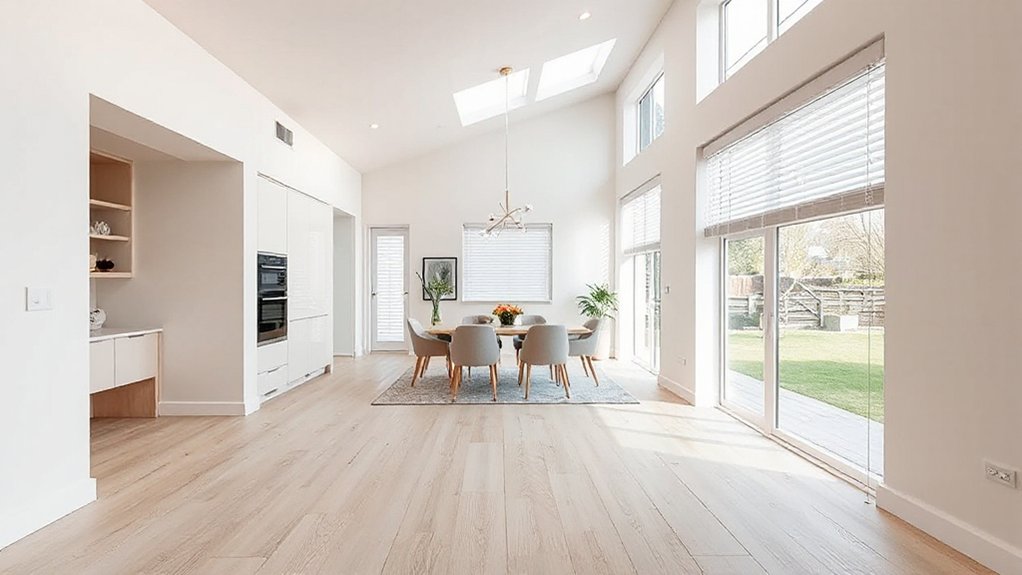
Buying a new-build home in the UK can mean modern layouts, better warranties, and fewer maintenance surprises, but you’ll face higher upfront costs and potential resale limitations if a developer’s reputation dips. You’ll want to weigh snagging, service charges, and long-term value against timing and location. There’s more to evaluate—customisation, energy savings, and the trade-offs between price certainty and possible delays. So, where do you stand as you weigh your options?
What Makes UK New-Builds Appealing
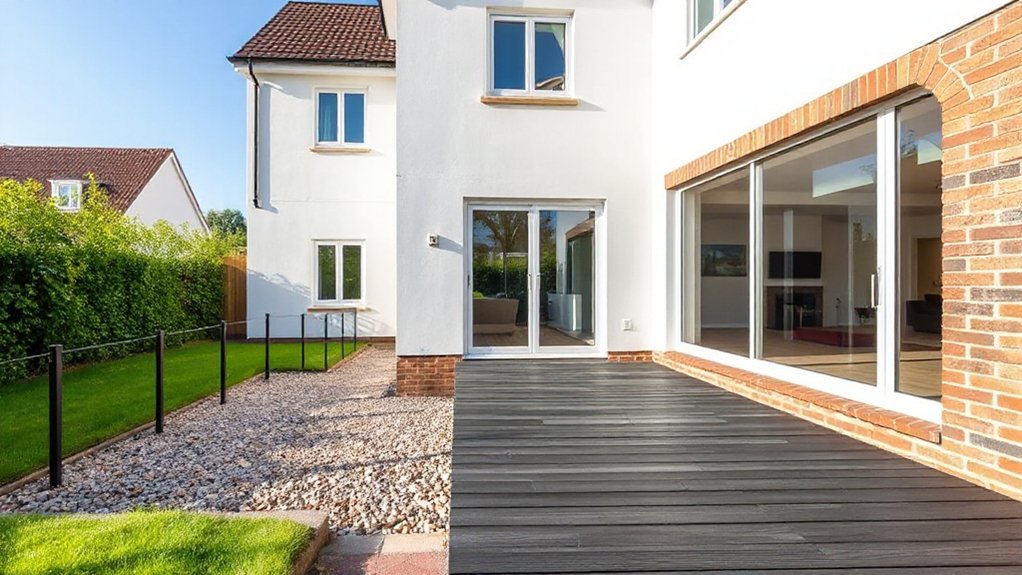
New-build homes in the UK appeal because they offer modern layouts, predictable build quality, and lower maintenance in the early years. You get modern design across living spaces, with open-plan setups and flexible rooms that suit evolving needs.
Construction speed matters too; many schemes finish on a fixed timetable, reducing delays and helping you plan moves without cascading headaches.
Modern fixtures, better insulation, and updated energy standards can translate to lower running costs from day one. You’ll see consistent warranties and visible quality control during inspections, giving reassurance in the purchasing process.
Location benefits, new infrastructure, and planned amenities often accompany developments, enhancing long-term value.
How Warranties and Snagging Work in Practice
Warranties give you a baseline of protection for structure, fixtures, and systems, but it helps to know what’s covered and for how long.
The snagging process identifies defects before you move in, with a clear sequence of steps, timelines, and documentation to track progress.
Understanding these basics keeps you data-driven and better prepared to press for timely remedies if issues arise.
Warranties Coverage Basics
When you buy a new-build home, warranties and snagging aren’t afterthoughts; they’re essential protections that guide what gets fixed, when, and at whose expense. Warranties provide coverage for defects discovered after completion, typically rolling out in stages. You’ll see different periods for structural, waterproofing, and fit‑out issues, with clear reporting timelines.
Understand what each warranty includes, what it excludes, and how to claim. A strong builder reputation matters here: established developers often offer broader coverage and faster responses, backed by independent assessors.
Keep a record of snagging items, dates, and communications, as documentation speeds claims. In short, warranty coverage isn’t optional; it shapes ongoing costs and your confidence in the home, so verify terms before exchange.
Snagging Process Steps
After you’ve secured your warranties, you’ll want to tackle snagging methodically. Start with a detailed inspection plan that mirrors construction logistics: map rooms, fixtures, and finishes, then prioritize issues by impact and urgency.
Begin with a walk-through at practical completion, noting cosmetic blemishes and latent faults, and keep track of time-sensitive fixes tied to trades and delivery schedules. Document each defect with date-stamped photos and a concise description, then log it in a centralized snag list shared with the builder.
Schedule timely re-checks after trades return to remedy issues. Use your Home financing documentation to correlate snagging items that affect value or habitability.
Maintain clear deadlines, request written responses, and escalate unresolved concerns through contractual warranties channels to avoid delays in occupancy.
Upfront Costs: Price, Deposits, and Hidden Fees
Buying a new-build home in the UK means you’ll face upfront costs beyond the sticker price, including the initial deposit, stamp duty (if applicable), legal fees, and various construction-related charges that can surprise buyers. You’ll want a clear view of what’s due before exchange, and how it fits your budget.
Deposit sizes vary by developer and mortgage product, but expect a stronger upfront commitment than resale homes. Stamp duty thresholds can change with policy shifts, so verify current rules for your location. Legal and conveyancing fees aren’t optional, and some developers add charges for fixtures, fittings, or site services.
Mortgage options vary in rates and fees, while construction timelines influence when funds are needed. Plan for unexpected costs to avoid delays and keep financing aligned with progress.
Long-Term Value: Resale Potential and Energy Savings
You’ll want to weigh how long-term resale trajectory, energy-efficiency savings, and steady market demand interact to shape value.
New builds often offer solid resale footing due to modern specs and lower maintenance, while energy savings can boost appeal and reduce running costs.
This balance informs whether a higher upfront price translates into meaningful long-term value for you.
Long-Term Resale Trajectory
What does the long-term resale trajectory look like for a new-build home in the UK, and how do energy savings factor in? You assess long-term value by considering historical appreciation and market fluctuations, not just sticker price.
Over time, new builds often experience steadier, incremental gains as infrastructure and amenities mature around them, but you’ll see cycles like any property market.
Energy savings can appeal to buyers seeking lower running costs, supporting demand during tougher periods. Yet resale potential also hinges on quality, finishes, and neighborhood desirability.
You should compare build standards and warranty coverage, plus developer reputation. A well-located, well-built property with durable warranties tends to weather fluctuations better, preserving resale value while aligning with ongoing efficiency expectations.
Balanced data highlights the nuanced, research-driven path to resale confidence.
Energy-Efficiency Cost Savings
Energy-efficiency cost savings have a meaningful role in long-term value and resale potential for UK new-builds. You’ll likely see lower running costs from day one, which strengthens appeal to future buyers and supports steady resale momentum.
Look for homes with energy-rated features that translate into tangible bills reductions over time, not just upfront promises. Energy efficient appliances reduce monthly consumption without sacrificing convenience, while insulation improvements curb heat loss, improving comfort and efficiency year-round.
In resale discussions, documented efficiency metrics—such as current EPC grades and estimated annual savings—can reassure buyers and justify asking prices. While initial construction costs may be higher, the long-term savings often offset the premium, contributing to a more attractive overall value proposition.
Market Demand Stability
Market demand stability is a key signal of long-term value for UK new-builds, since steady buyer interest supports resilient resale momentum even when market conditions shift.
You’ll notice that demand consistency helps prices hold up, reducing time on market and refinancing risk. Look for developers with transparent pipeline visibility and quality standards, which tend to dampen market fluctuation by reinforcing buyer confidence.
A stable demand backdrop also interacts with energy savings, as high-quality builds attract long-term owners who prioritize low ongoing costs.
Keep an eye on supply chain dynamics, since shortages or delays can temporarily curb demand or alter pricing curves.
In balance, steady demand supports predictable resale potential and reinforces the overall value proposition of new-builds.
Location and Availability: Where New Builds Shine

New builds often shine when it comes to location and availability, because developers increasingly cluster them in emerging growth areas and transport-friendly corridors. You’ll find more choice in these zones, with masterplans that aim to reduce commuting time and boost local amenities.
Availability varies by region, but newer estates often offer phased releases, so you can time your move around sales events or inventory releases. Look for proximity to schools, healthcare, and retail hubs, plus potential future infrastructure upgrades that can lift long-term value.
Interior finishes matter for instant livability, while landscaping options shape curb appeal and privacy from day one. Weigh ongoing service commitments and warranty coverage to protect your investment as the area evolves.
Customisation and Build Quality: Tailoring Your Home
When you’re weighing a new-build, customization and build quality come into sharp focus after you’ve considered location and availability. You’ll want clear specifications on fixtures, finishes, and warranty coverage, plus independent survey results where possible.
Look for consistent wall thickness, air-tightness, and potential for future upgrades to avoid costly retrofits. Interior design options should align with your lifestyle, yet be flexible enough to adapt as needs change.
Check builder-provided samples and third-party assessments of workmanship, moisture management, and structural integrity.
Home automation features can boost convenience and efficiency, but confirm compatibility with standard platforms and future updates.
Balance upfront personalization costs against long-term maintenance, resale value, and energy performance to ensure your tailored home remains a smart, durable investment.
The Risks and Downsides to Watch For
While a new-build can offer modern standards and fewer immediate maintenance surprises, there are notable risks to weigh before you commit. You should scrutinise warranty coverage, builder credentials, and any unresolved snag lists, as these affect long-term costs and peace of mind.
Legal considerations matter: check leasehold terms, service charges, and any restrictive covenants that limit alterations or future use.
Construction timelines can slip, delaying move-in and financing plans, so factor potential interest costs and penalties.
Resale potential isn’t guaranteed; some developments linger on the market if the street scene isn’t yet established or if quality concerns surface.
Understand transferability of guarantees and whether defects are covered by the homeowner’s warranty.
Finally, investigate resale restrictions that could limit how you can sell or rent the property in the future.
Should You Buy New or Used? A Practical Decision Framework
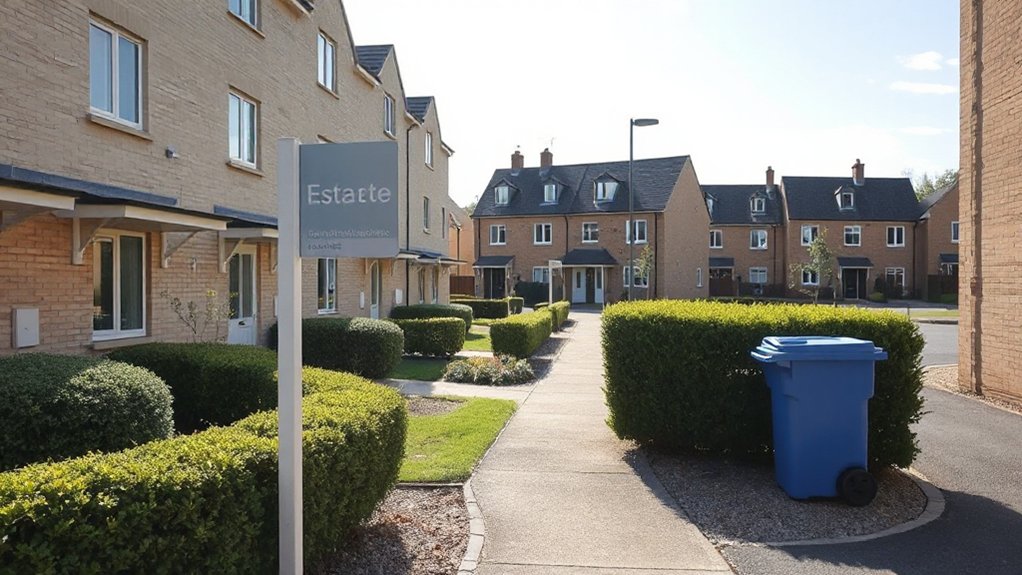
If you’re weighing new builds against existing homes, a practical framework helps you compare costs, risks, and long‑term benefits side by side. You should quantify initial price, ongoing maintenance, and expected depreciation or appreciation, then weigh nonmonetary factors like build quality and snag history.
Use a stepwise approach: identify must‑haves, estimate lifetime costs, and attach probabilities to potential repairs. Historical trends inform price trajectories, while Market fluctuations highlight timing risk for resale.
Consider construction quality, warranties, and developers’ track records as counterpart data points to a property’s condition. Run sensitivity analyses for different mortgage rates and inflation scenarios.
Balance certainty of new‑build incentives against potentially lower purchase costs in the used‑home market, ensuring your choice aligns with your financial resilience and lifestyle needs.
Frequently Asked Questions
How Do NHBC and Premier Warranty Cover Works Across Multiple Homes?
NHBC and Premier Warranty cover across multiple homes varies; you’ll typically receive individual cover for each property, with developer responsibilities ensuring defects are addressed under policy terms, and separate claim processes per home, not a single blanket coverage. Warranty coverage matters.
What Are Leasehold Implications for New-Build Apartments?
Leasehold restrictions affect apartment owners, limiting certain freedoms while you consider costs. You’ll want to understand ownership rights, ground rents, and service charges. I’ll compare options, guiding you to smarter, data-driven decisions for your future.
Are There Penalties for Late Completion by Developers?
Yes, there can be penalties for late completion; construction delays may trigger liquidated damages or extensions. You should review your contract for developer penalties, remedy periods, and evidence thresholds to protect yourself in case of further construction delays.
How Do Service Charges Compare in New-Build Vs Older Homes?
You’ll find service charges higher in new builds, reflecting building regulations compliance and contemporary amenities, though newer developments may offer predictable budgets. Compare construction quality and long-term maintenance costs, and review service-charge caps and inclusions before committing.
What Financing Options Unlock Help to Buy or Other Incentives?
Could you open help to buy through government schemes or maker-owner incentives? You may tap home equity and diverse mortgage options—balanced, data-driven guidance helps you compare costs, timelines, and eligibility for new-build incentives.
Conclusion
You’ll find the choice hinges on timing and priorities—you and your future self arriving at the same moment, like a coincidence you didn’t predict. If you crave modern finishes, warranties, and lower maintenance, a new-build can fit you well. But if upfront costs and resale caveats give you pause, weighing long-term value and projected energy savings with solid research helps. In the end, your decision should align with both your budget realities and your long‑term lifestyle goals.