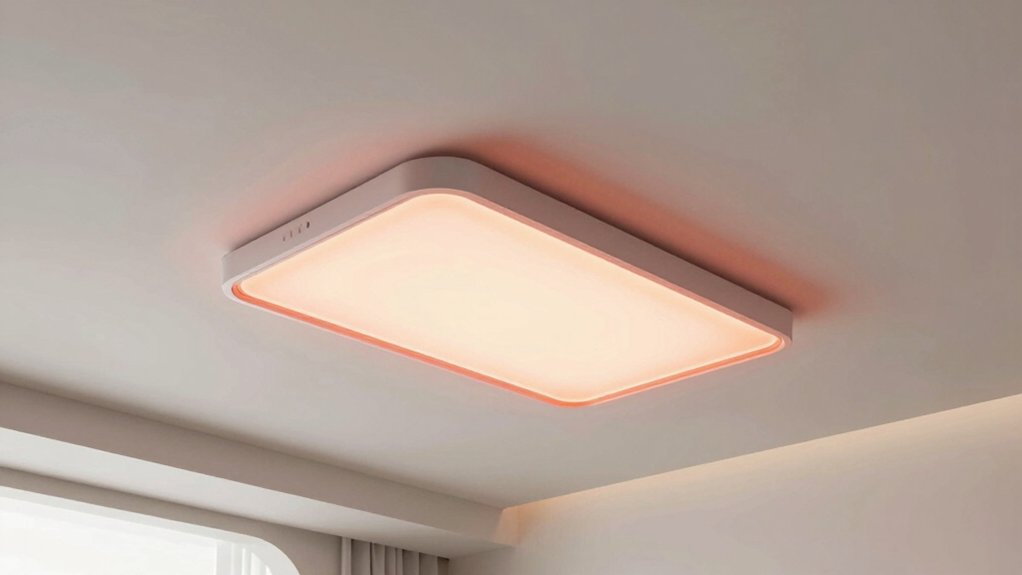
Ceiling infrared heating panels are a strong option for targeted warmth. They’re thin, wall- or ceiling-mounted and heat people and objects directly, boosting comfort with less air warming. They respond quickly, support zone heating, and can cut overall energy use when well sized and properly installed. Consider ceiling height, mounting, electrical access, and safety clearances to guarantee even heat distribution. They do carry higher upfront costs but offer long‑term savings and quiet operation. If you keep exploring, you’ll learn more details.
What Are Ceiling Infrared Heating Panels?
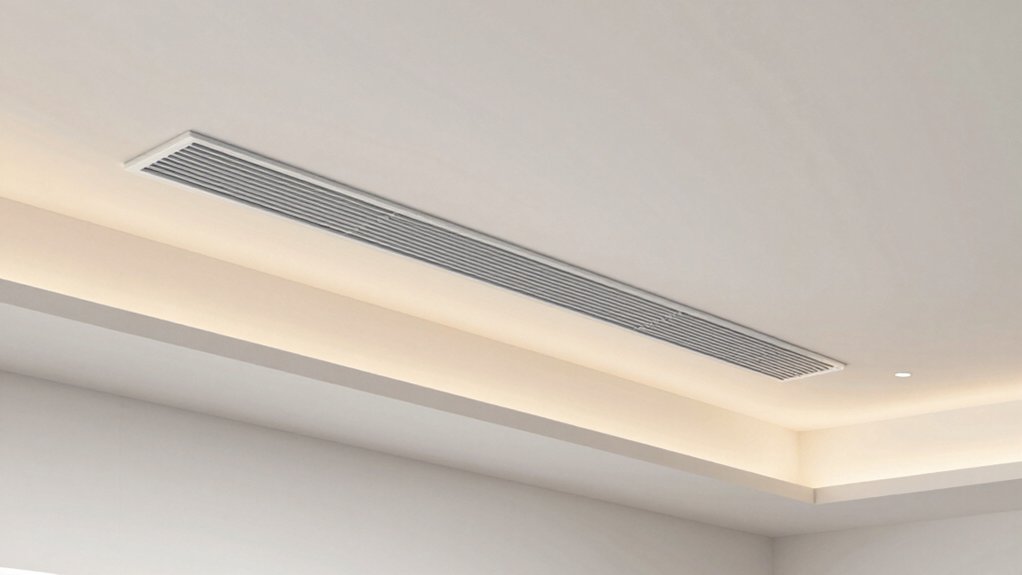
Ceiling infrared heating panels are thin, wall-mounted or ceiling-mounted panels that emit infrared radiation to heat objects and people directly, rather than warming the air.
You install panels higher on the room to target occupants and surfaces without substantial air movement. They operate quietly and respond quickly when you adjust settings, delivering predictable warmth where you need it most.
The panels convert electrical energy into infrared energy, creating heat that travels until it meets objects, which then re-radiate warmth to surrounding areas.
You can choose wattage, spacing, and placement to cover zones such as living or working areas.
Maintenance is minimal, usually limited to dusting and occasional inspection of wiring.
These panels offer a compact, space-saving heating option with discrete aesthetics.
How They Compare to Traditional Heaters
You’ll notice infrared panels can be more energy-efficient than many traditional heaters, especially for targeted heating. They also change perceived comfort by warming occupants and surfaces rather than the air.
This can affect running costs. In comparing options, consider how efficiency, comfort, and overall cost tradeoffs vary with usage and room design.
Efficiency Compared To Traditional
Infrared heating panels typically offer higher energy efficiency than traditional heaters, because they warm objects and people directly rather than heating the surrounding air. You experience faster thermal response when panels target occupants and surfaces, reducing wasted heat in empty spaces.
Their efficiency depends on insulation, room layout, and panel placement, which minimize heat losses through walls, windows, and ceilings. Compared to convectors or radiators that circulate warm air, infrared transfers energy with minimal air movement, lowering stratification losses.
In well-insulated rooms, you’ll notice steady comfort at lower power settings, reducing energy use over time. However, efficiency gains diminish in poorly insulated spaces or when doors and vents allow rapid heat escape.
Comfort And Cost Tradeoffs
While infrared heating panels can deliver fast, targeted warmth, their comfort and cost depend on how well a space is insulated and how effectively the panels are placed. In well-sealed rooms, you’ll notice steadier comfort at lower power, with lower operating costs over time.
Compared to traditional heaters, infrared panels provide zoned heating rather than whole-room warmth, which can reduce energy waste but may require strategic placement to avoid cold spots. They run quietly and have fewer moving parts, yet initial installation costs can be higher, and replacement panels may be needed as aesthetics or layout change.
Assessing Suitable Spaces for Ceiling Panels
When you assess suitable spaces for ceiling panels, start with Ceiling Installation Considerations to guarantee mounting strength, clearances, and finish compatibility.
Next, evaluate Space Compatibility Factors like room height, panel size, and potential obstructions to airflow or aesthetics.
Finally, review Safety and Code Compliance to confirm electrical access, fire-rated ceilings, and adherence to local regulations.
Ceiling Installation Considerations
Ceiling installation requires evaluating spaces for safety, efficiency, and performance. You assess ceiling height, orientation, and structure to guarantee support for panels and mounting hardware. Check load capacity and discreet wiring routes to minimize hazards and maintain aesthetics.
Consider existing insulation and ventilation, avoiding obstructed airflow or heat buildup. Plan panel placement to maximize uniform heat distribution while preserving room usability and access for maintenance.
Ensure mounting surfaces are flat and clean, with solid studs or reinforced members in critical areas. Account for electrical supply feasibility, including proximity to outlets or dedicated circuits, and observe code requirements for clearance around appliances or fixtures.
Evaluate accessibility for future service, replacement, or repositioning, and document installation angles and measurements for reference. Prioritize safety, reliability, and long-term performance in your layout decisions.
Space Compatibility Factors
To assess space compatibility for ceiling panels, you must evaluate room geometry, ceiling height, and available surface area to guarantee safe mounting and ideal heat distribution.
Start by mapping the room layout and noting corners, alcoves, and obstructions that could affect panel placement.
Consider line-of-sight between panels and the occupied zone to avoid blind spots and thermal gaps.
Check ceiling height to determine panel spacing from walls and any fixtures, ensuring adequate clearance for service and maintenance.
Assess surface area relative to panel size and total heat output to achieve uniform coverage without overloading any single plane.
Finally, confirm mounting surfaces are structurally capable and accessible for installation accessories, wiring, and future adjustments.
Safety and Code Compliance
Ensuring safety and code compliance starts with identifying spaces that meet electrical, thermal, and structural requirements for ceiling panels. You must verify that ceilings can support the weight, clearances, and wiring paths specified by applicable codes.
You assess ceiling construction, framing integrity, and load limits per manufacturer and local amendments. Verify electrical supply availability, proper circuit capacity, and unobstructed junction boxes or access panels for service.
Check that mounting heights maintain safe clearance from ceilings, insulation, and any HVAC components. Consider radiant heat zoning, thermal barriers, and fire-resistance ratings to prevent ignition risks.
Guarantee adherence to installation manuals, building codes, and approvals from authorities having jurisdiction. Document material specs, clearances, and inspection records to support ongoing compliance and safety throughout the system’s life.
Installation Considerations and FAQs
Installing infrared heating panels on the ceiling requires careful planning of placement, wiring, and mounting to guarantee even heat distribution and safe operation.
In this section, you’ll find practical installation considerations and common questions addressed. Start with evaluating room layout, ceilings’ height, and obstruction-free mounting surfaces.
Verify electrical capacity, circuit protection, and required clearances from fixtures and vents. Use manufacturer-recommended mounting hardware and secure anchors appropriate for your ceiling type.
Plan cable routing to minimize visible runs and comply with local codes.
For FAQs, expect guidance on panel orientation, heat shield needs, dimming compatibility, and service access.
After installation, test for even warmth and monitor for unusual noises or excessive vibration. Proper balancing of multiple panels ensures consistent comfort while maintaining safety and reliability.
Energy Savings and Comfort Benefits
Ceiling-mounted infrared panels deliver steady comfort by directly warming occupants and objects in the room, which can reduce overall heating needs when used with a well-insulated space.
You’ll feel warmth where you sit or stand, not just from the air, improving perceived comfort at lower air temperatures. This selective heating can lower energy consumption by targeting occupied zones and reducing heat loss through ducts and leaks.
In well-designed spaces, panels maintain consistent temperatures with minimal stratification, because heat travels by radiation rather than bulk air movement. Overall comfort remains stable during temperature swings, and you may notice faster response when adjusting setpoints.
Long-term energy performance depends on insulation quality, thermostat control, and system sizing aligned to room use patterns.
Selecting the Right Panel and System Options
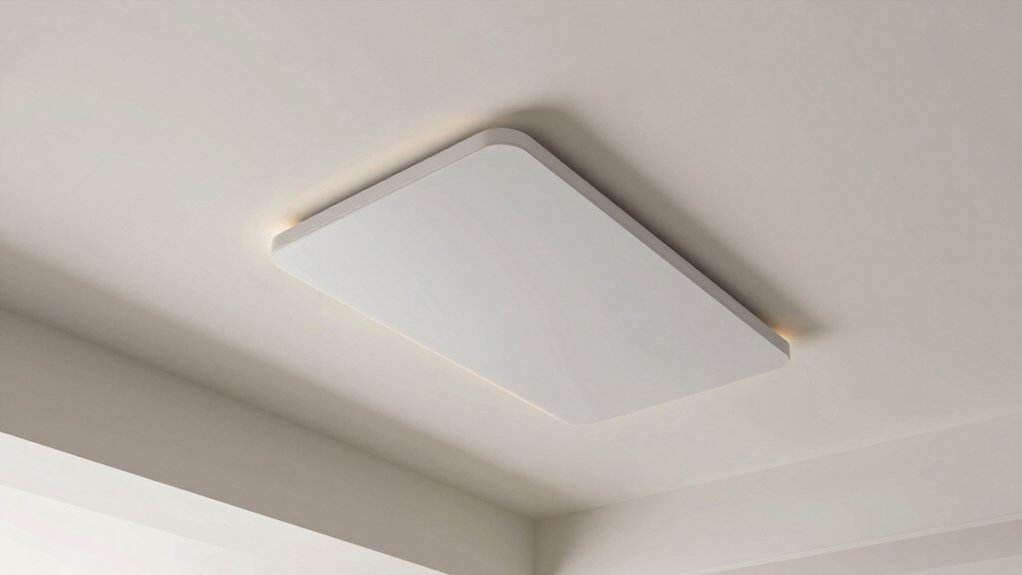
Choosing the right infrared panel and system setup starts with understanding room use, insulation, and expected comfort. You’ll evaluate panel wattage, coverage area, and mounting options to match room dimensions and glazing.
Consider panel type (front-emitters vs. ceramic cores) for response time and heat distribution, then align with your ceiling height and layout.
System options include zoned controls, thermostat compatibility, and power sourcing (hardwired or plug-in). Assess insulation levels, thermal losses, and heat-up timing to determine ideal run schedules and setback strategies.
Select panels with appropriate surface temperatures to avoid hot spots or drafts, and ensure compatibility with existing electrical loads, circuit sizing, and safety standards.
Document installation spacing and service requirements for reliable performance and cost efficiency.
Maintenance, Safety, and Long-Term Care
Regular maintenance, safety checks, and long‑term care are essential to keep infrared heating panels performing reliably and safely, from initial operation through years of use.
You should inspect panels for surface damage, cracks, or discoloration during monthly visual checks, and address any issues promptly.
Clean panels with a dry or slightly damp cloth, avoiding abrasive cleaners or immersion, to prevent residue buildup that could affect heat transfer.
Ensure mounting brackets remain secure and verify electrical connections at least quarterly, looking for looseness or corrosion.
Test your system’s thermostat and protective devices annually to confirm proper function.
Schedule professional inspection after any suspected fault, unusual odor, or exposed wiring.
Keep clearance required by manufacturer and avoid placing objects directly in front of panels to maintain safe operation.
Frequently Asked Questions
How Do Ceiling Panels Affect Room Acoustics?
Ceiling panels can reduce echo and reverberation by absorbing mid-to-high frequencies. You’ll notice smoother sound clarity in rooms with hard surfaces, though excessive absorption may dull brightness. Balance panel density and placement to maintain overall acoustic intelligibility.
Can Panels Cause Glare or Light Pollution?
Yes, panels can cause glare or light pollution if the surface is highly reflective or positioned to direct light into your eyes; use diffusers, matte finishes, proper angles, and shielding to minimize spill and discomfort.
Are There Regional Electrical Code Constraints?
Yes, regional electrical codes vary; you must check your local authority having jurisdiction and adopt the latest edition of the NEC or local equivalents, ensuring wiring methods, panel placement, and overcurrent protection comply with specific regional amendments.
Do Panels Work During Power Outages?
Yes, panels can operate during outages only if they’re paired with backup power. Without a generator or battery, you won’t have heat, and with one, you’ll enjoy steady warmth despite the silence outside. Juxtapose quiet power, active comfort.
What Is the Resale Impact of Ceiling Heating?
Ceiling heating can boost resale modestly by signaling modern comfort; buyers may value energy efficiency and even heat zoning. However, impact varies with installation quality, durability, and cost—so articulate savings and reliability to maximize appeal.
Conclusion
As you consider ceiling infrared panels, the future of comfort quietly unfolds above you. They promise even warmth, silent operation, and potential energy savings, but the real story isn’t finished yet. Will the panels deliver consistent performance in your space? Will installation meet your ceilings, your budget, your expectations? The chance to redefine heated zones is there, waiting. Stay curious, weigh the options, and readiness could convert uncertainty into a measured, room-to-room comfort you’ve been seeking.