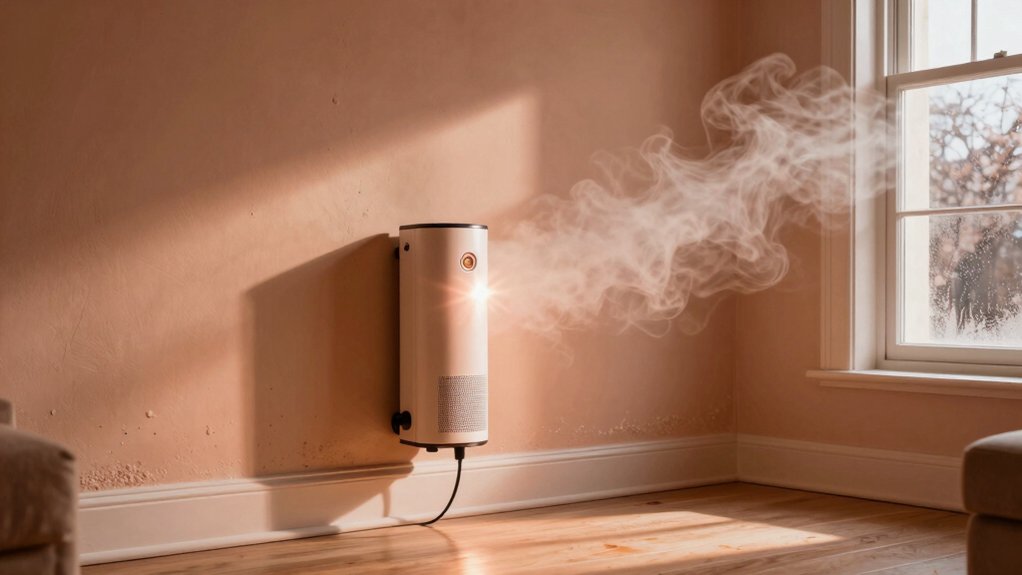
Infrared heating targets damp and mould by warming walls and surfaces directly, reducing cold bridges and condensation that feed mould growth. By elevating surface temperatures, it minimizes moisture migration and keeps substrates dry, lowering humidity near walls without over-heating living spaces. It’s most effective on solid surfaces like plaster or masonry, with careful planning to avoid hotspots and ensure good line-of-sight coverage. Proper installation, control integration, and regular maintenance sustain performance and long-term damp control, with more to come if you keep exploring.
How Infrared Heating Targets Damp and Mould in UK Homes
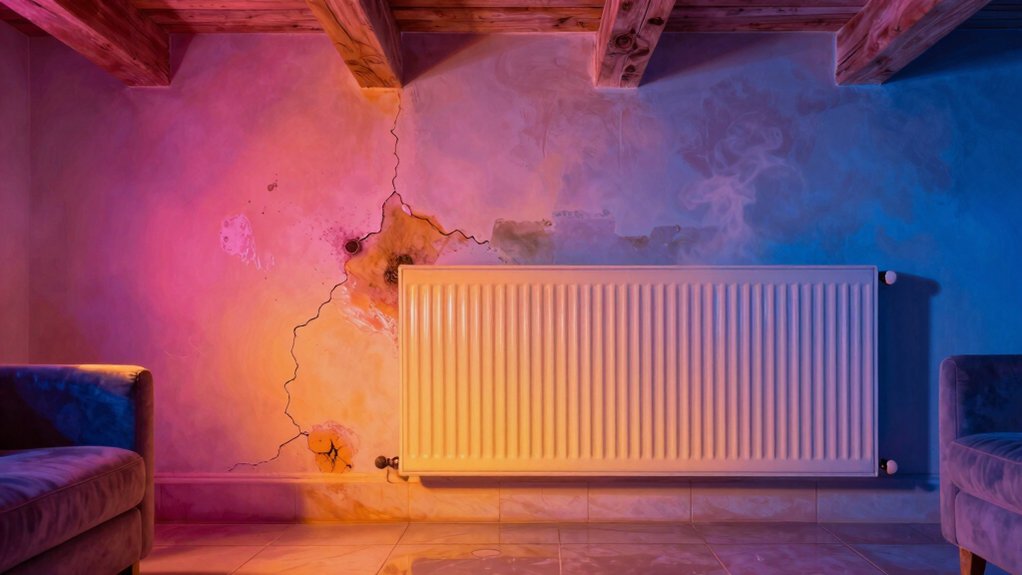
Infrared heating directly warms surfaces and objects in a room, reducing cold bridging and improving surface temperature consistency, which helps deter condensation and damp growth on walls and ceilings. You’ll notice moisture patterns shift as warm zones form near substrates, lowering dewpoint risk at interior surfaces.
This mechanism targets damp at its practical origin: surface humidity meets cooler materials, then avoids rendering moisture into airborne droplets. With controlled, localized heating, you reduce relative humidity leverage on susceptible areas like corners and window bays, limiting mould nutrient sources such as organic spores and cellulose-rich substrates.
Installation planning prioritizes evenly distributed radiance, ensuring no cold spots persist. Routine operation emphasizes stable setpoints, minimized air movement, and surface warmth tracking to sustain preventative conditions without over-drying finishes or compromising comfort.
The Science: Why Walls Stay Damp and How Infrared Changes That
Walls stay damp when moisture migrates through porous substrates and condenses on cooler surfaces. You’ll see how moisture transport relies on wall materials, humidity gradients, and thermal bridges.
Infrared temperatures shift drying fronts. Infrared drying dynamics accelerate evaporation at the surface and reduce latent risk by altering condensation patterns, setting the stage for preventive wall care.
Wall Moisture Mechanics
What drives wall dampness is the balance between moisture inputs and the wall’s ability to shed or store water. You measure vapor diffusion, liquid ingress, and capillary rise as competing processes that determine moisture content in wall assemblies. Unsaturated pores conduct vapor; saturated pores carry liquid; capillary pathways drive moisture toward colder surfaces.
Temperature gradients, material porosity, and surface permeability set the equilibrium. You must consider wind-driven rain, bulk water ingress, and internal moisture sources such as cooking and showers. Material compatibility matters: dissimilar substrates create condensation hotspots, while thermal bridging raises surface temperatures that reduce dew formation.
Preventive strategies target performance margins: proper flashing, continuous vapor barriers where appropriate, correct wall assemblies, and controlled interior humidity. Understanding these mechanics informs Infrared strategies to disrupt moisture at its source.
Infrared Drying Dynamics
Moisture migration in walls follows established paths, and infrared drying targets the dominant phase by altering the driving gradients that sustain it.
In practice, you apply infrared heat to damp zones, raising surface temperatures while preserving substrates, which shifts vapor pressure differentials away from capillary rise and condensation points. This creates a localized desaturation, reducing sorption drives and interrupting continuous moisture transport.
You rely on controlled fluxes: heat intensity, exposure duration, and distance govern penetration depth and drying fronts, preventing thermal shock or substrate damage. Infrared compresses the drying cycle by accelerating evaporation at the damp surface and rebalancing latent heat release, not by forcing moisture inward.
Monitoring moisture gradients with sensors confirms phase change progress, ensuring walls move toward stability, and mould risk declines through sustained, preventive drying dynamics.
Infrared vs. Traditional Heating: Where It Wins for Condensation
Infrared heating often reduces condensation risk compared with traditional electric or fossil-fuel systems because it warms surfaces directly rather than the surrounding air. This targeting lowers air humidity buildup near walls and windows, where cold surfaces trigger moisture deposition.
With infrared, heat transfer is predominantly radiative, so you experience rapid surface temperature rise without blanket warmth that promotes convection currents. As a result, surface temperatures stay closer to indoor targets, reducing dew point proximity and moisture migration into substrates.
Unlike convective systems, infrared minimizes airflow-driven transport of moist air into gaps, reducing capillary condensation risks in insulation layers. You gain stable indoor humidity control by maintaining consistent surface warmth, limiting temperature differentials that drive mould growth.
In preventive terms, infrared’s direct heating enhances drying potential after moisture events without overshooting room-wide temperatures.
Practical Layout: Best Rooms and Surfaces for Infrared Panels
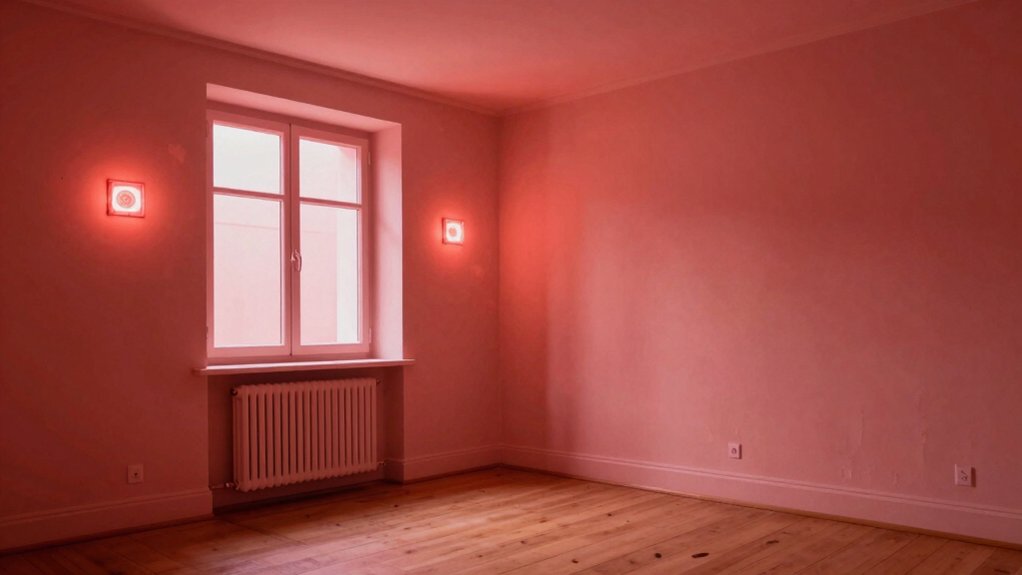
You’ll map panel placement room by room, prioritizing walls and ceilings with clear line-of-sight to occupied zones.
Place panels on surfaces that optimize heat delivery while minimizing heat loss, moisture buildup, and glare.
This layout approach guides best-surfaces selection and practical room-specific strategies for safe, efficient infrared heating.
Best Surfaces For Panels
Choosing the right surfaces for infrared panels is essential to maximize heat transfer and maintain system efficiency. Selecting walls with good thermal mass, minimal insulation gaps, and clean, stable mounting points guarantees heat retention and ensures consistent performance.
You should prioritize solid plaster, masonry, or concrete, which store heat effectively and reduce surface temperature fluctuations. Avoid lightweight, hollow substrates that exhibit rapid temperature swings and poor heat exchange.
Surface flatness matters: prepare a true, even plane to prevent spotlighting and uneven radiation. Ensure the mounting area is free of damp, efflorescence, or contaminants that could degrade adhesion. Use compatible, high-temperature rated fixings and a backer board when needed.
Consider the panel’s orientation for uniform distribution, and verify that the chosen surface won’t impede ventilation or create hidden damp pathways. Regularly inspect adhesion and surface integrity.
Room-by-Room Placement
To optimize performance, map infrared panel placement room by room based on typical heat loss patterns and occupant behavior. Begin with living areas where occupants spend the most time; position panels to heat occupied zones while minimizing draft exposure.
In bedrooms, place panels on outer walls or near sleeping zones to reduce heat loss during the night without creating glare.
For kitchens and utility rooms, install panels where heat loss from appliances or doors is highest, avoiding direct contact with steam or moisture sources.
Hallways benefit from strategic, evenly spaced panels to maintain a consistent ambient temperature.
Bathrooms require caution: keep panels away from direct water exposure and place higher on walls.
Finally, profile each room’s furniture layout to prevent heat obstruction and ensure efficient, uniform radiant distribution.
Quick Installation Myths: What to Expect in a UK Home
Even though infrared heating is often marketed as quick to install, several common myths persist in UK homes that can mislead buyers about timeframes, disruption, and compatibility.
In reality, installation duration depends on system scope, wall materials, and existing wiring. Expect a precise assessment, not a rushed claim. Pre-install checks verify panel placement, electrical load, and insulation conditions to prevent unintended heat loss.
You’ll typically coordinate with a trained engineer who uses manufacturer guidelines and local regulations to determine mounting methods, fuse sizing, and commissioning steps. Surface mounting is usually straightforward, but some walls may require backing or lightweight fixings, extending timelines.
Expect minimal disruption, not zero, and plan for potential quiet periods during testing. Clear scheduling and documented milestones reduce surprises and ensure safe, compliant commissioning.
Cost and Efficiency: Running Numbers for Damp-Prone Houses
You’ll compare running costs for infrared systems against baseline heating in damp-prone homes, with a focus on initial investment versus long-term savings.
Expect a concise treatment of efficiency over time, including how moisture levels influence performance and maintenance needs.
This discussion sets the framework for precise cost-efficiency metrics and practical guidelines.
Running Cost Comparisons
Running cost comparisons for damp-prone homes focus on the tangible trade-offs between upfront efficiency and ongoing energy use. You assess infrared heating against alternative systems by calculating installed costs, annual running expense, and expected maintenance.
Infrared panels deliver immediate surface warmth with low standby losses, reducing heat waste in damp zones, but the upfront price can be higher per square metre. Consider electricity tariffs, humidity control benefits, and seasonal demand; lower air movement minimizes heat loss but may require supplemental insulation.
Time-averaged energy intensity, not just peak output, determines annual costs. Use consistent baselines, such as room area, target temperature, and dwelling leakage.
A preventive approach records demand patterns, documents performance after installation, and revisits sizing as occupancy or damp risk changes.
Efficiency Over Time
Efficient operation over time hinges on tracking how initial gains translate into long-term savings, especially in damp-prone homes. You’ll compare upfront installation and maintenance costs against evolving running expenses as humidity and moisture control persist.
Infrared systems reduce energy waste by targeting occupied zones, so monitor heat receipts, not just setpoints, to verify consistent performance. Over months, watch for drift in insulation effectiveness, panel aging, and thermostat accuracy; these factors affect output per watt and demand.
Implement preventive checks: clean panels, verify seals, recalibrate sensors, and replace failing components before efficiency declines. Track annual CO2 emissions alongside cost data to confirm environmental and financial benefits.
Use quarterly reviews to adjust duty cycles, ensuring steady damp control while minimizing unnecessary runtime. Document findings to refine future system upgrades.
Health and Comfort: Improving Air Quality and Warmth
Healthy indoor air and consistent warmth are essential for occupant comfort and productivity, and infrared heating can support both by delivering targeted heat without circulating dust or pollutants. You’ll experience improved air quality because infrared systems heat surfaces and occupants directly, reducing airborne particulates and humidity-driven mold risk.
Unlike convection-only methods, infrared minimizes air movement that can spread contaminants, supporting respiratory comfort for sensitive individuals. Temperature stability matters; infrared creates uniform radiant warmth, lowering cold spots that trigger shivering or additional heating cycles.
System design should prioritize proper emissive panels and surface temperatures to avoid hotspots and shorten thermal inertia. Regular maintenance—sensor calibration, panel cleanliness, and ventless operation checks—preserves efficiency and indoor air quality.
To conclude, infrared heat aligns air quality goals with steady, healthy warmth.
Choosing the Right Infrared System: Panels, Heaters, and Controls
Choosing the right infrared system starts with selecting panels, heaters, and controls that match your space and load profile. You’ll assess heat distribution needs, roof and wall insulation, and humidity drivers to avoid over- or under-sizing.
Panels should align with your ceiling height and surface area, delivering stable radiance without hotspots. Heaters must match zoning plans, ensuring uniform room temperature and quick recovery after ventilation events.
Controls ought to integrate scheduling, occupancy sensing, and weather compensation to maintain consistent load without wasted energy. Consider panel wattage, emission class, and mounting orientation to minimise reflective losses and air disturbance.
Verify compatibility between elements, wiring standards, and mains supply, incorporating fault detection and easy-access terminations. Document specifications for future audits and serviceability.
Maintenance, Safety, and Long-Term Performance Tips
Regular inspection and proactive maintenance are essential to sustain infrared system performance and safety over time, reducing the risk of degraded comfort or sudden failures.
You should conduct periodic thermal checks, confirm mounting integrity, and verify wiring insulation for signs of wear. Clean panels or emitters with a dry, non-abrasive cloth; avoid liquids that could migrate to electrical components.
Schedule filter or dust management where applicable, ensuring airflow paths remain unobstructed. Test thermostatic controls and safety cutouts monthly, replacing any faulty sensors promptly.
Maintain proper clearances from walls and combustibles, and follow manufacturer torque specifications for fasteners. Document performance trends, noting any deltas in surface temperatures or runtime.
Plan long-term performance reviews aligned with seasonal cycles, upgrading components as efficiency thresholds dip or after comparable service life milestones.
Real-World Case Studies: Damp Reduction Stories From UK Homes
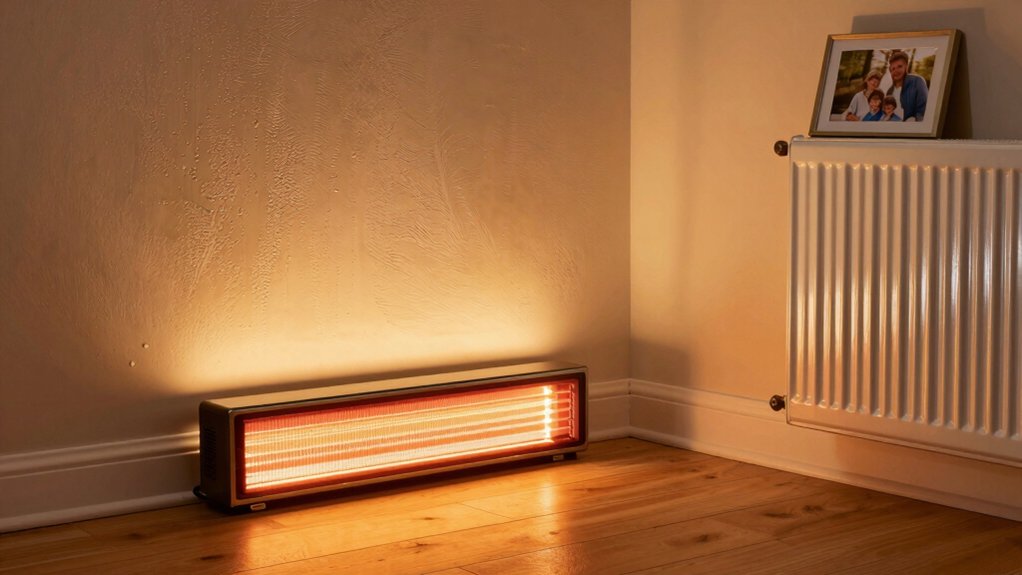
Across UK homes, real-world damp reduction stories illustrate how infrared heating can complement moisture management strategies by delivering rapid, controllable heat to targeted areas without contributing to surface condensation.
In these cases, residents reported measurable decreases in surface humidity within days of installation, accompanied by steadier indoor temperatures and reduced exhaust of dehumidifiers.
You’ll see targeted panels heat problem zones, such as external walls and poorly insulated alcoves, while leaving interior spaces unaffected.
Preventive data show lower recurrence of damp spots after peak-wet months, with minimal risk of over-drying or thermal shock.
Case notes emphasize integration with ventilation, insulation upgrades, and ongoing humidity monitoring, ensuring long-term effectiveness.
These narratives reinforce infrared systems as a precise, proactive component of extensive damp management.
Frequently Asked Questions
Do Infrared Panels Cause Mold on Damp Walls?
Do infrared panels not cause mold on damp walls. They emit heat, which dries surfaces rather than feeds moisture; guarantee proper installation, ventilation, and dehumidification to prevent condensation and mold growth. Monitor humidity and insulation for best results.
Can Infrared Heating Replace Dehumidifiers Entirely?
Can infrared heating replace dehumidifiers entirely? Not usually. You’ll still need dehumidification for moisture control in persistently damp spaces, while infrared helps target surface moisture and dry finishes. Use together for preventive, balanced humidity management.
Is Installation Covered by UK Building Regulations?
Yes, installation must conform to UK Building Regulations; you’ll need approved plans, competent person sign-off where required, and compliance with electrical, fire, and energy performance standards to guarantee safe, compliant infrared heating integration.
How Long Before Damp Areas Dry After Install?
Damp areas dry within 24 to 72 hours after install, depending on airflow and material resilience. You’ll notice rapid evaporation as infrared panels emit steady heat; monitor moisture levels, guarantee ventilation, and avoid sudden cooling to prevent rebound damp.
Do Panels Need Frequent Replacement or Servicing?
Panels don’t need frequent replacement; they have long lifespans with minimal servicing. Inspect connections annually, keep surfaces clean, check for corrosion, and monitor performance. Schedule professional checks every 2–5 years to guarantee peak efficiency and safety.
Conclusion
By adopting infrared heating, you can directly target the surface temperatures that drive condensation, reducing damp and mould in UK homes. One striking stat: infrared-treated surfaces can stay up to 2–3°C warmer than surrounding walls, cutting surface humidity likelihood markedly. Operate with controlled panels and smart thermostats to maintain stable temperatures, minimize cold spots, and lower mould risk. Regular inspections, proper ventilation, and a professional system design guarantee reliable performance and long-term damp prevention with minimal energy waste.