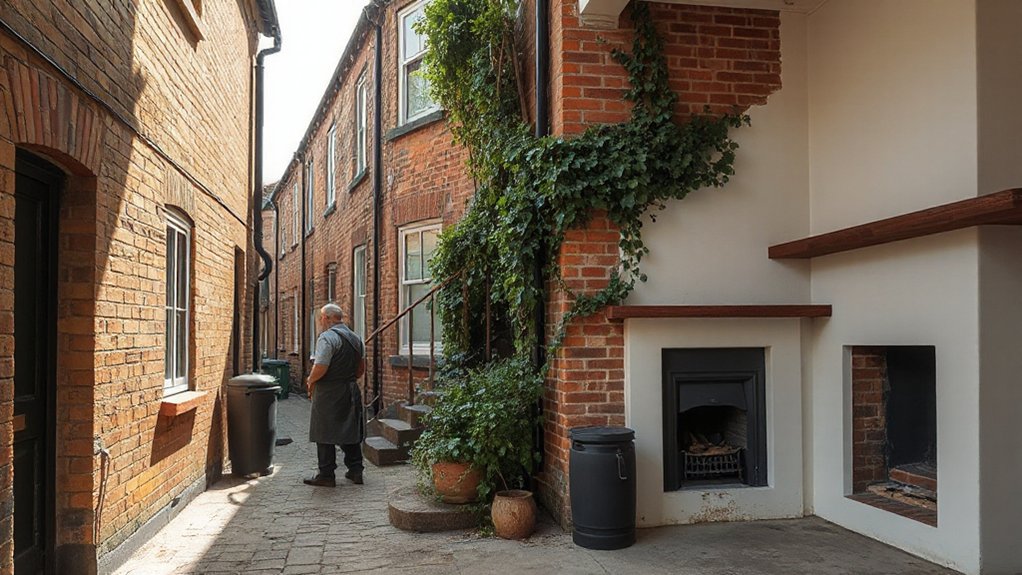
You’ve stood in a Sheffield terrace, noticing how a single brick breathes history while a neighbor’s UPVC window jars with the street’s rhythm. You’ll balance heritage constraints with modern performance, engaging officers early and documenting fabric before any swap is made. The path is careful: reversible interventions, lime mortars, and period detailing that respect scale and proportion. Stay attentive to structure, insulation, and neighborly coordination, or you’ll miss the quiet opportunities that keep the street’s character intact.
Understanding Sheffield Terraces: Planning Constraints and Opportunities
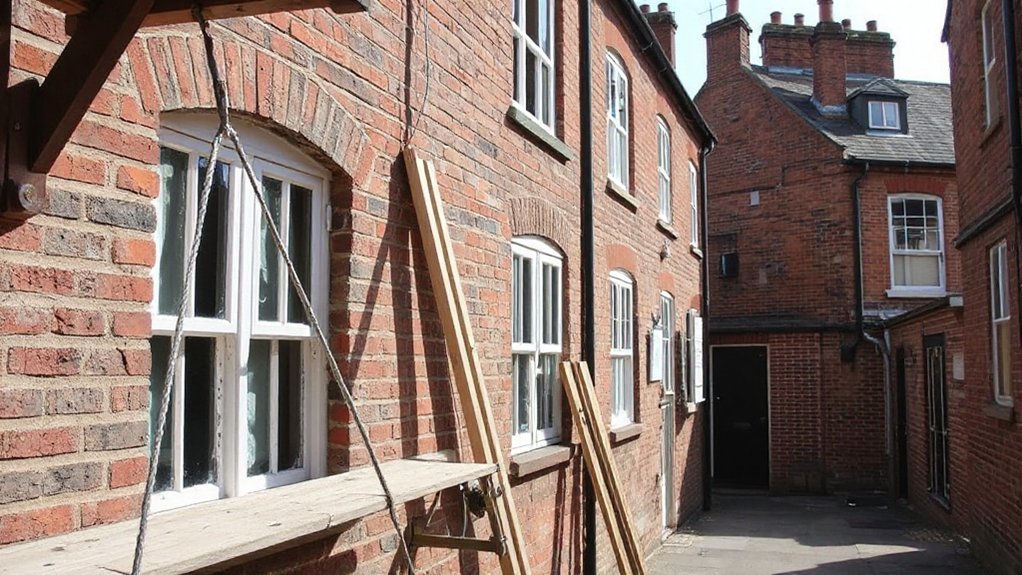
Understanding Sheffield terraces requires recognizing how historic fabric, ownership patterns, and local planning aims shape what you can change. You assess the terrace as a unit within a conserved street, noting boundary lines, party walls, and environment context, then align your plan with approved vernacular forms.
The planning framework prioritizes external continuity, setbacks, and materials, so you identify permissible alterations before drafting changes. You evaluate structural constraints, such as load-bearing walls and timber framing, to define feasible interventions.
Garden landscaping decisions must respect site drainage, access, and shared spaces, avoiding overbearing developments that disrupt rhythm. Exterior painting selections should match traditional palettes and degrade gracefully with time, ensuring reversibility where required.
Your approach blends technical accuracy with respectful adaptation to the historic environment.
Heritage-Friendly Design Choices for Sheffield Terraces
Careful design choices respect the terrace’s historic fabric while meeting modern needs. You approach heritage-aware layouts by prioritising proportion, rhythm, and intrinsic materials that echo period detailing.
Retain chimney stacks, cornices, and sash windows where possible, and align new openings with existing sightlines to preserve street façade integrity.
For interiors, select materials that age gracefully—brick, lime mortar, timber, and backing plaster—while meeting current thermal and acoustic standards.
Garden landscaping should complement the terrace line, using native and drought-tolerant planting in restrained beds to avoid overpowering historic massing.
Opt for modular, low-profile schemes that can be reversed, preserving original rooms when feasible.
Choose modern furniture that respects scale and edge details, avoiding bulky silhouettes that clash with delicate cornices or plasterwork.
Budget-Smart Renovations: Invest in Structure and Insulation
To start budget-smart renovations, prioritize structural integrity and high-value insulation measures that protect the terrace’s longevity while delivering real energy savings. You’ll reinforce load paths, inspect masonry joints, and damp-proof where needed, focusing on continuous insulation to reduce thermal bridging.
Target insulated lofts and ground floors, using breathable, low-void membranes to control moisture without trapping it. Retrofit with well-sealed windows and doors, selecting historically appropriate profiles to maintain streetscape while improving performance.
Plan for long-term durability by detailing ventilation, drainage, and access for future maintenance. Consider garden landscaping as a cost-effective microclimate strategy, shaping site runoff and shade without compromising brick parade views.
Coordinate exterior painting conservatively to protect substrates while preserving visual cohesion. Prioritize documentation for compliance and potential grants.
Restoring Traditional Features Authentically
How can traditional features be restored without erasing the patina of age? You approach restoration with a preservationist mindset, documenting original conditions before any intervention. You assess materials, joinery, and finishes for compatibility, opting for traditional methods that respect historic fabric.
Restoring traditional, authentic features means prioritizing reversible interventions, selecting period-accurate textures, and avoiding over-restoration that can erase context. You reference regional Sheffield precedents, sourcing locally milled timber, lime-based mortars, and mineral paints to match hue, sheen, and aging.
You test adhesives and consolidants for compatibility, preserving tool marks and patina. You plan interventions to minimize disturbance: patching rather than replacing, careful dismantling, and matched replacements only where necessary.
Your goal is legibility of history, not nostalgia, ensuring long-term resilience and authentic character.
Layout Tricks for Narrow Sheffield Terraces
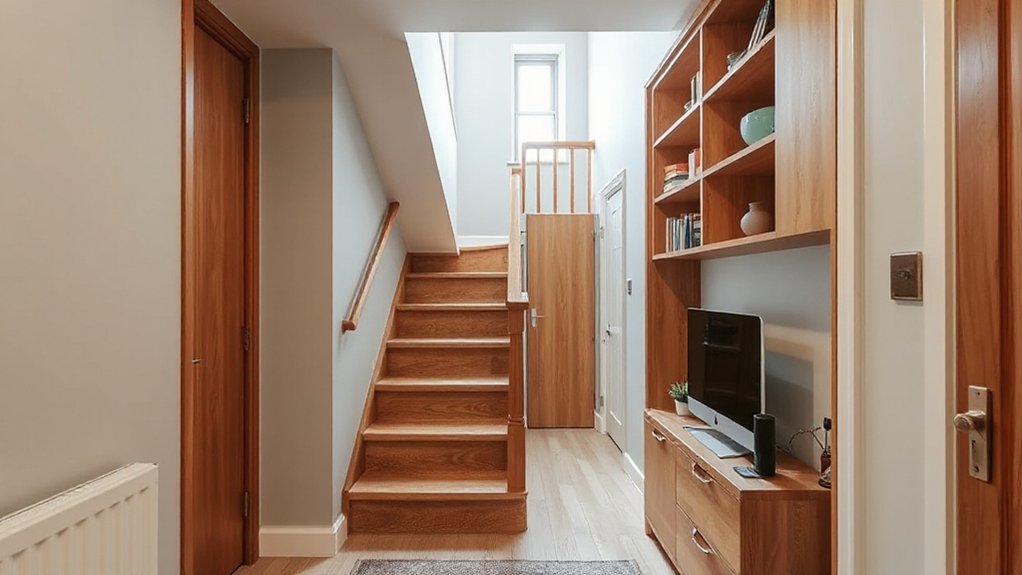
You’ll optimize narrow hallways by prioritizing proportion and flow, ensuring every inch supports movement and accessibility without compromising historic detailing.
Consider staircase layout tweaks and light-driven corridor design to maximize perceived space while preserving original routes and fabric.
This discussion centers on maximizing space, improving navigation, and maintaining contextual integrity across layouts in Sheffield terraces.
Narrow Hallways, Max Space
Even in narrow Sheffield terraces, thoughtful layout choices can maximize hall space without sacrificing character or flow. You’ll optimize corridors by prioritizing sightlines, using shallow alcoves for storage, and selecting hinged doors that tuck fully when opened.
Keep scale consistent with period detailing to preserve rhythm; avoid oversized fixtures that crowd the approach. Consider a single, continuous runner or low-profile runners to elongate perception, and install pocket lighting to wash walls without glare.
Use wall-mounted hooks and slim consoles to maintain floor clearance, reducing trip hazards while preserving accessibility. For visual continuity, repeat material cues from adjacent rooms, drawing your eye toward brighter thresholds.
Garden landscaping and outdoor lighting beyond the entry can subtly reflect light inward, reinforcing a sense of forward movement without widening the hall.
Staircase Layout Tweaks
Staircase layout tweaks can reclaim vertical and spatial tactility in narrow Sheffield terraces without compromising period character. You’ll analyze only what’s essential: proportion, sightlines, and access flow.
Begin by evaluating existing treads, risers, and landing heights to identify opportunities for reconfiguration that preserve original detailing. Consider reorienting a staircase to improve room usability, using a straight-run where possible or a compact winder when space is severely limited.
In parallel, align railing styles with period cues—open balustrades, turned spindles, or slender newel posts—that read as authentic without visual clutter. Document any historical constraints and seek minimal, reversible interventions, such as replacing modern splines with traditional mouldings.
Prioritize structural stability, finish integrity, and clear, contemporary usability within the preserved architectural language.
Light-Driven Corridor Design
How can light be harnessed to expand the perceived dimensions of a narrow Sheffield terrace corridor without compromising historic fabric? You’ll balance reflective surfaces, glazing, and proportion to maintain authenticity while enlarging the sense of space. Use a restrained palette and vertically oriented elements to draw the eye along the corridor, avoiding heavy ornamentation that competes with period details.
Prioritize natural lighting through appropriately scaled skylights, high transoms, and reduced obstructions, ensuring fire and thermal performance meet preservation standards. Integrate light wells with discreet finishes so materials remain legible and original plasterwork is preserved.
Consider corridor aesthetics as a driver for ceiling height perception, color temperature, and glare control. Document decisions, prevent material mismatches, and validate daylight gains with daylight modeling for a contextually accurate outcome. Collaboration with conservation officers is essential.
Practical Energy Upgrades for Older Sheffield Homes
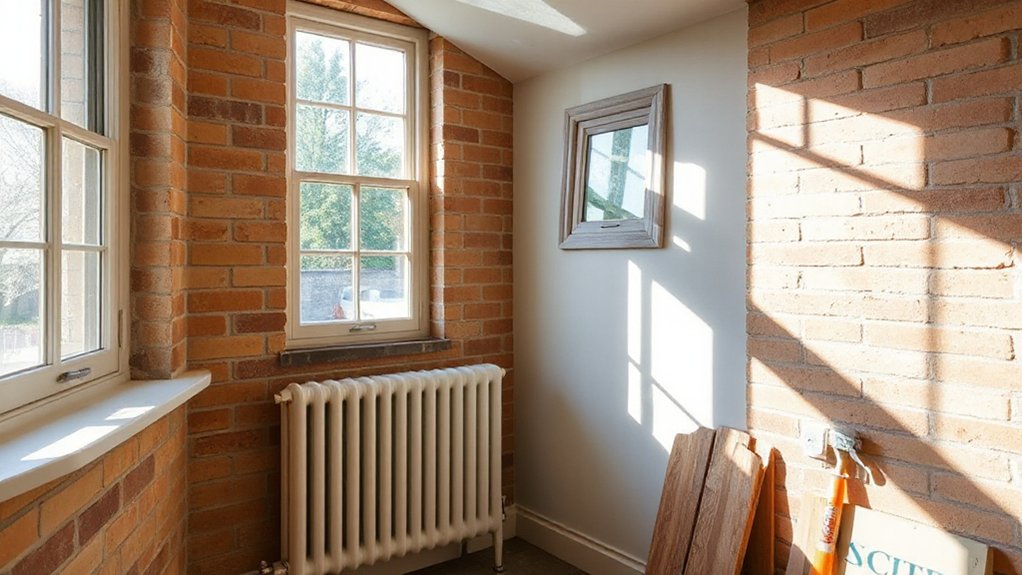
You should start with targeted insulation upgrades to reduce heat loss while preserving original fabric.
We’ll compare batt, dense-pack, and cavity options in the context of Sheffield terraces, balancing performance with historic detailing.
Pair these with efficient heating solutions that fit the rhythm of older systems and the local climate to set a practical, preservation-minded path forward.
Insulation Upgrades Essentials
Insulation upgrades are vital for older Sheffield homes, where draughts and thermal bridges undermine comfort and efficiency. You approach the retrofit with a preservation-minded eye, balancing fabric integrity with modern performance.
Start with targeted cavity and loft insulation where accessible, guaranteeing wind-tight detailing to avoid cold spots. Use breathable, compatible products to prevent moisture buildup in historic timbers and plasterwork.
Address junctions at party walls and roof lines, sealing without compromising fabric. Consider insulated plasterboard on interior walls only where it aligns with historic materials, avoiding over-insulation that obscures original detailing.
Roof ventilation remains essential to manage interstitial humidity; integrate soffit and ridge solutions discreetly.
Exterior painting and surface preparation are delayed considerations, assured after insulation progress to protect timber and masonry.
Efficient Heating Solutions
Efficient heating in a Sheffield terraced house builds on the insulation work you’ve started by targeting sensible, fabric-first upgrades that respect historic fabric while reducing reliance on fossil fuels.
You should pursue low-temperature, evenly distributed heat delivery with heat emitters that suit tight rooms and plaster ceilings, minimizing drafts.
Consider upgrading to a modern, sealed boiler or a heat pump if the fabric allows, paired with efficient zoning for ground floors and upper rooms.
Prioritize smart thermostats to modulate occupancy, time-shifted usage, and temperature hold without overworking the system.
Plan for solar panel installation where roof geometry permits, aligning with preservation guidelines and visible eave lines.
Guarantee controls integrate with existing radiators and insulation measures for balanced, reliable warmth.
Sourcing Materials and Keeping Neighbors in the Loop
Securing reliable materials is essential to a successful restoration, and a methodical plan helps prevent delays. You’ll map sourcing needs early, prioritising locally available materials that align with period features and energy goals.
Material sourcing should focus on compatible bricks, lime mortars, timber, and appropriate finishes, balancing historic accuracy with modern durability. Establish a procurement log that records supplier lead times, batch codes, and delivery windows to avoid misfits at site.
Maintain quality checks for moisture content, warp, and strength, and confirm reversibility where feasible.
Neighbor communication matters: notify residents of delivery schedules, on-site work hours, and any restricted access. Keep a clear, single point of contact for queries, and document responses to build trust and minimise disputes while you progress through sensitive phases.
Navigating Approvals With Conservation Officers
Managing approvals with conservation officers is a critical, detail‑driven step in any terraced-house restoration. You’ll engage early with your local conservation officer to map restrictions, listing status, and planning precedent.
Begin by compiling a concise brief outlining intended interventions, emphasizing how they respect architectural detailing and preserve historical significance. You’ll submit drawings, elevations, and a description of materials, focusing on compatibility and reversibility where possible.
Expect questions about window and door replacements, lime mortar, roofline integrity, and party-wall treatments. The officer will assess impact on streetscape, materials palette, and historic fabric, guiding amendments that maintain character.
Maintain a factual dialogue, document decisions, and adjust plans to align with statutory designations, local policies, and conservation principles.
Frequently Asked Questions
Do Terraced Homes in Sheffield Require Listed Building Consent?
Yes, you may need listed building consent for alterations affecting historic features; consult Historic preservation guidelines. You must also comply with Building regulations, ensuring structural safety and minimal impact on character during any renovation in Sheffield’s older districts.
How Can I Upgrade Insulation Without Altering External Walls?
Insulation materials matter: you can upgrade with internal insulation while preserving exterior walls. You’ll reduce heat loss, you’ll avoid external changes, you’ll maintain façade integrity, and you’ll monitor moisture, ventilation, and thermal bridging for long-term stability.
What Compromises Are Allowed on Period Sash Window Repairs?
You may compromise on sash window repairs by prioritizing historical authenticity while allowing modern upgrades to guarantee weatherproofing and security, provided workmanship remains faithful, reversible, and documented, preserving heritage value without erasing technical performance gains or contextual integrity.
Are Party Wall Agreements Needed for Internal Layout Changes?
A polite, sturdy door opens: yes, party wall agreements are needed for internal modifications that affect shared structures. You’ll document scope, notify neighbors, and secure approvals, balancing preservation with modernized layout and compliant, structurally sound alterations.
Which Trades Must Be Approved for Knocking Through Walls?
Yes: you must engage a structural engineer and building control, plus approved trades, to guarantee structural integrity and compliance with Building Regulations when knocking through walls. Preservationist standards demand careful detailing, vibration assessment, and certified joist and lintel installation.
Conclusion
You’ve got a blueprint for respect: balance modern comfort with heritage, and let the building’s story guide every decision. When one client chose lime mortar over cement, the wall breathed again, like a sail catching a restored wind. In Sheffield’s terraces, that breath translates into endurance—lower energy bills, sturdier masonry, and preserved character. Stay coordinated, document your steps, and keep neighbours in the loop; your home’s future hinges on preserving its voice as you upgrade its heart.