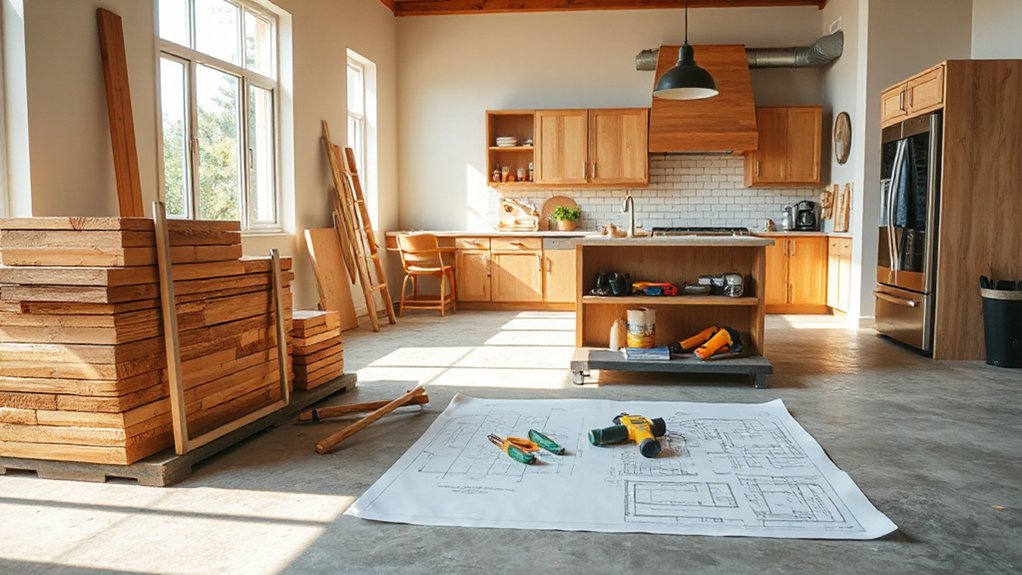
In 2026, you’ll save more by starting with a solid plan: set a realistic budget with contingencies, track every dollar, and stamp out scope creep with clear change processes. Prioritize energy-efficient upgrades and smart sealing, consider DIY for simple tasks, and hire pros for complex work. Leverage bulk buys, off-season discounts, rebates, and favorable financing to smooth cash flow. If you pair disciplined budgeting with smart choices, you’ll uncover cost-effective paths—and there’s a practical map you’ll want to follow next.
Budgeting for a 2026 Home Renovation That Pays Off

To set a solid foundation for a 2026 renovation that pays off, start with a clear budget anchored to your goals and reality. You map a realistic scope, attach line-item costs, and build contingencies for 10–15% overruns.
Track how each decision affects home value and your monthly carrying costs, so you don’t chase features that won’t pay back. Prioritize durable, low-maintenance materials and quantify payback timelines to stay grounded.
Material selection matters: choose finishes that balance lifespan with upfront price, targeting resale appeal without inflating a budget. Use current utility and construction data to benchmark costs, then test scenarios with a simple why-not-what-if worksheet.
Leave room for phased improvements if cash flow shifts. Your budget becomes a living guide, not a rigid cage.
Prioritize Projects by ROI and Impact
You’ve set a solid budget, now focus on picking projects that deliver the biggest bang for your buck. Prioritize ROI by evaluating cost per year of useful life and maintenance needs. Compare project payback periods, energy savings, and resale impact, then rank options from highest to lowest value.
Favor updates with proven performance, like durable materials, solid warranties, and scalable improvements that enable multiple benefits. When weighing design trends, choose enduring appeal with practical payoff, not fads that fade quickly.
Consider material durability and ease of upkeep; premium finishes can backfire if maintenance costs spike. Use data sheets, independent reviews, and local utility rebates to refine your list.
Target renovations that improve comfort, efficiency, and function while minimizing disruption and risk to your overall budget.
Planning, Permits, and Scheduling to Avoid Delays
Start by locking down permits and timelines early, since delays here can push costs up by weeks and dollars.
Use a simple scheduling framework to map tasks, dependencies, and milestones, then align permits, inspections, and material lead times to those dates.
Keep planning docs tight—checklists, permits, and permits’ expiration dates—so you can spot gaps before they derail the project.
Permits and Timelines
Proper planning keeps permits from derailing your project. When you map timelines, you align workstreams with the permit process, reducing idle days and rework.
Begin by identifying local zoning constraints that could affect scope or setbacks, so you don’t overdesign early. Gather required documents now—site plans, electrical, plumbing diagrams, and contractor licenses—and verify they meet code references.
Build a realistic buffer for review cycles, since inspections and approvals vary by jurisdiction. Track milestones with a simple dashboard: submission, review, corrections, final approval, and construction start.
Fast decisions save money—avoid back-and-forth by preemptively addressing common issues in advance. Keep stakeholders informed to preserve momentum; delays often inflate material and labor costs.
Your disciplined approach minimizes downtime and keeps your project on budget.
Scheduling for Savings
Scheduling delays eat into budgets. To keep costs predictable, build a tight calendar around critical path elements and buffer only where needed. Start with realistic lead times for permits, materials, and crews, then align all milestones to your overall target date.
Time management becomes your primary tool: set daily check-ins, track progress, and reallocate resources before delays cascade. Maintain open contractor communication: confirm scope, change orders, and weather contingencies in writing to avoid misunderstandings that halt work.
Schedule trades in sequence that minimizes idle days, and lock in crews during peak demand seasons to prevent price spikes. Build contingency of 5–10% for unforeseen delays, but don’t over-buffer; disciplined scheduling saves both time and money.
Planning Documentation Tips
Documentation sets the foundation for a smooth project, and you should capture planning, permits, and scheduling in clear, actionable records from day one. You’ll create a living folder with scope, budgets, and timelines that peers can audit quickly.
Prioritize permits early, track approvals, and set milestones tied to critical path tasks to avoid delays. Use a simple checklist for materials, vendor quotes, and delivery windows, updating it as changes arise.
Compare design trends against budget impact to prevent scope creep while staying current. Record decisions on material durability and finish options, noting warranties and maintenance needs.
Keep conversations documented: emails, calls, and site notes. A disciplined, data-driven approach reduces rework, improves accountability, and helps you choose cost-effective, durable options without sacrificing quality.
Materials That Save Money Without Sacrificing Quality
Choosing cost-effective materials that don’t skimp on quality starts with smart planning and honest comparisons. You’ll first define performance standards based on use, climate, and load.
Prioritize materials with proven durability data, such as long-term warranty coverage and independent test results.
Compare options not only on sticker price, but total cost of ownership, including maintenance and replacement intervals.
Lean on supplier negotiations to release bulk pricing, off-season discounts, and freight terms that lower landed costs.
Favor materials with modular components or standardized sizes to reduce waste and job-site time.
Check rebates, local code allowances, and sustainability labels that correlate with long service life.
Track quantifiable metrics: projected lifespan, maintenance frequency, and failure rates to justify selections and stay within budget.
Material durability is your core metric.
DIY vs. Pro: Where You Should Save in Renovations
You’ll want to save on materials where possible, but you should hire for tasks that are complex or risky to avoid costly fixes later.
Use data to guide decisions—compare material costs against failure rates and labor times to identify where DIY saves truly add up.
In renovations, prioritize DIY for straightforward tasks and bring in pros for electrical, plumbing, or anything structural.
Save On Materials
So where should you save on materials—DIY or hire a pro? In this phase, focus on cost-effective choices without compromising durability. Compare unit costs, waste, and availability across suppliers, and favor bulk buys only when you can use everything.
Prioritize practical, data-driven decisions: choose standard sizes, compatible components, and known brands with reliable warranties. When you shop, look for Material discounts that align with project specs and timeline, rather than chasing every sale.
Seek sustainable sourcing to minimize environmental impact and long-term maintenance costs, which often saves money over time. Track total installed cost, not just sticker price, and adjust selections to fit your budget while preserving quality.
Plan ahead, avoid over-customization, and document pricing for future projects.
Hire For Complex Tasks
When it comes to complex tasks, hiring a pro can save time, reduce risk, and protect your long-term costs. You’ll gain certified skills, inspected work, and invoicing that aligns with codes and permits.
For complex projects, the upfront expense often nets fewer call-backs and faster completion, lowering total project costs over time.
Prioritize specialists with verifiable track records, warranties, and transparent pricing. Ask for detailed scopes, milestone payments, and written safety plans to avoid scope creep.
Compare bids not just on price but on approach, material quality, and schedule realism.
Remember, DIY saves on labor only when tasks stay simple; otherwise, contractor expertise reduces rework and missteps.
Hiring specialists can be the smarter, more economical choice for high-stakes renovations.
Energy-Efficiency Upgrades That Return Your Investment
Upfront investments in energy efficiency pay back quickly through lower utility bills and added home value. You’ll get the best results by targeting high-impact upgrades with measurable payback periods.
Prioritize insulation upgrades to reduce heat loss in winter and heat gain in summer, lowering HVAC running time and energy costs. Pair this with smart air-sealing methods to eliminate drafts and comfort swings.
Consider solar panel integration where your roof orientation and local incentives support a favorable return; even modest systems can offset a sizable portion of monthly load.
Use industry standards to estimate savings, and compare retrofit options against replacement costs.
Track performance after completion with simple monthly bills and a quick energy audit. A disciplined, data-driven approach keeps projects focused and affordable.
Financing Options That Fit Your Budget
Financing options that fit your budget start with a clear, data-driven plan: identify total project cost, estimate likely energy savings, and match financing to your cash flow. You’ll then compare options, focusing on total cost and reliability.
Consider personal loans with fixed rates for smaller projects, and home improvement loans or HELOCs for larger scopes, but compute interest over the life of the loan to avoid surprises. Look for low origination fees, favorable terms, and streamlined repayment.
Explore manufacturer rebates, utility programs, and contractor-promoted financing only if you’d actually benefit.
Don’t overlook budget planning: set a cap, build a contingency, and time purchases to take advantage of seasonal promotions.
Finally, document all terms, compare monthly payments, and choose a financing mix that preserves liquidity for essentials.
Vetting Contractors and Managing the Work to Avoid Surprises

Before you sign on the dotted line, make contractor vetting a concrete, numbers-driven step that complements your financing plan. You’ll compare bids using a standardized checklist: license status, insurance coverage, project timeline, and material quality.
Demand itemized estimates with unit costs and contingencies so you can spot hidden charges early. Check references, review past project photos, and verify favorable on-time completion rates.
Once you select a contractor, set clear expectations for work supervision, progress milestones, and daily reporting. Institute formal change-order procedures to prevent scope creep, and require written approvals for any deviation.
Maintain a central, dated log of decisions, inspections, and confirmations. Track submittals and punch lists to close items promptly, preserving schedule and budget integrity throughout the job.
Tracking Costs and Staying on Budget Through Completion
How can you keep costs from spiraling once the project kicks off? Build a simple, real-time cost-tracking system you actually use. Record every line item, updated weekly, and compare against your baseline budget. If a variation arises, label it: scope, quantity, or price.
Prioritize budget balancing by trimming nonessential tasks first, then reallocate savings to critical items. Use percentages, not vague estimates, to gauge risk; aim for a 5–10% contingency but adjust as you learn more about supplier lead times and labor availability.
Schedule frequent budget reviews with your team and contractor, documenting decisions and rationale. Keep receipts and change orders organized, and resolve discrepancies promptly. This disciplined approach minimizes surprises and preserves project value.
Frequently Asked Questions
How Can I Spot Hidden Renovation Costs Early?
You spot hidden renovation costs early by budgeting with contingencies, reviewing contracts line by line, and tracking change orders. Do meticulous budget planning, compare bids, and document everything; evaluation of contractor selection reduces surprises and protects timelines.
What Tax Credits Apply to 2026 Home Upgrades?
Tax incentives boost your upgrades; energy credits help you save. You qualify for federal energy credits on efficiency improvements and certain home upgrades, plus state programs. You’ll verify eligibility, track receipts, and file properly to maximize these incentives.
Can Refinishing Existing Structures Save More Than Replacing?
Yes, refinishing can save more than replacing, especially if you preserve structural integrity and upgrade finishes. For cost efficiency, prioritize Budget planning and Material selection, compare long-term durability, and source materials with proven performance to minimize future repairs.
How Do Seasonal Discounts Affect Timing and Price?
During a spring remodel, seasonal sales boost savings as discount timing aligns with contractor lulls. You save more when you plan around slow months; example: 15% off cabinetry when inventory resets in late winter, locking-in value.
What Warranty Considerations Should I Verify With Contractors?
You should verify contractor reputation and warranty coverage before signing. Check written warranties, duration, what’s covered, and exclusions. Require workmanship guarantees, documented materials specs, and a clear process for claims; compare quotes to guarantee consistent warranty terms.
Conclusion
You can cut home-improvement costs in 2026 by planning meticulously, sticking to a realistic budget, and using smart, data-driven choices. Prioritize ROI, seal and insulate, and DIY simple tasks to save. An interesting stat: energy-efficient upgrades can reduce home energy bills by up to 20–30% annually, speeding break-even on many projects. Track every dollar, use clear change orders, and vet contractors carefully. Stay disciplined, proactive, and flexible to finish on time and within budget.