
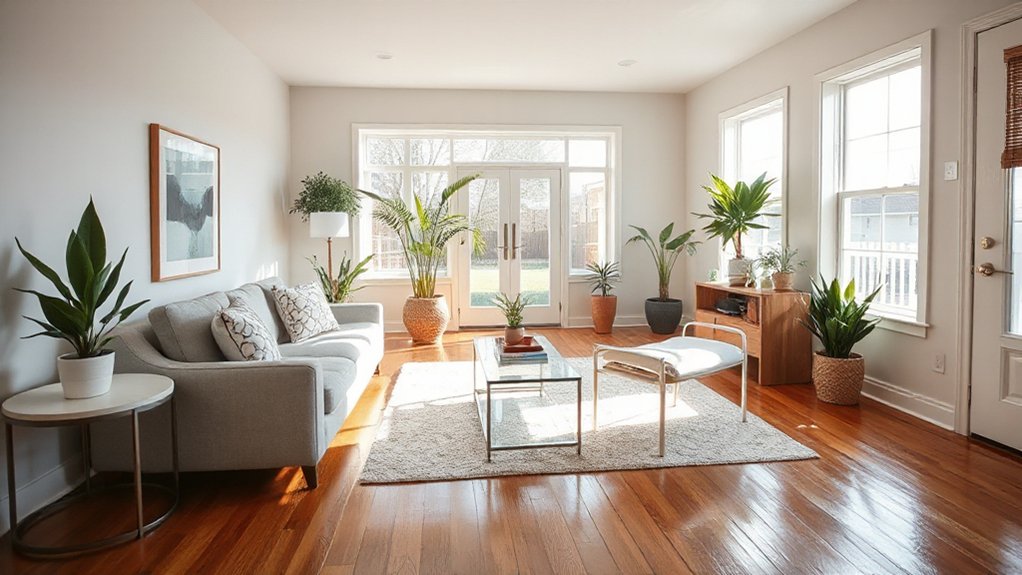
A successful sale starts with sharp curb appeal and a bright, uncluttered interior. Focus on a polished front entrance, trim overgrowth, power-wash surfaces, and clear exterior lighting. Inside, declutter, refresh with neutral tones, and stage rooms for easy flow and clear sightlines. Deep-clean every surface, seal gaps, and restore energy efficiency. Highlight eco-friendly upgrades and flexible pricing supported by data. On the final weekend, finish trades, declutter further, and schedule lighting and staging touch-ups—you’ll be ready to impress buyers and close faster.
Assess Your Curb Appeal in 60 Minutes
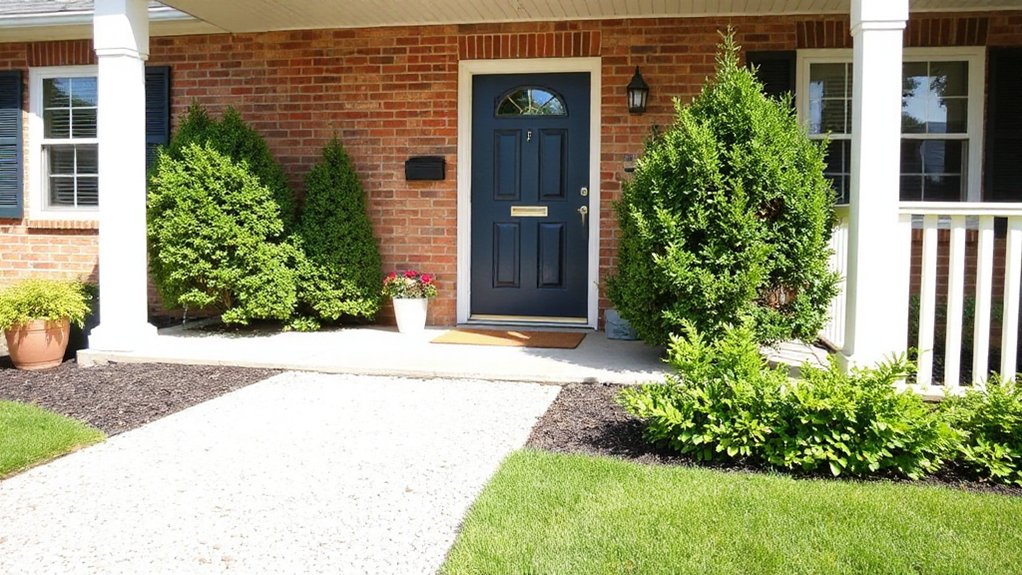
Want your home to look irresistible from the street? You can assess curb appeal in 60 minutes by focusing on quick, high-impact tweaks.
Begin at the front door area: swap a tired mat for a clean, welcoming one and verify house numbers are large and visible.
Scan the lawn, trim overgrowth, and pull weeds to sharpen edges. Tidy any mulch beds, replace fading edging, and prune shrubs to create crisp lines.
Evaluate the driveway appeal: power-wash stains, seal cracks, and remove debris for a polished surface.
Wash windows, rake leaves, and confirm gutters are clear.
Add simple landscaping ideas like seasonal potted plants or a pop of color to draw the eye.
Small changes translate to stronger first impressions and increased buyer interest.
Quick Fixes That Make a Big First Impression
You’ve already primed buyers with a curb-appeal check, so now it’s time to seal the deal with quick, high-impact fixes. First, tackle tangible, visual tweaks that don’t require heavy investment. Update door hardware and outdoor lighting to create a welcoming entry, and replace cracked caulk around windows for an instant clean look.
Focus on garden landscaping: trim hedges, mulch beds evenly, and plant a few low-cost, color-rich annuals to give depth and life. Inside, perform paint touch ups on scuffed walls and doors to remove dull patches; choose neutral tones for broad appeal.
Refresh kitchen and bathroom fixtures with simple polish to boost perceived value. Finally, declutter surfaces and power-clean windows to maximize natural light, ensuring every room reads fresh and move-in ready.
Staging Basics to Light Up Interior Photos
Staging basics can dramatically boost interior photos by showcasing space, light, and flow. You’ll create inviting scenes with purposeful lighting and deliberate furniture placement that highlights room function and scale. Focus on balance, minimizing shadows, and emphasizing focal points that guide viewers through the space.
- Use artistic lighting to accent textures and create warmth without glare
- Arrange furniture to establish clear sightlines and conversation areas
- Place key pieces to frame windows and maximize natural light
- Choose cohesive finishes and muted tones for a bright, resale-friendly vibe
- Reflect the room’s best angles with strategic rug and accessory placement
Declutter for a Spacious, Buyer-Friendly Look
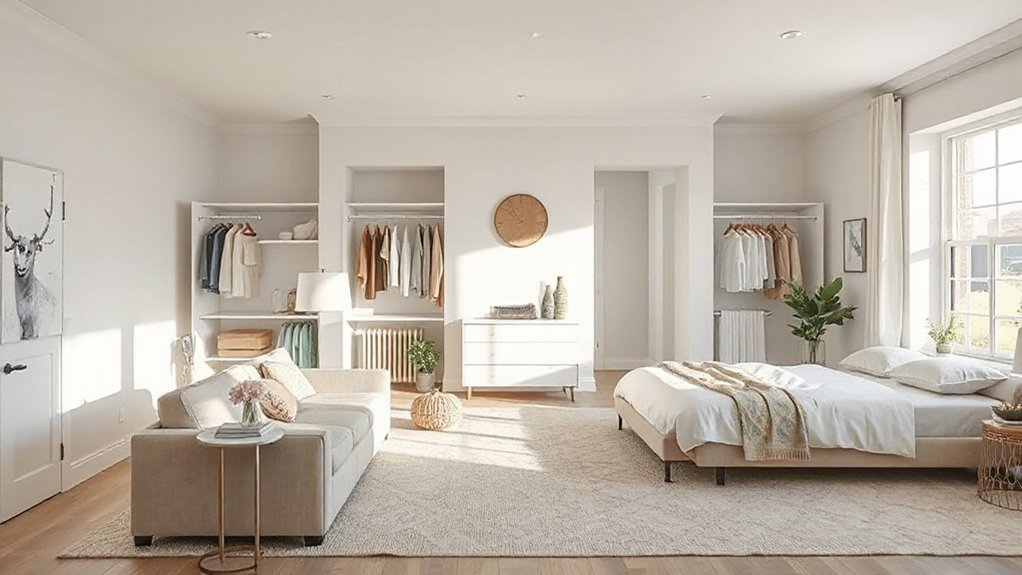
Clear surfaces open up any room, making spaces feel bigger and more inviting. By keeping only essential items and favoring minimalist setups, you create a clean flow that guides buyers naturally through each area.
Start with decluttering high-traffic zones to showcase brighter lighting and a calmer, more spacious vibe.
Clear Surfaces, Bigger Feel
If a room feels cramped, chances are clutter is the culprit—so start by clearing flat surfaces to reveal space and light. When surfaces stay clean, rooms look bigger and brighter, inviting buyers to imagine themselves living there.
Focus on strategic placement that enhances flow and visual symmetry, creating calm, inviting spaces. Surface decluttering isn’t about perfection; it’s about presenting a canvas that highlights architectural features and natural light.
You’ll signal value by showcasing easy maintenance and order.
- Clear counters and mantels, leaving essential decor
- Store gadgets out of sight, one cord per outlet
- Group objects to create intentional vignettes
- Use neutral, cohesive accents for balance
- Keep every surface wipe-clean and dust-free
Minimalist Spaces, Clean Flow
A clean, minimalist space communicates space and calm, making buyers imagine easy living from the moment they walk in. You achieve this by decluttering surfaces and limiting furnishings to essentials. Each room should breathe, guiding eyes toward built-in features and natural light.
Practice space optimization by arranging furniture to create clear, logical paths, not obstacles. Pair neutral tones with a few purposeful accents to keep rooms cohesive and visually larger.
Commit to decor simplification: remove personal items, minimize oversized decor, and store seasonal belongings out of sight. This streamlined approach communicates confidence and care, signals low maintenance, and reduces buyer fatigue.
A clean flow helps buyers envision daily routines, increasing perceived value and speeding your sale.
Deep-Clean Checklist for a Showroom Feel
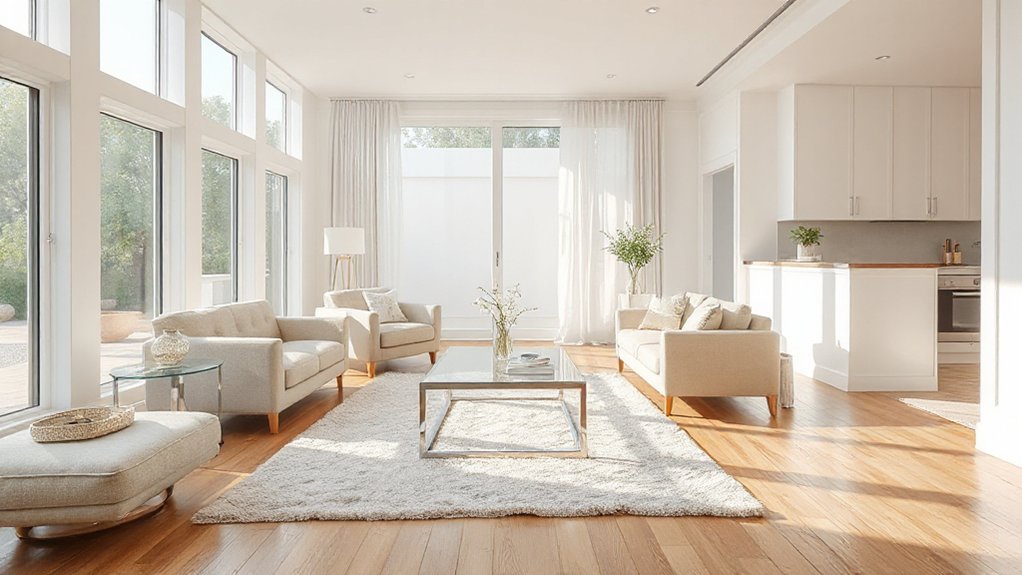
You’ll start by ensuring all surfaces are deep-cleaned and gleaming, because spotless spaces sell.
Reframe bathrooms with a sparkling finish that reflects hygiene, making buyers picture fresh starts.
Deep-Cleaned Surfaces Ready
Deep-cleaned surfaces give your home an instant showroom feel, so start with a thorough wipe-down of every touchpoint—kitchen counters, stovetop, sink, and appliances. Then move to countertops, tables, and desks throughout.
You’ll reinforce buyer confidence with visible, sanitary surfaces, so guarantee evidence of surface sanitation in every room. Use purpose-made cleaning supplies and microfiber cloths to lift grime without residues, and keep airflow clear to avoid streaks.
- Prioritize high-contact areas with a quick wipe-down after use
- Wipe appliances inside and out, including handles
- Sanitize sinks and faucet hardware for a spotless gleam
- Remove soap films from countertops with a rinse and dry
- Store cleaning supplies neatly out of sight to maintain polish
Sparkling Bathroom Finish
First, tackle every surface with a streak-free approach: scrub and wipe the sink, vanity, and faucets, then polish glass, mirrors, and chrome until they gleam. A sparkling bathroom finish signals care and value to buyers, so focus on high-visibility areas first.
Target grout lines and tile edges with a dedicated cleaner to prevent dulling, and seal any porous surfaces to deter future staining. Check caulking for gaps and re-seal where needed to maintain a seamless look.
Elevate the space with fresh towels, a clean shower curtain, and a tidy vanity top, avoiding clutter.
Plan bathroom upgrades around energy efficiency and modern fixtures, yet keep costs realistic.
Also review tile maintenance routines to sustain shine, ensuring the entire room presents showroom-grade appeal.
Small Repairs That Pay Off in Price and Speed
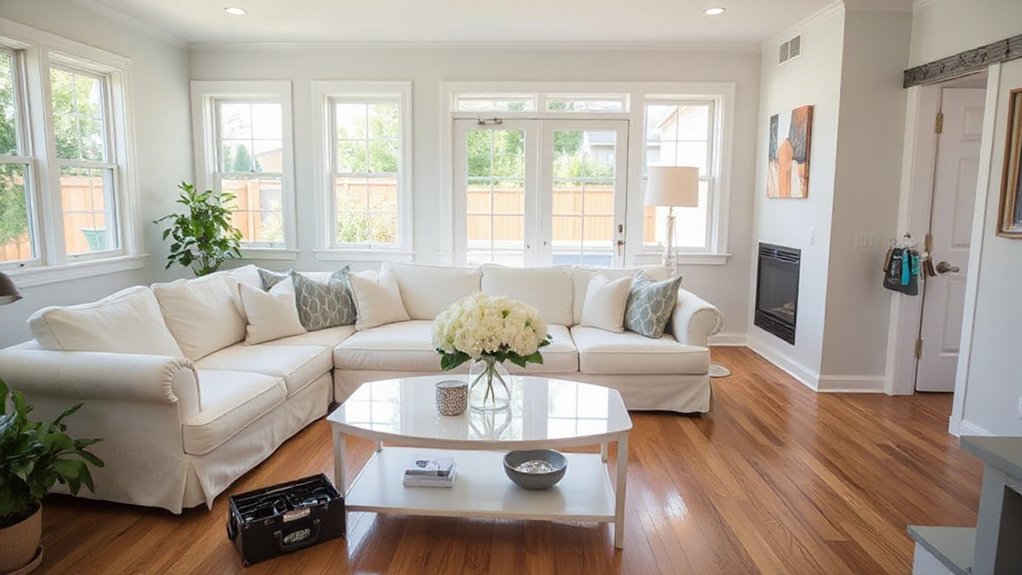
Small fixes can yield big returns. You’ll boost appeal and speed up offers by targeting quick, high-impact repairs that buyers notice first. Focus on enduring value: efficient systems, clean details, and odor-free spaces.
Prioritize areas where small gaps deter confidence and price negotiations.
- Patch minor drywall dings and touch up paint for a cohesive look
- Replace burned-out light bulbs and update fixtures for a brighter, modern feel
- Seal gaps around doors and windows to improve comfort and energy
- Improve home insulation where gaps exist to boost efficiency
- Address pest control basics to prevent buyer concerns and delays
Maximize Natural Light on a Budget
Shedding light on a brighter, more welcoming home doesn’t have to break the bank. You can maximize natural light with simple, effective choices that sell rooms fast.
Start with light placement: position mirrors opposite windows to bounce daylight into darkest corners, and angle furniture to avoid blocking skylights or clerestory openings.
Prioritize uncluttered sightlines; trim window treatments that obstruct viewlines during daytime. Choose window treatments that enhance brightness, like sheer panels or light-filtering blinds, which preserve privacy while letting in sun.
Reframe interiors with light-colored walls and glossy surfaces to reflect light further.
Refresh thresholds and entryways so daylight flows from room to room, creating an airy feel.
These tweaks elevate appeal without costly renovations.
Budget-Friendly Touch-Ups for Every Room
Even on a tight budget, you can make a room feel polished with simple, purposeful touch-ups. Focus on quick, high-impact updates that buyers notice first. Budget upgrades and paint refreshes are your fastest path to a refreshed vibe without a full remodel.
Prioritize neutral tones, clean edges, and cohesive hardware to create a unified look.
- Refresh walls with a fresh coat in a neutral shade
- Tighten hardware and switch out dated fixtures
- Clean and brighten ceilings, crown moldings, and baseboards
- Add strategic lighting for warmth and depth
- Declutter, then stage with a few balanced accents
Outdoor Spaces That Sell: Yard, Patio, and Entry
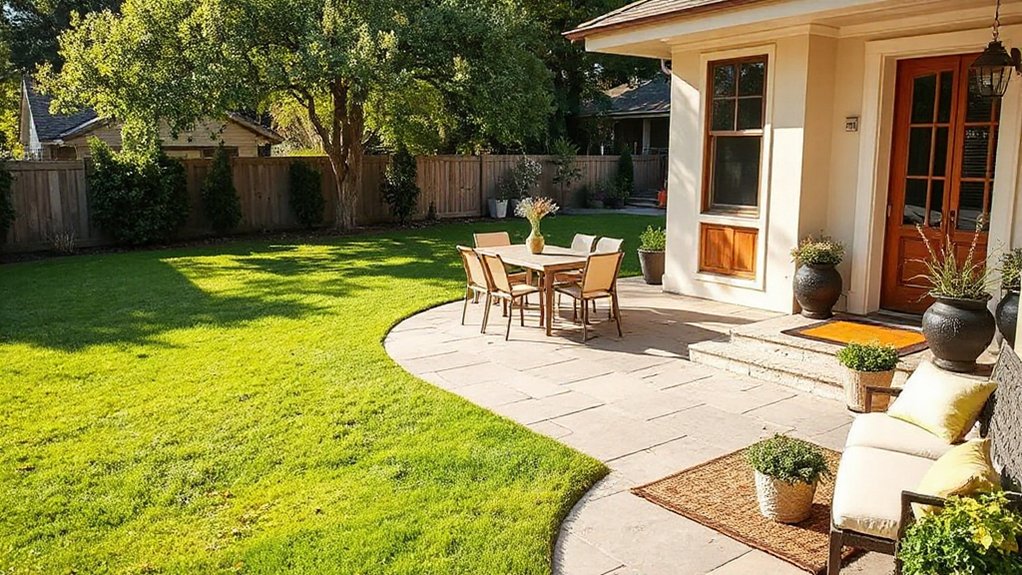
Your refreshed interiors create momentum, but the outside is what buyers see first—and what keeps them coming back. In Outdoor Spaces That Sell, you present a welcoming yard, a polished patio, and an unobtrusive entry.
Start with curb appeal: trim hedges, sweep pathways, and guarantee the lawn is even. Garden landscaping should look intentional, not cluttered—select a cohesive plant palette that thrives in your climate.
On the patio, invest in durable furniture and a simple focal point, like a fire table or a water feature, to extend usability.
Add outdoor lighting to create safety and mood—path lights along walkways and soft uplighting for architecture.
A tidy entry, with a seasonal wreath and a fresh doormat, signals care and invites exploration.
Price Right After Weekend Prep
After weekend prep, pricing should reflect both the market and the enhanced appeal you’ve created; you’ll position your home to attract serious buyers without leaving money on the table.
- Align your price with current market research to avoid underpricing or overpricing.
- Highlight the value added by weekend prep as part of your Pricing strategy.
- Consider comps, days-on-market, and recent sale velocity to refine your target.
- Build in a small buffer for negotiation while staying credible.
- Be prepared to justify your price with concrete improvements and data.
With disciplined pricing, you reduce days on market and maximize visibility, ensuring your home stands out for the right reasons.
Photo-Ready Prep: Capture Your Home at Its Best
Photo-Ready Prep means you’ll seize attention the moment buyers land on your listing. You’ll stage rooms that read clean, calm, and inviting, then photograph with intention.
Begin with lighting techniques that brighten without glare, using natural light where possible and supplementing with soft, even bulbs in every corner. Avoid harsh shadows by pulling curtains and diffusing lamps.
Next, optimize furniture arrangement to create clear sightlines and welcoming flow, keeping paths open and focal points uncluttered. Place key pieces to define spaces—a sofa group for living areas, a dining setup that reads complete, and beds that look pristine.
Finally, tidy surfaces, minimize personal items, and photograph shortly after a fresh reset. Together, these steps transform each room into its most confident, market-ready version.
What Buyers Notice in Bathrooms and Kitchens
When buyers peek into bathrooms and kitchens, they notice cleanliness, efficiency, and layout first. You should stage these spaces to feel calm, functional, and inviting, because impressions drive offers and speed up negotiations.
Focus on fresh fixtures, spotless grout, and hidden storage to signal value without overhauling.
- Bathroom updates that feel modern yet timeless
- Kitchen aesthetics that reflect quality without clutter
- Clear counters and well-lit surfaces for a polished vibe
- Functional layouts that showcase ease of use
- Subtle scent and tidy details that convey care
Prioritize simple upgrades, avoid overstatement, and keep the look cohesive with the rest of the home. Small, strategic changes in bathrooms and kitchens signal serious buyers and can boost perceived value.
Sustainable Upgrades That Save Money (and Energy)
You can start saving money and energy with efficient upgrades, from LED lighting to high-efficiency appliances.
A smart thermostat helps you cut costs by learning your schedule and adjusting temps automatically.
Choosing reusable materials and smart, sustainable choices keeps renovation costs down while boosting appeal for buyers.
Efficient Energy Upgrades
To boost appeal and lower costs, start with efficient energy upgrades that deliver lasting savings and a smaller environmental footprint. You’ll gain value by targeting high-impact changes and communicating them clearly to buyers, emphasizing ongoing comfort and lower bills.
Focus on renewable energy options and insulation upgrades to maximize return and reduce demand on the grid.
- Upgrade to renewable energy sources or take steps toward feasible solar readiness
- Improve attic and wall insulation to minimize heat loss
- seal leaks and weatherize around doors and windows
- install high-efficiency lighting and appliances
- choose energy-efficient HVAC components and proper duct sealing
Smart Thermostat Savings
Smart thermostats simplify energy savings by learning your schedule and optimizing heating and cooling without constant manual tweaks. You’ll cut waste, keep comfort, and reduce utility bills as you prepare to sell.
This smart savings approach leverages real-time data and adaptive routines to maintain ideal temperatures when you’re home and gently adjust when you’re away. With thermostat technology, you gain precise control over zones, occupancy sensing, and seasonal adjustments that prevent overcooling or overheating.
The result is a noticeable drop in energy use without sacrificing comfort, a strong selling point for energy-conscious buyers. Highlight how these upgrades integrate with existing systems and the longevity they offer, reinforcing value and differentiating your home in a competitive market.
Reusable Materials Choices
Can reusable materials really cut costs and boost sustainability—without sacrificing style? Yes, and you’ll notice the impact from day one. Choose recyclable packaging for shipments and storage, reducing waste and disposal fees while keeping movers organized.
Opt for eco friendly furniture built with durable, low-impact materials that endure daily living and resale value. Reuse, repurpose, and select higher-quality pieces that age gracefully, lowering replacement cycles.
Prioritize locally sourced materials to cut transport emissions and support nearby trades. Plan upgrades around modular designs that adapt to rooms and layouts, preserving value.
Focus on clean finishes, low-VOC paints, and responsible sourcing to appeal to buyers.
- Recyclable packaging ideas for move-in and staging
- Eco friendly furniture that lasts
- Modular, adaptable designs
- Local sourcing benefits
- Low-VOC, sustainable finishes
What to Remove-and What to Keep: Personal Items
When preparing your home for sale, decide which personal items to remove and which to keep so buyers can envision themselves living there. Start with a clean baseline: remove personal clutter that signals ownership rather than space, and pack away keepsakes that invite questions about your life.
Focus on neutral, high-appeal essentials—photos with large groupings down to a few curated frames, and sentimental items stored out of sight. Keep items that boost perception of space, light, and flow, like minimal décor, fresh flowers, and a few tasteful accents.
Store mementos securely, especially those tied to sensitive memories. Your goal is a staged, inviting canvas, not a museum. Clear drawers and cabinets help buyers imagine convenient living, not cluttered compromises.
Green-Home Messaging That Resonates With Buyers
You’ll connect with buyers by framing green features as practical, money-saving benefits they can already envision using. Focus on clear, buyer-driven eco advantages—like lower utility bills and healthier living spaces—and show how these translate into real, everyday value.
Green Messaging That Connects
- Eco friendly landscaping enhances curb appeal while reducing maintenance costs.
- Energy saving appliances lower monthly bills and cooling loads.
- Durable materials cut long-term replacement needs.
- Smart controls optimize comfort without waste.
- Low-VOC finishes support better indoor air quality.
This approach ensures your home is easier to maintain, more efficient, and healthier from the start. You can enjoy lower costs and a greener lifestyle with confidence, making your transition into homeownership smooth and cost-effective.
Buyer-Driven Eco Benefits
Green buyers want proof you’ve already accounted for efficiency. When you present eco benefits, lead with tangible savings and reliability. You’ll connect quickly by highlighting practical features buyers can verify, not just ideals.
Emphasize solar panels as a straightforward value driver: lower utility bills, potential tax incentives, and predictable performance in sunny seasons. Then mention energy storage or efficient appliances as complementary advantages that reduce peak demand.
Show how composting systems fit into everyday life, stressing odor control, wildlife-friendly landscaping, and kitchen waste reduction. Pair these points with recent maintenance records, warranties, and professional inspections to reinforce credibility.
Keep messaging precise: quantify improvements, link to local programs, and offer easy demonstrations. Your concise, confident presentation helps buyers feel empowered and inclined to act.
Your Final Weekend Pre-Listing Checklist
As the weekend before listing arrives, finalize every detail that could sway a buyer’s impression: stage rooms for peak appeal, refresh high-traffic surfaces, and guarantee every hinge, light, and latch works smoothly. You’re validating curb appeal, scent, and neutral decor to align with current Real estate trends and buyer expectations. This is your last chance to prevent tiny flaws from becoming deal-breakers, so move with purpose and precision.
- Inspect and tidy entryway power, lighting, and hardware
- Deep-clean kitchens and baths, refresh caulk and grout
- Patch nails, scuffs, and minor wall imperfections
- Service HVAC, test filters, replace batteries in detectors
- Declutter, depersonalize, and brighten with natural light
Homeownership tips guide your choices; stay aligned with market signals to maximize appeal without overinvesting.
How to Schedule a Weekend Plan (Timeline)
Start your weekend strong by outlining Friday prep first, so you set a solid baseline for what comes next.
Then lock in Saturday’s tasks, prioritizing repairs, staging, and show-ready touches to maximize impact.
End with a crisp Sunday wrap-up to tidy gaps, confirm timelines, and plan for a smooth handoff to buyers.
Plan Your Friday Prep
To set the weekend up for success, start by outlining a clear Friday plan that maps onto Saturday and Sunday tasks. You’ll gain momentum by sequencing priorities, confirming show-ready details, and preventing scope creep.
Focus on two visuals that influence buyer appeal: garden layout and paint color. Your Friday actions should seed a polished Saturday and a streamlined Sunday.
- Define key touchpoints for exterior curb appeal, including garden layout tweaks
- Confirm interior paint color readiness in hallways and common areas
- Allocate quick fixes that improve first impressions
- Clip and tidy high-visibility areas to reduce clutter
- Schedule inspections or stagers if needed, avoiding weekend bottlenecks
Schedule Saturday Tasks
With Friday’s plan in place, you’ll directly map Saturday’s tasks to keep momentum and prevent bottlenecks. You’ll prioritize high-impact fixes first, then allocate time blocks for each activity.
Begin with quick declutters in visible spaces to reduce distractions for buyers, then run a focused inspection of curb appeal and entry lighting.
Schedule outdoor improvements next, including garden lighting placement to highlight pathways and landscaping after dusk.
Move indoors to paint touch ups in zones most visible in photos and during showings, targeting scuffs on walls, doors, and trim. Use a timer to avoid overrun and keep energy steady for the afternoon.
Conclude with staging tweaks and a brief review, ensuring you’re prepared for Sunday’s wrap-up.
Tidy Sunday Wrap-up
Sunday wraps up your weekend plan by tightening the finish line and setting clear next steps. This Tidy Sunday Wrap-up helps you close the loop on tasks and prep for a stronger sale. You’ll lock in priorities, confirm progress, and map expectations for the week ahead.
Focus areas include garden landscaping improvements and interior lighting tweaks that boost curb appeal and mood, without overhauling your footprint. By pinning concrete actions, you reduce post-weekend backsliding and present a showroom-ready home to buyers.
- Confirm outdoor maintenance tasks and a simple garden landscaping refresh
- Schedule lighting upgrades or replacements for key rooms
- Declutter high-traffic zones to improve flow
- Tag all repairs with responsible timelines
- Set a weekly follow-up plan to sustain momentum
Next-Step Questions Buyers Might Ask (FAQ-Style Prompts)
Anticipate buyers’ next moves by outlining the key questions they’ll want answered—financials, disclosures, timelines, and contingencies—so you can respond confidently and keep momentum.
In this FAQ-style prompt, you’ll address common buyer questions clearly and efficiently. You’ll highlight how your pricing aligns with market value, what you’ve disclosed upfront, and realistic timelines for move-in and repairs.
Prepare crisp answers about warranties, HOA rules if applicable, and recent improvements with documentation. Don’t shy away from inspection concerns—acknowledge questions, provide reachable contact points, and offer transparent materials.
Anticipate negotiation touchpoints and contingencies, such as financing contingencies or appraisal gaps. Your concise, professional responses build trust, accelerate offers, and demonstrate readiness to collaborate toward a smooth closing.
Frequently Asked Questions
How Long Does Curb Appeal Affect Sale Price?
Curb appeal can remarkably boost sale price, often within days of listing. You’ll see gains when you invest in landscaping enhancements and exterior cleanliness, creating an immediate, persuasive first impression that standardized buyers perceive as well-maintained and valuable.
What’s the Best Quick Fix for Stubborn Odors?
Yes—use an air purifier for quick relief, then employ odor neutralizers to seal the deal. Run the purifier, ventilate, and reapply as needed; you’ll feel fresher air fast and present a more inviting space to buyers.
Do Buyers Notice Wall Imperfections in Photos?
Yes, buyers notice wall imperfections in photos, but you can fix them before listing to enhance Photo presentation. Patch, paint, and stage strategically, then retake shots. You’ll project professionalism, credibility, and faster interest with clean, polished visuals.
Which Minor Repairs Yield Highest ROI Fast?
“Time is money,” so you should tackle quick ROI fixes: tighten tiling, seal leaks, paint walls, and declutter. Focus on garage organization and kitchen upgrades to maximize appeal and speed of offers, with you driving the improvements.
Should I Disclose Recent Improvements to Buyers?
Yes, you should disclose recent improvements at the right time. Practice disclosure timing thoughtfully and emphasize renovation transparency to buyers, building trust and avoiding later disputes. You’ll appear credible, prioritizing integrity while protecting your sale’s momentum and value.
Conclusion
You’ve got a clear game plan: boost curb appeal, fix quick issues, stage smartly, declutter, and deep-clean for showroom shine. Finish with a green-home angle that resonates, and wrap up with a tight weekend checklist. With the right pricing and timing, buyers will picture themselves there. Think of your home as a canvas—the more pristine you present it, the brighter the picture becomes, guiding offers toward your preferred closing. Ready to open doors to opportunity.