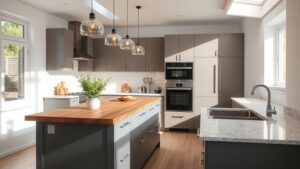
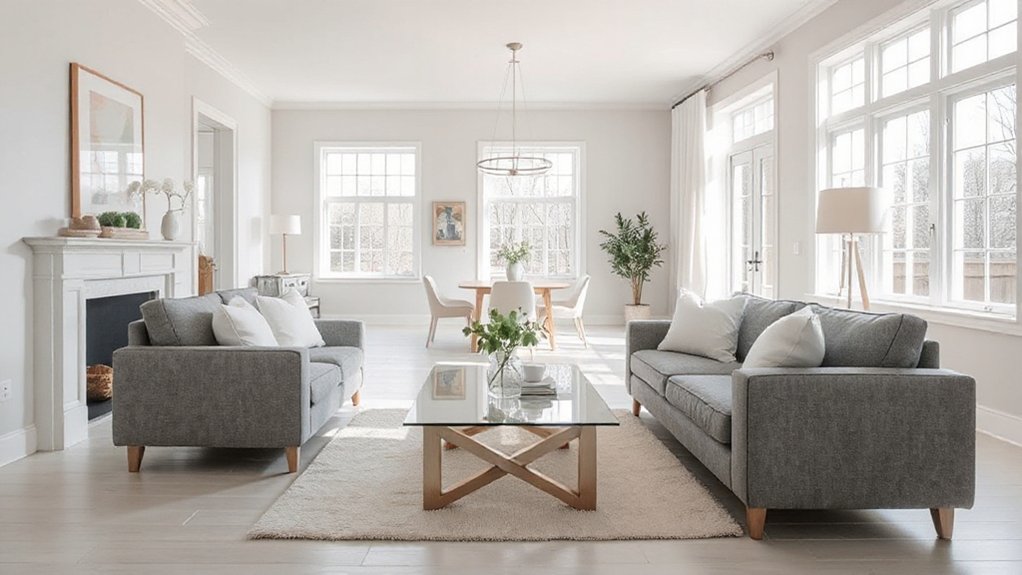
Like a clean slate ready for a new story, your home can signal quick offers from day one. You’ll declutter, depersonalize, and boost curb appeal with fresh paint, strategic lighting, and a touch of landscaping that says “move-in ready.” Price confidently, adjust fast to market feedback, and stage rooms to invite immediate offers. Targeted repairs remove doubt, while clear communication seals interest. If you’re ready to leverage first impressions, keep going to map the exact steps that shorten the sale window.
Identify Your Quick-Sale Value: Features That Sell Fast
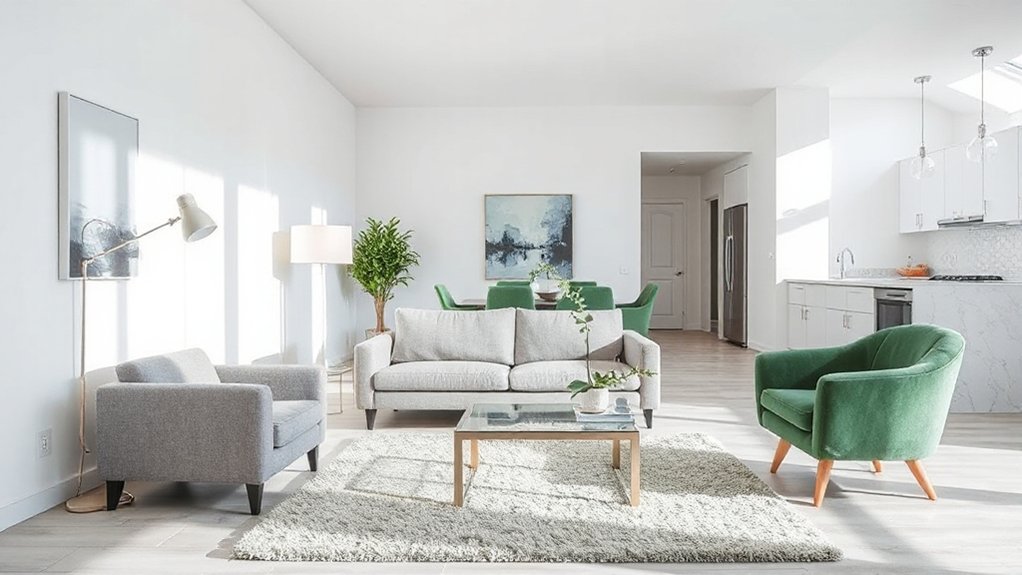
Your home’s quickest path to a sale starts with pinpointing the features buyers notice most—then prioritizing those upgrades and highlights that deliver the strongest, fastest return. You should identify which amenities buyers in a competitive market expect now, then align your upgrades to that demand.
Focus on practical, visible value: fresh paint, clean spaces, and logical layouts that reduce buyer effort. Prioritize energy efficiency upgrades that seem tangible—LED lighting, efficient appliances, and smart thermostats—without overinvesting.
Highlight features that boost daily convenience and cost savings, like Home automation options that feel premium yet accessible. Communicate measurable benefits: lower utility bills, better insulation, and predictable comfort.
In your listing, spotlight these wins to justify price without overpromising, and tour-ready improvements will translate into quicker offers.
Boost Curb Appeal on a Budget
A strong first impression starts at the curb, and you can boost it fast without breaking the bank. You’ll maximize impact with a few targeted, budget-friendly tweaks.
Tidy the approach: trim hedges, power-wash siding, and refresh welcome mats.
Install landscape lighting along walkways or entry points to extend curb visibility after dark and highlight your home’s best angles.
Swap out worn hardware and repaint a front door in a bold but tasteful color to signal cared-for space.
Add outdoor furniture on a small porch or near the entry to create a welcoming vignette that hints at lifestyle.
Use planters with seasonal blooms for instant color without committing long-term.
These steps elevate appeal, speed showing, and justify asking prices.
Price With Confidence: When to Start and How to Adjust
Pricing your home with confidence starts before the for-sale sign goes up and continues through the first open house. You’ll choose a pricing strategy that reflects current comps, demand, and your timeline.
Start early by researching recent sales, then set a realistic anchor that invites offers, not dead ends.
Monitor market timing—if inventory spikes, price strategically to stand out; if buyer activity accelerates, you can tighten the range to create urgency.
Build a plan for adjustments: commit to a rule (e.g., adjust after 14 days if showings are light), and document every change with data.
Communicate clearly with buyers about price changes and rationale.
Stay data-driven, avoid emotions, and you’ll maximize visibility while preserving value.
Stage for Move-In Readiness: Rooms That Welcome Offers
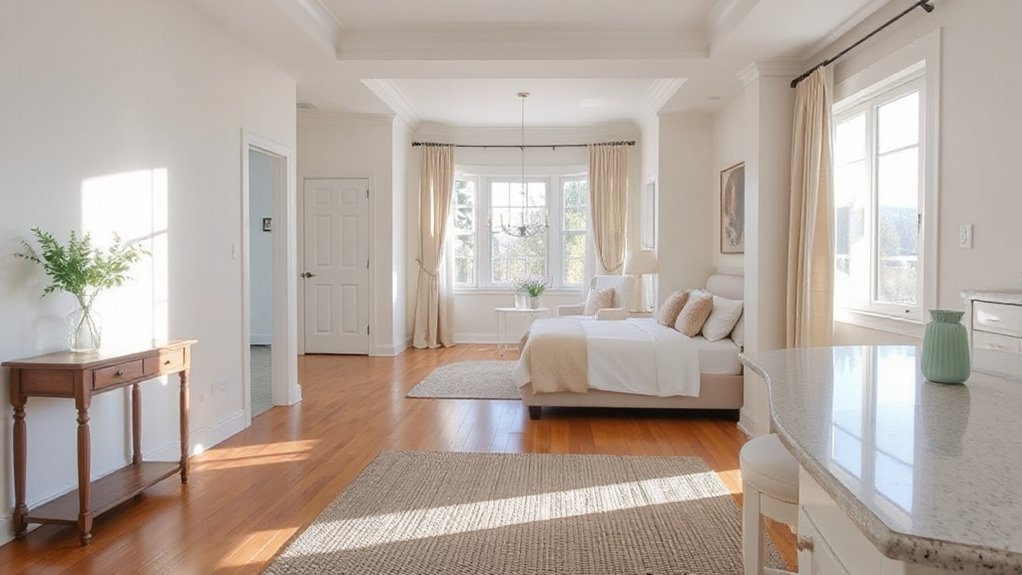
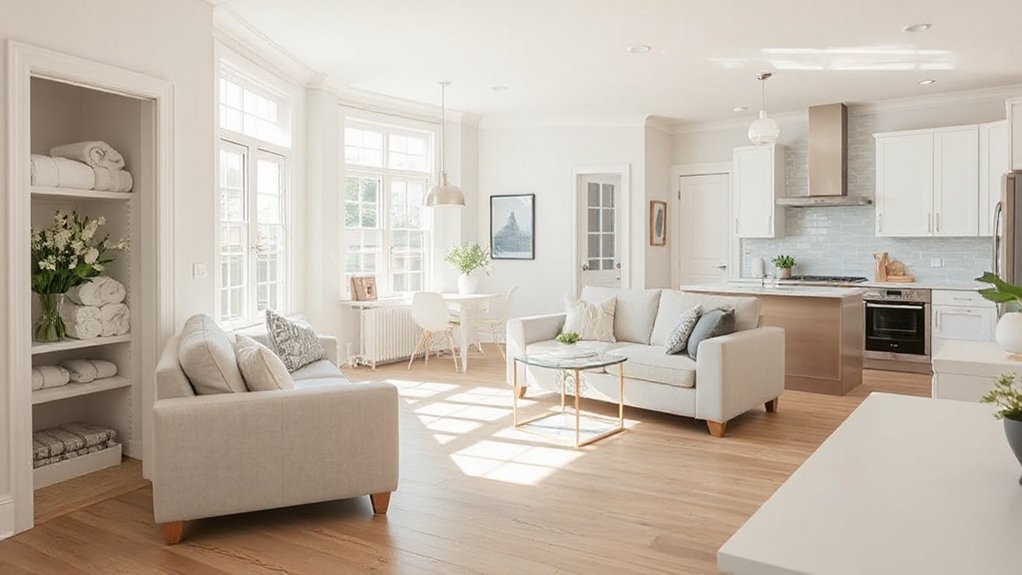
A welcoming entryway sets the tone the moment buyers arrive. Keep spaces decluttered and neutral tones everywhere to make rooms feel bigger and more inviting.
When entryways greet, clutter-free living areas win bids and speed up offers.
Welcoming Entryways Matter
Your entryway sets the first impression, so keep it clean, bright, and inviting. Buyers decide in seconds whether a home feels welcoming.
You’ll boost curb appeal by a crisp threshold, fresh paint, and a tidy floor. Immediate impact comes from outdoor lighting that highlights architectural features and guides approaching guests at dusk.
Pair this with purposeful landscaping design: defined paths, clean edges, and mulch that reads polished, not neglected.
Inside, keep the foyer uncluttered, with a single console, a mirror to amplify light, and a welcoming scent.
Use color on walls that feels modern yet timeless.
Guarantee doors open smoothly, hardware gleams, and shoes don’t crowd the space.
A purposeful entry sends a confident signal: this home is move-in ready.
Decluttered Spaces Impress
Decluttering isn’t just neatness—it’s a proven catalyst for faster offers. When spaces feel calm, buyers see potential, not clutter.
Break the goal into quick wins: remove personal items, consolidate belongings, and create negative space that guides the eye to key features.
Use strategic storage solutions to tuck away surplus items without cramping closets or cupboards, so each room reads as bigger and more functional.
Opt for clean surfaces, organized shelves, and clear pathways to improve flow.
Lighting enhancements matter too—bright, well-distributed light makes rooms feel inviting and polished, helping textures and finishes pop.
Finish with simple staging touches: a single focal point, balanced furniture, and a sense of breathability.
With decluttered spaces, offers follow more readily.
Neutral Tones Win Bids
Neutral tones lay the groundwork for move-in readiness, letting buyers envision their own styles without distraction. You’ll speed offers by choosing calm palettes—soft beiges, greys, and warm whites—that harmonize with any decor.
Neutral tones reduce buyer fatigue, guiding focus to layout, light, and finishes rather than personalities. This approach taps into color psychology: subdued hues feel safe, spacious, and inviting, increasing perceived value.
You’ll minimize alteration costs for buyers, lowering friction at the negotiating table. Pair neutral walls with strategic accents—lighting, artwork, and textiles—that echo current trends without overpowering rooms.
Maintain consistency across rooms to reinforce a cohesive flow. Ready-to-move-in, a fresh, balanced backdrop helps offers rise, while you keep control over the showing narrative and timeline.
Declutter and Depersonalize for Broad Appeal
To win broad appeal, start by decluttering before you stage and simplify surfaces so buyers can envision themselves in the space.
Then depersonalize personal items—photos and heirlooms—so the home feels neutral and inviting.
Finally, create a broad-floor flow by rearranging or trimming clutter to showcase the layout and maximize each room’s potential.
Declutter Before Staging
Because clutter distracts buyers, you should declutter before you stage to create a clean, inviting space that helps buyers picture themselves living there. You’ll maximize impact by removing excess furniture, weighing each item for function, and creating open sightlines that feel larger.
Focus on practical storage solutions that hide everyday belongings while preserving usable space. Tackle surfaces first—clear counters, desks, and tables to reduce visual noise and highlight architectural features.
Address clutter triggers like random cords, stacked magazines, and oversized decor to convey calm, intentional design. Keep essential rooms streamlined: kitchen, living areas, and primary bedrooms.
After decluttering, you’ll present a crisp backdrop that supports quick offers, while giving buyers a sense of easy, move-in living in your home.
Depersonalize Personal Items
As you declutter for broad appeal, remove personal touches that shout “me” and instead create a neutral backdrop buyers can envision themselves in. Depersonalize items by reducing personal memorabilia and minimizing family photos to clean, simple displays. Focus on showing space, light, and flow, not your life story.
Pack away trophies, awards, and mementos that distract from room purpose. Keep a few universal accents—neutral art, cohesive color, and uncluttered surfaces—to suggest possibilities rather than memories.
Remove personalized desk setups, unique collections, and family-specific branding. Replace busy patterns with solid tones and subtly varied textures.
A streamlined approach helps buyers imagine living there, accelerating offers. Finish with purposeful staging that underscores potential, not personality, so the home appeals to a broad market.
Create Broad-Cloor Appeal
Even with a plan, you’ll get more traction by dialing in broad-floor appeal: declutter and depersonalize until every room reads as a flexible space that buyers can picture themselves in. Start by removing excess furniture to create generous walkways and emphasize open sightlines. Keep surfaces clear, then strategically place a few neutral accents to hint at scale.
Use interior lighting to brighten corners and highlight architectural features, not distract from them. A cohesive color palette helps rooms appear larger and more versatile. Pair a tidy interior with landscaping enhancements outside to boost curb appeal and perceived value.
In kitchens and baths, tidy countertops sell space, not splendor. Finally, stage lightly so potential buyers see possibilities, not your personal taste.
Targeted Repairs That Move Offers Fast
Targeted repairs can dramatically speed a sale by removing unknowns for buyers. You focus on high-impact fixes that buyers notice first, so prioritize issues that raise perceived value without breaking the bank.
Address leaky faucets, chipped trim, and doors that don’t close properly, as these trigger concerns about overall maintenance. Fixing a squeaky floor or sunken grout can liberate confident offers, while correcting obvious safety hazards—handrails, loose railings, exposed wiring—reduces negotiation risk.
Consider energy-related upgrades that don’t require heroic costs, like weatherstripping and LED lighting, to signal efficiency. Integrate smart home technology features lightly, such as a programmable thermostat or smart plugs, to impression-boost without complicating life for new owners.
Targeted repairs create smoother showings, faster offers, and a cleaner appraisal path.
Monitor Feedback and Adapt to Market Signals
Listen to buyer signals and market data to guide your next moves. As offers come in, chart patterns, questions, and hesitations into actionable steps. Track market trends daily: are days on market rising, inquiries increasing, or discount expectations shifting? Use that insight to adjust pricing strategies swiftly, not sentimentally.
If feedback points to value gaps, tighten presentations, highlight updates, and recalibrate your narrative for buyers. Respond quickly to competing listings or price changes, testing small tweaks before full overhauls. Keep a running log of what resonates and what stalls.
Regularly compare your listing’s metrics with local comps, then adapt pricing, timing, and exposure. When signals change, act decisively to sustain momentum and maximize offers.
Frequently Asked Questions
How Long Does Expedited Home Sale Typically Take in a Hot Market?
In a hot market, expedited sale can take as little as a few days to a couple weeks. You should implement staging strategies and pricing tactics to attract offers quickly and maximize your closing speed and profit.
What Hidden Costs Should I Expect During a Quick Sale?
Did you know homes with pre-appraised renovations sell 8% faster? Expect renovation costs and inspection fees to bite first; budget for pest, appraisal, and closing costs too, plus contingency buffers to cover unexpected repairs and permits.
Which Neighborhoods Most Influence Fast Sale Pricing Now?
You’ll win faster in neighborhoods with strong price momentum; target areas with luxury upgrades and favorable Neighborhood trends to maximize appeal and price. Focus your upgrades accordingly, and let buyers see elite desirability driving quick offers.
How Do I Handle Multiple Offers Without Leaving Money on the Table?
You’ll outsmart buyers with sharp pricing strategies and strong negotiation tactics, maximizing value without drama. Start with a clear ceiling, present all offers confidently, counter strategically, and hold line until the best, most informed decision wins the prize.
What Is the Best Temporary Flooring Solution for Fast Staging?
You should use temporary flooring like peel-and-stick vinyl or laminate, a quick staging option that’s affordable and durable, to create clean spaces fast. This temporary flooring boosts appeal and helps you execute compelling, results-driven staging quickly.
Conclusion
You can’t force a sale, but you can tighten the odds. By embracing a clean, neutral stage, you soften tough market realities and invite confident offers. With smart updates, fresh curb appeal, and precise pricing, you’re not selling a house—you’re selling a ready-made home experience. Stay attentive to feedback, adjust quietly, and keep momentum steady. The quicker you align with buyers’ expectations, the sooner you’ll hear “sold.”