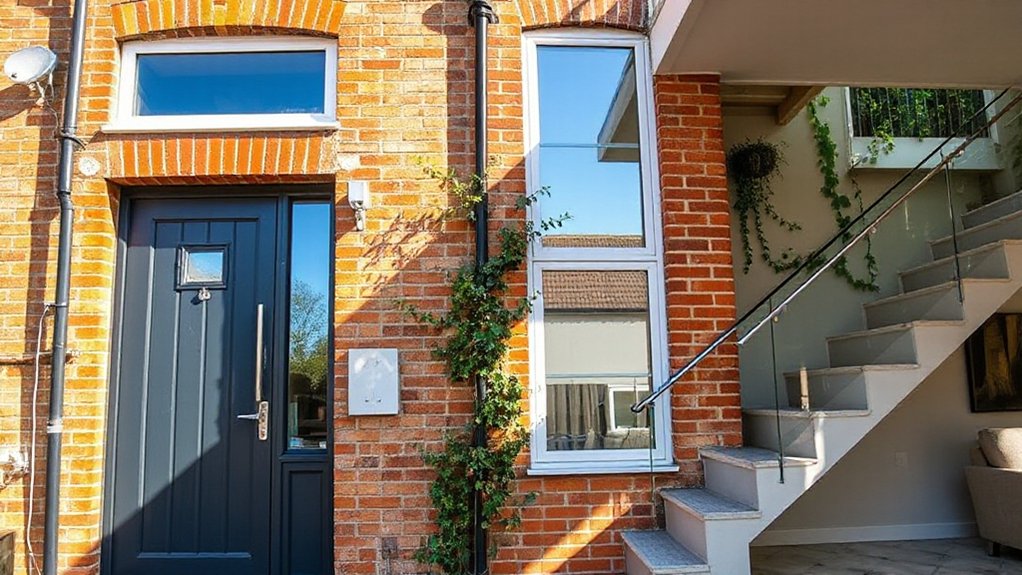
Did you know that a well-balanced terrace can add up to 20–30% value without sacrificing character? You’ll want a measured approach that respects original proportions, façade rhythm, and interior plasterwork while you improve daylight and circulation. Start by mapping constraints, then plan phased upgrades that reveal rather than erase history. If you keep the details, materials, and finishes cohesive with the era, you’ll discover how modern comfort can sit gracefully beside timeless charm—and there’s a crossroads you’ll want to explore further.
Assess Your Terraced Home’s Character and Constraints
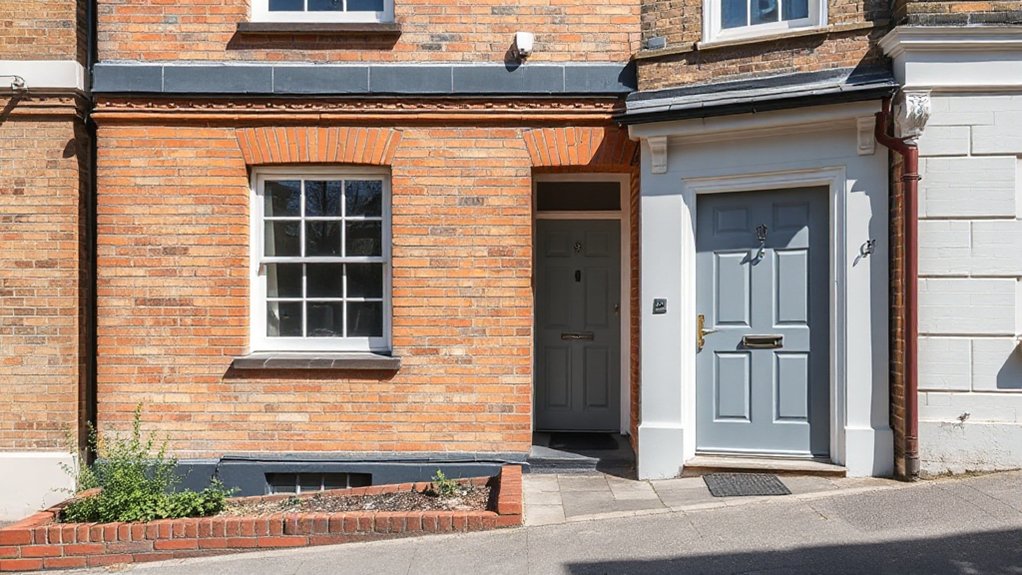
Evaluating your terraced home’s character and constraints starts with a clear inventory of what defines its identity. You map architectural harmony across the façade, rhythm of door and window openings, materials, and the alignment with neighboring houses.
You assess the interior layout for flow, ceiling heights, and stair geometry, noting where movements feel intuitive or clumsy.
You contextualize the property within its historical context, identifying era-specific features, original finishes, and any later alterations that alter proportion or style.
You gauge party-wall constraints, building regulations, and potential noise or sunlight issues that affect use.
You document heritage considerations, potential restrictions, and the acceptable scope for modernization.
This disciplined baseline informs practical, respectful choices that preserve character while enabling purposeful updates.
Maximise Natural Light Without Compromising Period Features
To maximise natural light, you should prioritise glazing and layout adjustments that respect the home’s period features.
Consider lightweight window treatments and strategic positioning to brighten rooms without obscuring cornices, architraves, or plasterwork.
This balance sets the stage for a precise discussion on how light, features, and materials interact in a terraced layout.
Maximise Natural Light
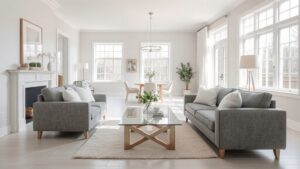
Maximising natural light in a terraced house requires careful balance: brightening spaces without eroding period features. You optimize daylight by evaluating room layout, focusing on efficient interior lighting and strategic window placement.
Start with existing window proportions; enlarge where feasible, but preserve original sash or mouldings to retain character. Use narrow light wells or skylights only if they harmonise with the facade. Choose glazing that reduces heat gain without dulling透 brightness, applying low-emissivity coatings where appropriate.
Interior lighting complements daylight, so plan layered layers—ambient, task, and accent—to extend daylight usefulness into evenings. Avoid bulky screens or opaque partitions that fragment sightlines. Consider reflective surfaces and light-coloured finishes to amplify brightness.
Finally, test light through different times of day, adjusting positioning and treatments to maintain period authenticity while enhancing usability.
Preserve Period Features
Preserve period features while boosting daylight by treating original elements as anchors rather than obstacles. You approach historic preservation with a precise eye, mapping how each feature grounds the space while welcoming light.
Assess rooms for rhythm, proportion, and material honesty before altering any detail. Retain cornices, plasterwork, and timber staircases, then optimize lighting through strategic placement of mirrors, pale finishes, and minimally invasive glazing where appropriate.
When introducing new elements, choose materials that echo the period palette to preserve interior authenticity. Consider logical zoning that respects stack effects and channeling daylight from existing fenestration, rather than overhauling the facades.
Document changes, maintain service runs discreetly, and avoid trends that erode character. Your method balances modernization with reverence, ensuring longevity and cultural continuity.
Lightweight Window Treatments
Lightweight window treatments are essential for harnessing daylight without masking period details. You’ll want options that minimize bulk while preserving architectural lines, so choose fabrics that reflect, rather than absorb, light.
Window treatments should feel almost invisible; think sheer liners or voile that diffuse without shading too much. When selecting fabric options, prioritize tight-weave, pale-toned textiles that maintain colour fidelity under varied daylight.
Avoid heavy drapes or ornate valances that compete with mouldings or cornices. Consider motorised solutions for top-down, bottom-up shades that tuck neatly into the cassette, preserving ceiling heights and sightlines.
In practice, balance functionality with proportion—pair slim profiles with understated hardware and neutral palettes. This approach delivers practical light control while maintaining the house’s character and historical rhythm.
Plan Open-Flow Ground-Floor Layouts for Everyday Living
To create an open-flow ground-floor layout that suits daily life, start by mapping how you move through the space and what activities you want to support in sequence. Identify primary zones (cooking, dining, lounging) and where vertical service cores live, then test sightlines and access to exterior spaces.
Aim for a logical, adjacent flow that minimizes backtracking while preserving room for occasional guests or family routines. Implement furniture arrangement that reinforces, not fragments, circulation—low-profile pieces and clear paths help maintain a coherent rhythm.
Address acoustic optimization early: consider ceiling heights, soft finishes, and strategic rug placement to dampen sound transfer between zones. Prioritize flexible, scale-appropriate furniture to accommodate evolving needs without compromising character or daylight.
Choose Materials That Respect the Era and Build Cohesion
Choose materials that echo the era while keeping a cohesive look across spaces. You’ll balance authenticity with modern performance, selecting textures and finishes that tie rooms together rather than clash.
This approach anchors the renovation in context, ensuring practical upgrade doesn’t override character.
Respect Era Materials
When upgrading a terraced home, start by selecting materials that reflect its original era and weave seamlessly with neighboring details. You’ll prioritize Historical accuracy, balancing authentic textures with modern performance.
Material selection becomes a test of restraint: resist fashionable fads that jar with a row of terrace houses, and instead opt for finishes that echo historic palettes, proportions, and craftsmanship. Compare brickwork, mortar, timber, and stone against period cues, ensuring joints, reveals, and profiles align with the era’s character.
Resist over-simplified modern replacements; seek respectful reinterpretations that age gracefully. Document decisions to justify choices, and verify that new elements don’t dominate or disrupt cohesion.
The aim is a coherent narrative across the façade and streetscape, where updates feel intentional, enduring, and true to the building’s lineage.
Build Cohesive Aesthetic
By selecting materials that both respect the era and reinforce the row’s visual rhythm, you create a cohesive aesthetic that reads as a deliberate, unified statement rather than a patchwork of updates.
You should assess how material choices interact with proportion, texture, and color across the terrace, ensuring consistent grain and restraint. Favor a restrained palette that echoes original fixtures, carpentry, and masonry, avoiding jarring contrasts.
Consider the landscape as a sequenced backdrop; choose paving, boundary treatments, and plantings that complement, not compete with, the stone or brick.
Furnishing styles should mirror the architectural tempo, while landscaping options reinforce rhythm through repetition and scale.
This approach yields coherence, readability, and a sense of crafted continuity throughout the home.
Integrate Discreet Modern Tech, Not Showy Gadgets
Integrating discreet modern tech isn’t about flashing features; it’s about enhancing daily use without altering the home’s character. You prioritize function over showmanship, embedding systems that respect fabric and sightlines.
In a terraced layout, plan for zoning that supports comfort without audible or visual intrusion. Smart thermostats align with this approach by learning routines and adjusting temperature privately, reducing energy waste without dominating wall space.
Hidden speakers blend into crown moldings, alcoves, or cabinetry, delivering sound without conspicuous hubs or grills. Cable routes should be hidden or surface-mounted in inconspicuous channels, preserving original trims.
Prioritize appliances and controls with tactile simplicity, intuitive interfaces, and robust reliability, so updates feel seamless rather than invasive. The goal is coherent tech that disappears, leaving rooms unchanged yet subtly improved.
Restore or Recreate Foundational Details With Care
You restore or recreate foundational details with care by evaluating what defines the house’s original feel and methodically preserving or accurately reproducing those elements.
You approach restoration with restraint, prioritising historical accuracy and structural integrity over flashy updates. Begin by documenting original layouts, material choices, and heirloom profiles, then assess which components warrant faithful replication and which can be modernised without erasing character.
Preserve timber joints, plank widths, plaster finishes, and mouldings where possible, and reproduce only where deterioration prevents reuse. Guarantee new work complements, rather than competes with, historic cues—avoiding abrupt contrasts.
Verify structural systems align with era-specific construction methods, updating conservatively for safety. Throughout, maintain transparent records to guide future maintenance and protect the house’s authentic voice.
Budget Strategically: Progressive Renovation for Character
Budget strategically: progressive renovation for character means planning upgrades in incremental, well-justified steps that maximize impact while preserving the home’s essence. You approach changes as a sequence, not a single leap, aligning each decision with the property’s rhythm and constraints.
Start with a clear budget framework: identify essentials, then allocate contingency for unforeseen issues.
Emphasize high-leverage upgrades—systems, insulation, and structural fixes—that enable longer-term improvements without eroding character.
Develop a renovation timeline that staggers tasks to minimize disruption and cost spikes, preserving living comfort throughout.
Track costs and milestones transparently, updating priorities as discoveries emerge.
Document trade-offs between aesthetics and function, ensuring materials echo traditional details where feasible.
This disciplined method supports sustainable value, reduces rework, and clarifies where to invest next—without compromising the home’s authentic feel.
Use Colour, Texture, and Details to Enhance, Not Compete
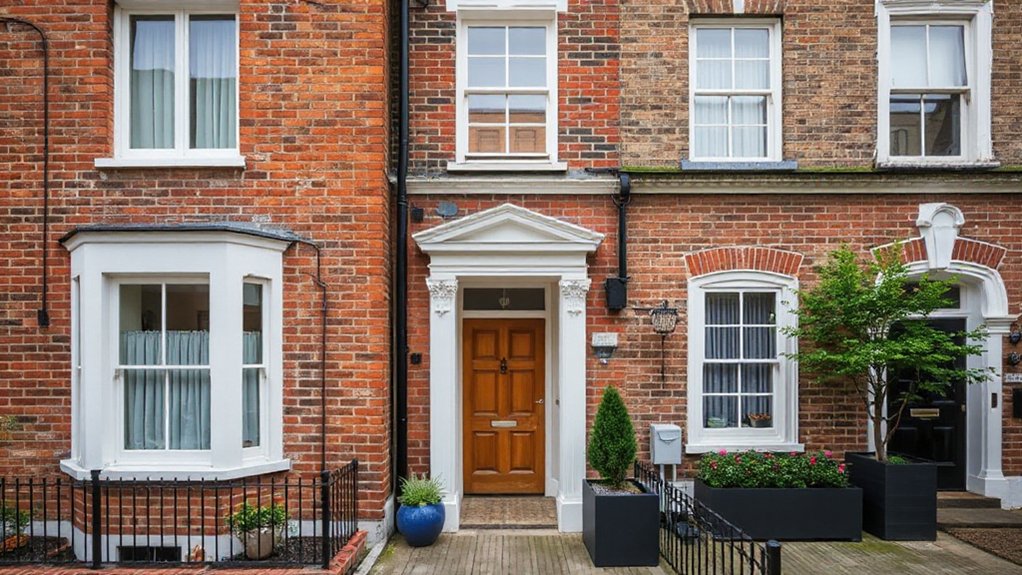
Color, texture, and detail should support the house’s character rather than shout over it. You approach colour as a contextual tool, aligning hues with architectural rhythms and historical palette.
Color psychology informs your choices: subtler tones can temper brightness, while accents highlight preserved features without dominating them. You’ll employ texture layering to add tactility without clutter, pairing smooth finishes with restrained, natural textures that echo the era.
Details matter: door linings, skirting, and mouldings should read as a cohesive sequence, not as isolated statements. You evaluate throughout, ensuring contrasts emphasize form rather than novelty.
In practice, test swatches beside existing material samples, observe light shifts, and refine accordingly. The aim is a balanced, cohesive upgrade that respects heritage while reading as contemporary.
Outdoor Extensions and Boundary Treatments That Preserve the Street Scene
Outdoor extensions should extend the footprint without crowding the street’s rhythm, using scale, materials, and boundary treatments that read as an extension of the house rather than a separate addition. You balance form and function by aligning new surfaces with existing streetscape rhythms, avoiding overpowering footprints, and selecting materials that weather similarly.
Context matters: choose fencing materials and enclosure styles that echo neighborly precedents while providing practical boundaries. Garden privacy should be achieved without visually isolating the home; consider permeable screens, trellis work, or low walls that filter views yet maintain openness.
Boundary treatments must demarcate private space without erasing public continuity. Assess sightlines, step-downs, and proportion to preserve the terrace’s cadence, ensuring extensions enhance character rather than disrupt it.
Frequently Asked Questions
How Can I Keep Original Ceiling Heights When Renovating?
To preserve ceiling heights, you should map structural constraints early and plan around existing plasterwork. Prioritize ceiling preservation by avoiding lowered soffits, using slim lighting, and incorporating historical accuracy in materials while maintaining room proportions and airflow.
What Insulation Improves Comfort Without Erasing Period Charm?
You may reduce heat loss by up to 40% with modern insulation, boosting comfort without compromising period charm. You bias for breathable, non-intrusive materials, preserving character while improving warmth, soundproofing, and energy efficiency in your terraced home.
Which Period-Appropriate Fixtures Best Suit a Modern Family Home?
You should choose period-appropriate options like vintage lighting and traditional fixtures that suit a modern family home, balancing historical character with practicality, durability, and energy efficiency, so your spaces feel cohesive, functional, and respectfully timeless.
How Do I Assess Party Wall Implications Before Work Starts?
You should identify Party wall procedures early,Notify neighbours, and engage a surveyor to protect your interests. Assess Boundary considerations, document shared structures, and confirm costs, notice timings, and mediation steps before work starts to avoid disputes.
What Planning Permissions Are Typically Needed for Terraced Upgrades?
You’ll typically need planning permission for major upgrades, extensions, or alterations that affect appearance; check local policies. Like garden landscaping, guarantee energy efficiency goals align, documenting designs and restrictions, while you assess implications for party walls and neighbors.
Conclusion
Concluding, you can modernize a terraced house without erasing its character by balancing new with old—careful materials, respectful proportions, and restrained tech. An interesting stat: homes that preserve period features see a 12–18% faster resale premium than fully modernized counterparts. Focus on light, cohesion, and phased improvements to maintain streetscape harmony while upgrades progress. Keep historic details intact, reuse original plasterwork, and install discreet lighting and energy-efficient systems to support modern living without compromising charm.