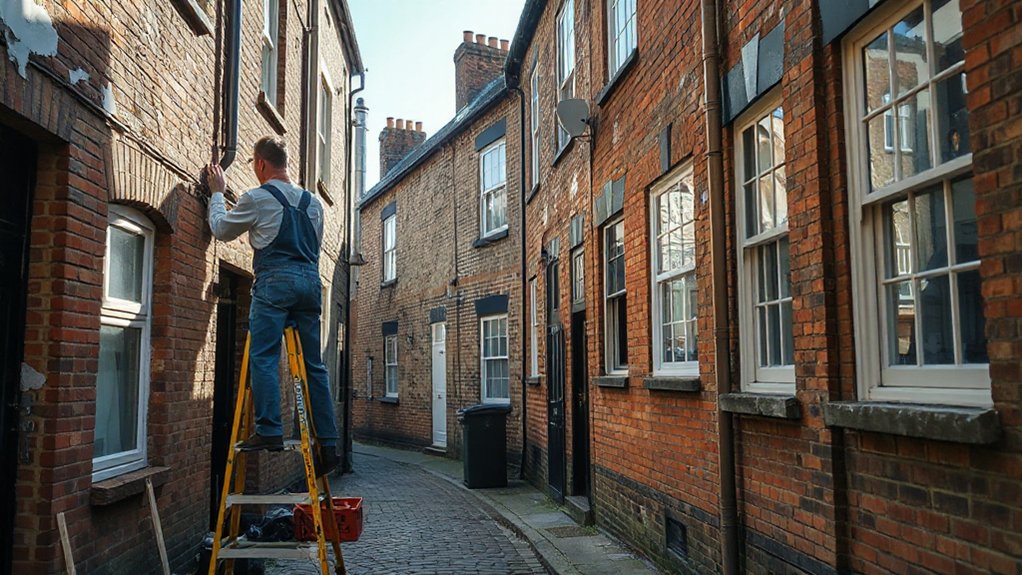
You might not realize how a small crack in plaster or a tiny draught can conceal bigger damp and historic damage in an old terrace. You’ll balance preservation with practicality as you assess moisture, render, and timbers, then plan upgrades that respect original fabric. There’s a careful sequence to follow, and a few smart fixes can buy you time—but you’ll want a clear path for what to tackle first and what to leave to a pro. Let’s start.
Diagnosing Damp and Drafts in Older Terraces
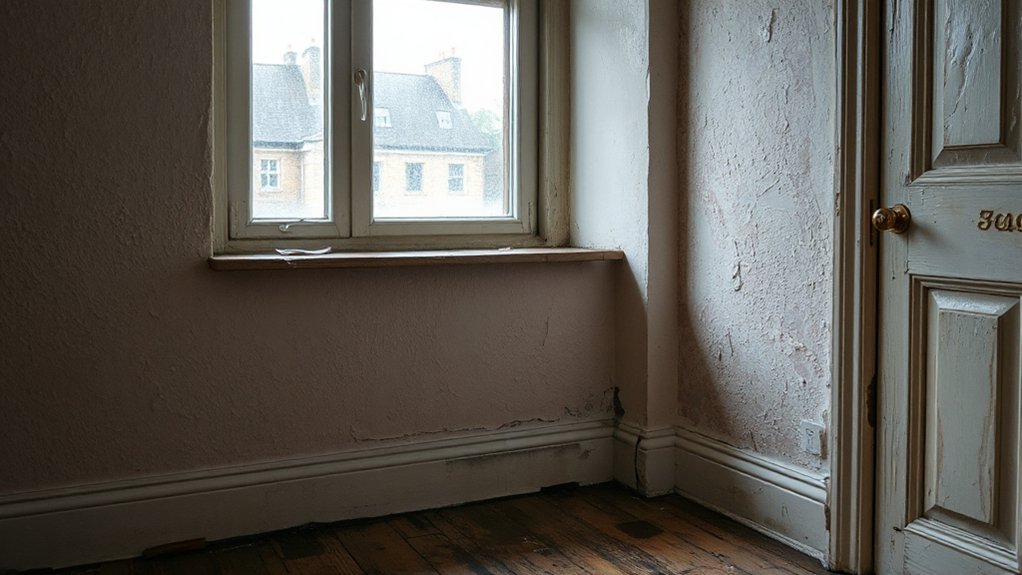
Damp and drafts in older terraced homes aren’t simply nuisances; they’re signals that the building envelope isn’t performing as it should. You assess symptoms carefully, noting persistent damp patches, musty odors, peeling wallpaper, and cold spots.
Narrow measurements guide you: humidity spikes, condensation on windows, and drafts at thresholds or chimneys. When you trace sources, you distinguish between exterior failures—cracked render, failed mortar joints, missing or damaged damp-proof courses—and interior routes, like ineffective seals around doors and single-glazed sashes.
You prioritize historic preservation, documenting original features before alterations. You evaluate insulation materials and their compatibility with era construction, choosing non-invasive methods that respect fabric.
Your goal is accurate diagnosis, enabling targeted repairs that improve comfort while preserving character.
Quick Wins: Insulation and Airflow for a Warmer Terrace
To boost warmth in a terraced house without compromising its character, start with simple insulation and airflow tweaks that respect historic fabric. You’ll benefit from focusing on gaps around doors and windows, then consider modest loft and pipe insulation to minimize heat loss without altering external lines.
Maintain control over airflow by using programmable vents and targeted trickle vents in rooms that feel drafty, rather than overhauling entire systems. Prioritize sealed but breathable measures—breathable membranes behind historic cladding, and mineral wool in attic spaces—to preserve historical features while improving comfort.
For interior decor, keep finishes sympathetic to the period, avoiding heavy overburden. These quick wins support a warmer home while honoring preservation ethics and the building’s quiet, timeless character.
Repairing Plaster and Walls With Minimal Mess
Repairing plaster and walls with minimal mess starts by planning the work around existing fabric rather than overhauling it. You assess surface condition, then choose targeted repairs that preserve original plaster where possible.
Light touch-ups use appropriate fillers and compatible binders to avoid sheen or cracking. When doors or cornices are involved, protect delicate edges with rigid shields rather than masking tape alone.
Maintain ventilation and dust control, employing a vacuum sander and low-dust methods to keep rooms habitable. Restore with sensitivity to decorative wall finishes, matching textures and gloss levels to the surrounding fabric.
For ceilings and arches, respect structural plaster layers and use compatible historical plaster techniques to ensure longevity, avoiding over-plastering that obscures character and details.
Conclude with gentle curing and thorough cleaning.
Budget Plumbing Upgrades: Replacing Fittings and Pipes
When you upgrade fittings and pipes, start by weighing pipe material options for durability, compatibility with existing pinning, and space constraints. Consider the long-term maintenance needs as well.
Next, follow a clear fittings replacement guide to minimize disruption and preserve as much of the original work as possible.
With budget-friendly install tips, you can balance reliability, cost, and the character of your older terraced home.
Pipe Material Options
Choosing pipe materials for budget upgrades in older terraced homes requires a balance of reliability, cost, and compatibility with existing systems; consequently, you’ll want options that install easily, last, and minimize disruption.
You’ll consider copper for durability, PEX for flexible runs, and multi-layer composites for moderate price with good sealing. Steel or cast iron still serving legacy stacks may be retained where feasible; if replacement is needed, opt for corrosion-resistant variants.
Confirm compatibility with existing fittings and wall cavities to reduce wall disturbance. Prioritize materials with proven reliability in tight spaces and careful soldering or crimping protocols.
In this work, you’ll protect historical architecture and pursue aesthetic restoration, selecting unobtrusive finishes and discreet routes that respect the home’s character and long‑term value.
Fittings Replacement Guide
Because fittings failure often drives disruptive repairs, start with a measured plan: identify current fittings, confirm sizes, and assess compatibility with your chosen pipe materials before buying anything. You’ll prioritize accuracy over haste, noting historic preservation goals as you select replacements.
Measure existing threads, nut sizes, and valve types, then verify that new fittings match both pressure ratings and local codes. Choose corrosion-resistant materials suitable for your climate, yet mindful of thickness and fit to conserve wall space in tight terraced layouts.
When possible, favor discreet, aesthetic upgrades that blend with original features while improving reliability. Document every change for future maintenance, label shutoffs, and store extra components for quick future repairs.
Keep costs predictable by pairing essential fittings with essential piping, avoiding unnecessary upgrades.
Budget-Friendly Install Tips
Budget-friendly upgrades start with smart planning: map out what you already have, prioritize fittings and pipes by necessity, and pick materials that balance cost, durability, and compatibility with older terraced layouts.
You approach replacements with care, choosing modest, compatible fixtures to minimize invasive work. Opt for corrosion-resistant metals or compatible plastics where appropriate, and guarantee shutoff access is preserved for future maintenance.
When possible, reuse existing pipe routes to reduce disruption and preserve historic charm. Prioritize energy efficiency by selecting tight-sealing fittings and low-flow options where feasible, which also lowers long-term utility costs.
Document changes for historic preservation records, and communicate with neighbors if shared walls are involved.
Precision in sizing and alignment helps avoid leaks and preserves the property’s long-term integrity.
Seal Drafts: Windows and Doors That Actually Work
Sealing drafts in older terraced homes starts with honest assessment: identify where heat escapes through windows and doors, then tackle the biggest leaks first. You’ll inspect frames, weathertightness, and seals with a critical eye, prioritizing areas that directly affect comfort and energy use.
Start with exterior doors and obvious sash gaps, then consider secondary windows that stay partly shut. Choose effective but reversible measures that respect preservation aims: adjustable draft excluders, weatherstripping, and properly fitted storm or secondary glazing.
Window treatments can reduce heat loss without altering historic fabric, while maintaining natural light and ventilation. For doors, guarantee hardware operates smoothly and that seals remain intact to support door security.
Document changes for future maintenance, and preserve the original character whenever possible.
Flooring Fixes for Squeaks, Gaps, and Moisture Control
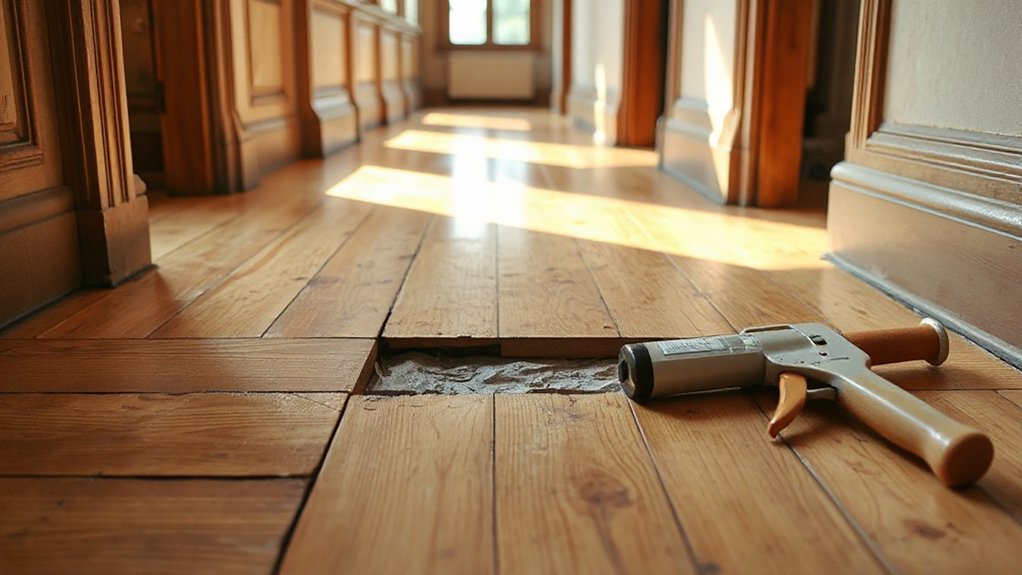
Flooring fixes start with a careful assessment of how the boards sit, where gaps invite drafts, and how moisture travels through the subfloor. You identify squeaks, detect loose planks, and note any seasonal movement that hints at underlying framing issues.
For wood flooring, start with gentle re-seating of boards and adding minimal fasteners where needed. Then address gaps with matching wood filler or shims that preserve color and grain. If moisture signs appear, focus first on subfloor drying methods and a precise seal around edging before expanding to surface remedies.
For tile installation, guarantee subfloor flatness and proper underlayment to prevent future movement. Prioritize long-term stability, using quality fasteners, dust-free joints, and careful progression to adjacent rooms.
Maintain caution, cleanliness, and respect for original structure.
Moisture Management: Ventilation, Condensation, and Barriers
To manage moisture effectively, you’ll implement practical ventilation strategies that reduce humidity without compromising historic fabric.
Consider targeted airflow, exhaust options, and gradual improvements that respect the building’s structure while preventing condensation.
Ventilation Strategies For Moisture
Ventilation is essential for controlling moisture in older terraced homes, where limited openings and thermal bridging can trap humidity. You should prioritize a balanced approach that respects historic fabric while improving air exchange.
Use smart, low-impact strategies: mechanical ventilation with heat recovery where feasible, and intermittent boost for kitchens and bathrooms. Guarantee vents are correctly positioned to avoid drawing in damp air from basements or stairs, and seal unintended air paths without compromising breathable barriers.
Regularly inspect ventilation passages for blockages and maintain gentle, continuous airflow to support indoor air quality and humidity control. Favor controllable systems over constant fans in fragile walls, and document changes to preserve value and performance.
Monitor humidity levels and adjust pacing to sustain a stable, healthy dwelling environment.
Condensation Prevention Tactics
Condensation is best managed by a targeted mix of ventilation, moisture control, and robust barriers that respect historic fabric. You regulate moisture sources by cooking and laundry practices, reducing overnight humidity, and using extractor fans with timers.
Prioritize continuous, discreet ventilation: interstitial gaps, trickle vents, and well-sealed sash when windows aren’t in use, so air moves without drafts.
Install breathable membranes and appropriate damp-proofing that won’t harm historic materials, re-point where needed, and maintain wall cavities to avoid condensation pockets.
Manage exterior landscaping to shed water away from walls, preserving foundations and preventing damp transfer.
Regular surveys track changes, guiding barrier upgrades that preserve character. Historical preservation considerations guide every choice, ensuring originality remains intact while performance improves.
Safety and Preservation: DIY Limits and When to Call a Pro
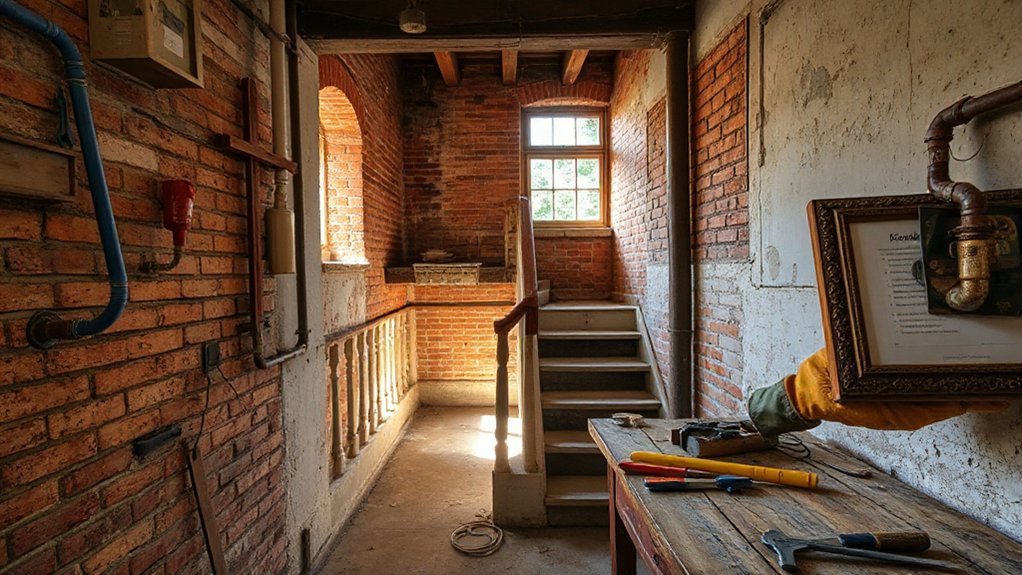
In older terraced homes, you should know your DIY limits before you start. You need to balance practical fixes with historical preservation ethics, and recognize when to step back.
Before tackling anything mechanical or structural, review safety regulations and permit requirements to avoid later liabilities. If a task involves fire safety, electrical work, or potential structural compromise, stop and consult a licensed professional.
DIY can save money, but it can also mask underlying issues that professionals spot more reliably. When choosing methods, favor non-invasive approaches that respect original materials and fabric.
Document changes for future restorations and maintain the building’s character. In practice, know your limits, plan thoroughly, and call a pro when risks or complexity exceed your confidence.
Prioritize safety, preservation, and compliance.
Maintenance Routine to Keep an Older Terrace Comfortable Long-Term
Maintaining comfort in an older terrace requires a practical, methodical routine that respects the building’s fabric while addressing evolving conditions. You establish a seasonal cadence: inspect roofs and gutters, test insulation gaps, check damp proofing, and verify chimney safety. Document findings, budget repairs, and prioritize interventions that guard historical preservation while improving daily living.
Daily habits matter too—ventilate, regulate humidity, and seal drafts before heating or cooling. When decorating, choose interior decoration strategies that honor period features and avoid overfitting modern systems. Maintain reproducible records of materials, dates, and workmanship to aid future preservation decisions.
Schedule professional assessments for structural bearings and brickwork at regular intervals, and align improvements with conservation guidelines. Use trusted, compatible materials to ensure long‑term stability, aesthetics, and comfort.
Frequently Asked Questions
How Do I Identify Rising Damp Without Expensive Tests?
You can spot rising damp by noticing wall discoloration and musty odors, plus damp patches near floors; check for mold growth on plaster, paint, or wallpaper, and feel dampness with a bare hand to confirm high humidity.
Can I Insulate Without Compromising Historic Brickwork?
With care, you can insulate without harming historic brickwork. You preserve the façade while applying modern insulation techniques, avoiding invasive methods. Historic preservation guides your choice, ensuring drafts vanish without compromising character, and you retain the building’s timeless integrity.
What Are Safe Plaster Repair Methods for Lath-And-Plaster Walls?
You should keep plaster repairs gentle: use breathable materials, minimize removal, and avoid damaging lath. If replacement is needed, opt for plaster reapplication on intact lath, and plan careful lath removal to preserve historic structure and finish.
How Can I Stop Damp While Renovating on a Budget?
You minimize damp on a budget by sealing thermal bridging with adequate moisture barriers, then prioritizing ventilation. Inspect for gaps, use breathable yet barriered materials, and add low-cost dehumidifiers temporarily while you preserve historic fabric and avoid moisture traps.
Which DIY Checks Indicate a Professional Survey Is Needed?
Start with a wary pause: if you notice cracking, shifting, or damp, you should seek a professional survey. Foundation inspection and roof integrity anomalies demand expert eyes before you proceed, preserving structure and safety for future occupants.
Conclusion
You’ve set a steady course to protect your historic terrace, balancing comfort with preservation. By diagnosing damp, sealing drafts, and treating walls with sympathetic materials, you’ll extend its life without erasing character. Keep a regular maintenance routine and know when to call a pro for tricky issues. Think of your home as a trusted archive: every prudent fix makes the building stronger, like a well-tuned clockwork that keeps time—quiet, reliable, and true.