
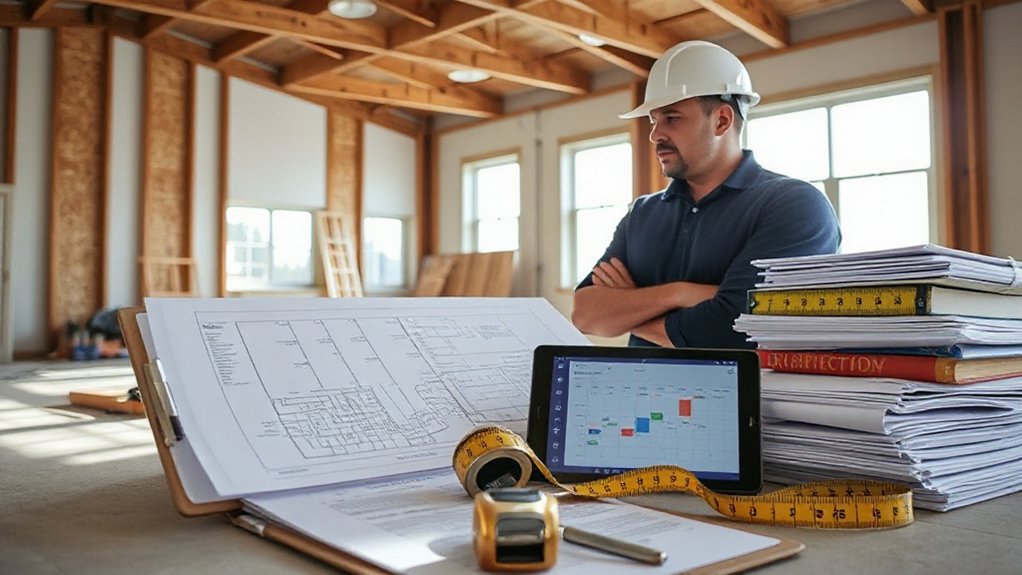
You stand at the edge of a quiet, unfinished room, tools waiting like promises. To pick a reliable builder for your home renovation, start by defining your goals and budget, then verify licenses, insurance, and credentials to guarantee safety and legitimacy. Check their track record, ask pointed questions, and watch for red flags. Finally, insist on a clear contract with detailed estimates, milestones, and warranties to protect your investment—and the next step will feel essential.
Define Your Renovation Goals and Budget
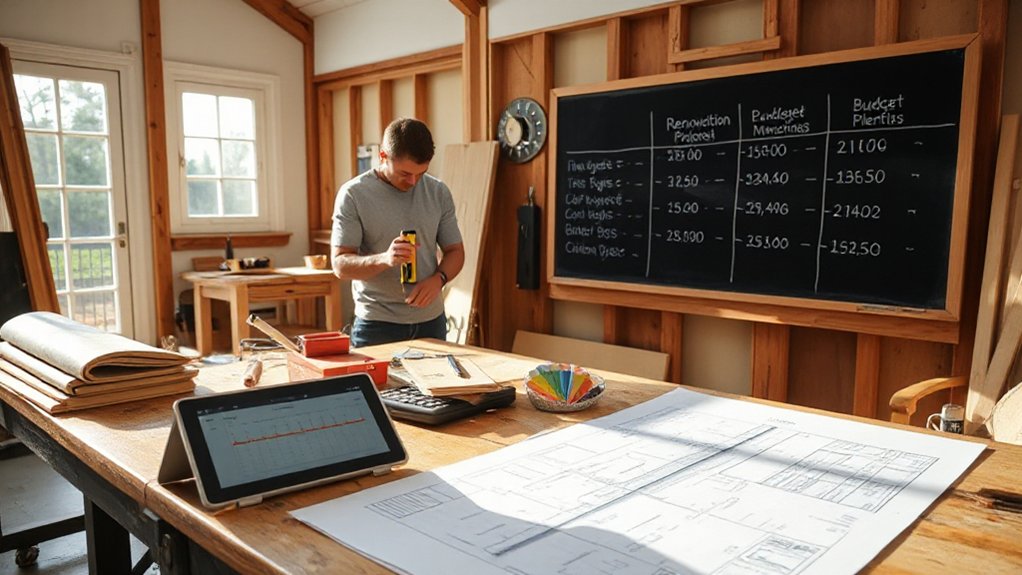
Setting clear renovation goals and a realistic budget is the first step toward a successful project. You define what’s most important, from spaces to timelines, then align expectations with reality.
Begin by outlining your renovation goals in concrete terms: room count, square footage, and functional priorities. Next, establish a budget that covers design, permits, contingencies, and labor. Decide on deadlines and acceptable compromises if costs rise.
Consider your design preferences early, so you don’t chase styles that aren’t feasible. For material selection, list non-negotiables (durability, finish quality, maintenance) and identify cost tiers you’re comfortable with.
Track each choice against the budget, adjusting scope before bids arrive. This clarity helps you compare builders objectively and prevents scope creep during construction.
Verify Licenses, Insurance, and Credentials
Before you hire, verify that the builder’s licenses, insurance, and credentials are valid and up to date. Start by checking professional licenses with the appropriate state or local authority, and confirm active status.
Ask for proof of insurance coverage, including general liability and workers’ compensation, and verify the insurer directly if possible. Request a certificate of insurance and confirm the policy limits meet project scope.
Look for registrations with trade associations or certification programs relevant to your renovation.
Ascertain the contractor can show current building permits tied to your project, and confirm the permit is in their name or that you’re listed as an insured, authorized party.
Finally, review any past licenses, penalties, or suspensions carefully before proceeding.
Evaluate Builders’ Track Record and Quality
To evaluate a builder’s track record and quality, start by reviewing recent projects similar in scope to yours and verify they were completed on time, within budget, and to code.
Look for consistency across projects, not just standout examples, and confirm client satisfaction through references.
Check construction timelines against original schedules, noting any delays and how they were handled.
Assess material quality by asking for product lists, warranties, and substitution policies, ensuring standards meet your expectations.
Review completed work for finishes, adherence to plans, and responsiveness to change orders.
Examine safety records and incident history, which reflect discipline and risk management.
Finally, compare price-to-value, weighing longer-term durability against upfront costs to determine overall reliability.
Ask the Right Questions and Spot Red Flags
As you vet builders, asking the right questions and spotting red flags saves time and money. You’ll want clear answers on project scope, timeline, and cost controls—so ask for a detailed work plan and milestones.
Look for consistency in Cost estimation methods, whether they use unit pricing, allowances, or contingency buffers. Probe communication skills: do they respond promptly, listen carefully, and document decisions?
Red flags include vague durations, vague costs, or pressure to sign before you’ve reviewed details. Seek references that confirm reliability in scheduling and workmanship.
Reputable builders provide written warranties, acceptable permits, and a transparent change-order process. If a contractor hesitates to share credentials or hides subcontractor arrangements, walk away.
Trust your instincts and compare notes across several candidates.
Nail Down the Contract With Clear, Detailed Estimates

Getting the contract right starts with clear, detailed estimates that spell out every cost and contingency. You’ll want a line-by-line breakdown for each work item, including materials, labor, permits, and “unknowns” with a realistic contingency. Use this to compare bids fairly and avoid scope creep later.
Confirm the estimate links to your project milestones and payment schedule, so you’re not paying for work you didn’t approve. Include material selection choices and approved substitutes, with price implications, so design decisions stay aligned with budget.
Seek clarity on design flexibility—what changes are allowed, at what cost, and how price adjustments are handled. A solid contract protects both sides and keeps the renovation on track.
Frequently Asked Questions
How Do I Compare Builder Warranties Across Projects?
To compare warranties across projects, review each contract’s duration, covered items, exclusions, transferability, and service response times. Compare warranty coverage across builders and weigh builder reputation, past claim handling, and customer satisfaction before deciding.
What’s the Typical Project Timeline and Milestones?
A typical project runs 3–6 months, with milestones like design finalization, permitting, framing, inspections, and finish work; budget contingencies and design flexibility shape timing. You should track progress weekly and confirm allowances, changes, and approvals.
How Are Change Orders Handled and Priced?
You’ll follow the change order process as changes arise, and pricing adjustments reflect scope shifts. You’ll document requests promptly, justify costs, obtain approvals, and track them against the original budget to avoid surprises. This keeps projects transparent and on track.
Can References Validate Workmanship Under Trade Supply Delays?
Yes, references can validate workmanship even with trade delays. Check for documented materials sourcing and subcontractor reliability, verify past project outcomes, and confirm you’ll receive timely updates and clear change-order impacts during supply disruptions.
What Payment Schedule Protects Both Parties?
A payment schedule that protects both parties includes milestone payments tied to clearly defined work stages, with holdbacks for unfinished items. Verify contractor licensing and insurance coverage, require receipts, and document approvals before each payment to minimize risk and disputes.
Conclusion
You’ve done the hard work already—you defined goals, set a sane budget, and checked credentials. Now, trust your due diligence to steer you like a compass through the project’s storm. With a rock-solid contract, transparent estimates, and clear milestones, you’ll turn plans into progress, not paralysis. Stay vigilant, demand updates, and don’t settle for less than promised. When the builder proves trustworthy and you see steady momentum, your home’s transformation will feel like sunlight breaking through a cloudy sky.