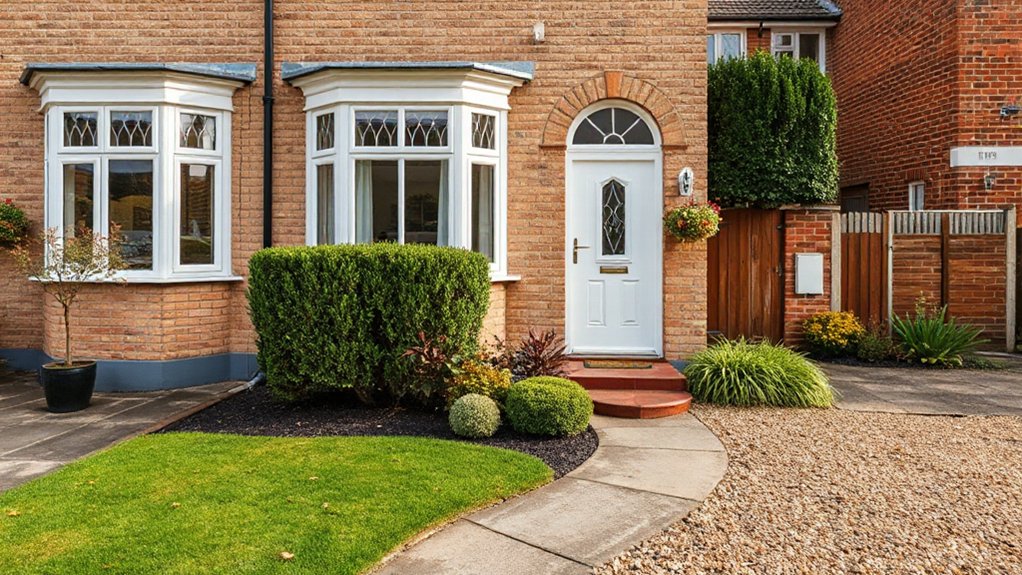
You might think kerb appeal isn’t worth the effort, but even small changes can transform a semi‑detached feel without a big outlay. Start with a cohesive color plan and tidy details, then aim for steady improvements: a welcoming door, clean numbers, smart lighting, and neat borders. The trick is coordinating boundaries, plantings, and paths so they read as one inviting approach. Ready to map a practical, neighbor‑friendly refresh that lasts year‑round?
Define Your Curb-Appeal Goal for a Semi-Detached Home
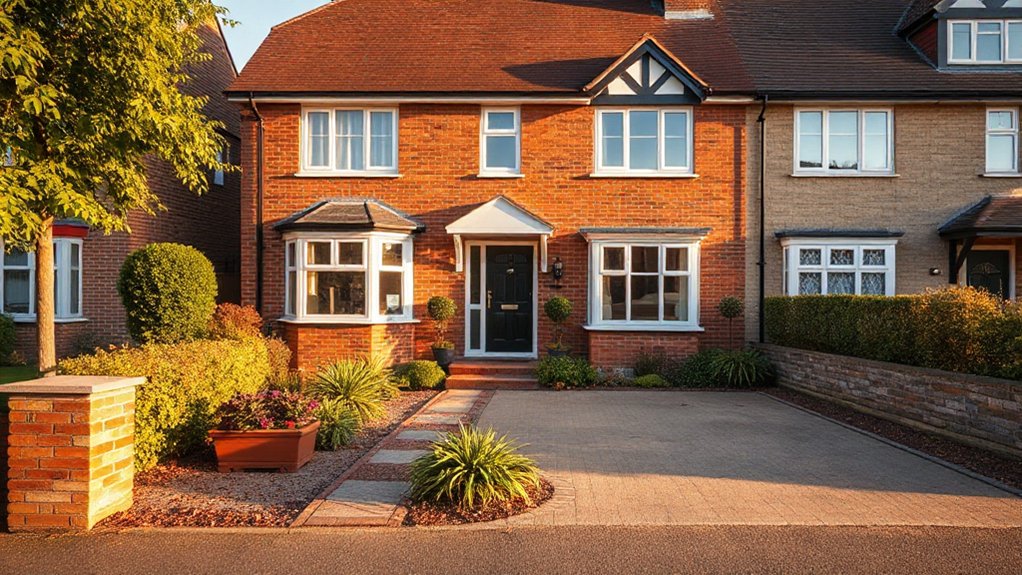
To define your curb-appeal goal for a semi-detached home, start with a clear picture of where you want to end up and why it matters. Visualize the street-scape you’d love to walk past daily, then translate that into concrete aims: a cohesive look, durable materials, and a visitor-friendly feel.
Identify three priorities—function, style, and maintenance—that will guide your choices. Consider how Garden décor can set the mood without clutter, and how Fence design frames the house while offering privacy.
Map the path from sidewalk to door, noting color schemes, textures, and scale that harmonize with your neighbor’s façade. Finally, pin a realistic budget and a timeline to keep you focused and accountable.
Assess the Shared Boundary and Neighborly Etiquette
You’ll want to map the shared boundary and set clear expectations with your neighbor from the start.
Consider practical boundary maintenance tips, like marking lines, agreeing on yard care duties, and scheduling lawn work to minimize disruption.
Establish neighborly etiquette essentials early on so you both feel respected and comfortable maintaining curb appeal.
Shared Boundary Considerations
Evaluating the shared boundary starts with a clear, neighborly check: both sides share a line that can affect fence placement, drainage, and privacy. You’ll map the boundary, note existing markers, and confirm any shared drainage paths or service runs.
Check local rules on setback distances and permitted fence heights, so you don’t overstep rights or invite disputes.
When you assess boundary fencing, consider materials, durability, and maintenance responsibilities for each side, avoiding unilateral changes that could surprise your neighbor.
Document agreements in writing, even simple sketches, to prevent miscommunications.
Look for opportunities to enhance curb appeal without compromising access or sunlight, such as a low, continuous hedge or a neat gate that invites entry.
Prioritize clarity, fairness, and practical, long‑term upkeep.
Neighborly Etiquette Essentials
Establishing good boundary practices starts with a straightforward, neighbor-minded approach: before you lift a fence or change drainage, talk through your plans, share sketches, and listen to any concerns. You’ll set the tone by inviting input and outlining practical steps to avoid surprises.
When you discuss garden decor, keep scale and sightlines in mind so seasonal displays don’t overwhelm the shared space or block access. For window treatments, coordinate heights, colors, and privacy needs to minimize visual friction and respect the other halves of the house.
Document agreements in simple notes, review them briefly, and revise if plans change. Practically, you’ll maintain trust by prompt communication, tidy work sites, and considerate timing that minimizes disruption to your neighbor’s routines.
Boundary Maintenance Tips
Evaluating the shared boundary sets the tone for ongoing harmony. Start by visually inspecting the entire length at ground level, noting any gaps, leaning posts, or rotted panels. You’re aiming for a solid, clean line that doesn’t encroach on your neighbour’s space or their view.
If you spot damage, approach with a practical plan: document issues, then discuss solutions calmly with your adjacent homeowner. Fence repair, where needed, should use durable materials matching the existing style to preserve kerb appeal.
Consider practical additions, like discreet garden lighting along the boundary to deter tripping hazards and enhance evenings without glare. Maintain low hedges or edge borders to keep sightlines open, promoting neighbourly etiquette and a tidy, cohesive street presence.
Plan a Cohesive Exterior Refresh: Paint, Doors, and Trim
A cohesive exterior refresh starts with a unified color plan that ties the brick, siding, and roofline together, so pick a palette that works with your neighboring homes while reflecting your style. Start with Exterior color schemes that feel timeless rather than trendy, then test chips on a small area to see how they look at different times of day.
Choose doors that echo architectural accents—perhaps a bold front door with muted trim or vice versa—to create focal points without clutter. Repaint trim in a complementary shade to sharpen lines and emphasize details.
When selecting paint, prioritize durability and low maintenance. Finally, guarantee hardware and doorframes are consistent across entrances for a streamlined, cohesive appearance that boosts curb appeal.
Illuminate Smartly: Lighting for Safety and Nighttime Charm
Smart lighting guides visitors safely along your path and highlights key architectural details, so start with even, low-glow pathway lights that lead to the door.
Balance safety lighting with warm, inviting accents—think motion-activated porch lamps and step lights that illuminate without glare.
Consider a cohesive plan that covers Pathway Lighting Basics, Safety Lighting Principles, and Nighttime Curb Appeal to extend your home’s charm after dark.
Pathway Lighting Basics
Pathway lighting isn’t just about looks; it guides you safely from the driveway to the front door after dark. To start, pick a consistent color temperature—warm whites feel welcoming, while cooler tones aid visibility.
Install low-level path lamps at regular intervals to create even illumination without glare. Use shielded fixtures to prevent light spillage onto neighbors’ homes and skyglow. Place fixtures at eye level or slightly lower to minimize glare and cast clear shadows along pavers.
Consider motion sensors for energy efficiency, but keep constant lights near entry steps for safety. Integrate garden furniture and outdoor art along the route to emphasize the path without crowding it.
Prioritize durable, weatherproof options and simple maintenance to keep the look sharp year-round.
Safety Lighting Principles
Safety lighting isn’t just about visibility—it’s about confidence after dark. You’ll want a layered approach: a bright entry path, a wall wash to define architectural details, and subtle landscape accents that deter intruders without glare.
Use warm, color-accurate LEDs (2700–3000K) to keep skin tones and garden aesthetics inviting. Aim for even spacing, avoiding dark pockets along the driveway and sidewalk.
Level the brightness to prevent reflections on windows while ensuring steps are clearly legible. Integrate motion sensors on entry lights for energy efficiency and response.
Illuminate outdoor furniture softly to discourage hiding spots yet preserve ambience. Keep glare off glazing by angling fixtures away from doors, focusing light where it’s needed most for safe navigation and welcoming curb appeal.
Nighttime Curb Appeal
Nighttime curb appeal isn’t just about lighting the path; it’s about shaping a warm, inviting exterior while maintaining your home secure after dark.
Start with layered lighting: a mix of soft wall lights, step lights, and a bright entry, so pathways are visible without glare. Use timers and motion sensors to energize safety while saving energy.
Balance brightness with warmth by choosing color temperatures around 2700K to 3000K. Accent dark corners with discreet uplighting on architectural features, not floodlights.
Incorporate garden ornaments and outdoor furniture as focal points; softly lit benches invite visitors and create anchors for your sense of scale.
Ensure shrubbery isn’t casting shadows on doors. Keep sightlines clear and maintainable, so nighttime charm pairs with practical security.
Define Driveways and Paths on a Budget
So, you don’t have to break the bank to define practical driveways and paths on a semi-detached home. Start with a clear plan: map traffic flow, note access points, and choose materials that suit both style and budget.
For driveways, consider affordable options like porous gravel or concrete pavers, which balance durability with curb appeal.
Paths can follow a simple straight or curved line to guide visitors, using compacted gravel, stepping stones, or plain concrete to keep costs down.
Think low-maintenance finishes and neutral tones that complement the house brick. Use borders to define beds and add texture without heavy planting.
Incorporate driveway materials that blend with existing materials for cohesion, and implement budget-friendly landscaping around the edges to soften hardscape edges.
Choose Boundary Features That Complement Each Other
Choosing boundary features that complement each other starts with a cohesive plan that ties the front garden to the house and driveway. You’ll pair materials, colours, and scales so elements echo each other instead of clash.
Start with a unifying fence height and a shared palette, then layer texture with railings, paving, and borders that echo existing architectural details. Boundary art can punctuate the line without dominating it, such as a sculptural gate finial or a low, decorative screen that reflects the house style.
Balance privacy and openness by incorporating staggered planting behind see-through elements to soften edges while preserving boundary privacy. Keep lines clean and proportionate so the boundary reads as an intentional edge rather than a random barrier.
Test sightlines from the curb and entry for cohesion.
Landscape With Low Maintenance, Neighbor-Friendly Plantings
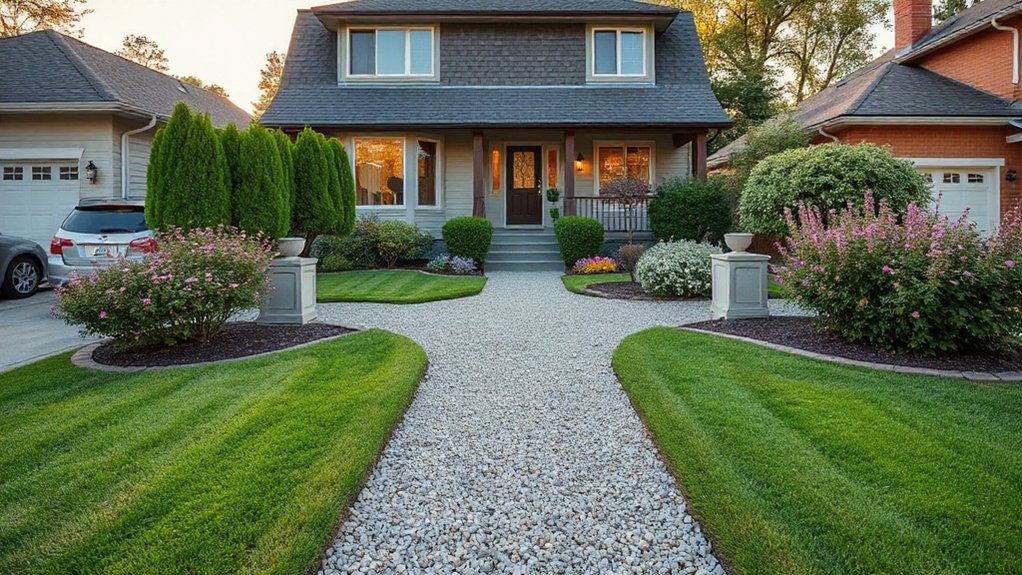
A landscape that’s low maintenance and neighbor-friendly starts with smart plant choices and simple layout. You’ll favor compact perennials, evergreen groundcovers, and container plantings that reduce pruning and mowing time.
Choose plantings with similar water needs and root depths to simplify irrigation and avoid conflicts with your boundary. Layer textures and colors with a restrained palette to keep visual impact without overwhelming eyes next door.
Use low, solid-edged borders and mulched beds to suppress weeds and define pathways. For garden design balance, place taller specimens toward the back or center and keep sightlines clear from the curb.
Incorporate outdoor art as focal points rather than clutter, and guarantee materials complement your home’s tone. This approach keeps maintenance predictable and neighbor-friendly.
Make Key Details Visible: House Numbers, Mail, and Addressing
Enhance curb usability by making key details easy to spot from the street: house numbers, mail, and addressing should stand out with clear contrast, legible typography, and thoughtful placement.
You’ll improve visibility by mounting numbers at eye level on a solid backdrop, using high-contrast colors, and keeping the font simple.
Confirm mail slots are clearly labeled and positioned away from doorways to reduce clutter.
Add a small, durable plaque with your street and house number near the entrance for quick recognition from approaching traffic.
Integrate garden ornaments or decorative planters to frame the area without obstructing sightlines.
Choose materials that resist weathering and match your home’s style, so the details remain legible and inviting year-round.
Create a Maintenance Plan for Year-Round Curb Appeal
To keep your semi-detached’s kerb appeal steady through the seasons, set up a simple, practical maintenance schedule you can follow year-round. Start with a core monthly checklist: exterior decor refresh, decorative fencing inspections, and plant upkeep. Record tasks in a single calendar so nothing slips.
Prioritize exterior decor updates like seasonal pots, lighting, and seasonal accents that don’t require heavy investment but boost charm. Schedule pruning, weed control, and mulch refreshes in spring and autumn to maintain tidy beds.
Inspect roofing, gutters, and paintwork twice a year, touching up as needed to prevent deterioration. Create a low-maintenance routine: quick weekly sweeps, biweekly hose-downs, and annual deep-clean.
Pair the plan with a lightweight decorative fencing touch-up kit to preserve definition and curb presence.
Frequently Asked Questions
How Can I Split Renovation Costs With a Neighbor Respectfully?
You should propose a written, fair split agreement, then discuss responsibilities for neighborhood landscaping and shared garden maintenance, clarifying cost share percentages, timelines, and dispute resolution; keep it collaborative, transparent, and documented to prevent future misunderstandings.
What Permissions Might Affect Fence Height on Shared Boundaries?
Around 60% of boundary disputes hinge on misread fence rules. You should check Fence regulations and boundary agreements before drafting plans, ensuring neighbors consent and local permits are in place to avoid delays or conflicts.
Which Paint Colors Clash With Neighboring Homes’ Palettes?
Color coordination matters: avoid bold, clashing hues that echo neighboring palettes and break palette harmony. Instead, pick complementary tones, test samples on small areas, and align trim and siding with nearby houses for cohesive curb appeal that feels intentional.
How Often Should Shared Driveways Be Resealed or Cleaned?
You should reseal and clean shared driveways every 2–4 years, adjusting for wear. Prioritize driveway maintenance by inspecting cracks and sealant integrity, and plan timely cleaning to prevent staining and erosion, ensuring longer-lasting, smoother surfaces.
Are There Legal Requirements for Outdoor Lighting on Semi-Detached Homes?
One in three homeowners reports confusing lighting rules; outdoor lighting regulations vary. You should check your local planning authority. Make certain property boundary lighting complies with height and spill limits to avoid nuisance or fines.
Conclusion
You’ve mapped a path from shared boundaries to bold curb appeal, and you’ve got the tools to keep it tight. With cohesive colors, smart lighting, and low‑maintenance greenery, your semi‑detached’s face stays open and welcoming, not shouting for attention. Treat upkeep like a gentle rhythm—paint, prune, renew. When neighbors smile at the line you’ve drawn together, every step you take toward the door feels like a shared invitation to linger, notice, and enjoy the view.