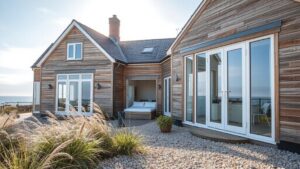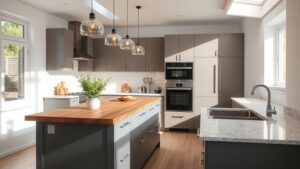
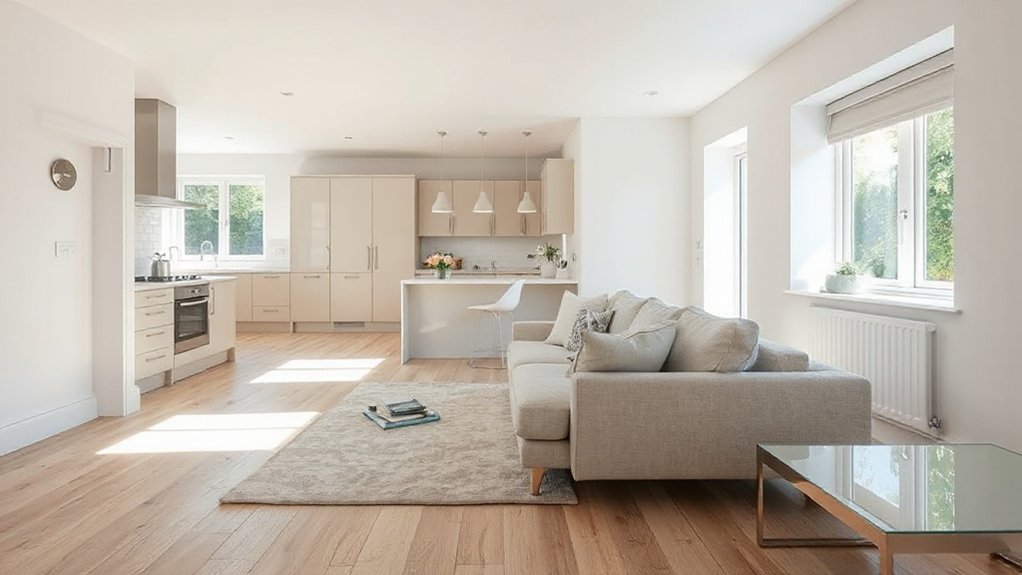
Does the belief that small cosmetic upgrades alone markedly boost UK home value hold up under scrutiny? You’ll want to test that premise against practical realities like energy efficiency, layout flow, and essential repairs. In a market where buyers prioritize long-term costs and comfort, subtle improvements may matter less than structural reliability and efficient heating. You’ll need a clear plan to balance budget, impact, and timing—and that plan could determine how quickly you attract serious offers. So, what should you do first?
What UK Buyers Value Most: Top Features and Deal-Breakers
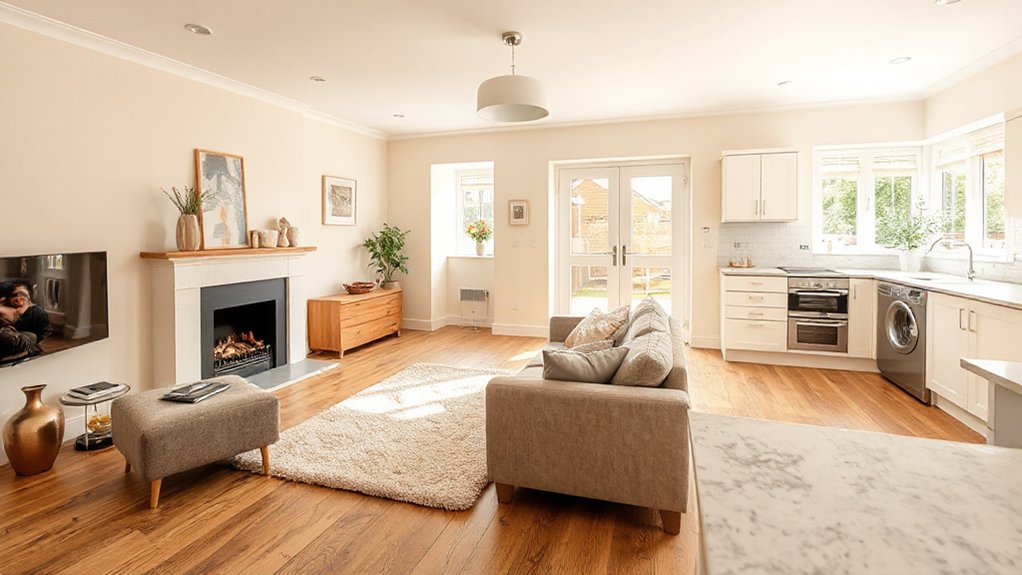
In the UK housing market, buyers prioritize properties that offer practical, low-risk value: strong structural integrity, good natural lighting, efficient heating, and reliable road and transport access. You assess value through tangible attributes and risk factors rather than cosmetic appeal.
Property privacy matters because you want to control disturbances and safeguard personal space, influencing long-term comfort and satisfaction.
Energy efficiency directly affects ongoing costs, with insulated walls, double glazing, and efficient boilers reducing monthly expenditures and carbon footprint.
Floor layouts that minimize wasted space improve usability and resale potential.
Thorough condition reports, reputable construction standards, and documented maintenance histories raise confidence and lower perceived risk.
Location factors like proximity to amenities and transport continue to shape decisions, yet privacy and energy efficiency consistently correlate with favorable buyer perceptions and faster offers.
Quick Cosmetic Upgrades That Boost UK Home Value
Quick cosmetic upgrades can boost UK home value without major disruption or cost. You should approach small changes as return-driven investments, not cosmetic afterthoughts.
A Paint refresh brightens spaces, preserves walls, and creates a clean, modern canvas for buyers. Choose neutral tones that read as spacious and calm, avoiding contentious colors. Pair with fresh undercoat and high-durability finish to minimize upkeep.
A Hardware update can elevate perceived quality with minimal effort: replace dated handles, knobs, and hinges on doors and cabinetry, favoring cohesive metal or matte finishes. Guarantee consistent hardware throughout to reinforce a contemporary, turnkey feel.
Track costs against anticipated value lift, prioritizing high-visibility rooms like kitchens and bathrooms. Document updates for buyers to verify improvements, reinforcing a practical, value-focused narrative.
Layout Tweaks That Improve Flow and Usability
Layout tweaks can markedly improve how a space feels and functions, guiding movement, sightlines, and accessibility without major renovations. You’ll focus on defining zones, aligning doors and corridors, and reducing friction points to boost usability.
Prioritize open sightlines from key gathering areas, but preserve intimate nooks where needed. Space optimization relies on clear pathways, minimized clutter, and furniture placement that supports natural flow, not obstruction.
Consider swapping bulky pieces for slender, multiuse alternatives to maintain breathing room. Use lighting enhancements to reinforce function: bright task lighting in work zones, ambient layers for passage, and consistent colour temperature to reduce visual fatigue.
Test changes room by room, measuring whether circulation improves and perceived space expands, then adjust placements to sustain efficient, intuitive movement.
Budget-Friendly Staging and Presentation Ideas
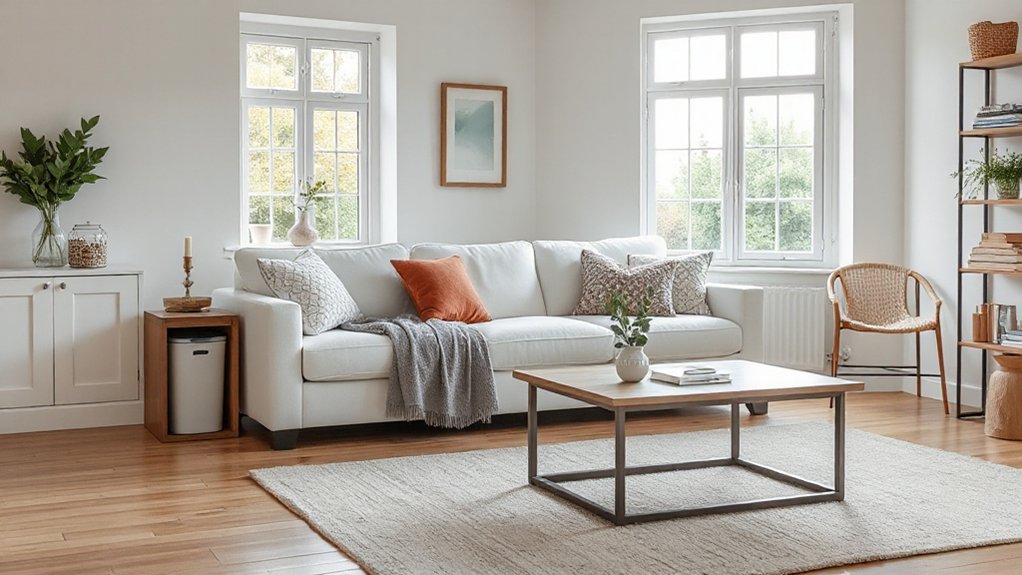
Ever wondered how to elevate a property’s appeal without breaking the bank? This section provides budget-friendly staging and presentation ideas with precise impact assessment.
Begin with DIY decor that reinforces perceived space, favoring light colors, neutral tones, and minimal patterns to reduce visual clutter.
Focus on key rooms, ensuring surfaces are clean, well-proportioned, and free of personal clutter.
Furniture arrangement matters: place focal pieces to emphasize flow, align seating for conversations, and avoid overmatching sets that shrink rooms.
Use scalable accessories—throw pillows, lamps, and art—sparingly to create focal points without overcrowding.
Highlight architectural features, like alcoves or fireplaces, through strategic lighting.
Keep textures varied but cohesive to convey warmth while remaining cost-efficient.
Measure room dimensions to avoid oversized purchases and confirm proportional balance.
Create a Practical, Transparent Home-Improvement Budget Plan
A practical, transparent home-improvement budget plan starts with a clear scope, measurable goals, and a realistic timeline. You should itemise improvements by impact on value and risk, then assign costs, sponsors, and decision milestones.
Begin with a baseline assessment of current systems, followed by a prioritized list of projects that align with your sale timeframe.
Track contingencies at 10–15% of the total budget to absorb price fluctuations.
Require written quotes, compare suppliers, and document approvals to maintain transparency.
Separate capital expenditures from soft costs like fees and inspections.
Focus on energy efficiency upgrades and smart technology where evidence shows the best return, but avoid overinvesting in niche features.
Review progress weekly, adjust allocations, and preserve a reserve for last-minute negotiations.
Frequently Asked Questions
What Are the Hidden Costs of Renovations Buyers Consider in the UK?
Hidden expenses often sneak into renovation budgeting, and you’ll want to account for unforeseen tasks, delays, and overruns. You’ll encounter permit fees, VAT, and contractor variations; plan contingencies so you don’t overrun budget or distort value.
How Long Before Selling Should I Start Home Improvements?
Could you start improvements now to maximize sale time? You should begin several weeks to a few months before listing. Focus on interior staging and curb appeal to optimize buyer perception and shorten your market duration.
Do Eco-Friendly Upgrades Add More Value Than Cosmetic Fixes?
Eco upgrades generally add more value long-term than cosmetic fixes, you should prioritize them for efficiency and appeal; however, well-chosen cosmetic fixes can boost near-term salability. Balance both, focusing on durable, market-relevant improvements.
Which Insurance Considerations Impact Selling Timelines After Renovations?
Renovation insurance and planning permits can affect selling timelines; you’ll need Renovation insurance to cover work and confirm permits are current, as delays or refusals prolong sale. You should verify permits, schedules, and insurer requirements before listing.
How Do Local Market Trends Affect Value-Add Decisions?
You’ll see property pricing shift with seasons, and you’ll notice your decisions must ride market fluctuations. In practice, you optimize value by timing upgrades, calibrating budgets, and watching demand signals as local benchmarks guide pricing strategies.
Conclusion
Focus on the essentials buyers point to: solid structure, energy efficiency, and a bright, usable layout. Refresh walls with neutral tones, boost natural light, and fix practicality gaps—doors, storage, flow. Quick cosmetic upgrades and budget-friendly staging can close the gap, but never overlook a transparent, documented improvement plan. Think of it as building a clear compass for buyers’ wallets and timelines, like a lighthouse guiding ships—confident, precise, and value-driven.