You’re preparing a Leeds terrace for sale, so start by weighing ROI against disruption: which fixes truly push value—structural integrity, insulation, and curb appeal—versus cosmetic tweaks with limited impact? Consider DA/GPs, energy efficiency, and staging workflows that keep the home authentic while modernizing key spaces. The balance between DIY and pro help matters, but timing can swing resale outcomes. Get a clear plan that ranks high-impact, low-cost moves, and you’ll have a solid foundation to build on.
Prioritize ROI: What Adds Value to a Leeds Terrace
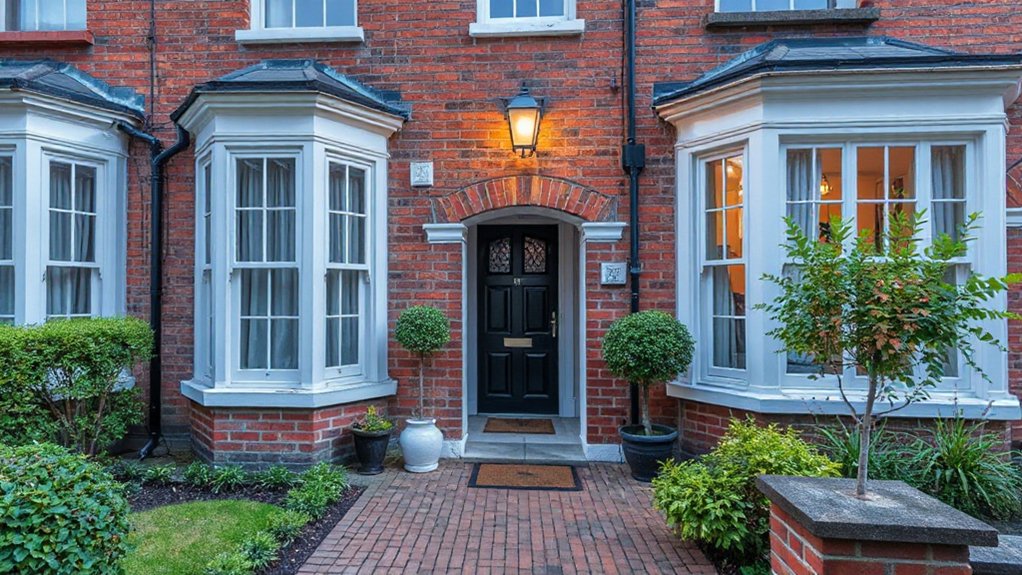
Prioritizing ROI means focusing on updates and features that deliver solid, trackable value for a Leeds terrace. You assess which changes yield measurable returns, prioritizing renovations with clear demand signals and documented cost recovery.
Begin with structural integrity and essential systems, since reliability underpins all future value. Next, weigh improvements that enhance usability and energy efficiency, such as insulation, efficient heating, and draft-proofing, which reduce operating costs and appeal to buyers.
Historical significance should guide choices where authentic architectural elements can be preserved or restored without excessive expenditure, adding a distinct selling point.
Consider Neighborhood amenities when framing value, ensuring your property benefits from nearby transit, parks, and services in listings.
You end with a concise, defendable ROI narrative that supports price, pace, and condition at sale.
Boost Curb Appeal on a Budget in Leeds
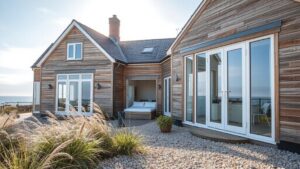
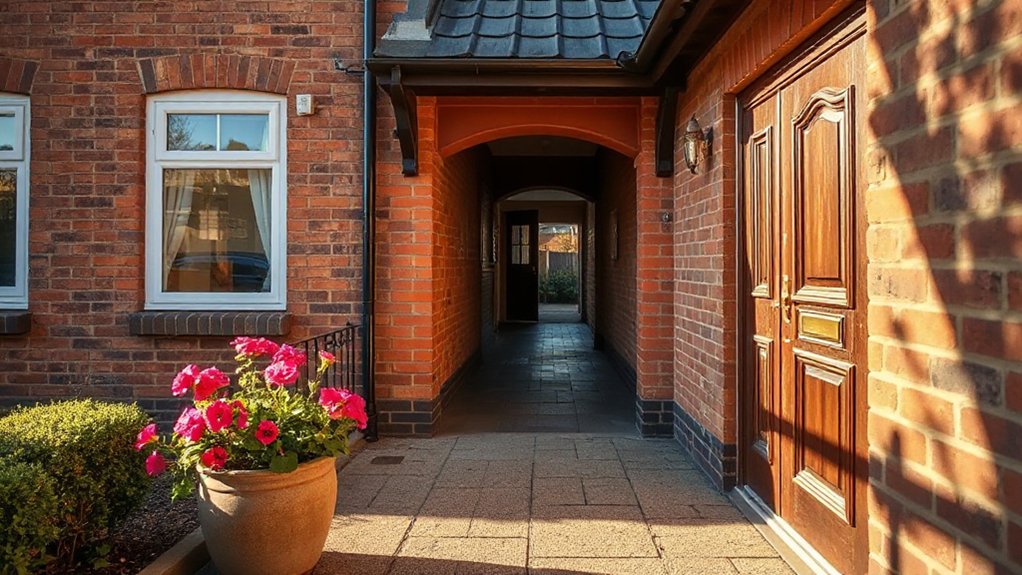
Boost curb appeal on a budget in Leeds by focusing on high-impact, low-cost exterior improvements that create immediate first impressions while preserving value. You’ll assess essential elements first: fascia, doors, and driveway alignment influence perception more than ornamental edits. Prioritize durable, low-maintenance changes that deter weathering and reduce ongoing costs.
Garden landscaping should emphasize structure over quantity, with clean edges, seasonal color, and native species to minimize upkeep. Exterior lighting enhances safety and highlights key features without overstating budget, so select energy-efficient options and place fixtures to avoid glare.
Use cohesive materials and monochrome accents to unify the façade. Document improvements with before-and-after photos for resale credibility, and avoid overpersonalization. Target a balanced, professional presentation that translates to perceived value and buyer confidence.
Cost-Effective Interior Fixes That Boost Value
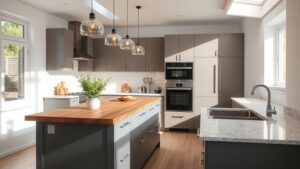
Cost-effective interior fixes that boost value focus on high-impact updates that don’t break the budget. You should target rooms with visible impact and resale relevance, prioritizing changes that improve perception of space, light, and finish quality.
Begin with paint refreshes in neutral tones to maximize brightness and cohesion. Then swap dated hardware for modern, budget-friendly options. Vintage fixtures can add character without a full remodel if kept sparse and well-maintained.
Consider retiling or refinishing a modest bathroom floor and updating lighting to improve ambience without major reconstruction.
In living areas, use statement walls judiciously—one accent with durable wallpaper or a single bold paint panel can define space.
Avoid overinvesting in trends; consistency and durability drive perceived value.
Plan Timing, DIY vs Pro, and ROI Basics
Timing is essential when planning terrace improvements: decide upfront whether you’ll DIY or hire pros, and set a realistic window for each phase.
You’ll assess ROI by aligning costs with expected market value, prioritizing high-impact updates. ROI basics mean tracking rough payback times and avoided depreciation, not chasing every trendy detail.
Plan timing around project complexity, permitting, and disruption to occupants or neighbors.
DIY saves upfront costs but can increase completion time and risk quality, while pro work offers consistency and faster turnarounds; weigh these against budget and risk tolerance.
Historical preservation and neighborhood analysis should guide scope—preserve defining features while upgrading mechanisms like insulation and moisture control.
A calibrated timeline helps prevent scope creep and supports informed decisions about resource allocation and anticipated sale pace.
Seal the Deal With Staging, Photography, and Disclosures
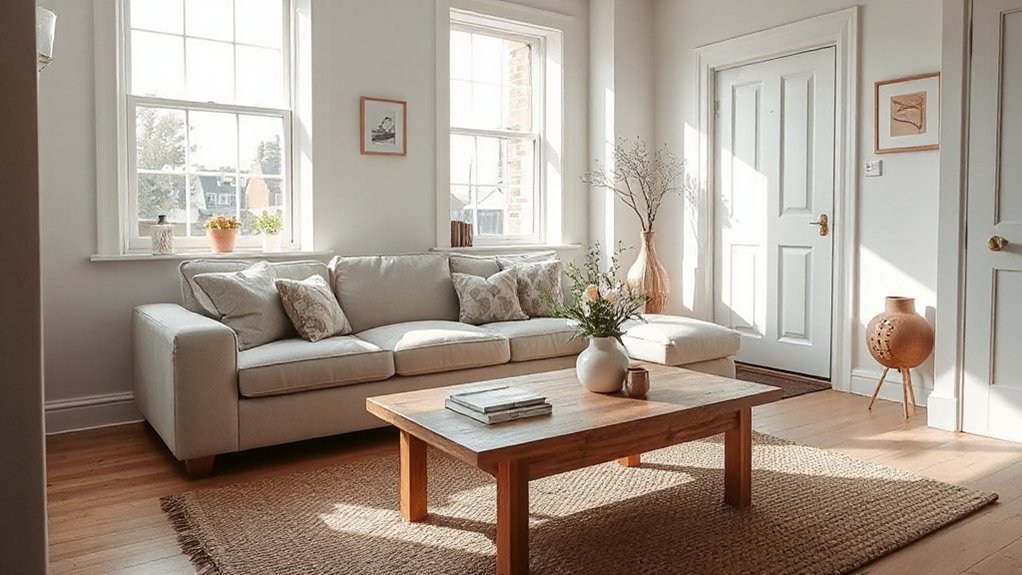
Staging, photography, and disclosures clinch buyer interest and set accurate expectations, so approach each element with purpose and verification.
You stage to highlight flow, light, and function, not to conceal faults. Prioritize clean lines, neutral tones, and purposeful furniture placement that guides buyers through rooms and garden landscaping features.
In photos, guarantee high-resolution, natural lighting, and true representations to prevent misinterpretation; include shots of curb appeal, kitchens, and bathrooms with precise dimensions where possible.
Disclosures must be specific and complete, covering energy efficiency upgrades, insulation quality, and recent maintenance. Present energy efficiency improvements with documentation—insulation ratings, boiler service, and double glazing details.
Align claims with evidence, and avoid exaggeration, to reinforce credibility and reduce post-sale disputes.
Frequently Asked Questions
How Long Does a Typical Renovation ROI Last in a Leeds Terrace?
A typical renovation ROI in a Leeds terrace lasts 5–10 years, depending on market cycles and upkeep. You should track renovation timelines, assess depreciation, and weigh historical preservation considerations to sustain value beyond initial improvements.
Which Grants or Incentives Are Available for Leeds Property Upgrades?
Government grants and financial incentives exist for Leeds property upgrades. You should research current schemes, eligibility, and application steps, comparing grant sizes, clawback terms, and timelines to determine the most cost-effective option for your renovation strategy.
Do Local Builders Offer Package Deals for Terrace Renovations?
Yes, local builders often offer package deals for terrace renovations, including builder discounts, to streamline projects. You’ll receive clearer project timelines, with bundled services reducing delays and improving coordination across trades, though exact terms vary by contractor and scope.
How Do Energy-Efficiency Improvements Affect Sale Value in Leeds?
Energy savings improve property valuation by reducing operational costs, making your Leeds terrace more attractive to buyers. You’ll see higher interest and quicker sales, with a potentially higher valuation tied to ongoing efficiency, utility savings, and measurable performance data.
What Are Common Pitfalls Buyers Notice After Refurbishment?
Staging mistakes and overlooked damages top buyers’ lists. Like a car’s scratch before sale, you reveal the flaw; you lose trust. You’ll notice misaligned fixtures, hidden damp, or uneven flooring that erodes confidence and value.
Conclusion
In short, you’ll turbocharge value with laser-focused fixes, not lavish splurges. Your curb appeal can be transformed on a shoestring, while energy upgrades pay you back every month you own the home. Inside, neutral tones and smart hardware pull buyers through the door like magnets, and a tight staging plan turns every room into Siren’s call for offers. Plan timing, weigh DIY versus pro, then present disclosures with surgical clarity—watch your Leeds terrace achieve blockbuster resale momentum.