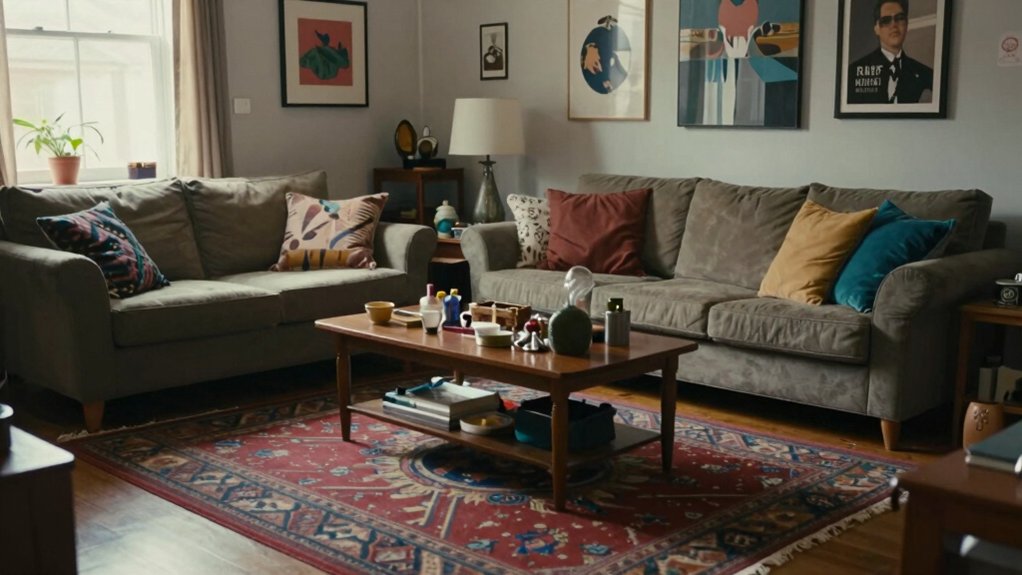
A glow pools along a surface where clutter and mismatched pieces fight for attention, and you feel the room pull in two directions at once. You size up flow, light, and the first impression you’ll make in seconds, not minutes. Clutter on every available plane signals chaos; poor lighting hides warmth and distorts scale; and misaligned decor whispers that details aren’t cared for. Step closer, then decide what to fix first before the door even settles.
First Impressions: Color, Light, and Flow
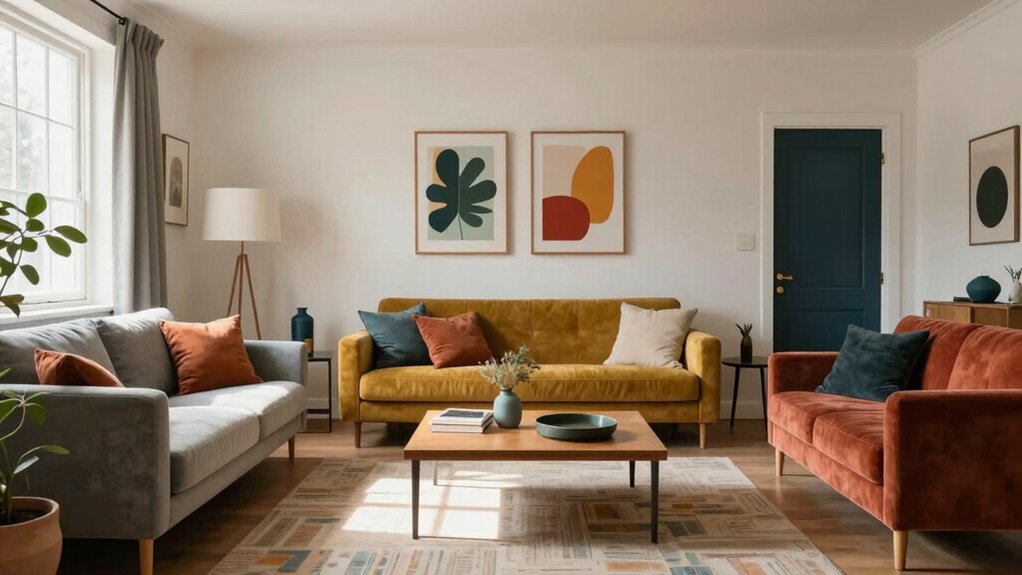
When you walk into a room, color, light, and flow instantly set the mood, guide attention, and reveal how well a space supports your life. You notice first impressions before secondends pass: the palette’s intention, the light’s clarity, the path your eyes follow.
A balanced color story communicates purpose, not vanity; it anchors your activities, reduces cognitive load, and invites you to stay. Natural light, complemented by task and ambient sources, sharpens focus without glare, enhances texture, and softens edges.
Flow isn’t just traffic; it’s rhythm—clear sightlines, logical zoning, and a sequence that feels inevitable. When these elements align, your perception shifts from decoration to function, from aesthetics to lived experience, signaling a home that respects your needs.
Clutter and Surface Overload: Why It Breeds a Negative Perception
Clutter and surface overload instantly signal neglect of function, turning perception from calm to chaotic. You walk in, and every item competes for attention, erasing intent and the room’s reading of purpose.
When surfaces host a mountain of objects, you project disorganization onto the space itself, not merely on what sits there. Your eye searches for a focal point, but distraction multiplies, and the overall vibe shifts to urgency or fatigue.
You’re not judging taste; you’re judging manageability, maintenance, and meaning. Minimal, intentional surfaces communicate control, care, and clarity.
Furniture Placement: Blocking Doors and Disrupting Traffic
Even small misplacements can derail a room’s flow, so you must map pathways before you place furniture. You envision the room as a living artery, where doors and traffic cues guide every decision.
Avoid blocking entryways; consider clear swaths that let you move without counting steps twice. Position sofas and chairs to invite conversation while preserving a natural circulation rhythm, ensuring paths remain unobstructed by ottomans or consoles.
Don’t trap movement near thresholds or in front of closets, which creates hesitations and awkward pauses in the eye line. Favor transparent sightlines and anchored focal points that don’t compete with doors.
With disciplined placement, you create an environment that feels purposeful, accessible, and ready for daily flow and graceful, unforced living.
Mismatched Decor: Clashing Styles and Scales
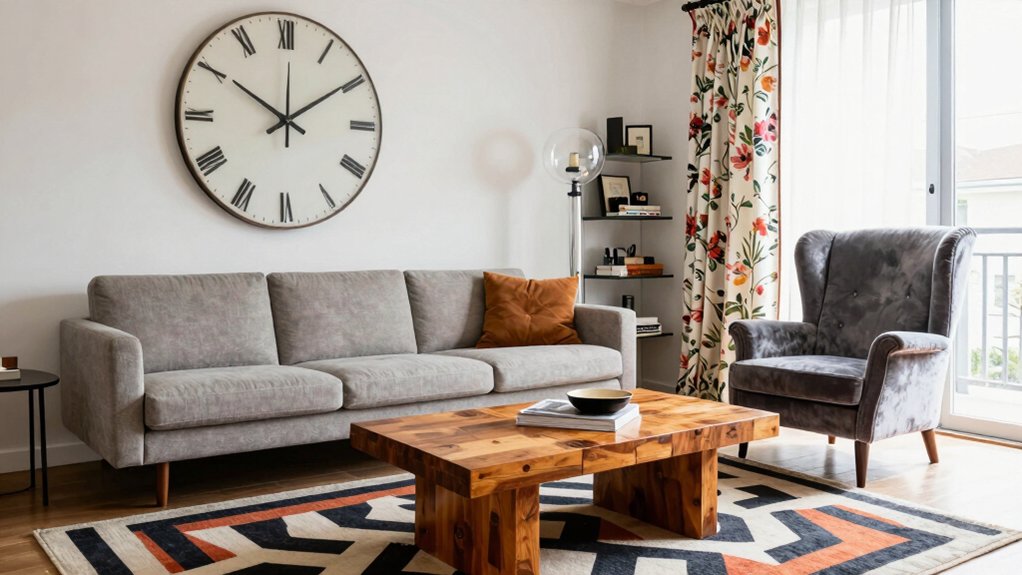
Mixing styles and scales without a plan can pull a room in conflicting directions; start by recognizing how disparate elements compete for attention. You notice that bold modern lines, warm rustic textures, and delicate accents collide when they don’t share a unifying thread. A single dominant motif—think shape, color family, or material—anchors the space and guides supporting pieces.
Keep scale intentional: oversized furniture can overwhelm smaller rooms; petite items vanish in grand spaces. Aim for a cohesive rhythm, alternating textures rather than duplicating them. Pair high-contrast pieces with quieter neighbors to avoid visual fatigue. Eliminate duplicate motifs that shout simultaneously.
Visual balance emerges when each element earns its place, and negative space breathes. Your room becomes deliberate, legible, and refined at first glance.
Maintenance Signals: Visible Wear, Odors, and Cleanliness Issues
Visible wear, lingering odors, and stubborn cleanliness issues are warning signs that something in the space isn’t serving its purpose. You notice the trace of scuffed corners, frayed upholstery, and doors that don’t seal. Odors hint at hidden problems beneath the surface, not just perfumes.
Cleanliness gaps reveal how maintenance was prioritized or neglected, signaling ongoing costs or redesign needs. You assess how materials age, how finishes wear, and whether repairs are inevitable or avoidable.
Ask: does the space function as advertised, or is it masking underlying flaws? Your discernment focuses on durability, hygiene, and ease of upkeep. Informed buyers value proactive upkeep, timely fixes, and honest gaps between expectation and reality.
Clarity here prevents regret and guides smarter, lasting choices.
Frequently Asked Questions
Do Color Choices Affect Perceived Room Size Instantly?
Yes—lighter colors visually expand a room instantly, while darker tones compress it; about 60% of observers judge space perceived size based on color alone within seconds, proving color choices dramatically shape spatial perception in real time.
How Much Lighting Is Considered Sufficient in Seconds?
You’ll know it’s enough when you feel the space breathe and contrast sing, about 2,000 to 3,000 lumens for a living area, guided by tasks, mood, and natural light, not fixed numbers. Adjust as needed.
Can a Single Accessory Ruin the First Impression?
Yes, a single accessory can ruin the first impression. You’ll miss the story you intended if that piece distracts, so choose one meaningful focal point, and let surrounding elements support it with quiet, deliberate restraint.
Do Tiny Clutter Details Influence Overall Mood?
Yes, tiny clutter details drastically influence overall mood, shaping first impressions and perceived cleanliness, balance, and harmony; you notice how minute spaces evoke calm or chaos, guiding decisions as you curate scenes that feel intentional and inviting.
What Maintenance Signs Indicate Long-Term Value?
Long-term value shows in sturdy materials, smart layouts, and timeless finishes you notice after years, not trends—so you maintain, upgrade, and enjoy; you’re investing in resilience you’ll still love tomorrow, even when irony whispers otherwise.