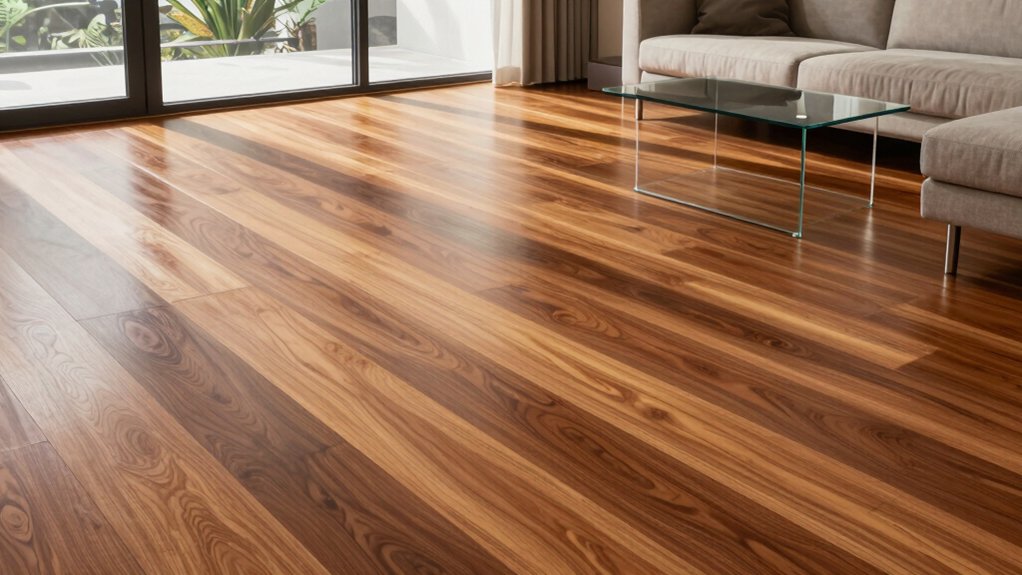
Like a quiet door that never quite closes, hardwood floors frame your space with evidence of every step. You’ll notice today’s durable finishes and timeless warmth, yet moisture, sun, and traffic test your choices. You start weighing species, finishes, and installation, balancing upfront costs against long-term value. It’s practical, not flashy, and the decision sticks around—how you care for them can tip the scale between beauty and compromise. So, what path fits your modern home best?
Durability and Longevity of Hardwood Floors
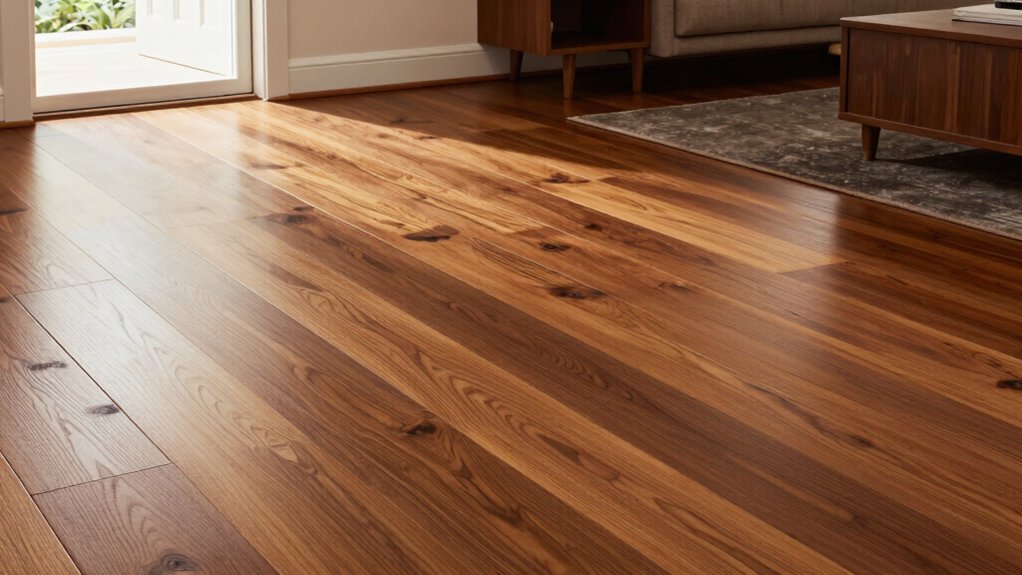
Hardwood floors stand up to everyday wear better than most alternatives, but their durability hinges on species, finish, and traffic. You’ll pick a species that suits your pace: oak resists dents, maple stays smooth, and hickory balances hardness with workability.
Finishes matter: polyurethane shields from spills and scratches, while oil finishes invite a tactile patina but require maintenance. High-traffic rooms benefit from thicker boards and engineered constructions that stabilize against moisture swings.
You’ll avoid sharp impacts with protectors under furniture and soft-soled shoes. Regular cleaning, prompt spill blotting, and rapid board repair keep the surface resilient.
Expect natural aging: tiny checks and deeper patina can add character without signaling failure. Longevity isn’t just lifespan; it’s how gracefully the floor ages under your daily life.
Timeless Aesthetic and Design Flexibility
Timeless appeal meets design flexibility in hardwood floors, which pair with nearly any style—from rustic to minimalist. You’ll notice how its natural grain, warmth, and tonal range elevate spaces without shouting for attention.
Choose light, airy planks to brighten small rooms, or deep, rich tones to anchor large, open layouts. The material’s versatility lets you swap finishes, plank widths, or patterns to redefine mood without a full remodel.
You can layer textures with area rugs or blend metals and fabrics to create cohesion across living, dining, and work zones. Hardwood adapts to evolving tastes, helping classics feel current.
Maintenance Requirements and Upkeep
To keep hardwood floors looking their best, you’ll need a practical routine: regular dusting, quick wipe-ups for spills, and protective mats at entrances to curb grit. Daily care is about prevention: sweep or dust to avoid scratches from dirt and pet debris, and wipe spills promptly to prevent staining. Use a well‑matted broom and microfiber cloths for efficient results.
Choose cleaners sparingly; follow manufacturer guidance, and avoid ammonia or bleach that can dull finishes. Place felt pads on furniture legs and rotate rugs to prevent light unevenness. Maintain humidity between 30–50% to minimize expansion and contraction.
Periodic refinishing extends life; plan for professional sanding every decade or so, depending on traffic. Follow seasonal checks for creaks and gaps, sealing wear before damage spreads.
Cost Considerations and Value Over Time
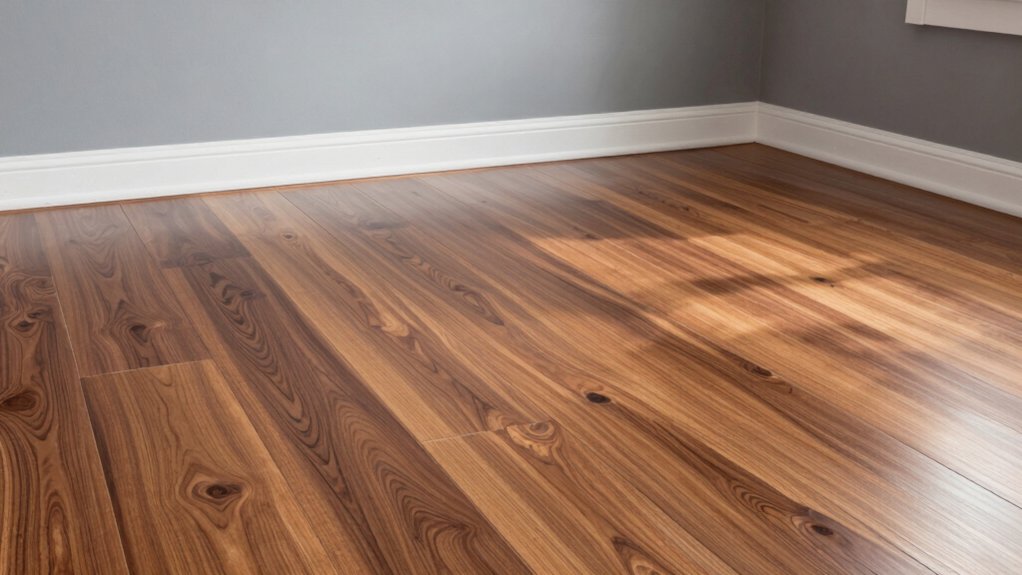
Cost considerations for hardwood flooring hinge on upfront price, installation, and long-term value. You’ll weigh material costs, subfloor prep, and know‑how needed for a clean install. Budget smartly for underlayment, acclimation, and potential expansions or refinishing cycles.
The upfront price often reflects species, grade, and finish, but don’t overlook installation labor and alignment accuracy, which shape total cost. Over time, durability and life expectancy influence value more than sticker price.
A well‑installed floor can outlive trends, reduce maintenance surprises, and boost resale appeal, while routine care buffers depreciation. Factor in refinishing intervals, stain longevity, and moisture resistance to estimate ongoing costs.
You gain financial clarity when you compare scenarios, balance upfront sacrifice with future savings, and choose a finish that withstands daily wear.
Scratches, Dents, and Wear Tolerance
Scratch-resistance isn’t just a buzzword; it’s a practical test of a floor’s daily resilience. You’ll notice scratch tolerance in how a floor responds to heel traffic, chair legs, and dropped utensils. Harder species, like oak or hickory, resist surface marks better than softer options, but finish type matters too; a tough, aluminum-oxide or polyurethane layer can absorb impact and keep the grain looking clean.
Dents show up with heavy impact on softer cores or thin veneers, so consider thickness and wear layer when you’re choosing. Grain direction can hide minor abrasions, while matte finishes hide fingerprints and fine scratches more effectively than high gloss. Your goal: a balanced profile of hardness, finish durability, and real-world daily use.
Moisture Sensitivity and Installation Impacts
Moisture sensitivity isn’t just a tip-off for warpage; it dictates where and how you install hardwood. You’ll check moisture content in both subfloor and room before laying boards, ensuring readings align with species tolerances. Concrete slabs demand a vapor barrier and precise acclimation; wood-on-concrete requires moisture thresholds you must meet to prevent future gaps.
Joist-supported floors benefit from a stable, dry frame and proper bridging to minimize movement. Seasonal humidity shifts matter, so you’ll plan for expansion and contraction with gaps, acclimation time, and appropriate fasteners. Subfloor flatness matters as much as moisture: high spots invite squeaks, low spots invite cupping.
You’ll avoid DIY pitfalls by following manufacturer specs, using a moisture meter, and choosing installation methods that accommodate your climate. The result is durable, visually consistent floors that hold their shape.
Wood Species and Finish Options
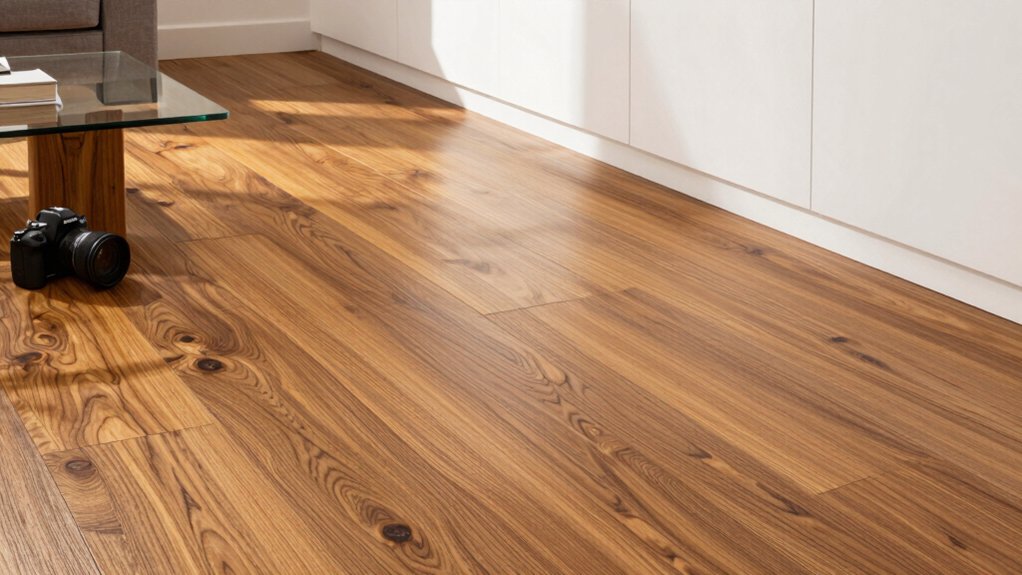
Different wood species bring distinct tones, grain patterns, and hardness, so pick one that matches your space and lifestyle. You’ll feel the character from the first step, whether you lean warm amber or cool gray.
Oak offers resilience and obvious grain, maple keeps it bright and smooth, while hickory brings bold contrast. Choose finish options that protect and reveal: polyurethane for durability, oil-based for depth, or water-based for low odor and quicker cure.
Matte finishes soften the room, while satin adds subtle sheen without glare. Consider color depth, tactile feel, and maintenance—darker shades show dust more, lighter tones show scratches less.
Engineered boards stabilize under humidity swings, solid planks deliver longevity, and flooring with UV-curing finishes resist fading. Align species and finish with traffic, ambiance, and lifestyle.
Installation Methods and Disruption
Installing hardwood flooring isn’t one-size-fits-all; you’ll choose a method that suits your subfloor, room layout, and noise tolerance.
Below, you’ll weigh nailed, stapled, glue-down, and floating options, each with its own disruption profile. Nail-down and staple-down require access to the subfloor, producing hammering noise and temporary dust—but they’re sturdy, long-lasting, and suitable for on-grade or raised installations.
Glue-down minimizes surface gaps and is ideal for slabs, yet it can limit replaceability and demands precise acclimation.
Floating floors glide over a foam or cork underlayment, reducing installation time and mess, though they may feel slightly less solid under heavy traffic.
Your choice hinges on subfloor condition, joist layout, and how you’ll live in the space during install. Plan ahead, protect doors, and migrate belongings calmly.
Environmental Impact and Sustainability
Hardwood flooring isn’t just about looks and feel; it’s about the footprint it leaves behind. You weigh materials, sources, and processes, seeking a balance between beauty and responsibility. When you choose certified certificates, you support forests that manage resources, protect habitats, and reduce waste.
You’ll pay attention to extraction methods, transport distances, and milling practices that minimize energy use and emissions. You recognize lifecycle impacts, from production to disposal, and favor options with durable finishes and long lifespans that extend the floor’s usefulness.
Reclaimed or locally sourced wood lowers demand on aging forests and decreases trucking footprints. You consider adhesive formulas, volatile organic compounds, and indoor air quality, choosing non-toxic choices when possible. In short, sustainability guides every thoughtful selection you make.
Practical Tips for Care and Protection
Caring for your hardwood floor means more than quick cleanups; it starts with a plan. Establish a daily wipe-down habit with a soft, damp microfiber cloth to trap dust without moisture buildup. Use mats at entrances and felt pads under furniture to prevent scratches.
Maintain humidity between 35% and 55% to reduce gaps and warping; a humidistat helps you stay on track. Place protective rugs in high-traffic zones and spill-prone areas, and lift heavy objects rather than dragging them.
Clean spills immediately with a dry cloth, then follow with a specialized wood cleaner as needed. Avoid steam, harsh chemicals, and standing water. Refinish every few years, and rotate area rugs to prevent uneven wear, preserving color and luster.
Regular maintenance, thoughtful protection.
Frequently Asked Questions
How Long Does Hardwood Flooring Typically Last in High-Traffic Areas?
Typically, hardwood in high-traffic areas lasts 20 to 40 years, depending on species, finish, and upkeep. You’ll extend life by refinishing every 7–10 years, using durable finishes, and protecting with mats and proper furniture pads.
Can Hardwood Floors Be Refinished Multiple Times After Wear?
Yes, you can refininish hardwood floors multiple times after wear. Picture rich grain resurfacing like a sunset glow, scratches fading, panels breathing anew as stain and sealant restore depth, while sturdy planks endure years of quiet, confident use.
What Maintenance Routine Prevents Finish Wear and Discoloration?
To prevent finish wear and discoloration, you seal and dust-mroom regularly, wipe spills immediately, use mats, maintain stable humidity, avoid harsh cleaners, recoat when sheen dulls, and schedule professional maintenance every few years for lasting protection.
Which Hardwood Species Resist Denting and Scratching Best?
You’ll want species with robust hardness ratings like Brazilian walnut, hickory, and oak, plus nailed or engineered construction to minimize denting; maintain a protective finish and avoid high heels, pet claws, and grit on the floor.
How Does Installation Method Affect Indoor Air Quality?
Yes, installation method affects indoor air quality: nail or glue-down methods emit fewer VOCs than floating systems during installation; choose low-VOC adhesives, proper sealing, and ventilation to minimize odors and long-term emissions while you install, maintain, and live with it.
Conclusion
In short, hardwood floors offer durability and timeless charm, durability and timeless charm, durability and timeless charm. They reward care and protection with lasting beauty, care and protection with lasting beauty, care and protection with lasting beauty. You gain design flexibility and asset value, design flexibility and asset value, design flexibility and asset value, while facing maintenance demands and cost considerations, maintenance demands and cost considerations, maintenance demands and cost considerations. Choose wisely, live beautifully, and let your floors tell your home’s story.