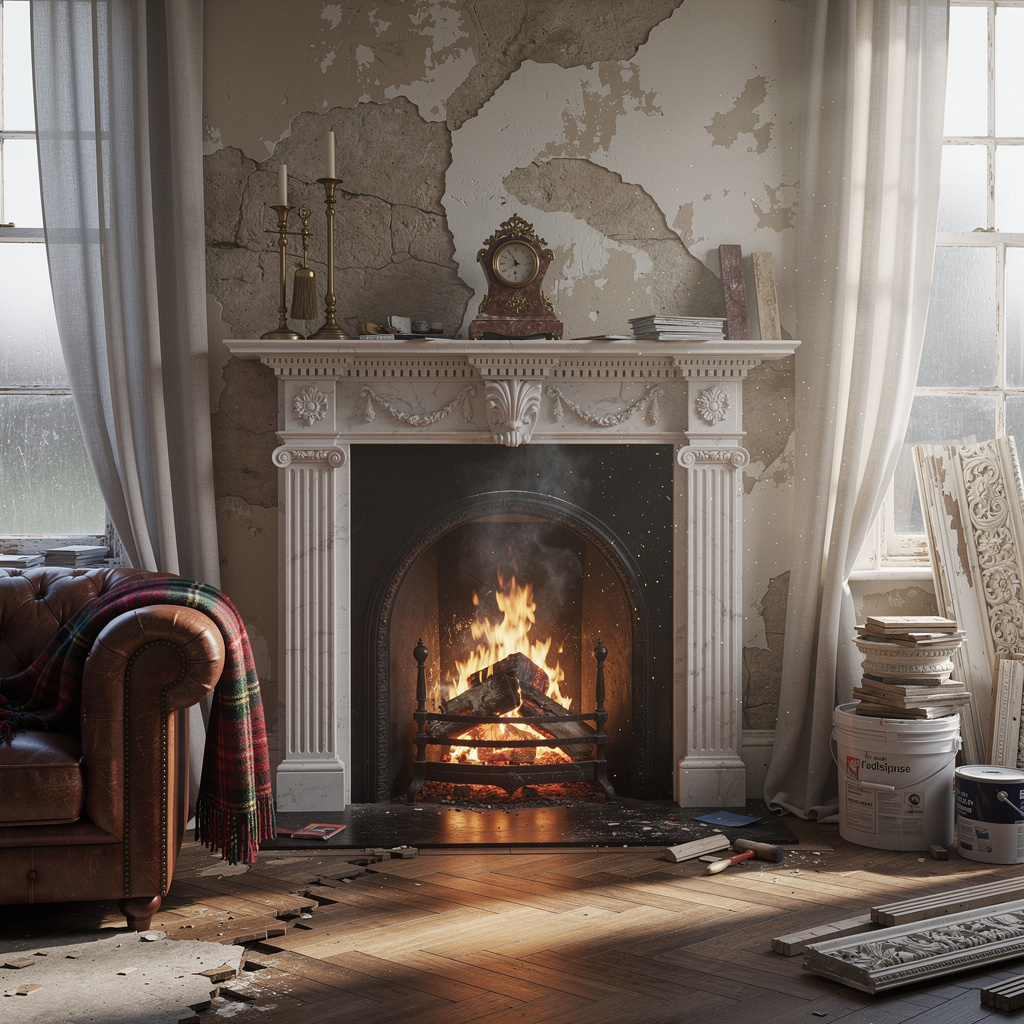
There’s an undeniable allure to Georgian fireplaces, a testament to enduring craftsmanship. You appreciate their architectural significance, recognizing how they anchor a room. Each mantelpiece, often intricately carved, speaks volumes about the era’s design principles. You’ll discover their timeless beauty still captivates today.
Georgian Fireplaces Ageless Elegance: The Architectural Evolution of the Georgian Hearth
You witness the Georgian fireplace evolve from a functional necessity to a statement of sophisticated design. Early designs were simpler, reflecting practicality, but as the era progressed, fireplaces became central to interior aesthetics, showcasing changing tastes and technological advancements in heating.
The Influence of Palladianism and Neo-Classicism
Palladianism introduced symmetry and classical proportions to Georgian fireplace design. You see the influence of ancient Roman and Greek architecture, with clean lines and balanced forms becoming paramount. Neo-Classicism further refined these principles, emphasizing elegant restraint and intellectual purity in every detail.
The Design Legacy of Robert Adam and Sir John Soane
Robert Adam’s innovative designs brought a new level of artistry to the Georgian fireplace. You observe his signature use of delicate ornamentation, often incorporating classical motifs like urns, swags, and paterae, creating fireplaces that were both grand and graceful. Sir John Soane, on the other hand, moved towards a more austere, yet equally impactful, aesthetic. His fireplaces often featured simpler forms, relying on the interplay of light and shadow, and the quality of materials to create their dramatic effect. You will find that both architects, despite their differing styles, left an indelible mark on Georgian fireplace design, transforming them into masterpieces of architectural sculpture that continue to inspire. Their individual contributions shaped the very essence of Georgian interior design, making the fireplace a focal point of artistic expression.
Signature Materials and Craftsmanship
You appreciate the meticulous attention to detail defining Georgian fireplaces. Artisans skillfully blended materials, each chosen for its unique beauty and durability. These timeless creations showcase a mastery of craft, transforming raw elements into focal points of enduring elegance for your home.
The Use of Statuary Marble and Scagliola
White statuary marble often formed the grandest surrounds, its pure white surface a canvas for intricate carving. Scagliola, an imitation marble, offered a more affordable yet equally impressive alternative, allowing for vibrant color and elaborate patterns in your fireplace design.
Carved Pine, Limewood, and Cast Iron Innovations
Warm pine and delicate limewood provided a softer aesthetic, perfectly suited for detailed carving. Cast iron, a revolutionary material, brought both decorative flair and efficient heating to your Georgian home. Pine and limewood were frequently painted, often to mimic more expensive materials like marble or stone, giving you a luxurious look without the prohibitive cost. These woods were ideal for the finest, most intricate carvings, allowing artisans to create delicate garlands, swags, and classical motifs that would adorn your fireplace. Cast iron, on the other hand, offered incredible durability and the ability to be molded into highly decorative forms, from neoclassical urns to intricate floral patterns, making your fireplace both a source of warmth and a work of art.
Defining Decorative Motifs and Elements
You will discover the distinctive visual language that defines Georgian fireplaces, setting them apart with their refined beauty. These elements are more than mere decoration; they are integral to the fireplace’s structure, reflecting the era’s aesthetic principles and skilled craftsmanship.
Classical Symmetry and Proportional Harmony
Observe the meticulous balance inherent in Georgian designs. Every component, from pilasters to cornices, adheres to strict rules of proportion, creating a visually pleasing and harmonious focal point in any room.
Iconic Ornamentation: Urns, Swags, and Greek Keys
Notice the recurring motifs that instantly identify a Georgian fireplace. Urns symbolize classical ideals, swags add a flowing elegance, and the Greek key pattern provides a sophisticated geometric border. These iconic motifs, including the graceful urns, flowing swags, and intricate Greek key patterns, are not randomly placed; they are carefully incorporated to enhance the fireplace’s overall aesthetic and historical authenticity. You will find that skilled artisans meticulously carved each detail, reflecting a deep respect for classical artistry and precision. The presence of these specific elements often indicates a fireplace of superior craftsmanship and historical value.
Technical Advancements in 18th-Century Heating
Beyond mere aesthetics, Georgian fireplaces were at the forefront of heating technology. You might be surprised by the ingenuity applied to make these hearths more effective and safer, transforming them from simple openings into sophisticated heating systems for your home. Architects and engineers of the era strove to perfect the fireplace’s function, not just its form.
The Development of the Register Grate
You will find the introduction of the register grate a significant innovation. This adjustable metal plate, positioned within the fireplace opening, allowed you to control the airflow, providing better combustion and significantly reducing smoke spillage into your rooms. It truly revolutionized indoor comfort.
Improving Efficiency and Smoke Ventilation
Discover how designers began to manipulate the flue’s design and the firebox’s shape. These careful adjustments directed smoke upwards more effectively, preventing dangerous smoke inhalation and enhancing heat radiation into your living space. Your comfort and safety were paramount. Builders meticulously studied the principles of convection and airflow to refine fireplace construction. They experimented with narrower flues and angled back walls, which created a stronger updraft, pulling smoke away from the room with greater force. You benefited from less smoke and more warmth, transforming the fireplace from a smoky nuisance into an efficient heat source.
Identifying Regional and Period Variations
Recognizing the subtle nuances in Georgian fireplace design requires a keen eye for detail. You will notice distinct regional characteristics, from the more restrained Palladian influences in some areas to the elaborate rococo flourishes found elsewhere. Understanding these variations helps you appreciate the full spectrum of Georgian artistry.
Early Georgian Grandeur vs. Late Regency Refinement
Observe the bold, architectural statements of early Georgian designs, often featuring heavy marble and classical motifs. Later, you will discover Regency fireplaces, which exhibit a lighter, more delicate touch, reflecting a shift towards elegance and understated sophistication.
Distinguishing Original Antiques from Victorian Revivals
Examine the craftsmanship closely; genuine Georgian pieces exhibit hand-carved details and period-appropriate materials. Victorian revivals, while charming, often betray their later origin through machine-cut precision or different stone types. You must pay close attention to the tooling marks and the patination of the stone or wood. Original Georgian fireplaces will show the wear and tear of centuries, including subtle imperfections from hand-finishing. Victorian reproductions, on the other hand, might appear too perfect or utilize materials not readily available during the Georgian era, such as mass-produced tiles or different marble varieties. A professional appraisal can uncover hidden restorations or outright fakes, protecting your investment.
Restoring and Maintaining Period Fireplaces
Preserving your Georgian fireplace demands a thoughtful approach, balancing historical integrity with practical care. You must understand the delicate nature of these structures, ensuring any intervention enhances rather than detracts from their original beauty. Proper maintenance protects your investment and continues the legacy of ageless elegance within your home.
Ethical Conservation and Material Cleaning
Approaching conservation requires a gentle touch. Always prioritize non-invasive cleaning methods to avoid damaging delicate finishes or materials. Consult with specialists to identify appropriate techniques for your specific fireplace, ensuring its historical character remains intact.
Sourcing Authentic Replacement Components
Finding suitable replacements is often challenging. You need to identify suppliers specializing in genuine Georgian-era materials, ensuring any new elements seamlessly blend with the original design. Beware of modern imitations that can compromise authenticity. Securing authentic replacement components for your Georgian fireplace requires diligent research and a discerning eye. You will often need to search for reclaimed architectural salvage or connect with artisans who specialize in replicating historical designs using period-appropriate materials and techniques. Verifying the provenance and material composition of any potential replacement is paramount to maintaining the fireplace’s historical accuracy and value.
Final Words
With this in mind, you understand Georgian fireplaces offer enduring sophistication. You bring a piece of history into your home, creating a focal point that transcends trends. Your choice reflects a commitment to classic design and impeccable craftsmanship, ensuring your space exudes timeless charm for generations to admire.
FAQ
Q: What defines a Georgian fireplace, and what makes its design so enduringly popular?
A: Georgian fireplaces emerged during the reigns of the four King Georges in Britain (1714-1830), reflecting the era’s architectural principles of symmetry, proportion, and classical influences. Their design typically features clean lines, balanced forms, and an emphasis on refined elegance over ornate extravagance. Common materials include marble, often Carrara or Statuary, and carved wood. The classical Greek and Roman motifs, such as fluted columns, reeded pilasters, urns, and intricate friezes, provide a timeless aesthetic. This adherence to classical beauty ensures their enduring appeal, allowing them to complement both traditional and contemporary interiors without appearing dated. A Georgian fireplace offers a focal point that exudes sophistication and historical charm, creating a sense of permanence and understated luxury in any room.
Q: How can one distinguish authentic Georgian fireplaces from reproductions, and what considerations are there when acquiring one?
A: Identifying an authentic Georgian fireplace requires attention to several details. Genuine pieces often display signs of age, such as natural wear, subtle imperfections in the carving, or a unique patina on the marble or wood. The quality of the carving is usually exceptional, demonstrating the craftsmanship of the period. Materials like specific types of marble (e.g., Siena, Statuary, or Brocatelle) were popular during the Georgian era. Reproductions, while well-made, might lack the nuanced irregularities and deep character of an original. When acquiring a Georgian fireplace, assess its condition carefully, looking for cracks, repairs, or missing elements. Consider the dimensions to ensure it fits your space appropriately, both in terms of width and height, and also the depth of the return. It is also wise to consult with reputable antique dealers who specialize in architectural salvage or period pieces. They can provide expertise on authenticity, provenance, and restoration needs, ensuring a valuable and historically accurate acquisition.
Q: What are the practical considerations for integrating a Georgian fireplace into a modern home, particularly regarding installation and maintenance?
A: Integrating a Georgian fireplace into a modern home involves a few practical steps. First, ensure the structural integrity of your wall can support the weight of a heavy marble or stone mantelpiece. Professional installation is highly recommended to guarantee proper fitting, stability, and safety, especially if you plan to use it as a working fireplace. A qualified chimney sweep should inspect and clean the flue if one exists, or a new flue liner might be necessary for a modern gas or wood-burning insert. For maintenance, marble fireplaces require gentle cleaning with pH-neutral solutions to avoid etching the surface; abrasive cleaners should never be used. Wood mantelpieces benefit from occasional waxing and dusting. Regular inspections for any signs of wear or damage will preserve the fireplace’s beauty and functionality for generations. A Georgian fireplace, when properly installed and maintained, becomes a functional work of art that adds significant character and warmth to any modern living space.