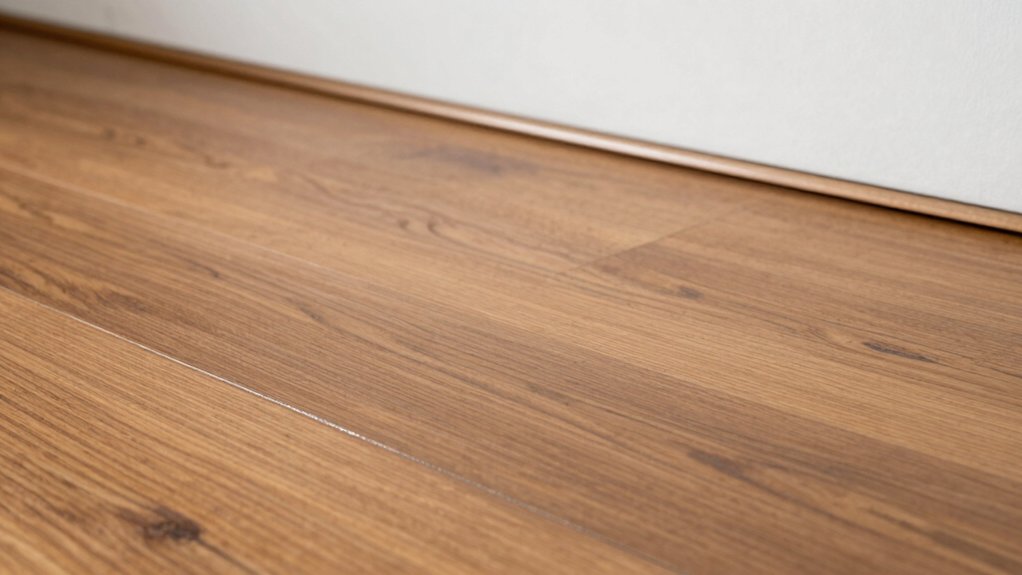
Underfloor heating can be compatible with engineered wood if you select products with tight moisture control, stable core layers, and low formaldehyde emissions, and you install them per spec. Expect data-driven performance metrics such as a 4–6% dimensional change range at typical RH swings and a maximum delta-T per manufacturer guidelines; verify proper acclimation, vapor barriers, and appropriate substrate conditions. The decision hinges on compliance with standards (ISO/EN 14001, ASTM F710, etc.) and precise installation details—keep this in mind as you proceed.
Understanding Underfloor Heating Basics
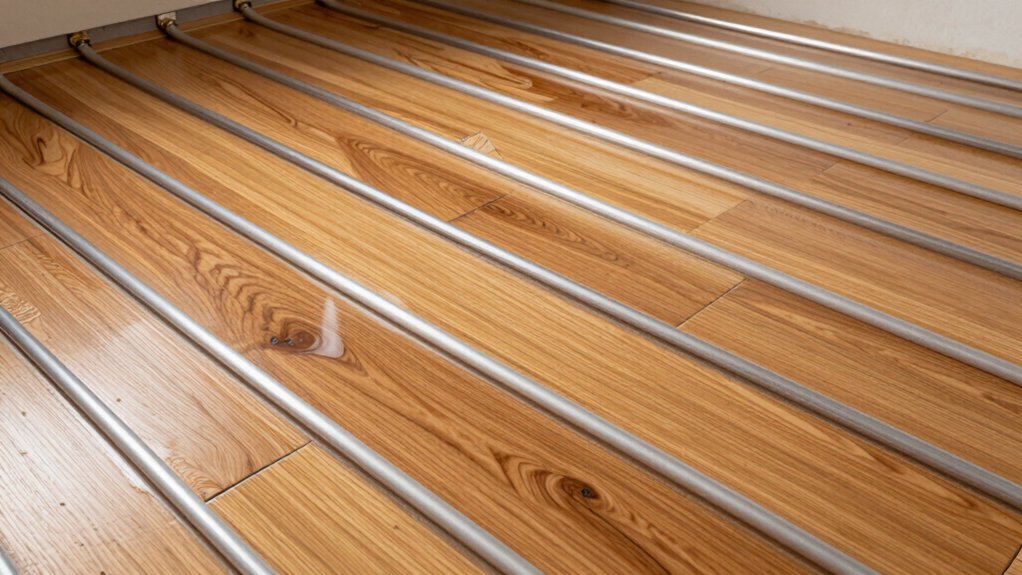
Underfloor heating (UFH) systems transfer heat from a built-in surface to your living space, typically via embedded electric cables or a water-filled manifold in a floor slab. You should understand UFH as a controlled thermal delivery system with defined heat output, response time, and operating limits.
The installed design targets a uniform floor surface temperature, commonly 26–29°C for living areas, depending on local standards and thermal comfort requirements.
Heat transfer relies on conductive, convective, and radiant mechanisms, governed by materials’ thermal conductivity (K) and thermal resistance (R). Compliance follows standards such as ISO 11855 for design and ISO 21043 for testing.
System performance is verified by measured mean and surface temperatures, with monitored differential and set-point control to maintain safety and energy efficiency.
What Is Engineered Wood Made Of?
Engineered wood is composed of layered or blended wood fibers, strands, or veneers bonded with resins under controlled heat and pressure to produce panels with stable dimensions and enhanced performance.
You evaluate composition by type: plywood uses cross-laminated veneers; LVL relies on parallel veneers for strength; MDF and HDF employ wood fibers with urea-formaldehyde or low-emission binders.
You assess resin chemistry, noting capillary absorption, cure temperature, and void content, which influence physical properties.
You consider panel thickness, density, and modulus of elasticity, targeting a product range compatible with underfloor installation.
You verify standards compliance (e.g., EN, ISO, or JIS) for core, face, and edge bonding, as well as formaldehyde emission Class E1 or lower.
You document tolerances, moisture compatibility, and surface finishes to make certain of predictable performance under fluctuating loads and fasteners.
How Temperature and Humidity Affect Engineered Wood
Temperature and humidity drive dimensional stability and mechanical performance in engineered wood. You assess moisture content (MC) targets relative to species, grade, and adhesive system, per ASTM D4442 and EN 133 enforces.
In service, MC fluctuates with ambient humidity and substrate temperature, causing radial and tangential distortion, yield variation, and potential microcracking at interfaces.
Quantify hygroscopic response using dynamic modulus changes and swelling coefficients; expect percent thickness change within specified RH bands, typically <0.5% at 30–60% RH for stable laminates, and up to several tenths of a percent per 10% RH shift for veneers.
Temperature shifts modify creep and relaxation, affecting load-bearing capacity closely tied to EN 16475 or ISO 484 standard curves.
Maintain environmental controls and acceptance sampling to guarantee functional clearances and warranty compliance.
Compatibility With Radiant Heat Systems
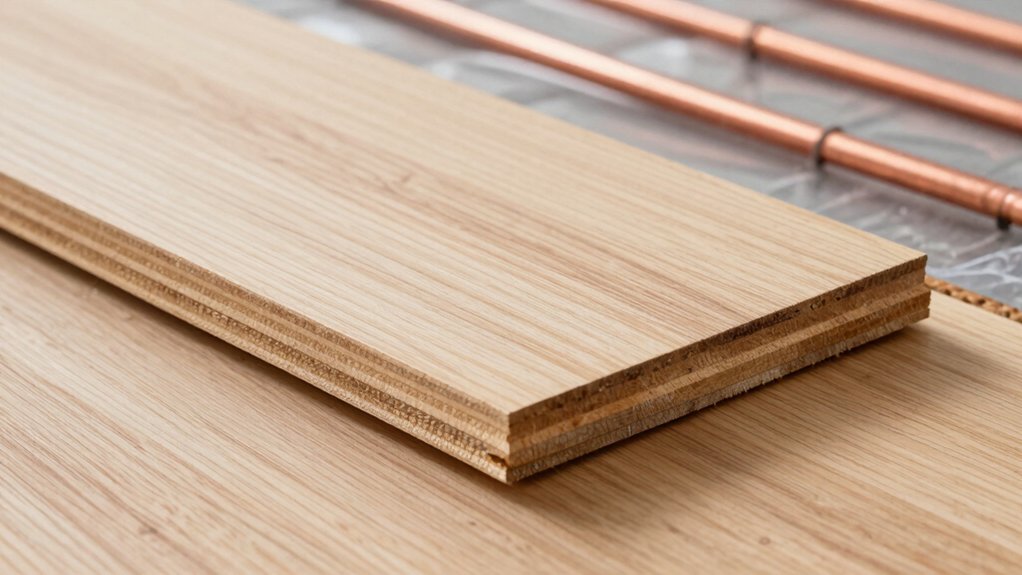
How compatible are engineered wood products with radiant heat systems in controlled environments? In practice, you evaluate thermal performance using tested coefficients of linear expansion, modulus of elasticity, and creep under specified loads at 20–27°C and 30–60% RH.
Conductivity, heat flux, and surface temperature rise must meet ISO/ASTM standards for underfloor heating, minimizing misalignment risks. You should consider board species, veneer layup, core composition, and adhesive grade, since each factor shifts thermal resistance (R-value) and dimensional stability by ±5–15% under cyclic heating.
Confirm system controls maintain average surface temperatures below 28°C and monitor peak excursions; insist on certified radiant-compatible products with documented moisture management, expansion allowances, and compatible fasteners. Fundamentally, compatibility hinges on validated data, strict adherence to standards, and proactive system calibration.
Installation Methods and Acoustical Considerations
Installation methods for engineered wood in radiant systems must prioritize precise substrate preparation, controlled fastening strategies, and rigorous acoustical performance targets.
You should specify subfloor flatness within ±2 mm over 2 m, and verify moisture vapor emission rates to meet ≤3 kg/m2/24 h where applicable.
Use fasteners and subfloor panels per manufacturer and ANSI/NAF standards, optimizing spacing, angle, and depth to minimize movement.
Choose underlayment with tested STC/IIC improvements, documented as a minimum of 3–5 dB, and ensure compatibility with radiant plates and insulation.
Establish an installation window that respects surface temperature limits, cure times, and adhesive or nail-down sequences.
Document all tolerances, deviations, and test results, and implement corrective actions before finishing.
Adhere to quality control checklists to maintain long-term acoustical and structural performance.
Durability, Aging, and Care for Heated Floors
Durability, aging, and care for heated floors demand a data-driven approach that links material properties, system design, and maintenance. You assess mechanical tests, predicted service life, and failure modes under dynamic load and thermal cycling, aligning with standards such as EN 13226, EN 13329, and ASTM F710-compatible criteria.
Material stiffness, creep, and dimensional stability quantify swelling and contraction risks across temperature ranges up to 27–28°C and humidity fluctuations. Aging indicators include wear resistance, surface hardness, and coating resilience under radiant heat cycles, with acceptable loss limits specified by industry norms.
Care protocols emphasize controlled moisture exposure, routine inspection of joints, and prompt remediation of microcracking. You document performance metrics, establish maintenance intervals, and guarantee traceability to supplier declarations and installation QC data.
Practical Tips for Choosing and Maintaining Engineered Wood
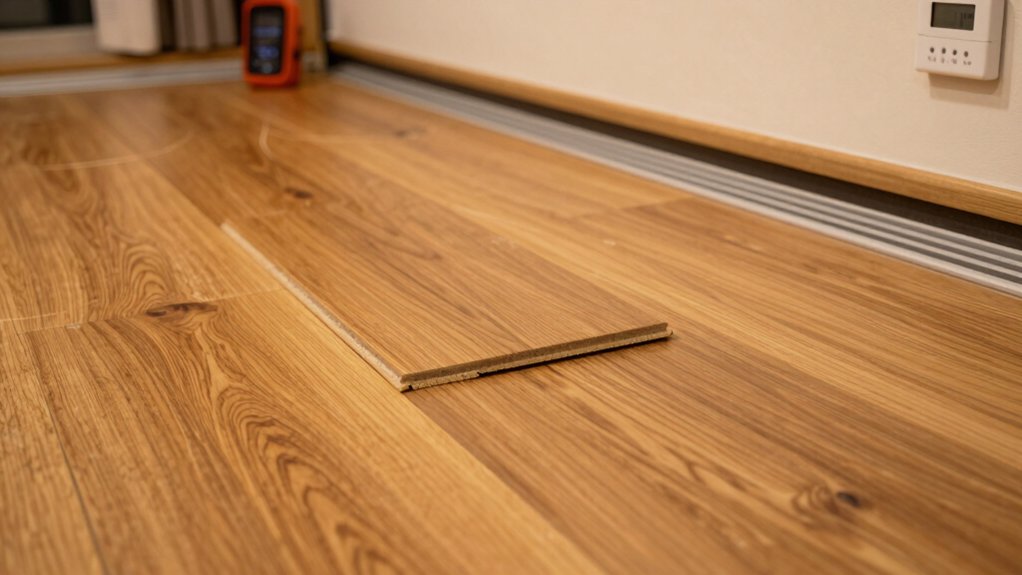
When selecting engineered wood for floors with underfloor heating, start with quantified performance specs—minimum Janka hardness, modulus of elasticity, and relative shrinkage under defined temperature and humidity cycles per EN 13226, EN 13329, or equivalent ASTM criteria—and prioritize products with documented 10–15% dimensional stability under 20–28°C and typical radiant-heating moisture ranges.
Verify installability standards, adhesive compatibility, and heat flux tolerance, ensuring species and veneer thickness support stable dimensional behavior.
Demand precise warranty terms covering heat cycling, expansion, and cupping risk, along with third-party test reports and time-weighted creep data.
For maintenance, implement controlled humidity, use moisture meters, avoid aggressive cleaners, and follow manufacturer refinishes within specified service windows; log cycles and observe measurable dimensional change post‑installation.
Frequently Asked Questions
How Does Underfloor Heating Affect Engineered Wood Warranty Terms?
Underfloor heating can affect warranties; you should verify product-specific clauses, required floor temperature limits, humidity ranges, and maximum surface temperatures. You’ll need professional installation, documented installations, and adherence to standards like ISO/EN 12626, with continuous monitoring.
Can Engineered Wood Be Used With Electric vs. Hydronic Systems?
Yes, engineered wood can be used with electric and hydronic systems, but you must match SPC/engineered grades to ASTM/ISO standards, monitor target moisture (MC) and surface temperature, and guarantee certified underlayment and heat ramp rates for performance.
Are There Moisture Monitoring Methods Recommended for Heated Floors?
Yes, monitor moisture continuously with RH sensors and surface probes, aiming for 40–60% RH and ≤2% wood moisture variance; verify using ASTM/ISO standards, log weekly data, calibrate sensors quarterly, and trigger alarms if thresholds are exceeded.
What Are Signs of Heat-Related Damage in Engineered Wood?
You’ll notice cupping, gaps, and finish cracking as heat-induced damage in engineered wood. Delamination, moisture swelling, and accelerated wear follow high floor temperatures, uneven distribution, or prolonged exposure beyond manufacturer specs; monitor humidity, temperature, and load per standards.
Is Radiant Heat Suitable for Existing Real Wood Floors?
Radiant heat can be used with existing real wood floors if you verify system compatibility, maintain substrate stability within ±0.25% moisture, limit surface temperature to 24–28°C, and install compatible low-resistance underlayment to minimize expansion.
Conclusion
Engineered wood can perform well with underfloor heating when you select products designed for radiant systems, control moisture, and follow installation guidelines. Use low-emission adhesives, target MDF/plywood cores with stable dimensions, and verify finishes tolerate peak temps. In practice, you might think of a well-tuned radiator: a 2–3% dimensional change under typical 20–27°C ambient swings, staying within ±0.2–0.5% drift per hour. With proper specs and installation, you’ll achieve durable, compliant floors that meet standards and expectations.