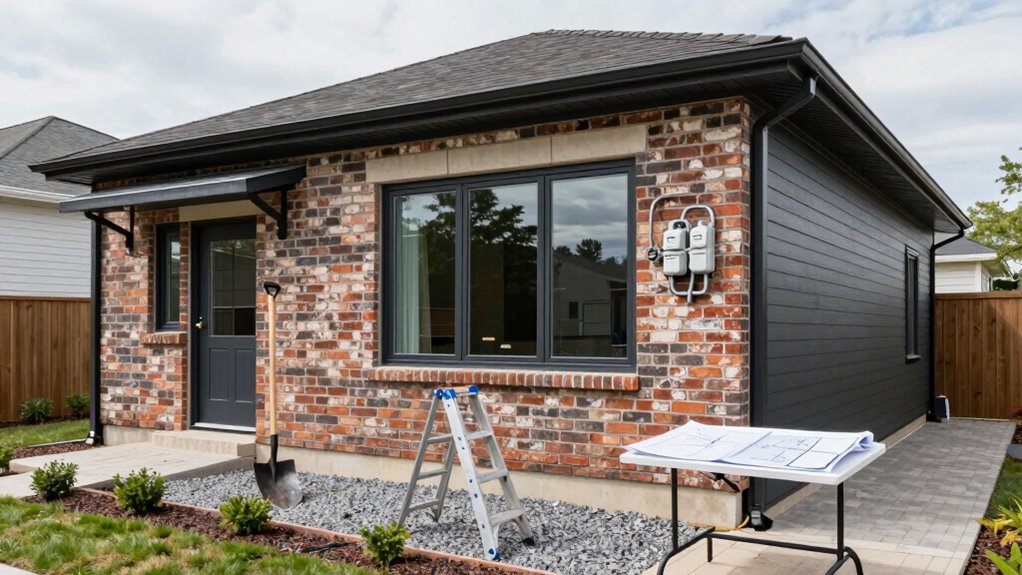
When you’re updating an old property to modern standards, start with a clear sense of your structure, systems, and budget. You’ll face foundations, electrical rewiring, plumbing updates, insulation, and code compliance—each with its own cost and timeline. A phased plan helps manage cash flow and surprises. Stay focused on scope, chasing efficiency gains and preservation where needed, but be prepared for contingencies. There’s value in a thorough baseline—and a practical path forward—if you want to see where the project truly lands.
Assessing the Age and Condition of the Property
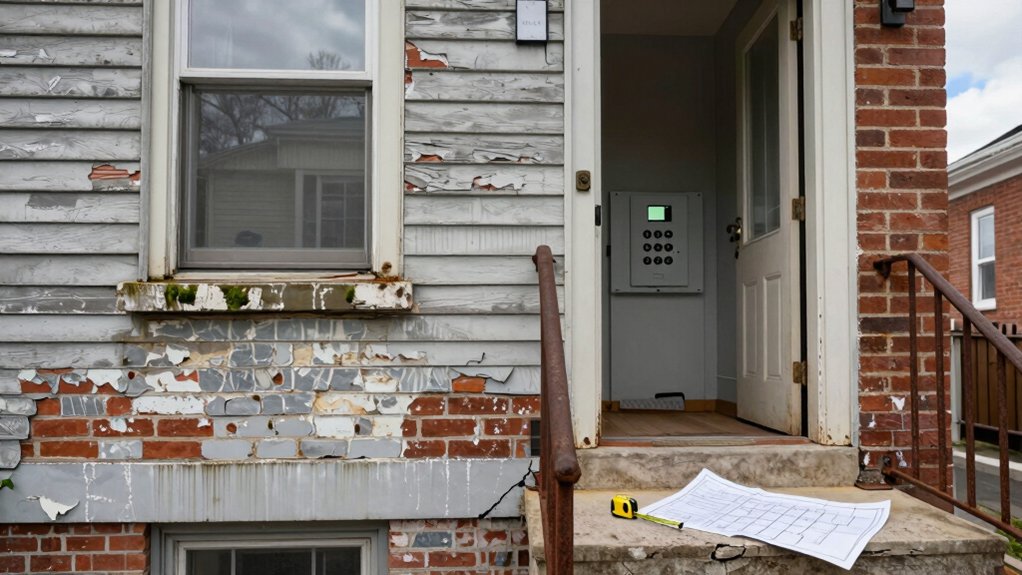
Evaluating the age and condition of a property starts with a clear baseline: what materials and systems are in place now, and how far they’ve degraded. You’ll catalog structural framing, roofing, walls, and foundation, noting concealed elements with a scope check and prior records review.
Assess electrical, plumbing, HVAC, insulation, and ventilation for compatibility with modern loads, codes, and efficiency targets. Identify siting constraints, moisture risks, and signs of ongoing deterioration, such as corrosion or wood decay.
In this phase, consider historic preservation objectives and aesthetic restoration potential, distinguishing preservation needs from modernization goals. Document retrofit feasibility, accessibility barriers, and durability gaps.
Deliver a prioritized list of actionable observations, severity levels, and immediate mitigation steps to guide budgeting and scheduling.
Budgeting for a Full Property Refresh
You’ll start with clear cost estimation basics to set a realistic budget and timeline for the full refresh. We’ll outline phased renovation planning so you can prioritize high-impact areas while managing cash flow.
We’ll incorporate contingency budgeting tips to cover unforeseen needs. This approach keeps you aligned with the project scope, maintains control over costs, and supports a smooth, client-focused renovation process.
Cost Estimation Basics
Before you start, establish a clear scope and a realistic budget to guide every decision in a full property refresh. Cost estimation basics focus on quantifiable inputs, phased milestones, and risk buffers that protect your timeline and cash flow.
Start with current condition surveys, price quotes from licensed trades, and a contingency of 10–20% for unforeseen issues.
Break costs into categories: structure, systems, finishes, and permits. Track unit costs, labor rates, and material lead times to refine totals weekly.
Consider historic preservation and aesthetic considerations early, mapping any required approvals and compatibility constraints.
Use standardized pricing databases and adjust for local factors.
Build a defensible, documented estimate you can present to stakeholders, then update it as designs evolve to maintain alignment with your scope and budget.
Phased Renovation Planning
A staged renovation plan keeps your budget under control by aligning scope, timing, and cash flow with real-world constraints. You break the project into clearly defined stages, each with scope, cost estimates, and milestones you can track.
Begin with a high-level design brief that prioritizes essential updates and permits historical preservation concerns, then sequence trades to minimize downtime and rework. You’ll lock in a base budget for core systems first—structure, wiring, insulation—and reserve contingencies for later cosmetic or finish work.
Maintain aesthetic consistency across phases by selecting cohesive materials and finishes early, and document decisions to avoid scope drift. Use phased approvals to prevent costly backtracking, and ensure scheduling aligns with permit cycles and supplier lead times.
This approach delivers measurable value without sacrificing quality or timeline integrity.
Contingency Budgeting Tips
Contingency budgeting is essential when planning a full property refresh because it guards against scope creep and market fluctuations. You’ll set aside a realistic cushion, typically 10–20% of estimated costs, to cover unknowns without derailing approvals or schedules.
Start with detailed contractor estimates and compare them against your baseline project plan, identifying high-risk items and reliability gaps. Build a tiered reserve: one for unforeseen site conditions, one for design changes, and one for material price volatility.
Track changes in real time and adjust allocations accordingly, documenting every variance for accountability. Consider insurance claims exposure—allocate funds for mitigation and potential repairs that aren’t captured in initial bids.
Maintain clear communication with stakeholders to prevent surprises and preserve project momentum.
Structural Upgrades: Foundations, Beams, and Framing
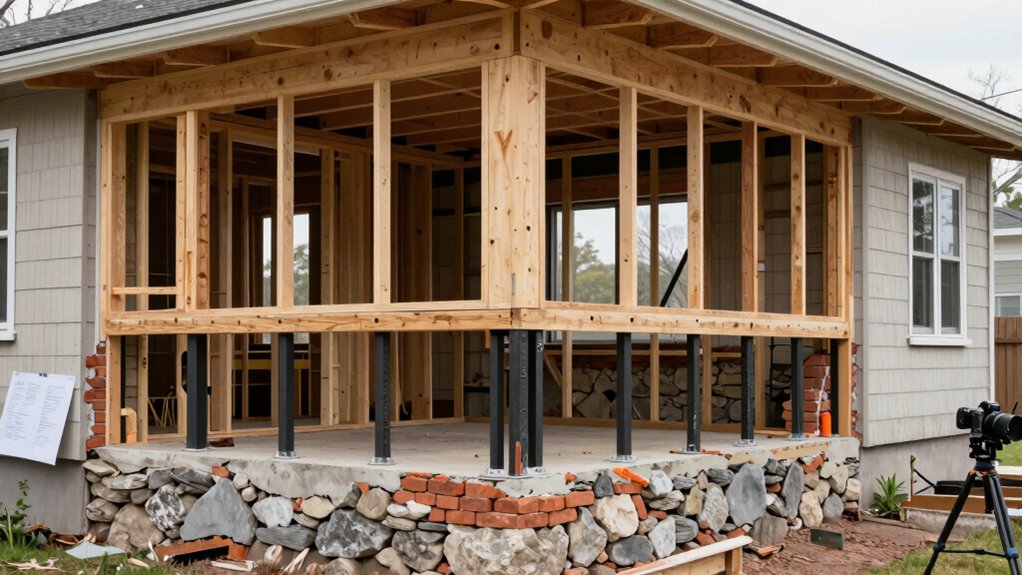
Foundations, beams, and framing form the backbone of any structural upgrade, and addressing them now prevents cost and risk later. You’ll assess current loads, soil conditions, and moisture to determine appropriate actions.
Foundation reinforcement may involve underpinning, proper drainage, or concrete repair to stop settlement and cracking before finishes are applied.
Beams should be evaluated for bending, connection integrity, and termite or corrosion exposure; you’ll replace or sister weakened members as needed to restore load paths.
Framing repairs focus on joists, studs, and headers, ensuring true alignment and weather-tight connections.
Prioritize upgrades that improve stiffness, reduce deflection, and support seismic or wind requirements.
Plan work with precise measurements, documented tolerances, and quality fasteners to minimize future maintenance and maximize long-term performance.
Electrical System Modernization and Safety
Upgrading your electrical system means updating wiring to current codes, installing a safe panel and properly sized breakers, and ensuring solid grounding and bonding.
You’ll reduce fire risk and improve reliability by addressing wiring code updates, panel safety, and proper grounding practices.
We’ll guide you on prioritizing inspections, required upgrades, and cost ranges to plan a compliant, safe modernization.
Wiring Code Updates
Wiring code updates are essential for modern safety and reliability, especially when bringing an older property up to current standards. You’ll verify that circuit layouts meet today’s wiring safety standards and identify where outdated methods could threaten protection or performance.
Focus on practical improvements, like updating neutrals, grounding paths, and conductor sizing to reduce overload risks. You’ll assess whether dedicated circuits for high-demand devices are needed and ensure GFCI and AFCI protections align with code requirements.
Documentation matters: keep inspection notes, permit statuses, and as-built drawings current so future work traces back to code expectations. Your goal is a compliant, predictable system that minimizes nuisance trips and fire hazards while preserving function.
Prioritize safety, reliability, and cost-effective, long-term performance.
Panel and Breaker Safety
Are panel and breaker safety upgrades essential for a reliable, code-compliant electrical system? Yes, they are. You’ll focus on reducing trip events, improving fault detection, and meeting current safety standards.
Start with a professional assessment to identify overloaded circuits, aged components, and non-code installations. Circuit breaker maintenance should be routine, including testing, lubrication where applicable, and replacing worn or corroded devices.
A panel upgrade options discussion helps you balance capacity, space, and budget. Consider modern breakers with arc-fault and ground-fault protection where required, and verify compatible bus bars and grounding conductors.
Ensure enclosure integrity and proper labeling for future maintenance. Document changes for inspections, warranties, and property value, and plan phased upgrades to minimize downtime and disruption.
Grounding and Bonding Practices
Grounding and bonding are the backbone of a safe, modern electrical system, so you should verify they’re designed to control voltage differences and path fault currents effectively.
In grounding practices, you ensure a solid earth reference, proper conductor sizing, and correct grounding electrode system connections. You’ll check for clear continuity back to the service equipment and verify compatibility with local code requirements.
In bonding techniques, you correct impedance paths between metal enclosures, fittings, and grounding conductors to minimize potential differences that could shock or arc. You’ll distinguish between main bonding and system bonding, confirming they’re applied where required.
Plan updates with a focused test sequence, confirm accessory equipment ratings, and document all changes to support future maintenance and safety compliance.
Plumbing Improvements and Water Efficiency
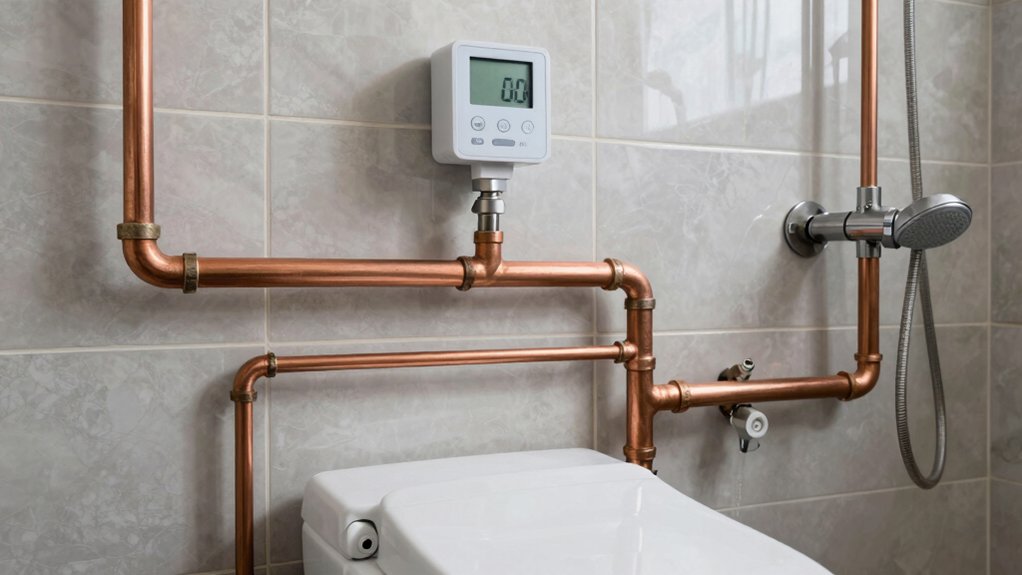
Upgrading plumbing and boosting water efficiency start with a practical plan: identify outdated fixtures, leaks, and pressure issues, then prioritize code-compliant replacements that deliver measurable savings. You’ll map your existing system, locate bottlenecks, and set targets for flow, pressure, and water usage.
Choose water-saving fixtures that meet performance standards without sacrificing comfort, and specify low-flow toilets, faucets, and showerheads with verified certifications.
Implement leak detection strategies, including pressure monitoring and rapid-response shutoffs, to minimize waste and unseen damage.
Update piping as needed to reduce corrosion risks and ensure reliable supply.
Document all changes for permits and future maintenance, and test the system under normal loads to confirm that efficiency gains translate into tangible utility reductions and long-term reliability.
Insulation and Energy Efficiency Upgrades
We’ll start with sealing and insulation to reduce drafts and heat loss. Then, we’ll tackle window and door upgrades to minimize infiltration.
Upgrading energy-efficient systems—like HVAC, water heating, and lighting—maximizes comfort while lowering operating costs.
These steps align with your budget and timelines, focusing on measurable gains in performance and durability.
Sealing and Insulation
Sealing and insulation are essential first steps in improving energy efficiency: they reduce heat loss, keep indoor temperatures stable, and lower heating and cooling costs. You’ll target gaps around foundations, attic hatches, pipes, and electrical penetrations to minimize drafts.
Air sealing creates a tighter envelope, which dramatically improves performance of existing insulation and reduces moisture migration that can lead to mold risk. When selecting insulation, you’ll consider R-values appropriate for your climate, plus ventilation needs to avoid condensation.
Use dense-packed or fiberglass batt methods as dictated by wall and attic assemblies, ensuring proper gaps are filled without compression. Expect proportional cost savings over time, with faster payback when combined with a well-sealed duct system.
Prioritize professional assessment to verify air sealing credentials and achieve consistent energy efficiency gains.
Window and Door Upgrades
Window and door upgrades play a crucial role in tightening the building envelope and cutting energy bills. By prioritizing high-performance openings, you reduce drafts, enhance comfort, and improve overall system efficiency.
You’ll evaluate frame materials, glazing options, and sash weatherstripping to minimize heat transfer and moisture issues without sacrificing daylight. Choose high R-value insulation and low U-factor glass, matched to climate and use.
Installation should ensure airtight joints and proper flashing to prevent leaks. Plan for updating aesthetics alongside function, selecting finishes and hardware that align with design trends while preserving structural integrity.
Budget for air sealing, operable ventilators, and reliable hardware. The result is a tighter, more comfortable space that stays current with design trends and avoids future retrofit costs.
Energy-Efficient Systems
Insulation and energy-efficiency upgrades target the building envelope and mechanical systems to minimize heat loss and optimize cooling loads. You’ll assess insulation values, air sealing, and radiant barriers, prioritizing gaps around foundations, doors, and ducts.
Expect measurable gains in comfort and steady indoor temperatures with targeted insulation upgrades and continuous insulation where feasible. In mechanical systems, focus on high-efficiency duct design, properly sized equipment, and smart controls to reduce operating hours and energy waste.
When considering renewables, solar panels can offset electricity use, while energy storage options help smooth demand and guard against outages. Conduct a cost-benefit analysis that accounts for utility rate structures, maintenance, and tax incentives.
Choose proven components, implement by skilled trades, and document performance post-install for long-term savings.
Roofing, Gutters, and Exterior Envelope
Roofing, gutters, and the exterior envelope are where most energy loss and water intrusion originate in older homes, so updating them won’t just protect the structure—it improves comfort and efficiency.
You’ll assess roof condition, material lifespan, and proper ventilation to prevent attic moisture buildup. Prioritize storm resistance through reinforced underlayment, skylight integrity, and hail-rated shingles when applicable, reducing replacement frequency and claim risk.
Gutters should be sized and pitched to maintain correct drainage, with leaf guards to prevent blockages.
Exterior envelopes require continuous gaps sealed and flashing updated at intersections to deter drafts and water intrusion. Choose durable finishes with minimal maintenance.
This work boosts aesthetic appeal while preserving long-term value, delivering measurable energy savings and enhanced resilience.
Windows, Doors, and Air Sealing
Upgrading windows, doors, and air sealing ties together the improvements you’ve made to the roof and exterior with a tighter building envelope. You’ll reduce drafts, improve comfort, and lower energy costs by choosing energy-efficient windows and properly installed doors.
Window replacement is about selecting units with appropriate U-factor and SHGC for your climate, plus low-emissivity coatings and durable frames.
Door installation should ensure weatherstripping, proper insulation, and thresholds that minimize thermal bridging.
Air sealing targets gaps around rough openings, utility penetrations, and exterior joints, using rated sealants and tapes for long-term performance.
Budget for professional measurements, correct flashing, and compatibility with existing siding.
The result is better indoor comfort, fewer cold spots, and improved overall building performance.
HVAC System Replacement and Zoning
When replacing an old HVAC system, start by evaluating your home’s heating and cooling loads. Then select equipment with appropriate efficiency ratings and compatibility with existing ductwork and zoning controls; this guarantees reliable comfort and energy savings from day one.
You’ll prioritize a properly sized unit and confirm the system integrates with current zoning to balance rooms efficiently. Consider single- vs. multi-stage cooling, and choose a heat pump or furnace that matches your climate and insulation quality.
Inspect damp insulation and ventilation systems to reduce latent losses and improve air quality. Plan for duct sealing, filter access, and moisture management to prevent mold.
A well-coordinated replacement minimizes service calls and supports consistent temperatures throughout the home, boosting comfort and resale appeal.
Smart-Home and Technology Integration
Smart-home and technology integration starts with a clear plan for how you want your systems to communicate and control each other. You’ll map zones, devices, and response times, then choose a centralized controller or a scalable cloud system.
Prioritize reliable wireless connectivity and security, selecting standards that minimize interference and future upgrades. Assess existing wiring, power outlets, and network backbone to support simultaneous device loads without lag.
For cost clarity, forecast upfront equipment costs, installation hours, and potential retrofits, avoiding over-specification. Focus on essential integrations first—lighting, climate control, and security—then expand as needed.
Ensure updates are compatible with your home automation ecosystem and mobile access. Document configurations, credentials, and firmware schedules for ongoing maintenance and predictable performance.
Building Codes, Permits, and Compliance
Navigating building codes, permits, and compliance can feel intimidating, but it’s essential for a safe, legal update that minimizes risk and delays. You’ll ensure local and state codes early to prevent retrofits that miss requirements or incur rework.
Start with a plan review to confirm scope, identify needed variances, and flag historic preservation considerations that affect materials, methods, and timelines. Expect inspections at key milestones—structure, electrical, plumbing, and energy efficiency—each with documented compliance criteria.
Zoning regulations may influence setbacks, uses, and lot coverage, so verify permitted alterations before ordering work. Secure permits before any demolition or new installations, and maintain a traceable record of change orders.
Coordinate with code officials, ensure contractor certifications, and align updates with safety standards to avoid costly corrections.
Financing Options and Cost-Saving Strategies
You’ll explore financing essentials and how to match loan terms to your modernization plan, so you can fund updates without derailing your budget.
We’ll outline cost-saving tactics that trim project costs while preserving quality, and show how to build a realistic modernization budgeting framework.
This discussion sets you up to compare options, estimate impacts, and make informed, cost-conscious decisions.
Financing Essentials
Financing options for updating an older property can be streamlined when you start with a clear plan: evaluate costs, assess your credit, and choose a financing path that fits your project timeline. You’ll compare loan types, timelines, and draw schedules to minimize interest and simplify administration.
Consider government-backed programs for historic preservation credits, contractor reserves, and phased funding aligned with milestones. Leverage energy or resilience incentives to reduce up-front costs without delaying work.
Build contingencies into your budget for design aesthetics updates that protect authenticity while meeting modern codes. Communicate milestones with lenders to secure favorable terms and avoid cash-flow gaps.
Document scope precisely, track changes, and request itemized draws. This disciplined approach keeps financing predictable and supports on-time project delivery.
Cost-Saving Tactics
To trim costs without compromising quality, start with a clear financing plan that targets both options and savings: compare loan types, draw schedules, and milestone-based disbursements. Then pair them with cost-saving strategies like energy incentives, contractor reserves, and phased work aligned to progress.
You’ll maximize value by selecting financing with predictable rates and flexible draws, minimizing interest while aligning cash flow to milestones. Implement energy efficiency measures early to capture incentives and reduce operating costs, boosting overall project performance.
Maintain tight bid management and transparent change-order practices to preserve the budget. Prioritize tasks that enhance aesthetic appeal, such as durable finishes and low-maintenance materials, while safeguarding quality.
Document savings opportunities, monitor progress, and adjust scope to prevent overruns without compromising long-term performance.
Modernization Budgeting
Modernization budgeting hinges on choosing financing that matches project milestones and pairing it with cost-saving strategies that preserve quality. You’ll align loan terms, rebates, and cash flow to stage gates, preventing oversized draws or delays.
Consider options like construction-to-permanent loans, line of credit for contingencies, and vendor financing where appropriate, always matching payment schedules to completion milestones.
Prioritize cost visibility by itemizing scope, rates, and allowances, enabling accurate comparisons and reducing change orders. Leverage bulk purchase discounts, standardized materials, and off-peak labor where feasible to protect schedule.
For historical preservation and aesthetic consistency, plan treatments that meet regulatory requirements without duplicative work.
Document decisions with a clear budget baseline, update forecasts regularly, and reserve a contingency that reflects risk factors, ensuring option-ready financing as work progresses.
Prioritizing Projects With a Phased Approach
When you’re prioritizing projects, use a phased approach to organize work by impact, cost, and urgency, so you can deliver measurable improvements without overextending resources. You’ll map tasks into tiers that reflect essential systems first, then comfort, then enhancements.
Begin with critical infrastructure and safety fixes, followed by energy efficiency and reliability upgrades, and finally aesthetics. Assess each initiative on cost certainty, disruption risk, and benefit duration to determine sequencing.
Incorporate design aesthetics and historical preservation considerations early, ensuring updates respect era-specific features while meeting modern standards. Communicate clear milestones and success metrics to stakeholders, trimming scope where benefits are marginal.
This disciplined cadence reduces scope creep, accelerates visible progress, and maintains progress visibility across teams, vendors, and approvals, aligning modernization with client expectations.
Return on Investment and Long-Term Value
A clear ROI framework guides decisions about updating an old property, balancing upfront costs with long-term savings and added value. You’ll quantify returns from energy, maintenance, and feature upgrades, then map them to resale price and market interest.
Focus on cost-effective improvements that boost property appreciation without inflating budgets. Track depreciation and tax benefits where applicable, and model scenarios to compare completion timing, material choices, and contractor efficiency.
Prioritize elements with enduring utility—systems, insulation, durable finishes, and essential accessibility—that enhance marketability and reduce operating costs. Measure aesthetic appeal alongside functional gains, since curb appeal and cohesive design influence buyer perception and price.
Frequently Asked Questions
How to Estimate Costs for a Full Property Refresh?
You’ll estimate by listing scope, materials, labor, permits, and contingencies, then price per item and total. Include historical preservation constraints, eco friendly materials, energy upgrades, and timing with phased work; communicate risks, budgets, and client approvals clearly.
What Permits Are Required for Major Upgrades?
You’ll need permits tied to building codes and zoning regulations; start with a plan review, then submit applications, inspections, and approvals for major upgrades, ensuring compliance, timelines, and documentation to avoid delays and citations.
Which Upgrades Yield the Best ROI First?
You’ll prioritize energy efficiency upgrades first, then historical preservation tweaks, since they most boost ROI. You’ll improve insulation, air sealing, efficient HVAC, and windows while respecting historical integrity for long-term value and lower operating costs.
How to Finance a Large Renovation Project?
You finance a large renovation by exploring loans, line of credit, or cash flow from savings, prioritizing Historical restoration and Sustainability upgrades to maximize value while minimizing risk and interest costs. Seek seasoned builders and detailed budget estimates upfront.
How Long Do Typical Renovations Take?
Typical renovations take several weeks to a few months, depending on scope. You’ll prioritize historic preservation and energy efficiency, coordinating permits, inspections, and material deliveries to minimize delays while maintaining structural integrity and client-focused timelines. Continuous updates keep you informed.
Conclusion
Updating an old property to modern standards is a smart, long‑term investment. By first evaluating age and condition, budgeting carefully, and prioritizing structural, electrical, and plumbing needs, you can minimize surprises and stay on track. Use a phased plan to manage cash flow and leverage permits and financing options to optimize costs. Expect some contingency—things rarely go exactly as planned. With a disciplined approach, your home gains safety, efficiency, and lasting value, potentially blessing you with a life-changing upgrade.