
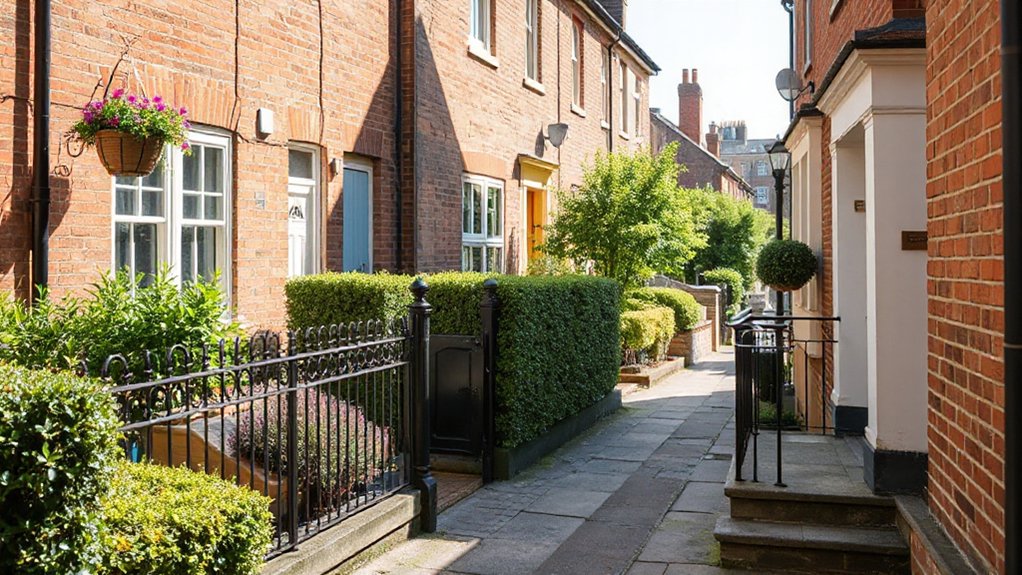
Boost kerb appeal on older UK streets by treating your home as part of a historic streetscape. Start with a careful assessment of façade condition, traditional materials, and proportion, then follow era-faithful updates that are reversible and low-impact. Use subtle colour palettes, compact planting, and permeable front-paths to maximize curb presence without compromising heritage. Add warm, layered lighting and durable hardware that echoes period details. Consistency with neighboring properties boosts value and pride—stick to proven, cost-efficient tweaks, and you’ll build confidence as you go.
Define Kerb Appeal on Older UK Streets: What It Includes
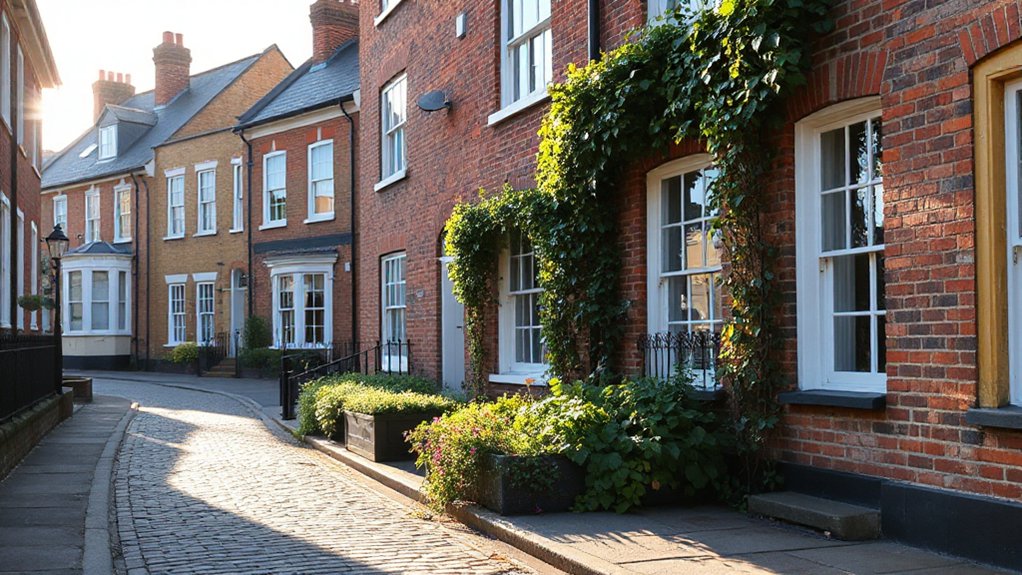
Kerb appeal on older UK streets refers to the immediate visual impact a home and its street-facing surroundings have on passersby and potential buyers. You define it by how the property sits within its context, not just its facade.
Focus on how visible elements—façade condition, door and window treatment, lighting, and boundary treatment—greet a viewer in seconds.
Practical indicators include curb maintenance, signage clarity, and alignment with local character.
Include Modern landscaping to show trimmed greenery, seasonal color, and low-maintenance planting that respects space and heritage.
Urban street furniture, like clearly marked paths, seating, and smart lighting, can enhance accessibility and safety.
Data suggests consistency with nearby properties boosts perceived value and fosters community belonging.
Assess Your Home: Historic Style and Conservation Rules
Start by mapping your home’s historic style using a simple inventory to pinpoint era-specific features that define its character.
Then review local conservation rules to understand what alterations are typically permitted and which require specialist input.
Finally, gather clear guidance on permissions and permits so you can plan changes that protect heritage values while improving kerb appeal.
Historic Style Inventory
If you’re cataloging your home’s historic style, start by identifying the key features that define its era, such as materials, window shapes, rooflines, and decorative details. A Historic Style Inventory helps you compare your house against documented norms, guiding decisions without guesswork.
Track visible elements: brick or stone, sash vs. casement windows, chimneys, eaves, and ornament placement. Note alterations that respect original intent, and map where modern landscaping or contemporary materials could harmonize rather than clash.
Use this data to prioritize sympathetic upgrades, maintain proportionality, and support planning conversations. This practical approach fosters belonging—neighbors see you care about context and stewardship.
Keep the inventory updated as you observe changes, so future renovations stay true to the home’s character while improving kerb appeal.
Conservation Rules Overview
Conservation rules shape what you can change and how you change it, aligning upgrades with the building’s historic character. You’ll assess how features—stone, brick, sash windows, and rooflines—define value, then compare them to local Preservation guidelines and conservation area notes.
Practical steps include documenting existing elements, consulting official manuals, and prioritizing reversible, low-impact updates. Data shows adherence to historic architecture standards preserves market appeal and streetscape cohesion, while avoiding costly missteps.
You’ll find that minor exterior tweaks, such as color schemes, respectful repointing, or period-accurate details, often align with rules without sacrificing modern comfort. Engage early with local planners, gather evidence, and plan phased improvements that honor the past while serving today’s needs.
This approach builds belonging through thoughtful, compliant improvement.
Permissions and Permits Guidance
Managing permissions is essential before you touch any historic-looking exterior. You’ll learn which authorities to contact, what forms to complete, and typical timelines, so you aren’t stalled by surprises.
Start with your local planning department and conservation officer to confirm whether your project requires planning consent, listed-building approval, or scheduled monument permission. Check if your proposals affect streetscape elements, boundary walls, or historic landscaping, since visibility and heritage value influence decisions.
Gather evidence: photos, site plans, and a concise design rationale that explains compatibility with neighbouring older homes. Understand statutory duties, potential conditions, and reasonable safeguards.
Align your plan with urban planning objectives—maintaining character while enabling practical improvements. This practical pathway reduces risk, supports a sense of belonging, and respects the street’s historic rhythm.
Colour Palettes for Historic Homes: Subtle, Respectful, and Fresh
Color palettes for historic homes should be subtle, respectful, and fresh, balancing longevity with modern livability. You’ll find longevity by choosing low-contrast, historically resonant tones—soft creams, warm greys, faded blues—that harmonize with brick, stone, and timber.
Modern livability comes from testing color clusters on small swatches, then documenting how natural light shifts hue throughout the day. Use a restrained palette as a baseline, and introduce an accent in a single door or window trim to reflect personality without shouting.
Garden sculptures and other elements should harmonize, not compete, with the main color. When planning, consider how your palette weathers seasons and neighbour feedback.
Apply consistent finishes to preserve cohesion across walls, fences, and gates, reinforcing a timeless, welcoming street presence.
Front Garden Tactics for Small Urban Plots
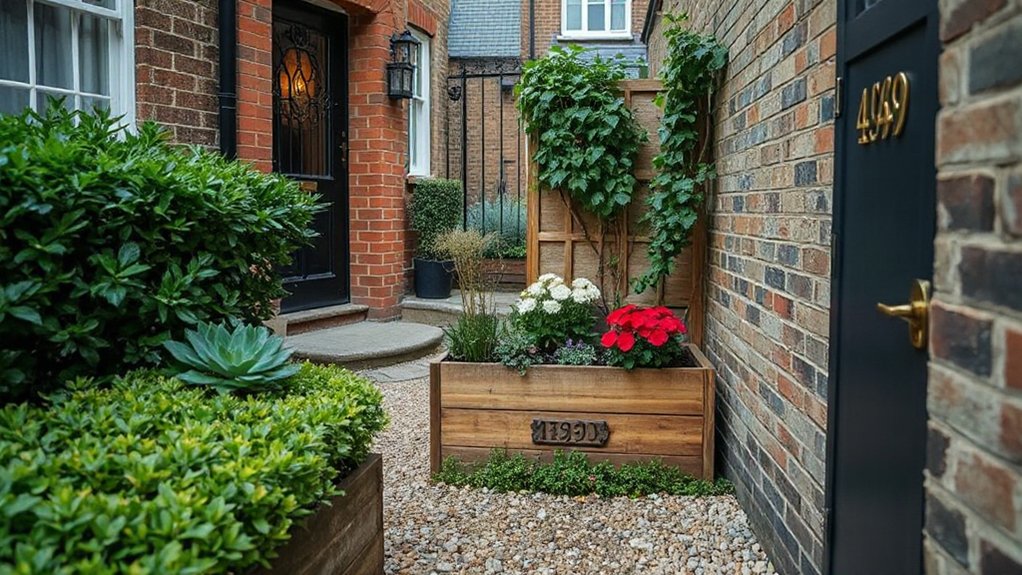
Front gardens on small urban plots demand simple, repeatable strategies that maximize curb appeal without crowding the footprint. You’ll prioritise efficient space use, aligning entrances with existing footpaths and sightlines to create a sense of welcome.
Garden pathways should be narrow, permeable, and clearly defined to guide visitors while preserving plant growth zones. Choose planting schemes with compact, stress-tolerant species, seasonal interest, and low maintenance requirements to sustain year-round impact.
Use vertical accents—tall grasses, slender shrubs, or a small trellis—to add height without consuming ground area. Color should be executed with a restrained palette that complements the home exterior and surrounding streets.
Test drainage, consider hardscape reflections, and document outcomes to refine next-season choices for consistent curb appeal.
Lighting for Character and Safety After Dark
Even after dark, good lighting can transform kerb appeal by elevating safety and highlighting architectural details. You’ll benefit from a pragmatic approach that combines function with charm, using garden lighting to define planting edges and extend usable space into the night.
Choose warm, low-glare fixtures that illuminate paths without glare, guiding visitors safely along steps and slate borders. Pathway illumination should be even, avoiding harsh pools of light or deep shadows that distort depth perception.
Consider LED options with dimming, so you can adjust ambience for gatherings while preserving security. Aim for functional layering: a gentle wash on façades, discreet uplights for mature trees, and motion-sensitive accents near principal routes.
This creates a welcoming, cohesive feeling that reinforces belonging and community.
Front Doors: Finishes, Details, and Proportions
When selecting front door finishes, details, and proportions, you should balance durability with character to boost kerb appeal in older UK streets.
You’ll find that durable materials—paint, enamel, timber, or steel—pair best with traditional finishes that echo Historic craftsmanship.
Aim for proportions that align with the façade’s rhythm, ensuring Architectural symmetry so the entry feels anchored rather than abrupt.
Consider glazing patterns, paneling, and sidelights that reflect era cues without sacrificing security or energy efficiency.
Hardware matters: understated brass or black iron hardware can enhance authenticity while remaining practical.
Colour should complement surrounding brick or stone and the roofline.
Finally, avoid fussy ornament; select clean lines and measured detailing that invite belonging and confidence in the street’s historic character.
Subtle Roofline and Eaves Updates That Respect the Era
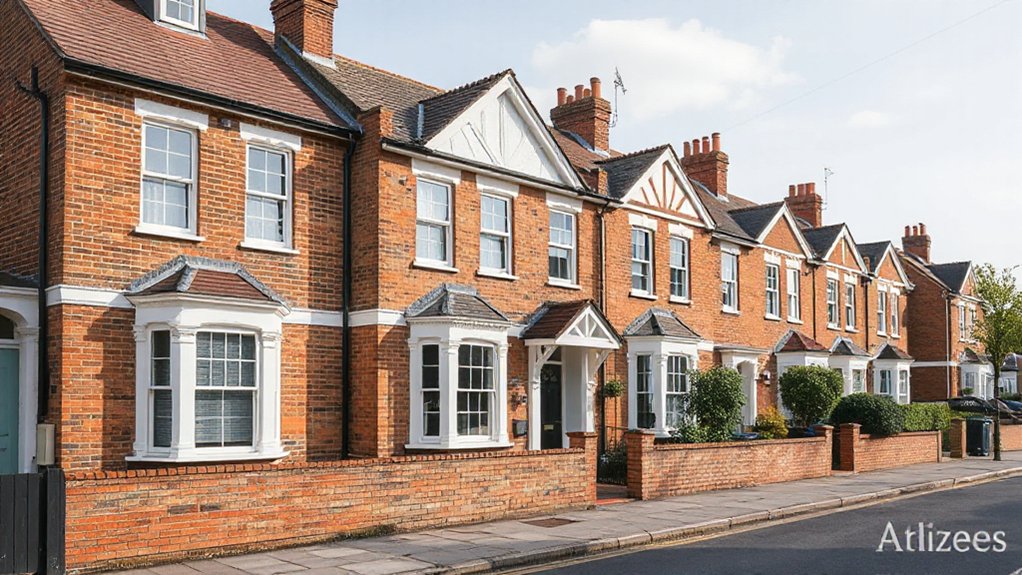
You can start by evaluating how subtle roofline synchrony with your street’s era improves cohesion and perceived value.
Focus on preserving eaves details while updating lightweight materials or insulation so the lines read as authentic, not constructed.
Use this balance to guide practical tweaks backed by on-site observations and street-by-street comparisons.
Subtle Roofline Synchrony
Subtle roofline updates can quietly elevate kerb appeal without clashing with a street’s character. You’ll achieve synchrony by aligning new elements with existing massing, pitch, and visual rhythm, not by mimicking every detail.
Start with simple measures: preserve main cornice lines, respect eave depths, and retain prominent parapets where present. Use conservative materials that read as compatible from the footpath, such as muted clay tiles or low-profile slate.
Prioritize proportions over ornament; when you introduce a modern material, keep it subordinate. Historical rooflines guide you toward architectural harmony, ensuring new work remains legible as part of the street, not a departure.
Ground decisions in daylight studies and envelope measurements, then verify with a neighborly review to reinforce a sense of belonging.
Eaves Detail Preservation
Could you preserve eaves details without erasing the street’s character? Yes, by prioritizing era-accurate silhouettes, materials, and proportions. Inspect existing soffits, fascias, and cornices to map authentic features before any repair. Choose paint, timber, or brick treatments that reflect local history rather than modern shortcuts.
Where replacement is needed, use matched profiles or reversible adaptations so future updates remain true to form. Document changes with photos and notes for historical landscaping references, supporting a cohesive streetscape. Integrate subtle updates like venting or gutter brackets that echo traditional craftsmanship.
Balance should avoid flashy contrasts; let vintage signage and neighboring façades guide tone. This data-driven approach builds trust, reinforces belonging, and preserves a shared visual memory for generations.
Windows and Shutters: Lightweight Enhancements
Windows and shutters are a straightforward, high-impact upgrade for older UK streets. You’ll see immediate curb appeal gains when you choose lightweight, durable frames in muted tones that echo surrounding facades.
Opt for prefinished materials to reduce maintenance and protect heritage features. Aiming for proportional windows and shutter sizes keeps the rhythm of the streetscape intact, while simple, corrosion-resistant hardware speeds up installation.
Keep the look cohesive with period-appropriate trim, but allow subtle modern contrasts to read as intentional design. Garden pathways and window box ideas complement the upgrade by guiding pedestrian flow and adding living texture at street level.
Document costs, expected lifespan, and repaint intervals to build confidence among neighbours and planners. This practical approach reinforces belonging through shared, well-maintained streets.
Quick, Budget-Friendly Fixes That Respect History
If you’re aiming for a quick, budget-friendly upgrade that still respects history, start with low-cost, high-impact fixes like targeted doorway updates, period-appropriate hardware, and refreshed street-facing elements. You’ll see tangible results without overhauling structures.
Choose modern landscaping that nods to heritage—compact borders, discreet lighting, and native plantings that require minimal upkeep. Use eco-friendly materials for fencing, paint, and paving where appropriate, prioritizing breathable, durable options that weather over time.
Documented color palettes and hardware styles help maintain authenticity while delivering a fresh curb appeal. Keep effort proportional to the street’s scale; small, repeatable improvements feel cohesive and inclusive to passersby.
These steps foster belonging, showing you value history while embracing practical, data-informed choices.
Routine Maintenance to Sustain Kerb Appeal
You should set up a simple seasonal maintenance schedule and stick to it, using regular exterior checks to catch issues before they escalate.
Start with a baseline annual clock for gutters, paint touch-ups, and paving, then adjust based on weather and street conditions.
This data-driven approach keeps kerb appeal consistent and minimizes costly repairs down the line.
Regular Exterior Checks
Regular exterior checks keep your kerb appeal steady and affordable. You’ll inspect paint, fencing, gutters, and driveways for wear, corrosion, or plant overgrowth, acting before small problems become costly repairs.
Schedule brief, monthly audits and quarterly deeper assessments to track changes, using a simple diary or app to log conditions. Prioritize high-visibility areas first—front doors, railings, and porch steps—then work outward to side alleys and boundaries.
Document photos and measurements to guide maintenance rows and budgeting, ensuring consistency across neighbours and properties. When issues arise, address them promptly with practical fixes, not shortcuts.
Incorporate garden decor and exterior cleaning as part of ongoing care, reinforcing identity and pride in your street while maintaining durability and value.
Regular checks build confidence, reduce surprises, and foster belonging.
Seasonal Maintenance Schedule
Seasonal maintenance keeps kerb appeal consistent year-round by syncing tasks to weather and growth cycles. You’ll build a practical schedule by grouping actions into spring, summer, autumn, and winter blocks, reducing ad hoc work and costly delays.
Track local climate data, then map tasks to soil moisture, plant growth, and paint drying times so you don’t fight nature.
In spring, plan landscape design tweaks that support structural integrity, pruning schedules, and weed control before peak growth.
Summer focuses on irrigation checks, mulch refresh, and surface cleaning to maintain cohesion with existing materials.
Autumn should emphasize leaf management, rust and mould monitoring, and roofline inspections.
Winter targets material protection and paint selection decisions for upcoming redecoration cycles.
This cadence helps you stay organized, intentional, and connected to your community.
Frequently Asked Questions
How to Balance Modern Security With Historic Street Character?
You balance modern security by tightening lighting and surveillance smartly, while honoring historic street character with measured Street lighting and decorative street furniture placements that respect scale, materials, and human interaction, creating safe, inclusive, data-backed streetscape experiences.
Can Improvements Impact Listed Status or Planning Permissions?
Like a compass needle settling, you’ll find improvements can affect listed status and planning permissions. You must navigate heritage conservation and planning regulations carefully, because your choices influence eligibility, approvals, and long-term community belonging.
What Are Cost-Effective, Non-Intrusive Maintenance Tips?
Yes—focus on cost-effective, non-intrusive maintenance: keep paths clear, prune shrubs, and mulch beds. Landscaping upgrades improve curb appeal, while exterior paint choices refresh walls. You’ll save money, feel connected, and boost perception of your home’s value.
Which Materials Are Best for Preserving Era Authenticity?
You should favor heritage materials and authentic restoration to preserve era authenticity, selecting durable, locally sourced options. You’ll compare performance data, cost, and maintenance, then apply practical, contextual choices that help you feel connected and confidently belonging to your streets.
How to Evaluate Neighbour and Street-Wide Cohesion?
You evaluate neighbour and street-wide cohesion by tracking neighbourhood identity and street unity, then compare metrics like shared spaces, event participation, and fault lines in values, using data-driven insights to strengthen belonging and practical, context-aware improvements.
Conclusion
You’ve got the tools to boost kerb appeal without losing history. Start with a honest assessment of your home’s style and any local conservation rules, then pick subtle colors, efficient lighting, and sturdy, era-appropriate details. Maintain paths, trim hedges, and tidy front gardens for maximum impact. Track cost versus impact with a simple checklist, and adjust as you go. Remember: patience pays off—as the saying goes, slow and steady wins the race.