
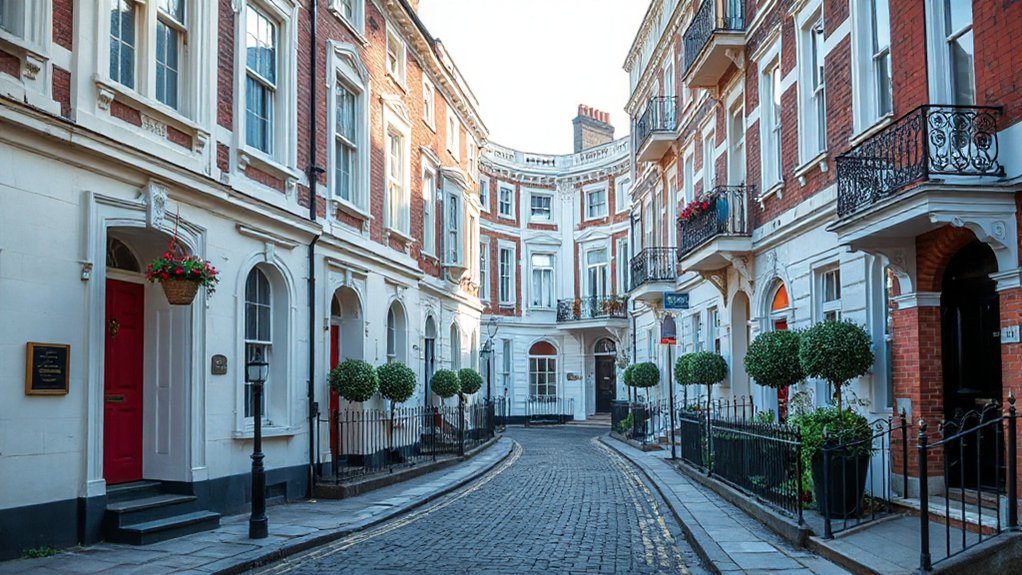
Like a carefully tuned instrument, your front door sets the tone for Bristol’s Victorian streets. You’ll assess architectural details, choose period-true colors, and align fencing, paving, and planting to cohesively redraw the street’s character. With durable, weather-appropriate finishes and subtle lighting, you’ll balance charm with practicality. The next steps reveal practical budgets, timelines, and trades, so you can plan a respectful yet contemporary upgrade that invites curiosity and stewardship?
What Bristol Victorian Curb Appeal Means
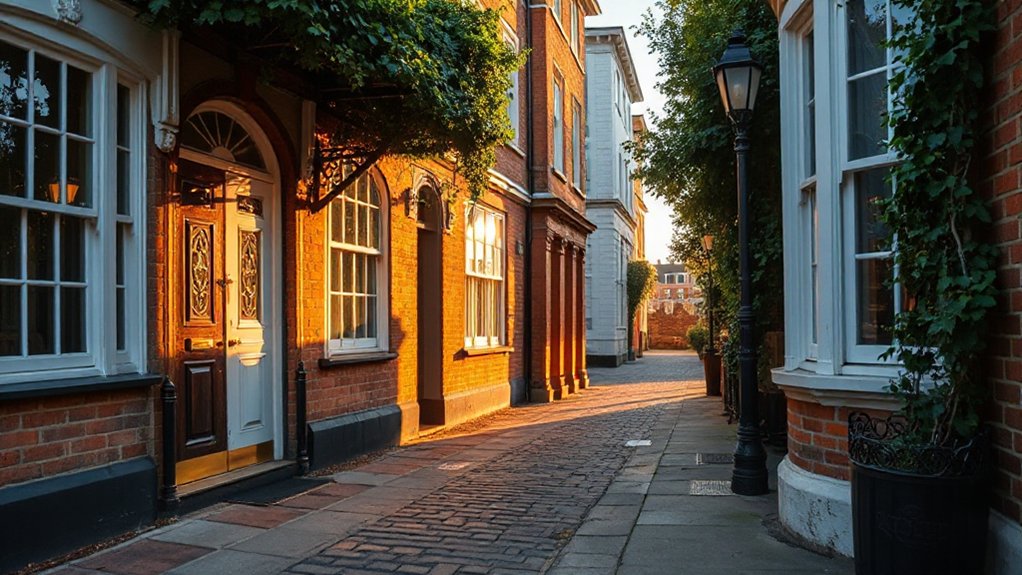
Bristol Victorian curb appeal hinges on a disciplined blend of architectural integrity and curated streetscape details. You evaluate curb-appeal factors through Historic preservation and Victorian architecture lenses, aligning exterior form with function. The concept centers on honest material use, proportion, and resilient detailing that withstands Bristol’s climate while honoring era cues.
You identify how frontages express rhythm: entry steps, porch allocations, parapet lines, and railings that reflect original design intent without overstatement. You assess massing relationships between building, pavements, and landscape, ensuring setback, alignment, and scale convey restrained elegance.
Street-tree canopy, paving texture, and ironwork contribute legibility and continuity. You prioritize maintenance of decorative cornices, sash windows, and brickwork, recognizing that disciplined preservation sustains authenticity and increases perceived value.
Choose a Period-True Color Palette for Doors
Choosing a period-true color palette for doors requires aligning hue, value, and saturation with the building’s era cues while ensuring durability and curb-appeal legibility.
You assess color coordination to harmonize door tones with brick, stone, and trim, avoiding clash or confusion at the entry. Start with a controlled set: one base color, a highlight, and a neutral for accents, then test under varying daylight to confirm legibility.
Prioritize paints with proven durability—aluminum oxide or ceramic-enhanced films, UV resistance, and fade resistance—so color remains stable over years of Bristol weather.
Document the chosen palette with swatches and a small mock-up on-site. Maintain clean lines and precise edges to preserve architectural rhythm, ensuring the door signals the home’s period without overpowering surrounding details.
Restore Architectural Details With Care
Restoring architectural details demands methodical care that respects the building’s original rhythms while updating finish, joinery, and ornament for longevity. You approach each element with a measured plan, documenting existing profiles before any contact with materials.
Focus on architectural detailing that survives decades of Bristol’s weather, then choose compatible fabrics, stains, and paints to preserve historical accuracy. Surface repairs stay reversible where possible, and every replacement matches historic proportions, textures, and voids.
You verify alignment, depth, and reveals, ensuring plaster, stone, or timber reads as a cohesive unit. Detail restoration avoids over-embellishment, favoring restrained embellishment true to the period.
Maintain consistent thresholds and mouldings, so repairs disappear as improvements, and the overall composition remains legible, authentic, and enduring.
Refresh Fencing and Boundary Treatments
Start with invigorating your fencing styles to reinforce curb appeal while ensuring they complement your property’s architecture. Pair updated materials and profiles with refined boundary finishes for a cohesive, low-maintenance boundary that still reads as deliberate design.
This approach prioritizes clarity, durability, and visual balance, guiding your choices toward measurable improvements in overall presentation.
Refresh Fencing Styles
A refreshed fence and boundary treatment can redefine a property’s silhouette and curb appeal, balancing durability with visual harmony. You assess materials for proportion, texture, and color contrast to the brickwork and roofing, ensuring compatibility with Victorian streetscapes.
Select fencing styles that respect historic context while delivering modern resilience; options include picket, railing, and close-board interpretations, each evaluated for vertical rhythm and sightlines. Pay attention to gate proportion, hardware finish, and occasional decorative accents that echo period details without clutter.
Integrate low-maintenance coatings and UV-stable paints to minimize touching up. Consider adjacent elements like garden furniture placement and driveway paving alignment to maintain cohesive frontage.
Documented detailing, clean joints, and precise post spacing sustain long-term boundary integrity.
Update Boundary Finishes
Apply updated boundary finishes by selecting materials and coatings that harmonize with the brick and roof while enhancing durability and readability from the street. You’ll aim for a cohesive perimeter that reinforces architectural rhythm without overpowering ornament.
Choose boundary materials and colors that read clearly from curb level, guaranteeing contrast against facades yet preserving material honesty. Opt for durable timber, metal, or low-maintenance composites, applying finishes that resist weathering and satisfy upkeep needs.
Define garden borders with clean edge cuts to maintain lawn integrity and highlight plant palettes. Integrate boundary markers as subtle anchors within the fence lines to guide sightlines toward architectural details.
Ascertain gates align with window bays and brick courses for visual continuity, avoiding excessive ornamentation that disrupts the Victorian street’s legibility.
Create a Tidy, Low-Maintenance Front Garden
A tidy, low-maintenance front garden hinges on deliberate structure and smart plant choices that require minimal upkeep. You design with clear zones, using a compact footprint and durable materials to reduce weeding and mulching.
Choose weather‑tolerant, evergreen foliage for year‑round presence, and integrate perennials to minimize renewal labor. Opt for groundcovers under salubrious shrubs to suppress weeds and conserve moisture, while keeping sightlines open for curb appeal.
Planting tips emphasize layering: hips, grasses, and small shrubs with contrasting textures to create depth without clutter. Garden layout should prioritize accessibility: paths wide enough for maintenance, edging that contains beds, and a central focal point that draws the eye up to the façade.
Use gravel or resin-bound paving for clean, low‑maintenance surfaces.
Install Lighting to Boost Charm and Safety
Why leave safety to chance when lighting can guide and guard every step? You install a layered scheme that blends function with charm.
Begin with low-glare, warm temperature LEDs along walkways, stairs, and entry points to reduce trip hazards and highlight architectural details. Use diffusers to avoid harsh hotspots, and aim for a uniform 5–8 lux along paths.
Integrate motion sensors for security without constant illumination, preserving energy and ambience.
Choose weather-rated fixtures that resist Bristol’s damp conditions and match the Victorian vernacular while remaining discreet.
Plan power routing in concealed conduits to maintain curb appeal.
Coordinate exterior cleaning with lighting checks, ensuring lenses stay clear and reflecting surfaces don’t obscure visibility.
Implement a maintenance schedule prioritizing garden maintenance tasks and routine fixture inspections.
Select Heritage-Friendly Hardware and Finishes
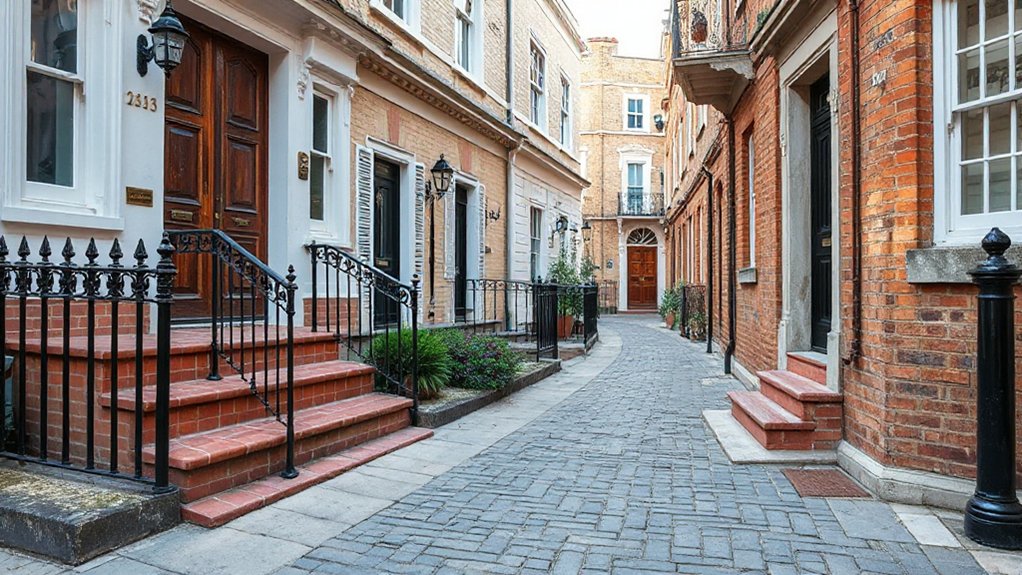
When selecting hardware and finishes, prioritize materials that echo the property’s heritage while delivering durable performance in Bristol’s damp climate. You’ll balance authenticity with reliability by choosing corrosion-resistant metals, such as brass or bronze, for exterior hardware, and satin or aged finishes that mimic Victorian aesthetics.
Seek high-quality hinges, strikes, and escutcheons that resist moisture ingress and maintain smooth operation over time. For doors, consider traditional lever handles or revival rosettes paired with complementary backplates to reduce maintenance and preserve proportion.
For windows, select sash stays and fasteners with a refined patina that ages gracefully. Consistency matters: align hardware profiles, finishes, and scale with architectural details.
Heritage hardware and Victorian finishes should read as cohesive accents, not novelty, enhancing curb appeal with disciplined restraint.
Build a Practical Budget Plan: Costs, Timelines, Trades
To build a practical budget plan, itemize all costs early, then map them to a realistic timeline and qualified trades. You’ll create a clear cost baseline by separating materials, labor, permits, and contingency.
Apply a budget allocation framework that assigns percentages to each category, enforcing discipline as prices fluctuate. Establish milestones aligned with contractor selection, then forecast cash flow to avoid gaps.
Detail procurement steps, from sourcing durable, heritage-friendly finishes to installing compliant rainwater systems. Define the scope precisely to reduce change orders and preserve kerb appeal integrity.
Document risk factors, like supply delays or price volatility, with corresponding mitigations. Choose specialists who understand Victorian streetscapes, ensuring compatibility with listed features.
Track progress weekly, adjust GPU-style budgets if needed, and maintain transparent logs for stakeholder confidence.
Quick Wins for Renters and Homeowners Alike
Investing in curb appeal doesn’t require a full overhaul; smart, low-friction tweaks can deliver immediate impact for renters and homeowners alike. You can begin with exterior cleaning to remove grime, moss, and chalky residue from façades, windows, and trims, restoring contrast and legibility. Prioritize high-visibility surfaces first, then schedule recurring maintenance to prevent buildup.
Garden landscaping should reinforce structure without overhauling foundations: prune overgrowth, tidy borders, and introduce seasonal color with container plantings that can be rotated. Use mulch to suppress weeds and improve moisture retention around the base of key features.
For renters, request permission for subtle changes like temporary screens or removable pots. For homeowners, seal gaps around doors and optimize lighting to accent architectural details. Document outcomes for future reference and resale value.
Frequently Asked Questions
How Can I Source Authentic Victorian-Era Exterior Paint Safely in Bristol?
You should source from Victorian color palettes and Historic paint suppliers in Bristol by verifying VOCs, using traditional lime-based or oil-based formulations, and requesting archival references; compare pigments, guarantee stable finishes, and document provenance for safe, authentic restoration.
Which Local Permits or Conservation Guidelines Affect Curb Changes?
Like a compass needle, you’ll need to navigate permit requirements and conservation guidelines before changing the curb. You should verify permit requirements, align with conservation guidelines, and consult the planning authority to guarantee compliant, aesthetically sensitive alterations.
What Are Affordable, Durable Fence Materials for Victorian Streets?
For an affordable, durable Victorian streets fence, choose powder-coated steel or aluminum with a timber-post option; they resist corrosion and maintenance. In a Victorian garden, decorative ironwork accents add authenticity while preserving light, sightlines, and curb visibility.
How Do Weather Conditions Impact Exterior Restoration Timelines Here?
Weather delays stretch exterior restorations; you’ll factor in seasonal planning to align moisture cycles, cure times, and contractor availability. You manage weather windows, document temp thresholds, and adjust schedules, like a clock, to minimize downtime and preserve finishes.
Are There Grants or Tax Incentives for Heritage-Front Upgrades?
Yes, you can access heritage funding and renovation grants for heritage-front upgrades. You’ll navigate eligibility, match funding rules, and document architectural significance, ensuring compliance with conservation standards while optimizing aesthetics and long-term structural integrity.
Conclusion
You’ve got a clear roadmap: preserve the Victorian soul while upgrading for durability. Focus on period-true colors, ironwork detail, and cohesive boundary treatments, then tie in low-maintenance planting and strategic lighting. Maintain the street tree canopy and textured paving to keep character intact. Clean, repair, and reuse materials where possible, and plan with sensible budgets and timelines. Think: a well-tuned instrument, ready to play—each element harmonizing to sing Bristol’s historic charcoal-and-gold chorus.