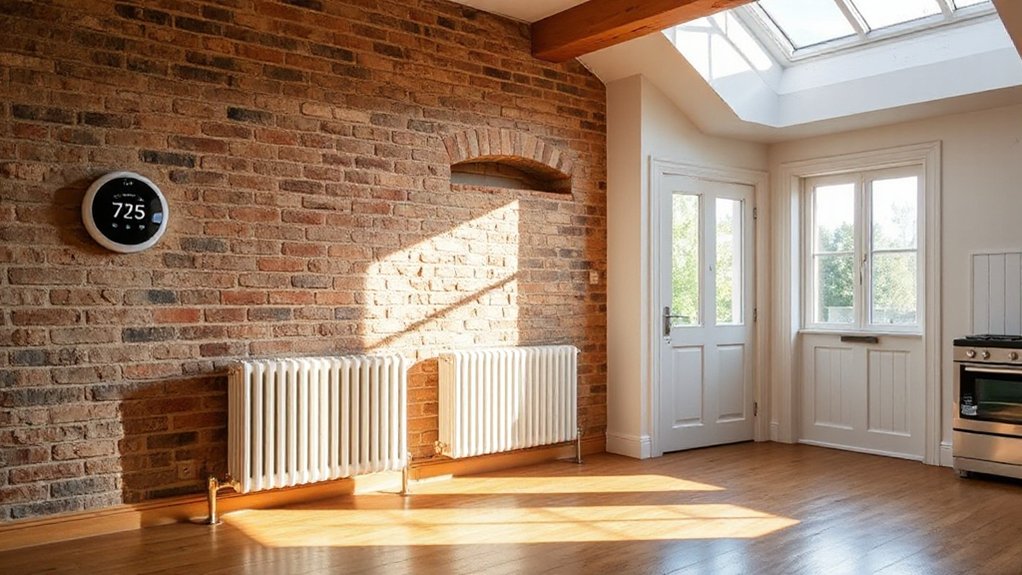
To boost energy efficiency in Glasgow homes, start by tracking your energy use to spot big drains and quick wins like sealing drafts, upgrading insulation, and switching to solar options or PV where practical. Next, consider efficient heating, smart thermostats, and optimized radiator placement. Tap into local grants and plan a long-term retrofit, so your home stays warmer, greener, and cheaper to run. There’s more to weigh before you decide, and the details matter.
Quick Wins for Glasgow Homes: Cut Bills This Season
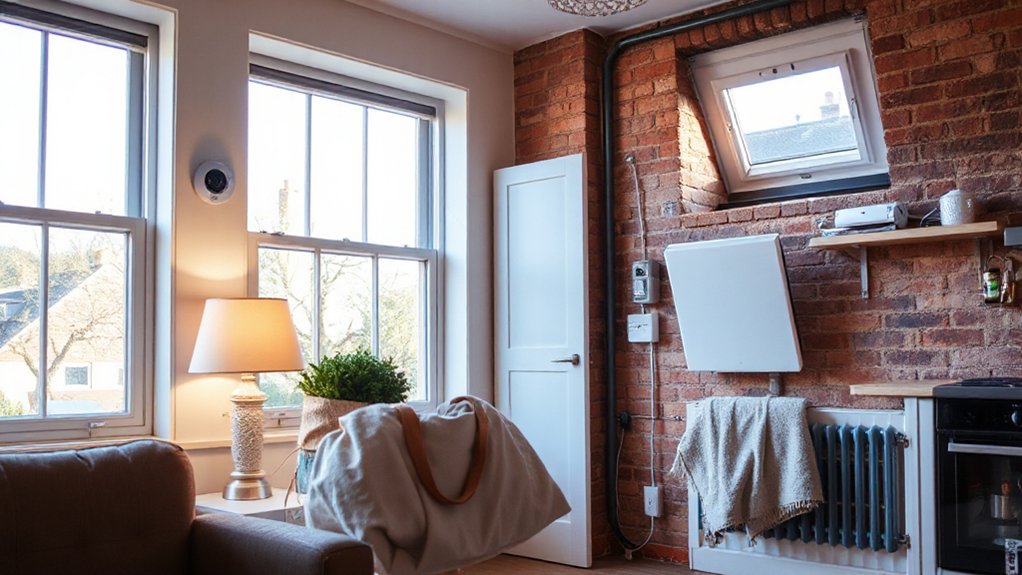
Small changes now can slash bills fast. You’ll start with quick, data-backed wins that fit Glasgow’s seasonality. Track your energy use for two weeks to spot the big culprits, then attack them with targeted actions.
Prioritize loads you run daily: heating, water, and lighting. Switch to renewable sources where feasible, such as solar hot water or small-scale PV, to cut daytime grid demand and lower bills over time.
Tighten behavior habits: you turn down thermostats by one degree, wear extra layers indoors, and batch laundry on cheaper off-peak hours. Seal drafts you can feel and adjust radiator flow to match room needs.
Combine these steps with efficient appliances and you’ll see measurable reductions without major renovations.
Baseline Upgrades You Can Do Now: Insulation and Glazing
Are your walls and windows quietly letting heat slip away? Start with insulation and glazing upgrades that fit Glasgow’s climate. Inspect attic and cavity walls for gaps; seal air leaks to improve air tightness and reduce drafts by targeting common thermal bridging points.
Choose loft insulation with an appropriate thickness to meet current building standards, and upgrade wall insulation where feasible to minimize heat loss through external surfaces.
Replace single-glazed or inefficient secondary glazing with double glazing that has low-emissivity coatings and good U-values; verify frames are well-sealed to prevent cold spots.
For floor over unheated spaces, add insulation or draught-proofing.
Record baseline energy bills to measure impact and prioritize fixes with the largest heat-loss reductions.
Choosing an Efficient Heating System for Glasgow
Choosing an efficient heating system for Glasgow starts with matching tech to climate and usage. In practice, you’ll compare heat sources by annual cost, CO2 emissions, and efficiency ratings for typical Glasgow winters.
Electric heat pumps often outperform electric boilers in low-temperature homes, while gas boilers may suit older, well-insulated houses if optimized with condensing models.
Consider system zoning to avoid unnecessary hot zones and trim waste.
When selecting radiators, size and placement matter: guarantee even room heat with radiator placement that minimizes cold spots and supports good air circulation.
Pair your choice with correct thermostat settings that reflect occupancy and room use, avoiding overshoots.
Run a quick cost-benefit analysis across installation, running, and maintenance to choose a durable, climate-responsive setup.
Smart Tech and Scheduling: Everyday Savings
Smart tech and scheduling translate into real savings by automating daily patterns. You can cut waste by setting thermostats to lower temperatures when you’re away and nudging cooling or heating limits during peak price periods.
Use smart scheduling to align hot water, laundry, and appliance use with off-peak hours, reducing both energy use and bills. Energy monitoring dashboards reveal how small changes affect your bill, showing real-time consumption by appliance and time of day.
With data-driven feedback, you’ll fine-tune routines: preheat or pre-crew warm rooms just before you wake, but avoid continuous heating when rooms are unused. Choose devices that communicate, log trends, and adapt automatically.
Implement incremental changes, verify savings, and iterate for ongoing efficiency gains.
Grants, Support, and Local Options in Glasgow
You can tap into grants for Glasgow homes, plus local support options that help with upfront costs and quick wins.
Data shows how programs target insulation, heat pumps, and boiler upgrades to reduce bills long term.
Let’s review available funding streams, eligibility, and timelines to plan your efficiency upgrades.
Grants For Glasgow Homes
In Glasgow, grants and local support programs can reduce the upfront cost of energy upgrades, making it feasible for more households to improve efficiency. You benefit from subsidies that target insulation, boilers, and heat pumps, lowering payback periods and accelerating project completion.
Typical grants cover a portion of installation costs, while energy audits identify the best retrofit path. You should compare eligibility criteria, required quotes, and timelines to maximize value.
Data shows that combined grants and low-interest loans can cut total project costs by 20–40%, depending on scope.
When planning, consider renewable sources as a long-term strategy, and align upgrades with measured energy savings.
Track outcomes after work completion to verify performance and inform future funding opportunities.
Local Support Options
Local support options in Glasgow can considerably cut upfront costs and speed up energy upgrades. You’ll find grants, loans, and supplier programs available through councils and housing associations, plus verified local installers who can bundle audits with discounted retrofit packages.
Use this data-driven path: compare total costs, payback periods, and eligibility rules for each option, then map them to your home’s needs.
Community engagement boards often publish intake schedules for assistance, so you can time applications around deadlines and workshop dates.
Attend local workshops to learn how to document energy savings, prioritize measures, and avoid red tape.
Track outcomes from successful projects in your area to guide decisions and maximize the value of every support pound.
Energy Efficiency Programs
Looking for practical funding options? Glasgow offers a mix of grants, loans, and local schemes to help you boost efficiency. Start with national programs that pair with city incentives, then check city council portals for area-specific support.
You’ll find energy audits, boiler upgrades, insulation grants, and heat pump subsidies that reduce upfront costs and shorten payback periods. Track eligibility criteria, required documentation, and application timelines to avoid delays.
Data shows programs often target low-income households and fuel-poor areas, but many incentives are broadly available. Use energy literacy to compare options, estimate lifetime savings, and prioritize measures with renewable integration potential.
Stay organized with project milestones, monitor performance after installation, and reapply as programs refresh funding cycles and expand coverage.
Plan for Comfort and Carbon: Long-Term Retrofit Roadmap
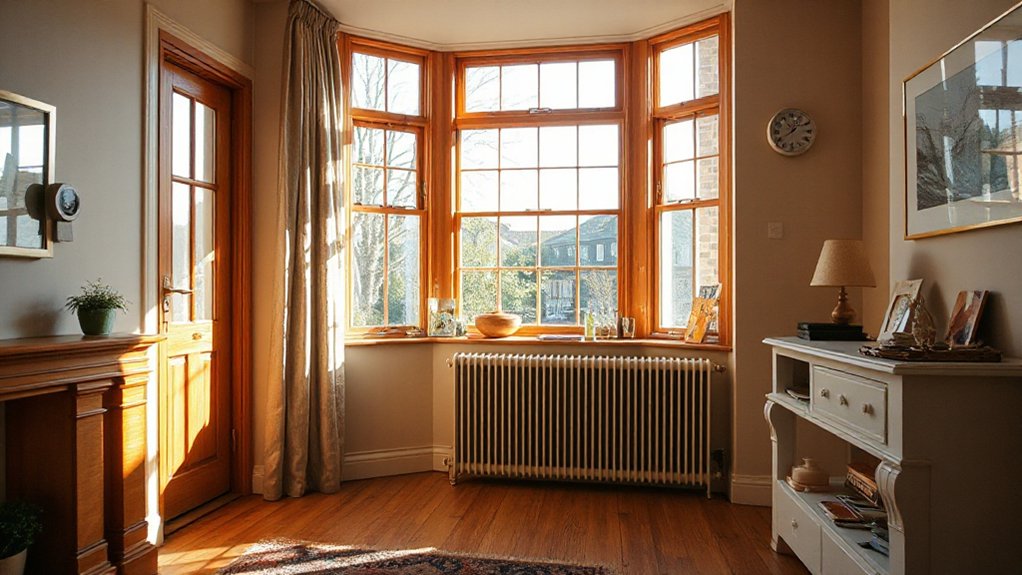
A long-term retrofit roadmap combines current energy data, available incentives, and local housing types to set concrete, phased targets for comfort and carbon reductions. You’ll align upgrades with energy baselines, insulation needs, and ventilation requirements, avoiding overinvesting in unlikely gains.
Use a data-driven approach to schedule interventions in logical sequences: envelope improvements first, then mechanical systems, followed by renewables where appropriate. Track progress with clear milestones, updating projections as consumption patterns shift.
Include renewable integration options that suit Glasgow’s climate and housing stock, such as district heat pilots or heat pump readiness, while preserving comfort standards. Emphasize occupant behavior as a management lever—training, routines, and feedback loops reduce demand while sustaining performance.
Regular reviews ensure the roadmap remains feasible, adaptable, and cost-effective.
Frequently Asked Questions
How Can Glasgow Residents Finance Long-Term Energy Upgrades?
You can access Renewable incentives and Financing options like government grants, low-interest loans, and energy-efficient mortgages, then compare terms, eligibility, and payback periods to choose a budget-friendly pathway for long-term energy upgrades in Glasgow.
What Local Councils Offer Free Energy Assessments in Glasgow?
You can contact Glasgow City Council or your local authority for free energy assessments; many offer home energy visits. They evaluate Renewable energy options and recommend Smart home technology to cut costs and improve efficiency based on data.
Are There Ethical Considerations With Energy Efficiency Upgrades?
Yes, there are ethical considerations. You should minimize your carbon footprint and prioritize ethical sourcing, selecting materials and suppliers that disclose emissions data, fair labor practices, and supply chain transparency to guarantee responsible energy-efficiency upgrades.
How Does Insulation Affect Summer Comfort in Glasgow Homes?
Insulation reduces heat gain, so in Glasgow summers you’ll stay cooler when you use ventilation strategies to manage humidity and airflow. Choose insulation materials with high thermal mass and proper vents, and monitor indoor temperatures for practical, data-driven results.
Can Tenancy Rights Affect Retrofitting Eligibility in Glasgow?
Tenants’ rights can influence retrofitting eligibility, so you should verify tenancy terms and consent requirements. You’ll find that Tenant rights protect access to energy-efficient upgrades, while eligibility hinges on lease conditions, property ownership, and funding programs tied to tenancy status.
Conclusion
You’ve got a clear path: cut bills now, upgrade insulation, and seal drafts. Track your energy use, then target big leaks, add smart controls, and switch to efficient heating when you can. Use grants and local options to fund fixes, and map a practical retrofit plan for the long term. Think of it as tightening a sail—small, steady adjustments steering you toward warmer rooms, lower bills, and a greener Glasgow. Your future comfort is within reach.