

In Cardiff, you should start with a clear energy audit and thermographic scan to pinpoint heat loss, then seal drafts and upgrade insulation where it counts. Aim for airtight joints around doors, windows, and pipes, and consider a heating upgrade that fits your home and budget. Add smart controls and monitoring to track gains, and explore local grants to fund phased improvements. The next steps reveal how to turn those findings into a cost-effective plan for your property.
Why Cardiff Homes Waste Energy: and How to Stop It
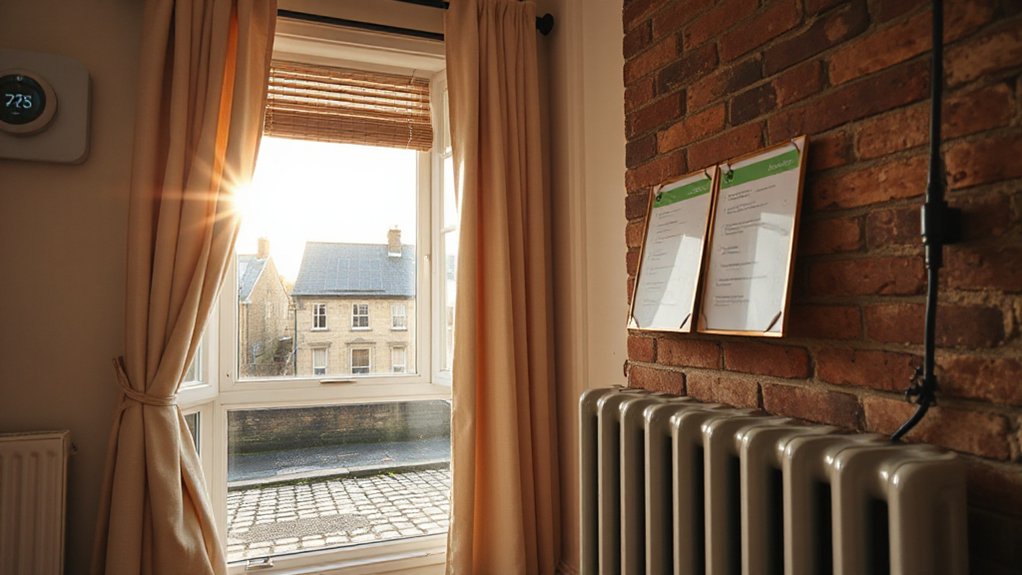
Carbon homes waste energy mainly through overlooked inefficiencies in insulation, heating controls, and air leakage. You’ll see the biggest gains when you target these areas with practical steps. Start with a quick energy audit to quantify losses and prioritize fixes.
Renewable sources can reduce ongoing demand, but only after you seal obvious leaks and tune controls. In practice, improve attic and wall insulation to limit heat loss during Cardiff’s cool seasons, then install programmable thermostats to avoid idle heating.
Check windows for drafts and upgrade weatherstripping where feasible. A lifecycle approach helps: track improvements, costs, and energy savings to validate payback. Regular maintenance of boilers and heat pumps keeps efficiency high.
Audits guide you toward measurable reductions, not guesswork.
Seal Drafts and Upgrade Insulation First
Start by sealing drafts and upgrading insulation, because small leaks and thin walls waste heat quickly in Cardiff’s cool seasons. You’ll reduce heat loss first, since gaps around doors, windows, and ports are common culprits.
Focus on Draft sealing: weatherstripping, door sweeps, and addressing cracks in frames. For Insulation upgrading, target attic and cavity wall gaps, plus pipes and ductwork that siphon warmth.
Use a simple check: hold a light by suspected seams; if you see glow, seal it. Prioritize high-heat-loss areas, then verify improvements with a thermographic scan or room-temperature checks.
Expect noticeable comfort gains and lower bills after a small upfront effort. Document improvements for future renovations, and reuse existing materials where feasible to maximize cost-effectiveness.
Choose a Cardiff-Appropriate Heating System (Boiler, Heat Pump, or Alternative)
You’ll compare boilers, heat pumps, and alternatives to match Cardiff’s climate, costs, and incentives. Consider efficiency, running costs, and installation implications for your home, families, and future plans.
Weigh local data on performance and carbon if you’re aiming for steady comfort with smart controls and long-term savings.
Boiler vs Heat Pump
Is a boiler or a heat pump the better fit for a Cardiff home? In practice, your choice hinges on running costs, climate, and retrofit ease.
Boilers excel with high-temperature comfort and existing pipe layouts, but heat pumps deliver better whole-house efficiency and lower carbon when paired with smart controls.
Data shows heat pumps often lower annual CO2 if powered by renewables, yet installation costs and space needs can be higher in older Cardiff properties.
Consider hybrid setups to balance upfront costs with long-term savings.
For controls, smart thermostats optimize boiler cycles or heat-pump demand, shaving energy use.
Look at renewable fuels compatibility and local incentives to maximize returns.
Assess insulation, radiator sizing, and grid electricity mix to determine the most pragmatic path for your home.
Alternative Heating Options
Choosing the right Cardiff-appropriate heating system means weighing cost, space, and carbon impact. Alternative options give you flexibility beyond boilers and heat pumps.
Solar panel installation can offset heating demand by generating electricity for heat pumps or hot water, reducing running costs over time.
For properties with limited space or retrofit constraints, biofuel heating offers a low-muss implementation path, especially where gas networks are unreliable or unavailable.
Consider upfront costs, fuel availability, and storage needs; biofuels may require tank space and periodic top-ups.
Solar-assisted strategies can boost efficiency, but performance depends on roof orientation and shading.
In tight budgets, hybrid approaches mix lightweight heat pumps with renewable supplements.
Choose based on long-term energy bills, maintenance needs, and available incentives.
Prioritize reliability, safety, and local climate performance.
Add Smart Controls to Cut Wales’ Climate Costs
Smart controls can streamline energy use by aligning heating and cooling with real-time needs, boosting efficiency without sacrificing comfort.
With calibrated energy scheduling, you’ll save on bills while reducing peak demand, and grid-responsive thermostats help balance Wales’ supply and demand.
Start by evaluating adoption likelihood, then measure impact through monthly consumption and cost data to guide further tuning.
Smart Controls Adoption
Smart controls can dramatically reduce energy use in Welsh homes by optimizing heating, cooling, and appliance schedules. You’ll see benefits when you install smart thermostats and enable adaptive scheduling based on occupancy data.
Pair these with energy monitoring to spot inefficiencies and track real-time consumption, so you avoid standby waste and phantom loads.
In practice, you can expect measurable drops in monthly bills as heating setpoints stay within comfort bands while the system learns your patterns.
Data shows households with smart controls reduce peak demand and cut wasted energy during off-peak hours.
To maximize results, guarantee connectivity, regular firmware updates, and clear labeling of zones.
Start with a simple thermostat, then expand controls as you verify savings and comfort.
Calibrated Energy Scheduling
Calibrated energy scheduling builds on smart controls by aligning heating, cooling, and appliance use with actual occupancy and weather patterns. You’ll leverage occupancy data, outdoor temperatures, and historical usage to shape when systems run, reducing waste and smoothing demand.
By applying precise time windows for HVAC and high-consumption devices, you cut overshoot, losses, and standby energy. This approach rests on energy management insights rather than guesswork, translating weather forecasts and routines into concrete control rules.
Scheduling optimization enables gradual, status-aware adjustments, so you don’t pay for energy you don’t use. You’ll see faster payback through lower bills, improved comfort, and more predictable consumption.
Implement, monitor, and refine continuously to sustain gains and support Wales’ climate-cost reductions.
Grid-Responsive Thermostats
Grid-responsive thermostats extend your smart controls by automatically adjusting heating and cooling in response to real-time grid signals and occupancy. You’ll benefit from adaptive heating that aligns demand with grid capacity, helping to minimize peak loads and reduce costs.
These devices learn your routine and adjust settings when energy is cheaper or cleaner, without sacrificing comfort. You can set clear user preferences for temperature bands, vacation modes, and override options, ensuring predictable outcomes even when schedules shift.
Data-driven insights show measurable savings on monthly bills and lower emissions, especially during high-demand periods.
To deploy effectively, connect thermostats to a robust home network, calibrate occupancy detection, and test responses to utility signals. Regularly review usage reports to refine adaptive heating strategies and sustain efficiency gains.
Grants and Incentives for Cardiff Energy Upgrades
What grants and incentives exist to fund energy upgrades in Cardiff, and how can you access them effectively? You’ll find a mix of national programs and local schemes aimed at improving efficiency.
Start by checking the UK Government’s Green Homes Grant successors and any remaining local grants administered by Cardiff Council, which can cover insulation, heat pumps, and solar readiness.
Look for income- or property-related eligibility, caps, and application windows, and gather proof of property energy use and heating costs.
Renewable incentives and tax rebates may apply if you install eligible technologies, offering upfront reductions or post-install credits.
Track deadlines, required certifications, and installer accreditation to maximize value and minimize delays in funding approval.
Plan repairs and audits accordingly to guarantee compliant, cost-effective upgrades.
A Practical, Step-by-Step Upgrade Plan for Typical Cardiff Homes
If you’re planning upgrades for a typical Cardiff home, start with a quick energy baseline and a clear target. Measure current usage, identify major heat and electrical drains, and set a realistic 12–24 month goal.
Prioritize airtightness and insulation first: seal gaps, add loft and wall insulation, and fit a programmable thermostat.
Next, choose a practical mix of Renewable options, such as solar PV, heat pumps, or heat recovery ventilation, based on roof orientation and budget.
Update windows if needed, opting for double glazing with low U-values.
Implement lifestyle changes: shorter heating seasons, smart scheduling, and appliance modernisation.
Benchmark improvement with monthly logs, verify with post-upgrade audits, and scale steps only after each milestone prove cost-effective.
Maintain momentum by aligning upgrades with local grants and weather patterns.
Frequently Asked Questions
How Do Cardiff’s Weather Patterns Affect Retrofit ROI?
Cardiff’s milder winters and wet summers improve retrofit ROI by boosting heating demand reliability and limiting ventilation losses; climate resilience lowers risk, while renewable integration reduces operating costs, though you’ll see longer payback if rainfall drives moisture-related upgrades.
What Maintenance Reduces Energy Waste Beyond Insulation?
Did you know 15% of home energy waste comes from inefficient HVAC and appliances? You can cut this by focusing on HVAC optimization and appliance efficiency, performing regular filter changes, sealing ducts, and scheduling smart maintenance to prevent leaks.
Which Local Contractors Service Cardiff-Specific Grants?
You should check Renewable incentives and verify Contractor qualifications for Cardiff-specific grants, focusing on local firms. You’ll compare quotes, confirm eligibility, and track approval timelines, ensuring your chosen contractor aligns with energy targets and data-driven performance metrics.
Are There Welsh-Specific Building Codes for Upgrades?
No—the Welsh regulations and Building standards do dictate upgrades. You’ll follow specific Welsh regulations, assess energy impacts, and document compliance; obviously, data-driven steps trump guesswork, so you’ll plan audits, insulation, and efficiency measures accordingly.
How Long Do Upgrades Typically Pay Back in Cardiff?
Upgrades typically pay back in 5–10 years in Cardiff, depending on insulation and efficiency measures. You’ll see energy savings each year, while upgrade costs vary; prioritize high-ROI improvements to shorten the payback and maximize long-term savings.
Conclusion
In Cardiff, clear-cut changes cut costs and curb carbon. Start with sealing, sorting drafts, and stacking insulation, then switch to efficient heating and smart controls. Stage upgrades, verify with audits, and seize grants that slash spend. Track consumption with real-time reads, tweak thermostats, and target peak loads. Practical planning, data-driven decisions, and disciplined discipline deliver durable, delightful energy savings—lower bills, warmer homes, a greener Cardiff. Alliteration helps illustrate: sealing, sorting, stacking, saving, sustaining.