
To communicate effectively with tenants, define who you’re talking to and what you want to achieve, then tailor your approach. Use the right channel for the message—email for details, texts for quick updates, in-person for complex issues—and confirm receipt. Set clear expectations in the lease and welcome letters, and keep language plain and respectful. Train staff in etiquette and de-escalation, document every interaction, and protect privacy. If you keep refining, you’ll open even more practical strategies.
Define Your Tenant Segments and Communication Objectives

To communicate effectively, start by defining who you’re talking to and what you want to achieve. You’ll segment tenants by factors like lease type, communication channel preference, and urgency level, so you tailor messages without noise.
Set clear objectives for each segment: inform about policy changes, confirm payment methods, or coordinate maintenance windows. Align your approach with Tenant privacy principles, ensuring data minimization and respectful handling of personal details.
For Lease negotiations, outline the process, timelines, and thresholds you’ll consider, so tenants know what to expect and what you need from them.
Use channel-specific cadences—quick alerts for urgent issues, detailed memos for policy updates.
Regularly review segments and objectives to stay proactive, precise, and empathetic in every interaction.
Set Clear Expectations in the Lease and Welcome Letter
Setting clear expectations in the lease and welcome letter helps tenants start on solid footing from day one; it reduces confusion and builds trust. You outline responsibilities, timelines, and consequences upfront, so there’s less back-and-forth later.
In the lease, specify payments, due dates, late fees, and procedures for returning deposits, keeping language plain and enforceable.
In the welcome letter, reaffirm your commitment to responsive communication and access to resources, so tenants feel supported from the start.
Tie this to lease negotiations by documenting agreed terms clearly, preventing misunderstandings as occupancy begins.
Clarify processes for maintenance requests and inspections, plus how rent collection will be handled, including acceptable methods and contact points.
A proactive welcome letter reinforces expectations and sets a collaborative tone for a smooth tenancy.
Match Message Types to Channels: Email, Text, or In-Person
Choosing the right channel for each message helps tenants feel heard and move things forward quickly; email, text, and in-person each have strengths. You’ll match urgency, formality, and sensitivity to the channel, preserving tenant privacy and controlling communication frequency.
Email suits detailed info and records. Text works for quick updates or confirmations. In-person handles complex issues with nuance. Use concise, respectful language and confirm receipt when needed.
Prioritize privacy by sending sensitive details through secure channels and avoiding public threads. Tailor tone to the message, not the channel, and respect tenants’ preferred contact methods.
Balance speed with clarity to prevent miscommunication and frustration.
- Align urgency with the right channel
- Keep messages concise and focused
- Protect tenant privacy in every exchange
- Use text for quick updates and reminders
- Document key points and confirmations
Establish a Cadence for Updates and Confirm Receipt

Establish a steady update cadence so tenants stay informed without feeling overwhelmed, and always ask for confirmation to guarantee you’re on the same page. You’ll set predictable intervals (e.g., weekly summaries or post-service updates) and stick to them, so tenant expectations are managed from the start.
When updates land, be concise: state what happened, what to expect next, and any actions needed. This reduces back-and-forth and minimizes communication barriers.
If a delay occurs, share the reason and revised timing promptly, not later than you’d expect. Invite quick confirmation, even a simple “received” reply, to close the loop.
You’ll foster trust by showing you listen, follow through, and value tenants’ time, while keeping conversations purposeful and respectful.
Write Clear, Respectful Messages Without Jargon
Clear, respectful messages avoid jargon and speak directly to tenants’ needs. You’ll communicate clearly by using simple words, short sentences, and active voice, so your message lands without confusion.
Avoid technical terms unless you define them, and keep the focus on what tenants must know now, not on what you assume they should feel. Be mindful of Tenant privacy when sharing sensitive details, and avoid oversharing.
In lease negotiations, state options, timelines, and next steps plainly. A respectful tone invites questions and confirms understanding.
If feedback suggests a change, acknowledge it and adjust promptly. Clear messages reduce back-and-forth and build trust.
- Use plain language and define any terms
- State purpose, action required, and deadline
- Protect Tenant privacy in all communications
- Outline lease negotiations options and timelines
- Invite questions and confirm understanding
Confirmations and Recaps: Locking in Details After Each Message
After each message, lock in the details by summarizing what was agreed, what’s still open, and the next steps. You’ll reduce back-and-forth by creating a clear recap that both sides can reference. State any numbers, dates, and responsibilities precisely, so nothing slips through the cracks.
When you collect Tenant feedback, note patterns and urgent concerns, then confirm how they’ll influence Lease negotiations. If something isn’t settled, specify a deadline and the decision-maker.
Close with a brief action plan for the next message, including who’ll respond, what they’ll address, and when. This approach builds trust, minimizes misunderstandings, and keeps momentum.
You’ll help both parties feel heard, respected, and aligned as negotiations progress.
Empathy-Driven Responses to Maintenance Requests

You listen actively to every maintenance request, acknowledging concerns and paraphrasing back what you hear.
You respond with timely empathy, setting clear expectations and next steps, so tenants feel heard and supported.
You share transparent problem-solving steps, outlining the actions needed, who’ll handle them, and the timeline, while inviting questions if plans change.
Active Listening Techniques
Active listening in maintenance requests means you respond with understanding and action, not just acknowledgment. You show you hear the tenant’s concerns, restate key points, and confirm next steps. This builds trust and reduces frustration by clarifying expectations early.
Focus on tone, body language (if in person), and timely follow-through to minimize communication barriers. Ask targeted questions to uncover root causes without blaming. Reflect feelings and summarize decisions to reinforce engagement and accountability.
- Acknowledge concerns promptly and clearly
- Paraphrase to confirm understanding
- Ask concise, open-ended questions
- State concrete next steps and timelines
- Follow up to close the loop and reinforce tenant engagement
Timely Empathy Practices
Empathy isn’t just about listening; it’s about responding quickly with understanding. When a maintenance request comes in, acknowledge receipt within hours, not days, and share a clear next step.
You’ll set realistic expectations by stating what you’ll do, when you’ll do it, and who’s responsible. Show Cultural sensitivity by avoiding jargon and recognizing varying circumstances tenants may face.
Use concise language that validates concerns and refrains from blaming or excuses. Maintain Personal boundaries by documenting the issue and keeping interactions professional and focused on resolution.
If parts or timing shift, proactively communicate updates to reduce anxiety. Close with appreciation for their patience, and confirm the outcome or revised timeline.
Your timely empathy strengthens trust and supports smoother maintenance workflows.
Transparent Problem Solving
How do we turn maintenance requests into clear, actionable solutions? You’ll see problems as opportunities to explain, not to delay. You respond with honesty, outlining steps, timelines, and tradeoffs. You connect with tenants through Creative storytelling and Visual storytelling to show progression from problem to fix. You document what’s known, what’s decided, and what’s still being explored, so nothing feels hidden.
You ask for priorities, confirm understanding, and share realistic constraints. You close gaps with follow-up updates, feedback loops, and transparent reasons when deadlines shift.
- Acknowledge the issue with a concise summary and expected impact
- Share a timeline using simple visuals or bullet milestones
- Outline options and preferred path, with rationale
- Confirm responsibilities and owner contacts
- Provide ongoing progress updates and a final recap of outcomes
Standardize How Problems Are Reported: Steps, Roles, Timelines
Standardizing how problems are reported clarifies expectations and speeds resolution. You’ll benefit from a clear, shared process: who reports, what details to include, and the timeline for each step.
Use a simple intake form or ticket system so every issue records essential facts—location, urgency, reproducible steps, photos, and preferred contact.
Assign roles up front: a point person to acknowledge, a technician for assessment, and a manager for follow-up.
Establish timelines that are realistic and tracked publicly, with reminders if responses lag.
Communicate expectations about Tenant safety and property care, so residents know what qualifies as safe, actionable information.
This structure supports Lease enforcement fairness while reducing back-and-forth, fostering trust and quicker, consistent resolution.
Urgency Criteria: What Really Needs Immediate Attention?
You’ll use Immediate Action Triggers to spot issues that can’t wait.
We’ll apply clear Urgency Evaluation Criteria so you know when to respond now vs. schedule follow-up.
If something threatens safety, property, or access, act promptly and document what changed.
Immediate Action Triggers
Urgent issues aren’t guesses—they’re what can disrupt safety, comfort, and tenancy. You’ll want clarity on what triggers fast action so you can respond promptly, minimize risk, and keep tenants informed.
Immediate action triggers aren’t random; they’re events that threaten wellbeing, security, or operation. When in doubt, error on the side of communication and urgency, then document next steps.
Tie responses to core duties like Emergency preparedness and smooth lease renewal, so everyone knows the plan.
- Gas or electrical hazards require immediate shutoff and professional review
- Flooding or water intrusion needs fast containment and property manager notification
- Smoke or fire indicators demand evacuation and emergency services
- Lockouts or access failures disrupt safety and require swift rescue or entry
- Structural damage threatens integrity and requires rapid assessment
Urgency Evaluation Criteria
Urgency isn’t just a feeling—it’s a measurable signal about what needs immediate action. You’ll translate that signal into clear criteria: safety, legality, and impact on habitability come first.
If Tenant feedback flags a risk, treat it as time-sensitive and document actions with timelines. Prioritize issues that block essential functions (heat, water, electricity) or threaten health, then assess compliance gaps before they escalate.
For lease negotiations, urgency hinges on deadlines, inspection results, and potential financial exposure. Quick triage helps you respond with precision, not panic.
Communicate expectations transparently, outlining next steps and responsible parties. Maintain a log of decisions and follow-ups to support accountability.
This framework keeps conversations productive, respectful, and aligned with both tenant needs and property norms.
Implement a Simple Tenant Ticketing System
A simple tenant ticketing system helps you track issues quickly and keep tenants informed. You set up a straightforward form, assign priorities, and auto-notify everyone involved. This keeps upkeep transparent during Tenant onboarding and helps you manage expectations from day one.
Use categories like maintenance, billing, and access requests to stay organized. Respond promptly, document steps taken, and close tickets with clear resolution notes. When Lease renewal conversations arise, reference open tickets to show progress and accountability.
A lightweight system reduces copy-paste emails and avoids miscommunication. It also creates a searchable history for future reference, audits, and service improvements. Practical, scalable, and humane, it supports proactive care and trust.
- Easy setup and clear categories
- Auto-notifications keep everyone informed
- Timely responses reduce frustration
- Clear resolution notes for transparency
- Simple review before renewal decisions
How to Deliver Difficult News With Transparency and Care

When you deliver tough news, stay clear and honest about what’s changing and why it matters.
Share timely, specific details so tenants know the impact and next steps, and offer concrete support options.
Lead with empathy, invite questions, and follow up promptly to keep trust intact.
Clear, Honest Tone
Clear, honest news lands best when you lead with transparency and empathy. You deliver hard messages by framing facts clearly, owning the impact, and offering next steps.
Use a calm tone, direct language, and concrete examples to minimize confusion.
Protect tenant privacy by sharing only relevant details and avoiding personal data.
Your communication branding should reflect consistency, empathy, and accountability across channels.
Anticipate questions, acknowledge feelings, and provide timelines.
You’ll build trust by staying solution-oriented and respectful, even when economics or policy constrain options.
Invite dialogue, but set clear boundaries to prevent spiraling.
When in doubt, pause to reconsider framing to avoid defensiveness.
- Lead with transparency and empathy
- Focus on impact and next steps
- Protect tenant privacy
- Maintain consistent communication branding
- Invite dialogue, not disputes
Timely, Specific Details
Even when the news is hard, deliver it with precise, timely details that answer the questions tenants will have: what’s changing, why it’s necessary, who’s affected, and when it starts.
You’ll outline the change plainly, then connect each element to tenant engagement, so residents feel informed and included. State the rationale briefly, show the impact on daily routines, and identify the exact start date and any handover window.
Use clear milestones and a realistic timeline. Offer next steps and how residents can ask questions.
Leverage Digital signage where appropriate to reinforce updates, reduce confusion, and provide ongoing alerts. Keep the message consistent across channels, and invite feedback to demonstrate care without delay or ambiguity.
Empathy and Support
Delivering tough news with transparency starts with understanding how it affects people. You show you care by naming emotions, offering support, and outlining next steps clearly. Use emotional intelligence to read needs, validate concerns, and maintain trust as you guide decisions that impact tenants.
When you communicate, focus on impact, not blame, and give practical options to reduce disruption. Your tone should be steady, respectful, and solution-oriented, reinforcing tenant satisfaction through consistent follow-up and available resources.
Anticipate questions, provide timelines, and document conversations for clarity. You empower residents by turning difficult news into a collaborative path forward, strengthening relationships and demonstrating reliability.
- Acknowledge feelings early and validate concerns
- Explain the impact and rationale succinctly
- Offer concrete options and timelines
- Provide ongoing check-ins and resources
- Track and share progress for accountability
Use Templates and Visuals to Improve Clarity
Templates and visuals simplify complex information, so you can convey rental details quickly and accurately. You’ll use clear forms, checklists, and diagrams to illustrate rent breakdowns, due dates, and policy changes. Visuals reduce confusion and save time for both you and your tenants.
When presenting options, pair a simple chart with concise notes to guide decision-making. This approach supports tenant incentives by highlighting practical benefits without pressure. For lease negotiations, use templated messages that spell out terms, reminders, and deadlines, then tailor only the essential details.
Keep language warm, direct, and non-confrontational. Regularly review templates for clarity and accessibility, ensuring screenshots or captions are legible. You’ll foster trust, reduce back-and-forth, and maintain proactive, collaborative communication.
Automate Routine Notices Without Losing the Human Touch
Automating routine notices can save you time, but you still want to feel seen. You’ll set up clear, timely messages while keeping your tone warm and personal.
Let’s explore how to balance efficiency with genuine care.
Automate Notices Seamlessly
Even when you automate routine notices, you can keep the human touch by pairing smart triggers with personalized, timely messages that feel like you wrote them just for each tenant. Automated reminders should align with notification schedules so delays don’t sound robotic. Use clear purpose statements, concise language, and relevant context to boost comprehension without nodding to automation. Test messages for tone and accuracy, then adjust based on feedback.
Prioritize privacy and opt-outs to maintain trust. Keep a consistent brand voice across channels, so tenants recognize your care in every update.
- Set up automated reminders with specific dates and deadlines
- Schedule notifications to match tenant preferences
- Personalize messages with key details
- Include a clear call to action
- Monitor responses to fine-tune timing
Preserve Personal Touch
When you automate routine notices, you can still greet tenants with a human touch by pairing smart triggers with personal context that feels tailored to each tenant. Use templates that allow quick edits for names, unit numbers, and recent interactions, so messages read like a determined human follow-up rather than a generic broadcast.
Automate reminders for maintenance without copying a cast of hundreds; add a line referencing their preferences or past requests to reinforce personal engagement. Prioritize tenant confidentiality by masking sensitive details and limiting distribution.
Maintain warmth through friendly language, clear instructions, and a proactive tone. Regularly audit automated flows for gaps, and invite feedback to preserve trust, responsiveness, and the sense that you’re listening.
Maintain a Consistent Voice Across Tenant Communications
Consistency in tone across all tenant messages helps build trust and avoid confusion. You keep messages unified by using a shared voice, templates, and clear expectations in every interaction.
When you respond, aim for punctuality, empathy, and directness, so tenants feel heard without waffling. Preserve the same professional cadence whether you’re chatting about repairs, rent notices, or lease negotiations.
Your tone should invite dialogue, not defensiveness, and encourage constructive tenant feedback. By maintaining consistency, you also support smoother lease negotiations and quicker issue resolution, since parties aren’t guessing intent or policy.
Track language choices, update templates, and train staff to stay aligned.
- Use standardized greetings and closing lines
- Mirror terminology from leases and policies
- Apply consistent timelines and response windows
- Adapt only when clarity demands it
- Seek tenant feedback to improve continuity
Localize Messages: Respect Local Rules and Sensitivities
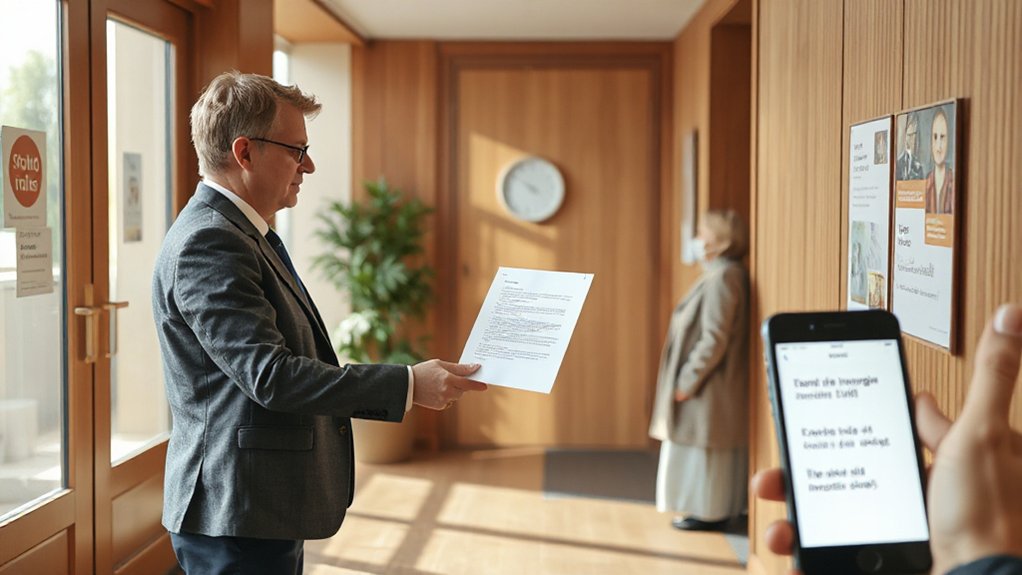
Localizing messages means tailoring communications to fit local laws, norms, and sensitivities while staying true to your policy. You’ll respect Cultural sensitivity and Local customs by adapting tone, examples, and deadlines to fit the community you serve.
Before drafting, identify relevant rules, holidays, and common practices so you don’t risk offense or confusion. Use clear, plain language and avoid jargon that may abroad confuse readers.
When in doubt, ask a trusted local contact or review guidelines to confirm accuracy. Communicate decisions transparently, explain the rationale, and offer reasonable accommodations where possible.
You show respect by acknowledging diverse backgrounds and adjusting formats—emails, notices, or texts—to match preferred channels. This proactive approach builds trust, reduces friction, and keeps tenants informed and supported.
Collect Feedback to Measure Communication Effectiveness
To start, you’ll collect honest insights to understand what’s working and what isn’t.
Next, track response rates to gauge engagement and adjust your approach quickly.
Then, analyze your channels to see which messages land where, so you can refine how you communicate with tenants.
Gather Honest Insights
- Ask for experience-based feedback in plain language
- Invite suggestions for channel, timing, and tone
- Identify recurring barriers and propose concrete fixes
- Confirm understanding with quick summaries
- Thank tenants and show visible follow-through
Track Response Rates
Tracking response rates helps you pinpoint how well your messages land and where to adjust. You’ll collect quick signals from tenants—open rates, reply times, and completion of requests—to gauge engagement without overburdening them.
Track patterns: which formats prompt faster replies, which topics trigger questions, and how long you wait before following up. Use this data to reduce friction, clarify instructions, and set realistic expectations, boosting tenant satisfaction.
Be mindful of communication barriers that slow responses, such as jargon, ambiguous deadlines, or channel mismatches.
Share insights transparently with your team and iterate on templates, reminders, and escalation paths. Regular feedback loops show you care, drive improvements, and keep conversations constructive and respectful.
Analyze Communication Channels
Analyzing communication channels means gathering feedback from tenants to measure how effectively you reach them and resolve their needs. You’ll identify preferred methods, response times, and gaps, then adjust strategies to improve clarity and trust.
Track which channels tenants use most and whether messages lead to actionable outcomes. Use insights to fine-tune tone, frequency, and accessibility across all touchpoints.
Social media and Mobile apps should be evaluated for reach, usability, and privacy, ensuring updates arrive where tenants expect them. Prioritize channels that reduce friction and boost satisfaction, not where you’re loudest.
Commit to continuous improvement by testing changes, soliciting candid input, and reporting results transparently.
- Gauge channel popularity and performance
- Compare response times across methods
- Test message clarity and usefulness
- Assess privacy and accessibility
- Iterate with tenant feedback
Train Staff in Etiquette and De-Escalation
Training staff in etiquette and de-escalation is essential for maintaining respectful, safe interactions with tenants. When teams respond calmly and professionally, conflicts are resolved faster and trust in management grows.
You’ll design concise scripts and role-play scenarios that emphasize empathy, active listening, and solution-focused dialogue.
Prioritize tenant confidentiality in every exchange, ensuring personal data stays secure and shared only on a need-to-know basis.
Emphasize communication etiquette: respectful tone, clear explanations, and written follow-ups that recap agreed actions.
Equip staff to recognize escalating cues early and apply non-confrontational de-escalation techniques, such as reflective statements and neutral body language.
Regular feedback, coaching, and quick corrective actions keep interactions consistent, reduce stress, and reinforce a culture where tenants feel heard and valued.
Document Every Interaction to Build Trust
After you’ve trained staff in etiquette and de-escalation, you’ll reap immediate benefits in tenant interactions. Documenting every interaction builds transparency, reduces misunderstandings, and strengthens trust. You’ll show tenants you value accuracy, accountability, and ongoing engagement.
Use clear summaries, dates, and outcomes to guide future conversations and decisions, including lease negotiations. When notes reflect both sides’ concerns, you’ll create a reliable record for reference, disputes, and service improvements.
Maintain concise, factual language and consistent formats to prevent misinterpretation. Promptly share relevant notes with appropriate team members to coordinate actions.
This practice supports tenant engagement by demonstrating consistency and responsiveness, and it streamlines lease negotiations through well-documented history.
- Capture dates, times, and key decisions after every interaction
- Identify next steps and owners clearly
- Use objective language, avoid assumptions
- Store securely with restricted access
- Review notes periodically for accuracy
Protect Privacy and Compliance in Tenant Communications
Protecting tenant privacy and ensuring compliance isn’t an afterthought—it’s foundational to trustworthy communication. You protect this by limiting data collection to what you truly need and by using secure channels for all messages. Share clear privacy practices upfront, so tenants know who sees their information and for what purpose.
Implement access controls, audit trails, and encryption where possible, and document your policies in plain language. When you need to disclose sensitive details, verify consent and the legitimate reason for sharing.
Prioritize timely responses that don’t expose unnecessary data, and remind tenants how to report concerns. By reinforcing tenant confidentiality and privacy safeguards, you build confidence, reduce risk, and foster open, compliant dialogue.
Review, Adjust, and Scale Your Communication Program
To review, adjust, and scale your communication program, start by taking a clear snapshot of current performance and outcomes, then pinpoint what’s working and what isn’t. You’ll identify gaps, measure response times, and assess tenant sentiment to improve Tenant satisfaction and reduce friction in Lease negotiations.
- Set clear goals and metrics for response, resolution, and satisfaction
- Compile feedback from tenants and frontline staff for actionable insights
- Test standardized templates, channels, and escalation paths
- Invest in training and real-time coaching for consistency
- Reassess quarterly, scaling effective tactics and retiring underperformers
Frequently Asked Questions
How Often Should We Update Tenants Without Spamming Them?
You should update tenants about once a week to stay reliable without spamming. Use personalization strategies and digital communication tools to tailor messages, acknowledge concerns, and share essential updates promptly, so you feel proactive, empathetic, and respectful.
What Channels Work Best for Urgent vs. Non-Urgent Notices?
Think of your message as a lifeboat: for emergencies, use Emergency protocols via quick, reliable Digital communication channels; for non-urgent notices, opt for email or app messages, clear timelines, and friendly, proactive updates.
How to Confirm Receipt Without Creating Friction?
To confirm receipt without friction, ask for brief acknowledgment and track replies respectfully, favoring concise tenant feedback. Use calm, proactive communication etiquette, and you’ll show you value their input while keeping lines open for follow-up.
How to Measure Tenant Satisfaction From Messages?
“Actions speak louder.” You measure tenant satisfaction by tracking feedback, using quick satisfaction surveys, and analyzing response quality in messages, so you can adapt promptly; your tenant feedback guides improvements and shows you genuinely care about their experience.
How to Handle Conflicting Tenant Preferences in Tone?
You should maintain tone consistency while honoring individualtenant preferences, and use proactive conflict resolution. When conflicts arise, acknowledge differing tones, set clear guidelines, and align messages quickly, calmly, and empathetically to preserve trust and minimize misunderstandings.
Conclusion
You can win tenant trust by staying proactive, clear, and kind. Define who you’re talking to, set expectations, and pick the right channel every time. Keep messages concise, respectful, and free of jargon, and confirm you’ve been heard. Build a culture where staff guide conversations with calm etiquette, de-escalation, and privacy at the core. Document each touchpoint to show accountability, and regularly refine your approach. Now, channel your inner quill-wielding modern landlord—without the drama, just results. Anachronism: dial-up optimism.