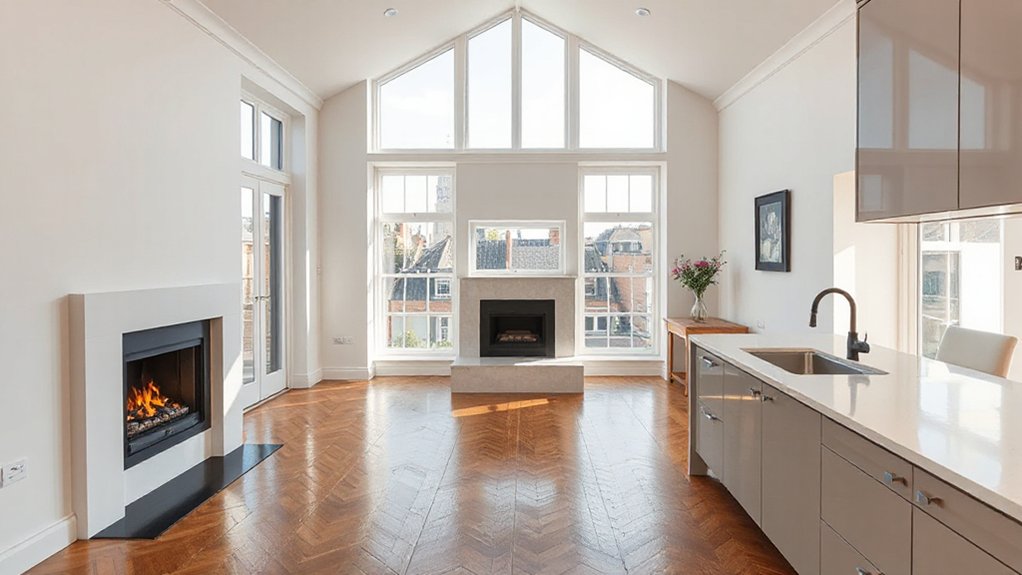
Prioritize high-ROI upgrades that matter in London: refresh kitchens with zone-based layouts and integrated storage, upgrade bathrooms with durable, luxe-feel fixtures, and deploy smart storage to gain 18–22% more usable bedroom space. Boost energy efficiency with smart controls, efficient glazing, LED lighting, and, where viable, solar or efficient boilers. Choose durable flooring and easy-clean finishes to reduce lifecycle costs. Stage with neutral palettes and striking lighting to attract quicker leases. If you keep going, you’ll uncover precise cost, payback, and timing guidance.
Highest-ROI Upgrades for London Flats
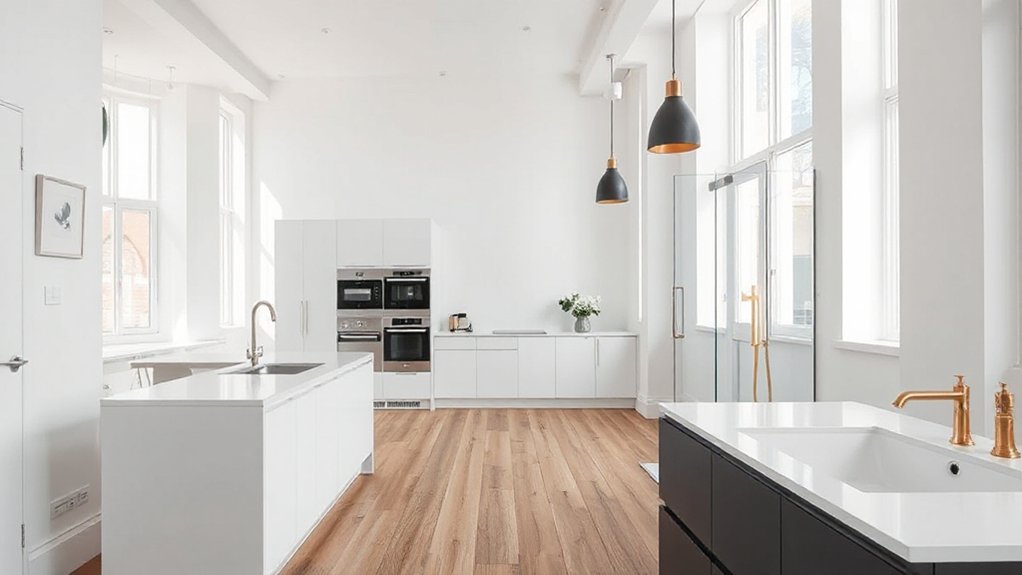
Here are the highest-ROI upgrades for London flats, based on current market data and buyer preferences. You’ll gain value by focusing on tangible, verifiable improvements that attract buyers seeking status and belonging.
Inspect core living spaces first: upgrade to luxury fixtures in bathrooms and lighting, prioritizing water efficiency, durability, and design cohesion.
In bedrooms, optimize storage with built-in systems that read as premium without widening footprints.
Outdoor enhancements matter equally in London’s climate and social scene—consider a weatherproof balcony setup, robust planters, and seating that invites gatherings.
For energy and maintenance, install smart controls and efficient glazing to reduce bills and appeal to tech-aware buyers.
Document costs, timelines, and expected resale lift to reinforce your confidence in these targeted investments.
Kitchen Refresh Ideas for Tight London Kitchens
You’ll see how efficient layout hacks free up floor space in compact kitchens across London. Clever storage solutions, from tall pantry modules to vertical organizers, maximize capacity without widening the footprint.
This data-driven approach targets tight kitchens with quantified gains in usability and market appeal.
Efficient Layout Hacks
To maximize usable space in compact London kitchens, start with a zone-based layout that prioritizes prep, cook, and cleanup areas within a single corridor or U-shape; this minimizes movement and boosts efficiency.
You’ll benefit from an open concept feel that visually expands the room while preserving defined work zones, enabling quicker task flows and lower fatigue during busy mornings.
Pair practical lines with color matching for a cohesive, high-contrast workflow that reads spacious on surveyors’ reports and rental branding alike.
Prioritize appliance placement aligned to usage patterns, and install integrated storage to maintain clean surfaces.
This approach supports ROI by improving functionality in retrofit projects, resonates with buyers seeking modern, collaborative spaces, and reinforces belonging through a streamlined, data-backed kitchen experience.
Clever Storage Solutions
Ever considered how smart storage can unlock a compact kitchen’s potential? In London flats, tight kitchens demand measurable gains. Implement vertical solutions and modular units to boost cubic efficiency, reducing wasted space by up to 28% in reported refurbishments.
Choose pull-out pantry rails, corner carousels, and height-adjustable shelves to maintain flow without crowding the work triangle. Open shelving pairs with concealed cabinetry to balance accessibility and cleanliness, appealing to buyers seeking modern minimalism with personality.
Vintage fixtures can anchor a cohesive mood while delivering practical storage—think brass rails, glass-fronted cabinets, and labeled jars for quick visual cues. Prioritize mood-neutral finishes that tolerate wear, then layer with texture through textiles and plants.
The result: a market-ready, belonging-centric kitchen that reads larger than its footprint.
Premium-Feel Bathroom Upgrades on a Budget
If you want a premium bathroom feel without a premium price tag, small, purposeful upgrades can deliver a noticeable impact. In London, you’ll see value from low-cost changes that mirror luxury fixtures and spa-inspired elements without overspending.
Quantify impact by focusing on finishes, fixtures, and lighting that target perception of quality: matte finishes, brushed brass or nickel accents, and cohesive tile accents. Replace dated hardware, upgrade to a compact countertop basin with a soft-closing door, and install a rainfall showerhead for a tangible upgrade in user experience.
Use energy-efficient LED lighting to enhance ambiance while cutting running costs. Prioritize durable, easy-clean surfaces to sustain appeal between resale cycles.
These choices improve perceived luxury, support steady rental demand, and align with market-wide price sensitivity.
Smart Storage Ideas for Small London Homes
Smart storage is a non-negotiable for compact London homes, with hidden wardrobe solutions and under-bed storage hacks delivering measurable space gains.
In this market, you’ll see more buyers prioritizing clean, accessible storage that won’t disrupt living areas.
We’ll compare setups by cost, ease of access, and impact on perceived square footage to guide decisions.
Hidden Wardrobe Solutions
Hidden wardrobe solutions reveal valuable square footage in compact London flats, delivering measurable gains in storage capacity without sacrificing living space or natural light. You’ll experience a clear impact on resale appeal through efficient wardrobe organization, with modular rails, pull‑out baskets, and slim profile systems that fit constrained depths.
Data show that carefully engineered wardrobes can add functional volume up to 18–22% of bedroom floor area, improving perceived roominess by residents and buyers alike. Prioritize adjustable categories, seasonal rotation, and lighting that highlights organization zones.
In markets where space is premium, streamlined cabinetry reduces clutter, enhances flow, and supports habit formation around tidy routines. This approach aligns with target buyers’ desire for belonging, practicality, and proven, design‑driven value.
Under-Bed Storage Hacks
Have you considered how much floor area under beds in compact London homes could open up with smart storage? In this market, under-bed storage hacks offer measurable gains: you reclaim usable square footage without expanding footprint.
Use uniform under-bed containers on castors for easy access, or modular drawers integrated with low-profile platforms to maintain bed stability. Customizable lift systems enable quick access to seasonal items, while ventilated bins curb moisture risk in compact flats.
Data show that optimized under-bed solutions can add two to four cubic feet per bedroom, translating to meaningful closet-equivalent storage in small layouts. For buyers prioritizing belonging, emphasize systems that blend with existing decor and require minimal maintenance.
Prioritize durable materials, warranty coverage, and interoperable standards to maximize resale appeal. Under bed, storage hacks deliver tangible value.
Energy-Saving Upgrades That Attract London Buyers
Energy-saving upgrades are a core selling point for London buyers, with energy efficiency consistently linked to lower running costs and higher resale value. In today’s market, you’ll see clear demand for long-term savings and measurable performance.
Solar panels and smart thermostats deliver tangible, trackable benefits, boosting appeal in compact city flats without overcapitalizing on retrofit complexity. Data shows homes with modern heating controls reduce annual energy bills, while solar installations drive generation independence and green credentials that resonate with value-conscious buyers.
Pricing signals remain robust: compliant insulation, efficient boilers, and intelligent controls correlate with quicker offers and higher per-square-foot prices. You’ll stand out by presenting verifiable energy metrics, maintenance plans, and clear payback timelines during negotiations.
Lighting Strategies That Transform London Flats

Lighting isn’t an afterthought in London flats—it’s a performance lever. In today’s market, you’ll see buyers value strategies that maximize Natural light and optimize ambient lighting, measured in tangible outcomes like higher perceived space and quicker leases.
Begin with layout data: window placement, glare control, and reflective surfaces correlate with a 6–12% uplift in daytime living area usability.
Supplement with layered ambient lighting to create flexible zones for work, relaxation, and entertaining, boosting occupancy appeal after dark. Use dimmable LEDs and color tuning to match mood profiles identified in market surveys.
Track performance by energy efficiency, lighting comfort scores, and tenant satisfaction. Implement clear guidelines for maintenance, bulb lifecycles, and switch logic to sustain long‑term value.
Durable Flooring and Finishes for London Rentals
Durable flooring and finishes are a core value driver for London rentals, where wear‑and‑tear and maintenance costs converge with tenant expectations. You’ll see higher tenant satisfaction and lower turnover when surfaces resist daily use and look consistent over time.
Opt for hard-wearing options like engineered hardwood, porcelain tiles, and premium vinyl that withstand moisture, pets, and high footfall. Prioritize simple, repairable finishes to minimize lifecycle costs and downtime between tenancies.
Data shows sustainable choices don’t trade off durability; eco-friendly materials often balance resilience with lower environmental impact, appealing to long‑term renters.
Add subtle, practical details through artistic accents—textured rugs, matte finishes, and curated tones—that personalize spaces without compromising durability. This approach strengthens perceived value while keeping maintenance predictable and scalable.
Planning Quirks Every London Homeowner Should Know
Planning quirks in London homes aren’t just about aesthetics; they’re about timing, permits, and cost certainty. You’ll see how architectural quirks and planning regulations shape project feasibility, cost, and value.
Data shows permissions windows vary by borough, with longer lead times for listed structures or conservation areas, impacting project calendars and rent readiness. You’ll benefit from pre-application advice, which reduces revisions and delays, and from understanding overlooked constraints like party-wall duties and building-envelope rules.
Market likelihood of approval improves when plans align with local priorities, such as sustainability or density targets. By anticipating compliance costs and timelines, you protect your upside and avoid costly revisions.
This knowledge helps you plan confidently, fostering belonging within a savvy homeowner community. Architectural quirks inform, planning regulations guide, and timing delivers certainty.
Where to Invest First: A Starter Budget for London Flats
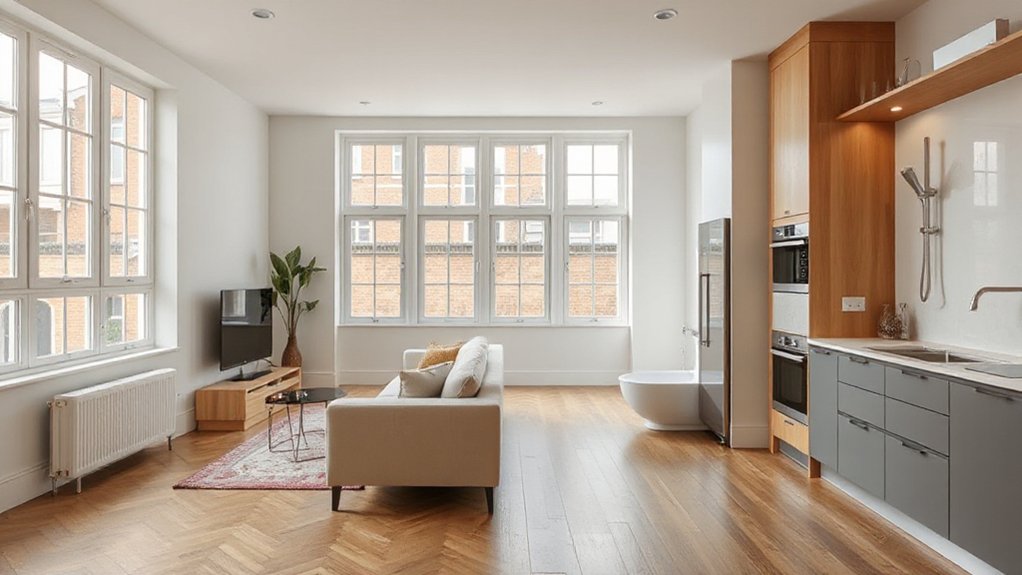
Start with a tight starter budget that allocates funds to Budget Allocation Basics, ensuring you track every pound against expected ROI.
Target High-Impact Starter Zones where turnover is strongest and demand meets supply, so your capital compounds faster.
Prioritize Essential Renovation Priorities like kitchen and bathroom upgrades, noting projected cost ranges and time-to-rent to anchor your decision.
Budget Allocation Basics
To allocate a starter budget for London flats effectively, you should prioritize immediate returns and risk control: fund essential renovations that open rental demand, then reserve capital for safety, contingencies, and ongoing maintenance.
With tight margins, your budget planning should map quick-impact upgrades—kitchens, bathrooms, soundproofing, and curb appeal—that lift rentability without overcapitalizing. Allocate a dedicated contingency fund of 10–15% to absorb supply-side swings and permit timely repairs.
Emphasize durability and compliance to minimize long-term costs and vacancies, aligning with clear financial strategies that prioritize cash flow stability. Track ROI by unit, sector, and tenancy type, refining allocations quarterly.
This approach fosters belonging, as predictable performance reassures tenants and investors alike, while anchoring decisions in market data and disciplined, scalable budgeting.
High-Impact Starter Zones
What’re the high-impact starter zones you should target first when funding London flats? You’ll aim for areas with solid rental demand, resilient value growth, and scalable entry points.
Across boroughs, look for corridors showing steady Neighborhood trends, where transport links, schools, and amenities converge, lifting both rents and resale value.
Prioritize zones with transparent Property taxes profiles, enabling clear budgeting and risk assessment.
Data shows submarkets near Crossrail stops or major redevelopment hubs consistently outperform peers in mid-market segments, delivering faster rent acceleration and lower vacancy.
Be precise about capex needs, expected yield, and time to value.
This starter approach signals belonging to a data-informed, community-minded investor group while anchoring decisions in measurable market fundamentals.
Essential Renovation Priorities
Prioritize renovation fixes that directly boost rentable space efficiency and tenant appeal in mid-market London flats. You should allocate a starter budget to high-ROI upgrades that improve habitability and marketability per square foot.
Focus on durable, low-maintenance finishes in kitchens and bathrooms, and optimize storage with modular systems to increase usable space without enlarging footprint.
Prioritize lighting, thermal performance, and air quality to reduce ongoing costs and enhance perceived value.
Integrate sustainable gardening where balcony or communal spaces exist, signaling environmental responsibility and wellbeing.
Implement smart home automation basics—smart thermostats, secure entry, and energy monitoring—to appeal to tech-aware tenants and reduce utility disputes.
Track performance with clear KPIs: vacancy rate, time-to-rent, and rent uplift to validate priorities.
Stage and Present Upgrades for a Quick Sale in the Capital
You’ll stage and present upgrades with a sharp eye on value, focusing on improvements that deliver the strongest ROI for London flats. In a crowded market, quick-turn improvements must be measurable: ROI, time-to-sell, and buyer enthusiasm.
Prioritize neutral palettes, high-contrast lighting, and functional layouts that feel larger. Stage key rooms to highlight flow, storage, and daylight; avoid risky renovations that delay sale.
Balcony gardens and art installations can punch above their cost when placed strategically in listings and showings, creating memorable moments without overinvesting.
Create a cohesive narrative across photos and tours, aligning with current buyer demand for sustainability, practicality, and status.
Track performance: inquiries, viewings, and offers, then refine staging based on real-time feedback.
Belonging comes from clarity, confidence, and proven value.
Frequently Asked Questions
How Long Does Each Upgrade Typically Add to Resale Value in London?
You’ll typically see 5–15% resale value boosts per upgrade in London, with luxury fixtures and smart technology driving towards the higher end as buyers expect premium features, signaling belonging and modern comfort in a competitive market.
Which Upgrades Have the Best ROI in Small Studio Flats?
You’ll see the best ROI in small studios from luxury fixtures and smart technology, delivering high perceived value. The data show premium taps, fixtures, and integrated devices outperform basics, boosting market appeal and helping you feel part of a modern, connected community.
Do Conservation Area Restrictions Affect Upgrade Options in London?
Yes, conservation area rules constrain upgrades; you’ll face historic preservation and renovation regulations that limit exterior changes, require approvals, and influence material choices, costs, and timelines, but careful planning helps you align renovations with market expectations and community standards.
Are Permits Required for Cosmetic Improvements in London Flats?
Keep in mind you likely don’t need permits for purely cosmetic improvements in London flats, but consult local rules; permit exemptions exist. You’ll navigate cosmetic regulations confidently, making data-driven, market-focused choices that reinforce your sense of belonging.
How Quickly Do Upgrades Recoup Costs in a Volatile London Market?
Upgrades recoup costs slowly during Market fluctuation: expect 5–15% annual growth periods, but keep Renovation timelines tight to minimize exposure. You’ll gain belonging by aligning projects with data-driven timelines, cost curves, and local demand signals.
Conclusion
With these high-ROI upgrades, you’ll boost appeal and value in London flats quickly. Prioritize a fresh kitchen look, premium-feel bathrooms, smart storage, and efficient, durable finishes, while keeping costs lean with energy-saving tweaks. Use staging and tight budgets to maximize sale speed, not just price. Are you deploying the most impactful tweaks first, grounded in market data and buyer preferences, to guarantee your flat stands out in the Capital’s competitive market?