
In UK university towns, your best yields come from quick-win, data-driven upgrades that cut costs and attract steady renter demand. Prioritize energy efficiency, durable finishes, and kitchen/bathroom refreshes with minimal disruption, then add smart tech and curb appeal to boost absorption. Align renovations with academic calendars and local wage trends, while keeping a tight budget with contingency planning. Stay vigilant on permitting and legal compliance to avoid fines, and you’ll gain access to stronger, longer-tenancy returns—with more insights to come.
Working with specialists like Jacksons Estate Agents Rainham, for example, means you are in safe hands, with your property.
Drivers of Rental Yield in UK University Towns
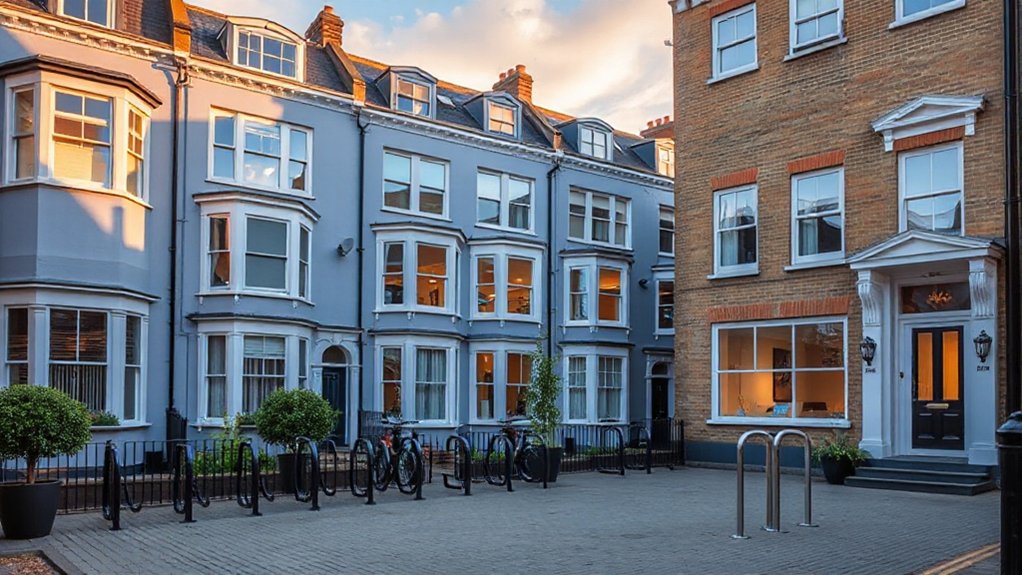
Rental yields in UK university towns hinge on a trio of core drivers: student demand, housing supply constraints, and local wage growth. You evaluate how student engagement shapes absorption, with higher participation boosting ongoing tenancy and stickiness in leases.
Demand swings tied to academic calendars, course popularity, and international intake create cyclical pressure on rents and vacancy rates.
Housing supply constraints—planning delays, construction costs, and zoning limits—translate into tighter markets and premium yields when occupancy stays high.
Local wage growth supports affordability corridors, enabling students and staff to sustain rents without stress.
Pair these factors with accessible local amenities and transport links to attract reliable tenants.
You’ll benefit from tightening risk controls around vacancy risk, rent cliffs, and sector-specific shocks while prioritizing community ties that foster belonging.
Quick-Win Upgrades to Cut Costs and Boost Yield
Quick-win upgrades can shave operating costs and lift net yield without major capex, provided you target high-impact, low-friction changes. In practice, you’ll prioritize measures with fast payback, clear data signals, and low tenant-friction implementation.
Start with utility optimizations: LED lighting, smart thermostats, and metered hot water to reduce waste while preserving comfort. Pair energy savings with durable, cost-appropriate finishes to limit future maintenance risk.
Consider garden landscaping that boosts curb appeal without breaking the bank—perennial plantings and low-water schemes can attract longer tenancies and reduce watering costs.
Luxury furnishings can differentiate units at a controllable price point, but verify depreciation risk and renewal cadence.
Align upgrades with market rents, occupancy data, and risk tolerance to sustain higher yield without unexpected surprises.
Kitchen and Bathroom Refreshes That Pay Off
For kitchens and bathrooms, prioritize updates that deliver visible quality without triggering major capex or tenant friction. You’ll see faster demand when you balance modest costs with durable finishes, apartment-to-apartment consistency, and low-maintenance choices.
In data terms, cosmetic refreshes that hint at modernity outperform risky overhauls, especially in markets with student turnover. Favor durable materials, cohesive palettes, and accessible storage that support communal living without alienating long-term tenants.
Artistic design can elevate perceived value without driving prices skyward, while historical preservation cues may resonate in university towns with heritage streetscapes, boosting appeal and occupancy stability.
Track rent-equivalents post-refresh and compare to peers; the risk signal is misaligned aesthetic choices or over-personalization. Prioritize clear ROI, tenant comfort, and scalable updates.
Energy-Efficiency Upgrades Renters Notice
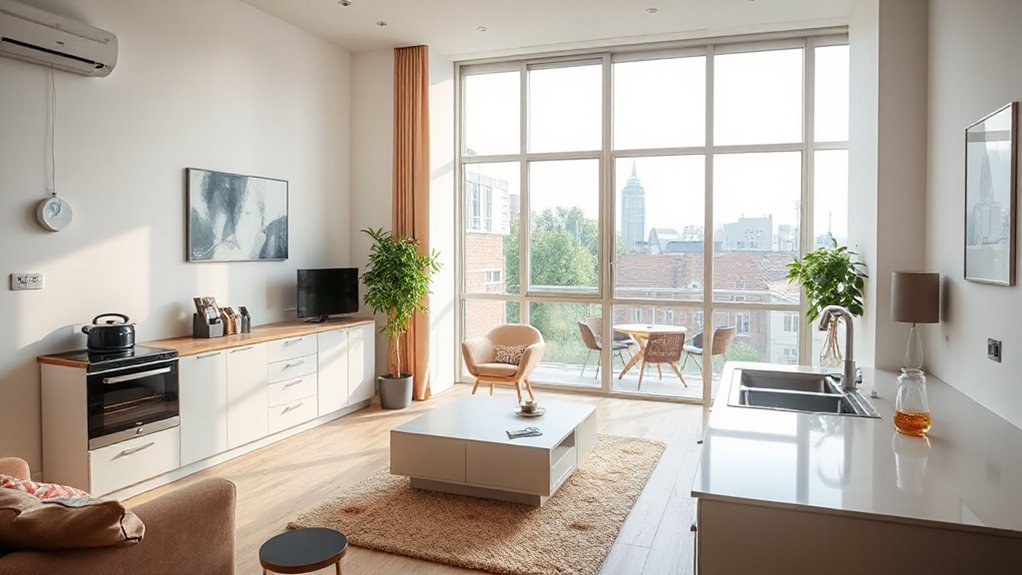
Energy-efficiency upgrades pay for themselves through lower operating costs and higher demand, but renters notice only if the benefits are visible and reliable.
In UK university cities, you’ll see clearer signals when energy efficient appliances cut monthly bills and moisture control from insulation improvements reduces drafts.
Data shows a strong correlation between visible savings and lease acceptance, especially among groups prioritizing ongoing affordability.
Market risk hinges on upfront cost recovery and compliance timelines; choose upgrades with proven payback periods and simple maintenance.
Communications matter: clearly quantify expected monthly savings and performance targets in the tenancy agreement.
Belonging comes from transparent, trustworthy updates that residents can verify, not from abstract promises.
Prioritize cost-effective, durable choices with measurable, user-friendly outcomes.
Durable Finishes for High-Occupancy Properties
Durable finishes matter in high-occupancy UK university cities because wear-and-tear drives operating costs and tenant turnover. In practical terms, you’ll prioritize materials that resist scuffs, stains, and moisture, reducing downtime between lets.
Long lasting surfaces translate to lower maintenance cycles, fewer emergency repairs, and steadier cash flow. Data shows higher tenancy retention when common areas and kitchens use scratch-resistant laminates, porcelain, and epoxy coatings, paired with robust, easy-clean paints in hallways and student pods.
You’ll balance cost against life-cycle performance, targeting finishes with proven warranty support and supplier reliability. Consider risk controls like slip-resistant flooring in high-traffic zones and color choices that hide wear.
Smart Tech Tenants Actually Use
Smart tech promises only pay off if tenants actually use it, so you should start with clear usage benchmarks and real-world adoption rates.
Current data shows a gap between available features and daily routines, which means feature-rich upgrades can backfire without behavior-aligned design.
Prioritize the tech tenants will use regularly, measure uptake early, and adjust layouts, incentives, or training to minimize risk to yield.
Smart Tech Adoption
What do tenants actually value in smart tech? You’ll find demand centers on reliability, ease of use, and tangible safety.
In markets like UK university cities, adoption hinges on practical benefits rather than novelty. Home automation and security systems drive retention by reducing friction (one app controls lighting, climate, and access) and by lowering perceived risk for roommates and landlords alike.
Data shows tenants prefer devices with straightforward setup, robust performance, and clear cost savings, not flashy features.
From a rental-yield lens, prioritize systems with strong uptime, remote monitoring, and scalable integrations that protect property value.
Investments that demonstrate measurable utility help you attract longer tenancies, minimize turnover costs, and embed a sense of belonging through predictable, secure living environments.
Tenant Usage Patterns
How do tenants actually use smart tech day-to-day, and what does that mean for yield in UK university cities? You’ll see patterns that matter for risk and return: frequent usage of energy-saving thermostats, smart locks, and leak sensors signals reliable occupancy and lower maintenance costs.
Student preferences cluster around intuitive setups, responsive connectivity, and privacy-aware data practices, driving higher demand for turnkey, ready-to-live spaces. Lease renewal decisions hinge on perceived convenience, stable utility bills, and predictable tech support.
Buildings that align with usage patterns—simple optimizations, time-saving automation, and transparent data dashboards—tend to sustain occupancy, boosting rents and renewal rates. Prioritize user-friendly, compliant systems, monitor adoption data, and tailor upgrades to student preferences to maximize lease renewal probability and long-term yield.
Planning, Budgeting, and Timing to Maximise Return
Planning, budgeting, and timing are the three levers that determine whether a renovation boosts rental yield in UK university towns. You’ll start with a data-driven assessment of demand, vacancy risk, and competitor pricing to set a realistic target yield.
Budget conservatism matters: cost overruns erode margins and extend payback periods, so establish a contingency and track spend weekly.
Schedule projects to minimize downtime, aligning finishes with academic calendars and peak leasing periods. Build in milestones for due diligence, permits, and supplier lead times to avoid delays.
Prioritize property management and legal compliance from day one to prevent fines or lease disputes that undermine returns.
Monitor market signals, adjust plans, and document decisions to protect long-term profitability and belonging in your university town.
Frequently Asked Questions
How Do Council Taxes Affect Rental Yields in University Towns?
Council taxes can dent yields if student demand shifts or rental affordability tightens; you’ll feel it in cashflow, especially in towns with high student cohorts, where rising bills challenge occupancy. Monitor bands, diversify properties, and hedge with affordability-focused units.
Which Local Regulations Most Impact Refurbishment Timelines?
Building permits and environmental regulations most impact refurbishment timelines; you’ll face approval delays and compliance windows, so plan buffers, track permit queues, and monitor policy shifts to minimize risk while staying market-aware and feeling supported.
What Vendor Warranties Best Protect Long-Term Returns?
Vendor warranties best protect long term returns by covering structural, mechanical, and appliance failures, reducing unplanned capex. You should compare coverage scopes, deductibles, and transferability, then quantify risk-adjusted savings to strengthen your market position and belonging.
How Can You Assess Risk From Tenant Turnover Spikes?
You notice that 20% of tenants renew, but turnover spikes still drive costs. You assess risk by rapid tenant screening and robust lease agreements, modeling vacancy days, and adjusting rents; you belong with data-driven, market-aware strategies.
Which Funding Options Optimize Capital Deployment for Landlords?
You should choose Investment strategies and financing options that balance cost, risk, and return, prioritizing diversified funding and debt terms you can manage. You’ll optimize capital deployment by comparing markets, stress-testing scenarios, and aligning options with your risk tolerance and belonging.
Conclusion
In short, you should prioritize high-ROI, low-friction upgrades that tenants notice fast. A standout stat: energy-efficiency improvements can lift rents by up to 5–15% in UK university towns, while cutting operating costs. Target quick wins: kitchen/bath refreshes, durable finishes, and smart tech that tenants actually use. Budget rigorously, time projects for term starts, and stress-test for market, demand shifts, and regulatory risk. If you’re data-driven and adaptive, you’ll maximise yield without overexposure.