

Before you start a renovation, you’ll want a clear roadmap of questions that uncover licensing, insurance, and experience; set budget guardrails; and establish timelines, permits, and change-order processes. You’ll guard quality with milestones, warranties, and aftercare, and you’ll define communication, scheduling, and how unforeseen issues get handled. Get these basics right first, then you can move into specifics that reflect your project’s goals and the builder’s proven approach—and you’ll know what to expect as soon as you start.
Clarify Your Project Goals and Scope Up Front
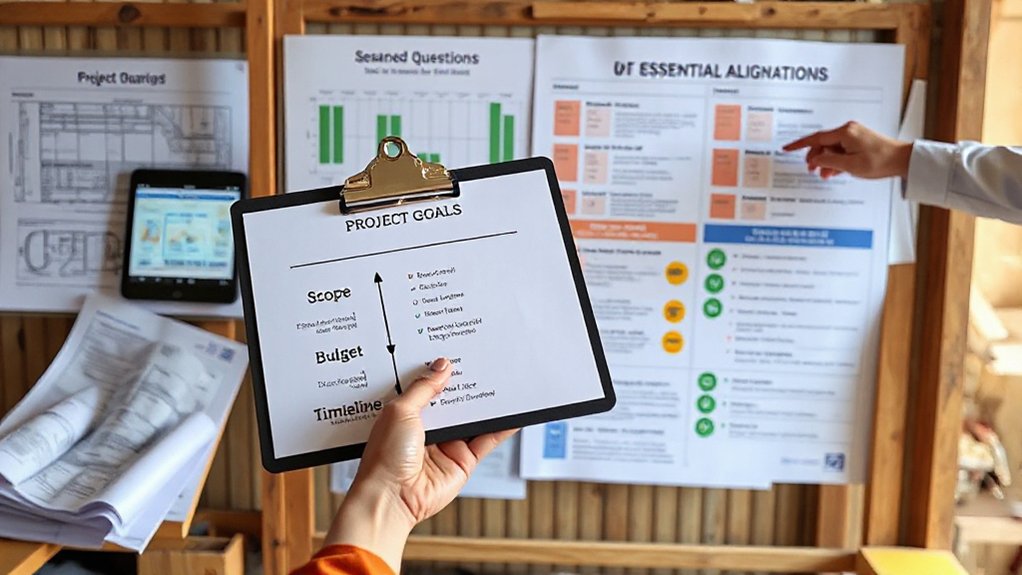
To start strong, define exactly what you want to achieve and what’s included in the work. You map the scope by listing rooms, dimensions, and finishes, then set nonnegotiables and nice-to-haves.
Decide on design inspiration early, so your team aligns on style, tone, and function. Clarify your priorities: is open flow essential, or will you accept defined zones?
Specify deadlines, milestones, and decision points to prevent delays. Confirm constraints like plumbing, electrical, and permit requirements, and identify any required permits upfront.
Document budget ranges for each area and establish approval gates before moving forward. Consider material sourcing strategies now, selecting durable, available options that match your goals.
This clarity keeps changes minimal and keeps the project on track.
How Budgets Are Protected: Guardrails and Common Pitfalls
Protecting your budget starts the moment you finalize scope and goals. You protect it by establishing clear guardrails: fixed-price components where possible, and a transparent change-order process for any deviation.
Use budget safeguards like itemized line items, documented assumptions, and written approvals before work begins. Build financial contingencies into the plan to cover unexpected costs, typically 10–20% of the base estimate, and revisit them as prices shift.
Track costs weekly, compare against baseline, and flag variances early to curb overruns. Expect escalation clauses for material or labor shortages, and require contingency withdrawals only for approved changes.
Avoid scope creep by confirming decisions in writing, and keep all stakeholders aligned on budget decisions and timelines. Regular, proactive budgeting minimizes surprises and preserves project quality.
Timeline Realities: What a Realistic Schedule Looks Like
You’ll want realistic milestone timelines that map out each phase from permitting to finishing touches.
We’ll cover how contingency scheduling clarifies buffers for weather, delays, and supply hiccups.
That discussion sets expectations for a practical, proactive schedule you can track and adjust as needed.
Realistic Milestone Timelines
Timeline realities確: Realistic milestone timelines start with a clear baseline. You’ll map major phases to concrete dates, then align each milestone with deliverables, dependencies, and owner responsibilities.
Define design innovation and eco friendly materials as guiding constraints early, so later decisions don’t derail the path.
Break the project into distinct, measurable stages—planning, permitting, rough carpentry, systems, finishes—each with explicit start and end targets.
Build in built‑in buffers for permitting, material lead times, and inspections, but keep them tight to avoid creeping timelines.
Communicate progress weekly, flag risks, and adjust only with documented impact.
Maintain accountability by assigning each milestone to a single point of contact and a measurable criterion.
Realistic timelines empower you to anticipate delays, minimize waste, and stay committed to your renovation goals.
Contingency Scheduling Clearly
Contingency scheduling clarifies how to absorb disruptions without derailing the plan. You map cushion days for each phase, so a late delivery or weather delay won’t cascade into weeks of idle work.
Build a realistic buffer into critical-path tasks, then align crews, materials, and permits around it. This is where contingency planning and risk management meet practical details: you identify failure points, assign owners, and set trigger-based actions when risk thresholds are reached.
Communicate these triggers clearly to everyone involved, so contractors know when to adjust sequencing or shift crews without losing momentum. Track changes in a centralized schedule, approve adjustments quickly, and preserve the baseline by documenting every modification.
Credentials, Permits, and Compliance Checks You Must Verify
You’ll want to confirm up front that all permits and approvals are in place before work starts. Verify that compliance documents are current and accessible, so you’re not guessing about requirements or deadlines.
This sets a concrete baseline for what your builder can and can’t do, reducing risk down the road.
Permits and Approvals Check
Are all the required credentials, permits, and compliance checks in order before you break ground? You’ll verify that the builder has current licenses, insurer details, and a clear safety program.
Check that building permits are sourced for the scope, and confirm any zoning approvals needed for your project won’t trigger surprises later. Ask for permit application numbers, permit status, and expected inspection timelines, so schedules align with your renovation milestones.
Confirm who’ll file amendments if plans change and how code updates are handled mid-project. Make certain the contractor commits to submitting necessary drawings and calculations to authorities and to obtaining final approvals before occupancy.
This is your guardrail against costly delays and noncompliant work.
Compliance Documentation Verification
Before you break ground, you need to verify all compliance documentation—credentials, permits, and checks—are in place. You’ll confirm contract documentation covers scope, timelines, and payment terms, and that it aligns with project plans.
Check licenses and certifications for all trades, and verify liability, workers’ comp, and safety records are current. Ascertain permits match the proposed work and that inspections are scheduled with the right authorities.
Review any third-party approvals and utility clearances, so no item triggers delays. Maintain a concise file of notices, approvals, and changes to document legal compliance throughout the renovation.
Materials and Finishes You’ll Choose (and the Tradeoffs)
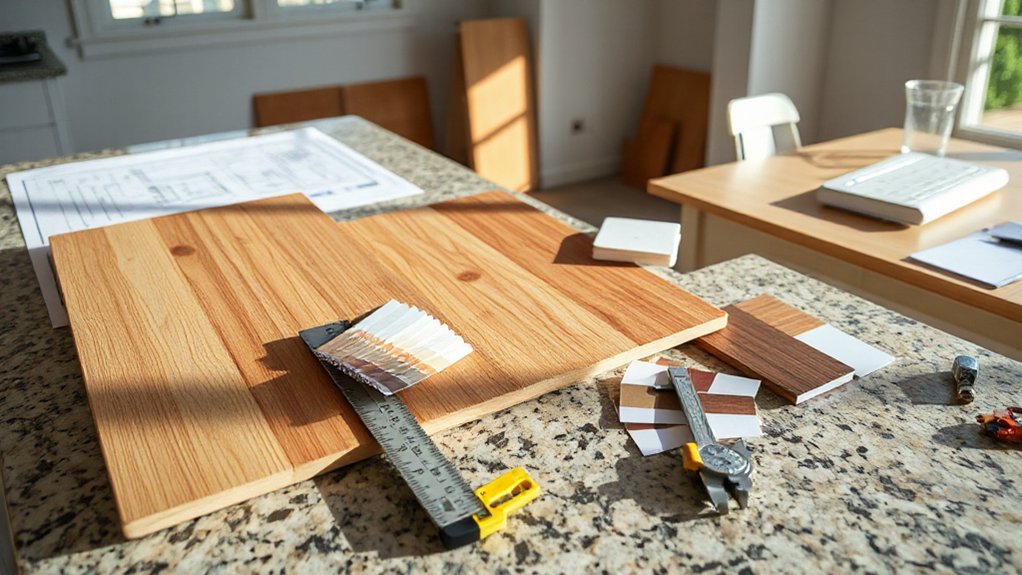
Choosing materials and finishes sets the tone, durability, and long-term cost of your project, so it’s worth weighing options now. You’ll want to map how different material options perform in daily use, maintenance, and resilience against wear.
Consider how finishes contribute to aesthetics, ease of cleaning, and moisture resistance in kitchens, baths, and living spaces. Ask for real-world examples and install timelines, so you understand when upgrades pay off.
Prioritize practicality without sacrificing style by comparing warranty terms and supplier reliability. Clarify which materials are best for high-traffic areas versus low-use spaces, and how color, texture, and sheen impact perception of space.
Balance upfront costs with long-term upkeep, ensuring finish durability aligns with your liveability and budget.
Bidding Basics, Change Orders, and Payment Rules You Must Know
You’ll want to understand how the bidding process works, from scope to timelines, so you can compare bids fairly.
We’ll cover change order procedures and when they’re allowed, so you’re not surprised by extra costs or delays.
Finally, you’ll get clear payment terms to avoid cash-flow pitfalls and keep the project on track.
Bidding Process Basics
So, what exactly should you expect from the bidding process? You’ll receive transparent estimates that separate labor, materials, and subs, with a clear scope of work.
Compare apples to apples by ensuring each bid lists quantities, timelines, and assumptions, so you can spot gaps easily.
Look for bids that emphasize design innovation while staying practical, and note how proposed materials balance cost, available options, and performance.
Ask how each bid handles contingencies and realistic lead times, so you aren’t caught off guard.
Confirm whether bids include warranties, cleanup, and final inspections.
Don’t settle for vague projections—demand itemized totals and payment milestones tied to milestones.
Keep communication open, track revisions, and choose a bid that aligns with your project priorities and durability expectations.
Change Order Procedures
When changes arise, you need a clear path forward: change orders should be documented, priced, and approved before any work begins. Change order procedures outline how to request and review scope adjustments, ensuring everyone agrees on costs, schedule impact, and who approves.
Use a written change request form that captures the proposed scope, reasons, measurements, and alternatives. The contractor should provide a transparent price, whether it’s a fixed add or time-and-materials estimate, with a clear impact on timeline.
Once approved, update the contract, schedule, and budget, and communicate to all stakeholders. Keep all documentation centralized and accessible.
Payment Terms Rules
Payment terms are a critical part of bidding, change orders, and overall project cash flow, so you should lock them in early and enforce them consistently. You’ll want a clear schedule for payments tied to milestones, inspections, or delivered work, with explicit due dates and late fees. Include how you’ll handle payment disputes and documentation expectations, such as progress reports and lien waivers.
Define acceptable payment methods and any holdbacks for warranties or punch lists. Consider escrow arrangements to protect both sides when large sums are involved; specify release criteria and timing. Outline change-order pricing methods, including markup caps and approval workflows, so funds align with actual work completed.
Document remedies for nonpayment, and keep communications brief, factual, and trackable.
Clear Communication Habits That Prevent Renovation Friction
Clear communication is the backbone of a smooth renovation. When you chat with your builder, state goals clearly, confirm decisions in writing, and summarize agreements at the end of each day. You’ll reduce gaps that cause friction and wasted time.
Identify potential Communication barriers early by naming concerns, equipment needs, or scheduling constraints, then address them with a simple, documented plan. Keep conversations focused on outcomes, not personalities, and use plain language rather than jargon.
If plans change, notify promptly and re-align expectations with updated timelines and budgets. Track decisions in a shared sheet or app so everyone stays on the same page.
Regular check-ins prevent misaligned expectations and build trust throughout the project.
Quality Control Milestones: Inspections and Deliverables
Quality control milestones keep projects on track by tying inspections to concrete deliverables. You’ll define clear checkpoints that align with phase completions, ensuring each milestone releases the next workstage.
Before work starts, agree on inspection criteria, acceptance tests, and expected deliverables so everyone knows the finish line. You’ll schedule sitewalks at critical junctures, documenting findings and triggering corrective actions immediately.
Tie material sourcing to milestones so procurement aligns with construction needs, reducing delays and waste. In parallel, manage workforce capacity by forecasting trades and supervising performance against quality standards.
You’ll maintain transparent records, track deviations, and adjust schedules proactively. With disciplined inspections and deliverables, you’ll minimize rework, protect timelines, and preserve budget integrity throughout the renovation process.
Warranties, Repairs, and Aftercare: What’s Covered
Warranties, repairs, and aftercare are your safety net after a project wraps up, so you know what’s covered and how to get issues resolved quickly. You should confirm warranty coverage for major systems, finishes, and materials, and understand what triggers a claim. Clarify the duration of coverage, any exclusions, and whether workmanship is separately guaranteed.
You’ll want a clearly defined process for initiating repairs, including who handles it, response times, and required documentation. Note Repair responsibilities, such as temporary fixes versus permanent solutions, and who bears costs for on-site visits, parts, and labor during the warranty period.
Finally, obtain written aftercare guidelines covering maintenance schedules, product care, and recommended inspections to preserve your investment.
Red Flags to Watch for When Interviewing Builders
When you’re interviewing builders, start with the red flags that signal trouble you don’t want to ignore. Look for vague timelines, grandiose promises, or a reluctance to provide a detailed, written plan. If pricing feels opaque or lacks a clear breakdown, that’s a warning sign.
Beware inconsistent licensing, poor insurance coverage, or a history of costly change orders. Poor communication cadence, unresponsive emails, or delays in returning calls signal you’ll battle progress, not progress you’ll celebrate.
Budget flexibility matters: if a contractor insists on a single price with no options, you’d better probe. Design personalization should be welcome, not resisted; insist on documented design choices and approved modifications.
Trust your instincts, verify references, and insist on a clean, contractual path forward.
Frequently Asked Questions
How Will You Handle Unexpected Issues That Arise During Construction?
If unexpected issues arise, you’ll implement a budget contingency and adhere to safety protocols, communicating promptly with you about options, timelines, and costs, while prioritizing risk mitigation, documenting changes, and minimizing disruption to your project and budget.
What’s Your Approach to Minimizing Disruption for My Daily Life?
Anticipation heightens—your days stay smooth as I minimize disruption by scheduling with clear daytime blocks and quiet hours. You’ll enjoy design flexibility, and I’ll manage budget adjustments, communicating changes promptly to protect timelines and minimize surprises.
How Do You Manage Subcontractor Reliability and Accountability?
You guarantee subcontractor reliability by strict subcontractor selection criteria and ongoing oversight. You implement clear performance benchmarks, quality assurance checks, and regular progress updates, holding crews accountable, documenting duties, and addressing underperformance promptly to protect project integrity.
Can You Provide a Detailed Project Communication Plan and Cadence?
You’ll implement a detailed project communication plan with a steady cadence, coordinating updates, decisions, and issues. You’ll track budget management and permit acquisition, escalate risks promptly, and maintain clear channels, daily check-ins, and weekly summaries. This eliminates surprises.
What Post-Project Support and Follow-Up Do You Offer After Completion?
You’ll receive warranty coverage details and a clear post-project plan, including how we handle follow-up. We’ll outline your warranty terms, and you’ll see a straightforward payment schedule tied to milestones and completed work. We stay proactive, responsive, and accountable.
Conclusion
You’ve done the upfront work, set clear goals, and lined up realistic budgets, timelines, and milestones. Now, pick a builder who aligns on permits, quality control, and warranties, and who communicates clearly. If issues arise, you’ll want a partner who roots out problems fast and keeps you in the loop. Don’t get caught off guard—trust but verify, and stay proactive. In short, cover your bases early, and you’ll sail through the renovation with fewer surprises and smoother sailing. оставайся sharp.