
The best property types for high-performing holiday lets align with clear demand signals and scalable guest experiences. City-center apartments attract business travelers and short-stay tourists, while beachfront homes ride seasonal spikes; rural retreats excel on weekend demand and long stays. Multifamily and unique stays—boutiques, glamping, tiny homes—boost utilization with diversified demand and premium pricing. Use data to optimize unit mix, pricing, and guest experiences; if you keep exploring, you’ll uncover how to implement these insights effectively.
Key Performance Drivers for Holiday-Let Properties

Data shows that responsiveness to inquiries, fast booking conversions, and accurate calendaring reduce vacancy and minimize overbooking risk. You’ll want consistent property maintenance and timely repairs, because guest satisfaction hinges on reliability as much as aesthetics.
Local regulations shape operating flexibility, licensing requirements, and safety standards, which influence occupancy limits and inspection frequency.
You’ll also monitor operating costs per booking, including cleaning, utilities, and management fees, to preserve margin.
A cautious, data-driven approach helps you adjust strategies before downturns, aligning marketing spend with realized demand signals and compliance realities.
City-Center Apartments: Demand, Pros, and Profit Triggers
City-center apartments typically see higher demand from business travelers and short-stay tourists, driven by proximity to transport hubs, attractions, and nightlife. You’ll find occupancy correlates with conference schedules, airport connectivity, and city events, so you should model pricing with demand spikes and recovery patterns.
Data show shorter stays concentrate around midweek periods, with higher ADR during peak seasons, yet conversion hinges on reliable Wi‑Fi, check-in ease, and security.
Pros include consistent turnover, easier marketing to corporate clients, and potential for add-ons like coworking spaces.
Profit triggers rely on optimizing unit mix (studio to two-bedroom), controlling operating costs, and leveraging urban amenities and nearby services.
Historical charm can add premium, yet requires authentic maintenance and clear branding for credibility.
Beachfront and Coastal Homes: Seasonality, Pricing, and Occupancy
Beachfront and coastal homes show clear seasonality in demand, so you’ll want to align occupancy plans with regional travel patterns and historical occupancy data.
Use timing-aware pricing that reflects peak weeks, shoulder periods, and midweek variation, then monitor rate sensitivity and convertibility to protect revenue.
Focus on occupancy optimization by balancing minimum stay rules, turnover windows, and promotional pacing across the peak and off-season.
Seasonal Demand Patterns
- Track regional weather and school calendars to forecast demand shifts.
- Compare consecutive years to isolate genuine patterns from anomalies.
- Align promotions with start and end of high-traffic windows.
- Use occupancy data to validate capacity during shoulder seasons.
Pricing Strategy Timing
To price beachfront and coastal stays effectively, you’ll align timing with how seasonality drives demand and occupancy patterns. You’ll use data to forecast peak weeks, shoulder periods, and quiet spells, then map price tiers to expected demand.
Analyze historical occupancy alongside external factors like holidays, school terms, and weather patterns to validate your timing decisions. Implement dynamic pricing that adjusts daily or weekly as demand shifts, prioritizing consistency over extremes to sustain occupancy without eroding value.
Consider dynamic discounts during identified lulls to protect volume without eroding peak rates. Leverage off season incentives to attract first-time guests and repeat visitors, ensuring value propositions align with segment expectations.
Tie timing to clear KPIs—ADR, occupancy, and revenue per available night—for measurable improvements.
Occupancy Optimization Tips
Seasonality patterns drive occupancy, so you should test and apply data-driven adjustments to stay ahead of demand shifts. You’ll analyze booking windows, average stay length, and regional events to calibrate occupancy targets without overcommitting inventory.
Prioritize incremental changes, validating each move with small pilots before full rollout. Track guest response to pricing, amenities, and personalization to refine your approach.
- Align minimum-stay rules with peak demand periods to protect occupancy without alienating late planners.
- Offer tiered pricing tied to length of stay and seasonal demand, monitoring elasticity and net revenue.
- Highlight luxury amenities and guest personalization in listings to justify occupancy yields during shoulder seasons.
- Use dynamic, data-informed messaging for last-minute bookings while maintaining channel alignment.
Rural Retreats: Access, Weekend Demand, and Long-Stay Viability
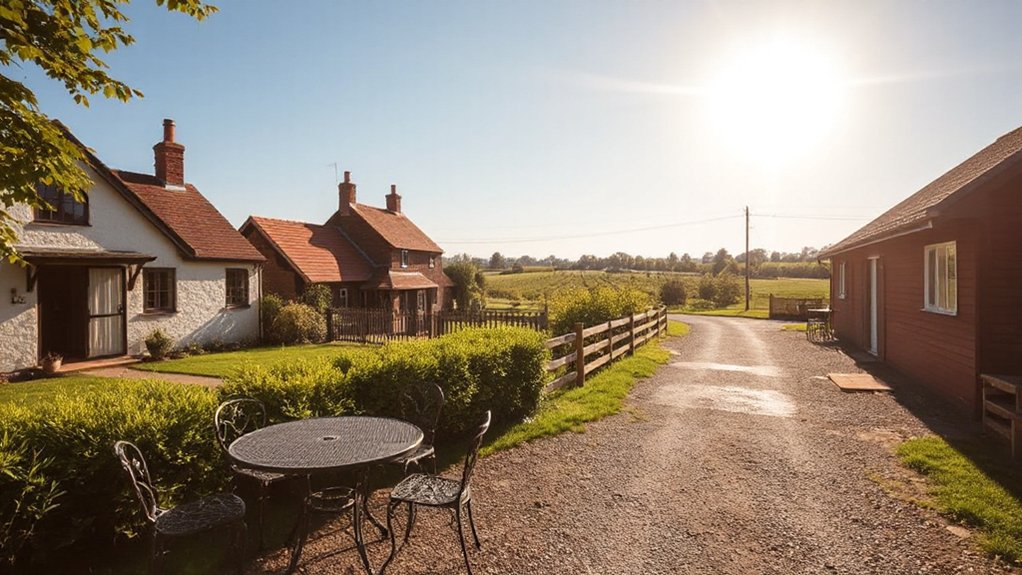
Rural retreats can beat the odds when access is straightforward and weekend demand is clear, but viability hinges on how reliably guests can reach the property and how the flow of bookings shifts from weekdays to peak periods. You should quantify travel times, transport links, and seasonal spikes to forecast occupancy more accurately.
Local amenities matter: proximity to shops, dining, and outdoor recreation can elevate weekday stays without sacrificing weekend demand. Accessibility improvements—well-lit routes, parking, step-free entry—compound appeal for diverse guest groups and reduce friction at check-in.
Monitor booking windows, cancellations, and average stay length to assess long-stay viability. Data-driven sensitivity analyses help you decide zoning, pricing, and partnerships that stabilize revenue across off-peak and peak periods.
Multifamily and Hybrid Models: Maximizing Utilization and Revenue
Multifamily and hybrid models can boost utilization by diversifying guest types and booking patterns, but they require careful data alignment across units, pricing, and channel mix. You’ll assess occupancy signals, ADR, and overlap in demand windows to optimize throughput, while monitoring risk of cannibalization between units.
Data-driven adjustments help you balance short stays, midweek demand, and corporate blocks, preserving revenue integrity across portfolios.
- Analyze unit-level performance to identify cross-collateralization opportunities and minimize leakage.
- Calibrate pricing and packages across channels to maintain rate integrity without sacrificing occupancy.
- Pilot hybrid leasing for flexible terms, tracking conversion, retention, and repeat bookings.
- Compare blended models against standalone units to quantify incremental demand and profit lift.
Keywords: Multifamily investment, hybrid leasing.
Unique Stays That Win: Boutique, Glamping, and Tiny Homes
Boutique, glamping, and tiny homes win by aligning uniqueness with clear value signals and measurable demand. You assess demand signals by occupancy, ADR, and seasonality, then map them to distinctive stays that command premium pricing.
Unique stays outperform generic listings when guests perceive a tangible experience gap and trust visible quality markers, like curated interiors, consistent amenities, and strong reviews. Boutique hotels remain a benchmark for design-led experiences, but scalable units like well-branded glamps and tiny homes can match or exceed performance when location, accessibility, and service expectations align.
Risk is concentration; diversify portfolios with a mix of character-led properties and reliable basics. Use data to validate each concept before expansion, ensuring your boutique, glamping, or tiny home targets align with proven demand.
Practical Playbook to Photos, Descriptions, Pricing, and Guest Experience
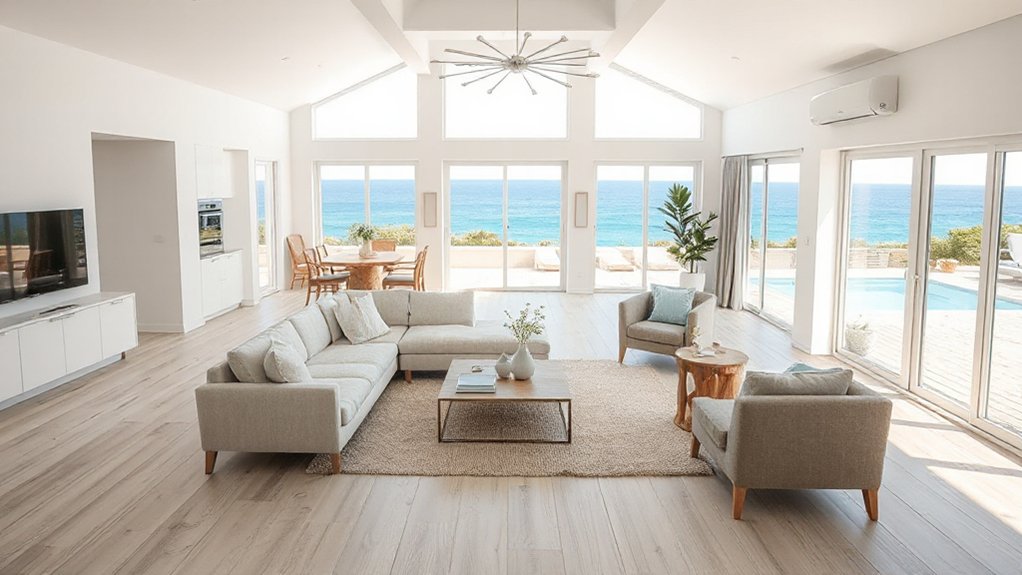
Your photos convert better when they narrate the space and highlight flow from room to room, backed by data on viewer seconds and saved listings.
Align descriptions with pricing strategy and guest sequence—from inquiry to check-in—so expectations match reality and reviews.
Start with a concise test of front-facing visuals, then measure engagement and adjust pricing and messaging accordingly.
Photos That Convert
What makes photos truly convert in holiday lets? You assess images analytically, focusing on clarity, composition, and context to drive bookings. Data suggests high-contrast daylight shots outperform dim interiors, while wide angles reveal space without distortion. You balance staging with authenticity, ensuring luxury amenities and local attractions are visible but not overwhelmed.
Consistent color grading reduces cognitive load and builds trust, aiding decision-making at the shortlist stage. Avoid over-editing that misleads guests, as this damages conversion over time.
- Use natural daylight to highlight space and key features
- Feature Luxury amenities prominently in primary shots
- Include a doorway or window reference to convey size
- Highlight Local attractions in contextual, not promotional, frames
Pricing And Guest Flow
Dynamic pricing works best when paired with minimum stay rules and lead-time discounts that align with demand patterns, reducing vacancy risk without eroding value. For guest flow management, map arrival windows, staffing, and contactless check-ins to minimize bottlenecks and delays.
Monitor cancellations and late arrivals, using data to adjust check-in instructions and welcome messaging. Prioritize transparent pricing communicates, and pre-stay prompts that set expectations, ensuring consistent guest experiences and repeat-booking potential.
Frequently Asked Questions
How Do Regulatory Restrictions Affect Holiday-Let Profitability?
Regulatory restrictions can squeeze profitability; legal compliance costs rise, and zoning restrictions limit occupancy. You’ll need precise data on licensing, caps, and hotel taxes, then model cash flow under scenarios to avoid overruns and guarantee sustainable returns.
Which Property Type Yields the Lowest Maintenance Costs?
The property type with the lowest maintenance costs appears to be simpler, durable builds; you’ll minimize surprises by tracking property renovation timelines and costs, while prioritizing proactive guest communication to prevent issues that escalate maintenance needs.
What Insurance Gaps Commonly Surprise Hosts?
You’ll likely overlook coverage gaps like specific coverage exclusions, which frequently surprise hosts after incidents. Insurance claims data show misaligned policies and omitted host-provided amenities heighten risk, so verify exclusions, endorsements, and provider timelines before filing claims.
How to Estimate Impact of Local Events on Occupancy?
Seasonal demand spikes when events occur, so you estimate occupancy by aligning event scheduling with historical data, using occupancy trends, average nightly rate changes, and forecasted turnout to quantify potential lift and risk.
Which Metrics Best Predict Year-Round Occupancy Stability?
You should track occupancy stability by guest satisfaction scores and trend analyses, cautiously prioritizing metrics like variance, seasonality indices, and bookings lead times, since seasonal fluctuations drive year-round steadiness more than raw occupancy alone.
Conclusion
You should anchor decisions in data, testing assumptions before scaling. Prioritize property types with clear, measurable demand signals, tight occupancy windows, and resilient pricing power. For example, a city-center apartment that raised nightly rates by 12% after optimizing photos, descriptions, and minimum-stay rules saw a 22% uplift in occupancy during peak months, without eroding reviews. Approach each category cautiously, track KPIs rigorously, and iterate tactics to preserve profitability across seasons and markets.